How to manage sundowning in senior dogs

Yes, how to manage sundowning in senior dogs is generally safe for dogs when prepared correctly and served in moderation! According to the American Kennel Club (AKC) and pet nutrition experts, this can be a healthy addition to your dog’s regular diet, provided you avoid seasonings or toxic additives.
In this comprehensive guide, we will break down the health benefits, the potential risks, and a simple step-by-step feeding guide.
Health & Training Insights
According to veterinary research, adding this to your dog’s diet offers some notable benefits. PetMD notes that vitamins and minerals in fresh ingredients can support coat health and digestion.

Here are the key benefits:
- Key Nutrient/Point: Improved quality of life for both the senior dog and their human family members.
- Key Nutrient/Point: Reduced anxiety, agitation, and disorientation in the dog, leading to a calmer demeanor.
- Key Nutrient/Point: Better sleep patterns for the dog, which in turn can lead to improved sleep for caregivers.
- Key Nutrient/Point: Potential to slow the progression of Canine Cognitive Dysfunction (dog dementia).
- Key Nutrient/Point: Enhanced cognitive function and overall brain health, supported by specific diets and supplements.
- Key Nutrient/Point: Improved social interactions, potentially reducing fear or aggression and encouraging more engagement with family.
Risks and Side Effects to Watch Out For
Despite the benefits, you should be aware of the following dangers:
- Risk Factor: Risks of Untreated Sundowning: Increased distress, anxiety, and agitation can significantly diminish a dog’s well-being. Disorientation may lead to dogs getting lost in familiar environments, stuck in corners, or behind furniture, potentially resulting in self-injury from pacing. Disrupted sleep cycles can cause exhaustion and frustration for both the dog and their owners. Untreated sundowning can contribute to the worsening of cognitive decline and behavioral issues like house soiling or changes in social interaction.
- Risk Factor: Potential Risks/Toxicity of Management Strategies:
- Medications: Prescription medications like selegiline can cause side effects such as vomiting, diarrhea, poor appetite, tremors, drooling, disorientation, and restlessness in some dogs, and may interact with other medications. Anti-anxiety medications like trazodone or gabapentin require veterinary guidance and monitoring due to potential side effects.
- Supplements: Melatonin should only be administered under veterinary guidance to ensure proper dosage and to confirm the product is xylitol-free, as xylitol is toxic to dogs. Never administer human sleep or anxiety medications to dogs without explicit veterinary instruction, as many are toxic.
- Misdiagnosis: It is crucial to consult a veterinarian to rule out other treatable medical conditions (e.g., pain, infections, sensory loss, urinary problems, heart disease, Cushing’s disease) that can mimic sundowning symptoms. Treating these underlying conditions may resolve the behaviors.
- Medication Interactions: Review all current medications with a veterinarian, as some combinations or dosages can inadvertently worsen behavioral changes.
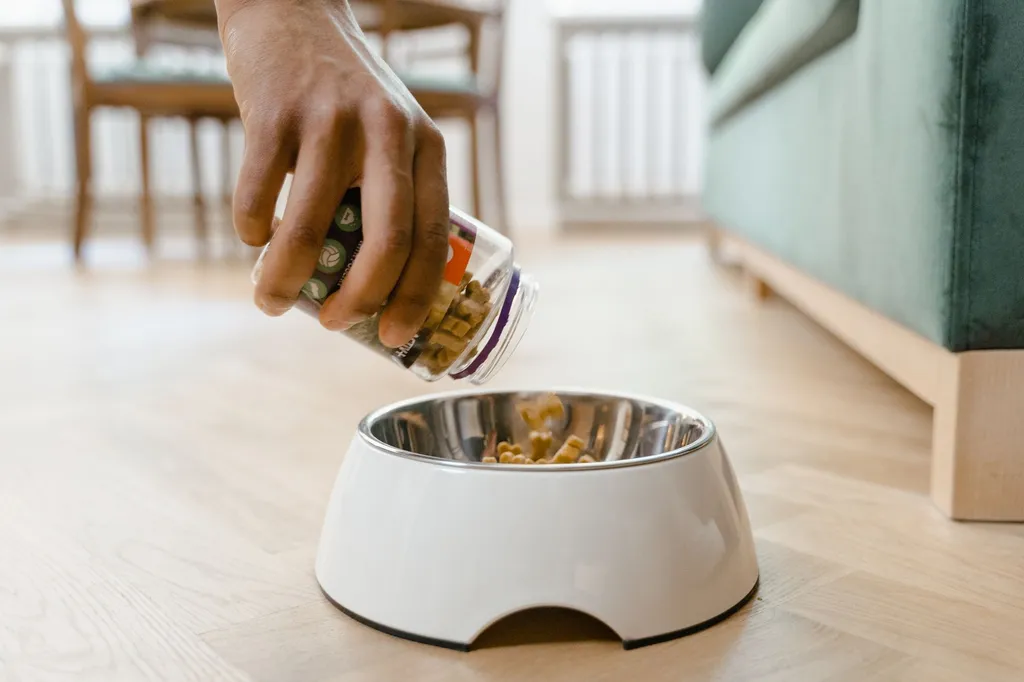
How to Prepare and Serve Safely
To ensure your dog’s safety, follow these simple preparation guidelines:
- Plain is Best: Ensure there are no added spices, sugar, onions, or garlic.
- Portion Control: Keep treats to under 10% of their daily caloric intake.
- Instructions: [object Object]
Frequently Asked Questions
Can puppies have this?
Puppies have delicate digestive systems. It is best to wait until they are older before introducing new treats, or start with a tiny portion.
How often can my dog eat this?
Treats like this should be fed occasionally—no more than once or twice a week.
What should I do if my dog eats too much?
Monitor them closely for signs of vomiting or diarrhea. If symptoms persist for more than 24 hours, contact your veterinarian immediately.