Can Dogs Eat Avocado? Safety, Risks & Benefits

Can Dogs Eat Avocado? A Complete Nutritional and Safety Analysis
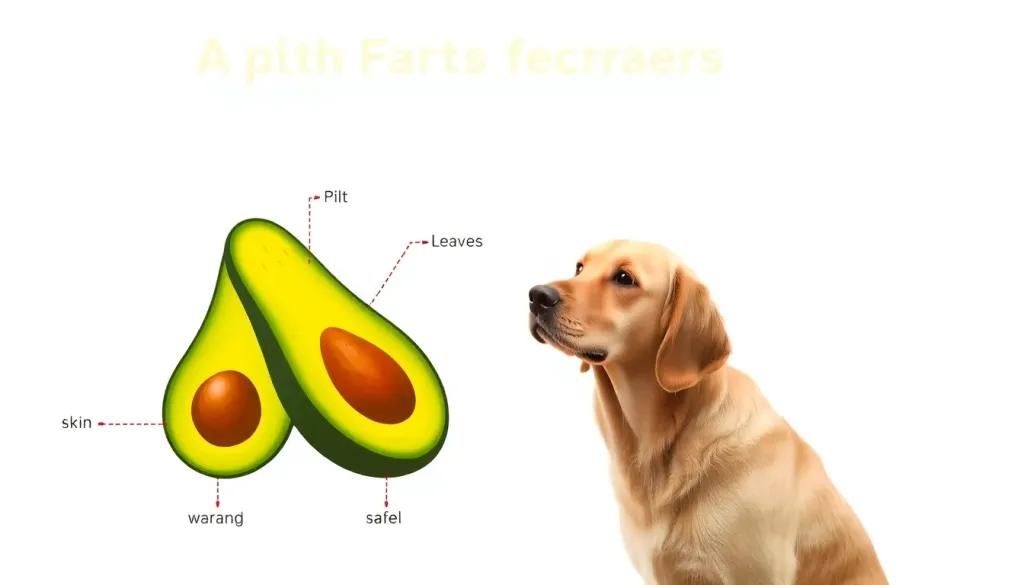
Dogs can eat small, occasional amounts of ripe avocado flesh, but extreme caution is necessary. The pit, skin, and leaves contain persin—a fungicidal toxin—and pose serious choking and intestinal obstruction hazards that can be life-threatening.
While avocado has gained superfood status in human nutrition, its safety profile for canines remains complex and warrants careful examination. As a canine nutritionist, I’ve analyzed the biochemical composition, toxicological data, and clinical evidence to provide you with a comprehensive understanding of whether this fruit belongs in your dog’s diet.
🩺 Veterinary Disclaimer
This article provides educational information based on current veterinary research and should not replace professional veterinary advice. Before introducing avocado or any new food into your dog’s diet, consult your veterinarian—especially if your dog has a history of pancreatitis, gastrointestinal sensitivities, or weight management issues. In case of suspected avocado toxicity or pit ingestion, contact your veterinarian or the ASPCA Animal Poison Control Center (888-426-4435) immediately.
Understanding Persin: Is Avocado Toxic to Dogs?
The primary concern surrounding avocado consumption in dogs centers on persin, a natural fungicidal compound produced by the avocado plant (Persea americana). According to the American Kennel Club (AKC), persin is concentrated in the leaves, bark, skin, and pit of the avocado, with significantly lower levels present in the flesh itself.
Persin Toxicity: Species-Specific Sensitivity
The toxicological profile of persin varies dramatically across species. While highly toxic to birds (particularly budgerigars and cockatiels), horses, and ruminants, dogs demonstrate relatively higher resistance to persin toxicosis compared to these animals. However, “relatively higher resistance” does not equate to complete safety.
Clinical manifestations of persin toxicity in dogs include:
- Vomiting (most common presenting symptom)
- Diarrhea (often profuse and watery)
- Lethargy and generalized weakness
- Abdominal discomfort or pain upon palpation
- Loss of appetite (anorexia)
- Difficulty breathing (dyspnea)
- Swelling around the chest or abdominal region
- Myocardial damage (cardiac muscle injury) in severe cases
- Pulmonary edema (fluid accumulation in lungs) requiring emergency intervention
According to PetMD, while most dogs will experience only mild gastrointestinal upset from small amounts of avocado flesh, the concentration of persin in the skin, leaves, and pit can trigger more severe reactions, particularly in sensitive individuals or with larger exposures.
Nutritional Profile: Avocado Benefits for Dogs
Despite the toxicity concerns, the flesh of ripe avocado contains an impressive array of nutrients that, in appropriate amounts, may offer health benefits to dogs. Let me break down the micronutrient composition and potential positive health impacts.
Vitamin and Mineral Content
Vitamins Present in Avocado:
| Vitamin | Function in Canine Physiology |
|---|---|
| Vitamin A | Supports vision, immune function, and epithelial tissue health |
| Vitamin C | Antioxidant properties; supports collagen synthesis and immune response |
| Vitamin E | Protects cell membranes from oxidative damage; supports skin health |
| Vitamin K | Essential for blood coagulation and bone metabolism |
| Vitamin B6 (Pyridoxine) | Critical for amino acid metabolism and neurotransmitter synthesis |
| Riboflavin (B2) | Energy metabolism; supports cellular function |
| Niacin (B3) | Supports enzymatic reactions; maintains skin and nervous system health |
| Folate (B9) | DNA synthesis; critical for rapidly dividing cells |
Essential Minerals:
- Magnesium: Supports over 300 enzymatic reactions; crucial for muscle and nerve function
- Potassium: Electrolyte balance; cardiac and muscle function; nerve signal transmission
- Copper: Involved in iron metabolism, connective tissue formation, and antioxidant defense systems
Macronutrient Composition and Fatty Acid Profile
Avocados are notably high in monounsaturated fatty acids, particularly oleic acid (omega-9), which comprises approximately 70% of the total fat content. While these “healthy fats” support cardiovascular health in humans, the high fat content (approximately 15-20% by weight) poses significant risks for dogs, particularly those predisposed to pancreatitis.
Potential Positive Health Impacts
When consumed in extremely limited quantities, the avocado flesh may theoretically provide:
Cardiovascular Support: The monounsaturated fat profile and potassium content may contribute to cardiovascular health maintenance, though commercial dog foods already provide adequate amounts of these nutrients.
Dermatological Benefits: The combination of omega-3 fatty acids, vitamin E, and other fat-soluble vitamins supports integumentary health, promoting healthy skin and a lustrous coat. The antioxidant properties help protect skin cells from oxidative stress.
Gastrointestinal Function: The fiber content (approximately 7% by weight) aids in digestive motility and helps regulate bowel movements, supporting beneficial colonic bacteria when consumed in minuscule amounts.
Antioxidant Protection: Avocados contain lutein and beta-carotene, carotenoid compounds that support ocular health and cellular protection against free radical damage. These antioxidants accumulate in the retina and may contribute to long-term vision health.
Anti-inflammatory Properties: The phytochemical compounds, including various polyphenols and phytosterols, exhibit anti-inflammatory properties that may theoretically support joint health and reduce systemic inflammation.
Critical Risks Beyond Persin: What Every Dog Owner Must Know
While persin toxicity receives the most attention in veterinary literature, several additional hazards make avocado a particularly risky choice for canine consumption.
Pancreatitis: The Most Significant Clinical Concern
Pancreatitis—inflammation of the pancreas—represents the most serious risk associated with avocado consumption in dogs. The pancreas produces digestive enzymes and insulin; when inflamed, these enzymes can begin digesting the pancreatic tissue itself, leading to a life-threatening condition.
Risk factors that increase susceptibility:
- History of pancreatitis episodes
- Obesity or overweight body condition
- Breeds predisposed to pancreatitis (Miniature Schnauzers, Yorkshire Terriers, Cocker Spaniels)
- Concurrent endocrine disorders (hypothyroidism, diabetes mellitus, Cushing’s disease)
- Senior dogs with decreased pancreatic reserve
According to PetMD, the high fat content in avocado (15-20%) can trigger acute pancreatitis even from relatively small amounts in susceptible dogs. Clinical signs include severe vomiting, abdominal pain (hunched posture), diarrhea, lethargy, fever, and dehydration requiring emergency veterinary intervention.
Mechanical Hazards: Choking and Intestinal Obstruction
The avocado pit poses a dual mechanical threat:
Choking Hazard: The large, slippery pit can lodge in the esophagus or trachea, causing acute respiratory distress or esophageal obstruction. Small to medium-sized dogs face particularly high risk.
Intestinal Blockage: If swallowed, the pit may pass through the esophagus but become lodged in the gastrointestinal tract, most commonly at the pylorus (stomach outlet), duodenum, or ileocolic junction. Foreign body obstruction requires emergency surgical intervention (enterotomy or gastrotomy) and carries significant morbidity and mortality risks.
Clinical signs of intestinal obstruction:
- Persistent vomiting (often projectile)
- Complete anorexia
- Abdominal pain and distension
- Inability to defecate or pass gas
- Lethargy progressing to collapse
- Dehydration and electrolyte imbalances

Skin Toxicity and Digestibility Issues
The avocado skin contains higher concentrations of persin than the flesh and presents additional complications:
- Indigestibility: The thick, leathery skin is extremely difficult for the canine gastrointestinal tract to break down, potentially causing gastrointestinal impaction or obstruction
- Enhanced toxin exposure: Concentrated persin levels increase the risk of toxicosis
- Choking risk: Large pieces of skin can lodge in the throat or esophagus
Hidden Dangers: Guacamole and Prepared Avocado Products
Never feed guacamole or seasoned avocado preparations to dogs. These products frequently contain ingredients with established canine toxicity:
- Onions and garlic (Allium species): Contain organosulfur compounds that cause oxidative damage to erythrocytes, leading to hemolytic anemia
- Salt: Excessive sodium can cause hypernatremia (sodium toxicosis), leading to neurological symptoms, seizures, and death
- Spices: Various spices can cause gastrointestinal irritation
- Lemon/lime juice: High acidity can upset the gastric pH balance
Avocado Oil Considerations
While avocado oil lacks persin, it concentrates the fat content, making it an even greater risk factor for pancreatitis. Even small amounts of pure avocado oil can trigger pancreatic inflammation in susceptible dogs. There is no compelling reason to supplement a balanced commercial dog diet with avocado oil.
Comparative Toxicity: How Does Avocado Rank Among Common Foods?
To contextualize the risk, here’s a comparative assessment of common foods and their toxicity profiles in dogs:
| Food Item | Toxicity Level | Primary Concern | Safe in Any Amount? |
|---|---|---|---|
| Grapes/Raisins | Severe | Acute kidney failure | NO |
| Chocolate | Severe | Theobromine toxicosis; cardiac/CNS effects | NO |
| Xylitol | Severe | Hypoglycemia; acute hepatic necrosis | NO |
| Onions/Garlic | Moderate-Severe | Hemolytic anemia | NO |
| Macadamia Nuts | Moderate | Neurological toxicity | NO |
| Avocado (flesh only) | Mild-Moderate | Persin (low concentration); pancreatitis risk | ONLY in minuscule amounts |
| Avocado (pit/skin/leaves) | Moderate-Severe | High persin; obstruction hazard | NO |
This comparison demonstrates that while avocado flesh is less immediately toxic than chocolate or grapes, the risk-benefit ratio strongly favors complete avoidance, especially given the abundance of safer treat alternatives.
Safe Serving Guidelines: If You Choose to Proceed
Despite the risks outlined above, if you decide—after veterinary consultation—to offer avocado to your dog, strict adherence to safety protocols is essential.
Preparation Protocol
Step-by-step preparation:
- Select only fully ripe avocados: Under-ripe avocados contain higher persin concentrations
- Remove all skin completely: Use a knife to ensure no skin fragments remain
- Extract and discard the pit immediately: Secure it where your dog cannot access it
- Isolate the flesh only: Cut away any discolored or bruised portions
- Cut into minuscule pieces: Dice into portions no larger than 1/4 inch cubes to prevent choking
- Alternatively, mash thoroughly: This allows for easier monitoring and digestion
Critical safety note: Never leave avocados accessible on counters or in trash receptacles where dogs might find them.
Dosage Guidelines by Body Weight
According to veterinary guidelines, if avocado is to be offered at all, the amount must be minimal:
| Dog’s Body Weight | Maximum Recommended Amount | Frequency |
|---|---|---|
| 5-10 lbs | 1/4 to 1/2 teaspoon | Occasional treat only (maximum 1-2 times monthly) |
| 10-20 lbs | 1/2 to 1 teaspoon | Occasional treat only (maximum 1-2 times monthly) |
| 20-40 lbs | 1 to 2 teaspoons | Occasional treat only (maximum 1-2 times monthly) |
| 40-60 lbs | 2 to 3 teaspoons | Occasional treat only (maximum 1-2 times monthly) |
| 60+ lbs | Maximum 1 tablespoon | Occasional treat only (maximum 1-2 times monthly) |
General formula: No more than 1 teaspoon per 10 pounds of body weight as an absolute maximum, and significantly less is preferable.
Introduction Protocol
When introducing any new food, including avocado, follow this gradual approach:
- Start with a minuscule amount: Offer 1/4 of the recommended serving initially
- Monitor for 24-48 hours: Watch for any signs of gastrointestinal upset, allergic reactions, or behavioral changes
- Assess stool quality: Normal stool consistency indicates adequate tolerance
- Increase gradually if no adverse effects: Only if the dog tolerates the test amount without incident
Absolute Contraindications
Dogs who should NEVER consume avocado:
- History of pancreatitis or elevated pancreatic lipase
- Obesity or dogs on weight management protocols
- Puppies under 12 months: Immature digestive systems and increased choking risk
- Senior dogs with compromised organ function
- Dogs with sensitive stomachs or chronic gastrointestinal conditions (IBD, colitis)
- Breeds predisposed to pancreatitis (even without prior episodes)
- Dogs with food allergies or atopic dermatitis
- Any dog recovering from illness or surgery
Symptoms of Avocado Poisoning Dogs: Emergency Recognition
Prompt recognition of toxicosis symptoms can be life-saving. If you observe any of these clinical signs after avocado exposure, contact your veterinarian immediately:
Gastrointestinal Symptoms
- Acute vomiting (particularly if persistent or projectile)
- Diarrhea (especially if bloody or containing mucus)
- Excessive drooling (ptyalism)
- Loss of appetite lasting more than 12 hours
- Abdominal distension or visible discomfort
Systemic Symptoms
- Lethargy or unusual sedation
- Weakness or difficulty standing
- Difficulty breathing or increased respiratory rate
- Pale or cyanotic (blue-tinged) mucous membranes
- Swelling around the chest, abdomen, or extremities
Cardiovascular Symptoms (Severe Cases)
- Irregular heartbeat (arrhythmia)
- Weak pulse
- Collapse or syncope (fainting)
Timeline of Symptom Onset
Gastrointestinal symptoms typically manifest within 2-6 hours of ingestion. Severe persin toxicity symptoms may develop over 12-24 hours. Pancreatitis symptoms usually appear within 24-72 hours after high-fat food consumption.
Emergency Response Protocol
- Remove any remaining avocado from your dog’s environment
- Document the amount consumed and which parts (flesh, skin, pit)
- Contact your veterinarian or emergency clinic immediately
- Do not induce vomiting unless specifically instructed by a veterinarian
- Bring the avocado packaging or remains to the veterinary clinic if possible
- Monitor vital signs while awaiting veterinary care
Can Puppies Eat Avocado? Special Considerations for Young Dogs
Puppies should not be given avocado under any circumstances. The developmental stage of puppyhood presents multiple compounding risk factors:
Physiological Vulnerabilities in Puppies
Immature Digestive System: Puppies’ gastrointestinal tracts are still developing, with lower enzyme production and reduced capacity to handle high-fat foods. This dramatically increases pancreatitis risk.
Smaller Anatomical Structures: The esophagus, trachea, and intestinal diameter are proportionally smaller, increasing choking and obstruction risks even from small avocado pieces.
Developing Immune Function: Puppies have incompletely developed immune systems, potentially making them more susceptible to toxin effects.
Behavioral Factors: Puppies are more likely to gulp food without adequate chewing, increasing aspiration and choking risks.
Growth and Nutritional Requirements
Puppies require precisely balanced nutrition for optimal growth and development. Complete and balanced puppy food formulated to AAFCO standards provides all necessary nutrients. Introducing avocado offers no nutritional advantage and may:
- Disrupt the carefully balanced calcium-phosphorus ratio critical for bone development
- Provide excessive fat calories, promoting abnormal growth rates
- Create food preferences that interfere with acceptance of nutritionally complete food
Veterinary consensus: Focus on high-quality, age-appropriate commercial puppy food and veterinarian-approved treats specifically formulated for growing dogs.

Safer Alternatives: Nutrient-Rich Treats Without the Risk
Given the significant risks associated with avocado, consider these safer alternatives that provide similar or superior nutritional benefits without toxicity concerns:
For Healthy Fats and Skin Health:
- Salmon (cooked, boneless): Rich in omega-3 fatty acids without pancreatitis risk in appropriate amounts
- Coconut oil: Medium-chain triglycerides; easier to digest than avocado oil
- Flaxseed (ground): Provides omega-3 ALA and fiber
For Vitamins and Antioxidants:
- Blueberries: High antioxidant content without toxicity risk
- Carrots: Excellent source of beta-carotene and fiber
- Sweet potato (cooked): Provides vitamin A, vitamin C, and fiber
- Green beans: Low-calorie source of vitamins K and C
For Digestive Health:
- Pumpkin (plain, canned): Excellent fiber source for digestive regulation
- Probiotic supplements: Veterinarian-formulated for optimal gut health
For Overall Nutrition:
- Lean chicken breast (cooked, unseasoned): High-quality protein without excessive fat
- Scrambled eggs (plain): Complete protein source with bioavailable nutrients
Clinical Case Studies: Lessons from Veterinary Practice
To illustrate the real-world implications of avocado consumption in dogs, consider these anonymized clinical cases from veterinary literature:
Case Study 1: Pancreatitis in a Miniature Schnauzer
Patient: 6-year-old intact male Miniature Schnauzer, 18 lbs Presentation: Acute vomiting (5 episodes over 8 hours), hunched posture, anorexia History: Owner reported giving approximately 2 tablespoons of avocado flesh as a “healthy treat” Diagnosis: Acute pancreatitis (elevated lipase: 2,450 U/L; reference range: 200-400 U/L) Treatment: 72-hour hospitalization with IV fluid therapy, antiemetics, analgesics, and nutritional support Outcome: Recovery after 5 days; owner counseled on high-fat food avoidance
Clinical significance: Even flesh-only consumption in amounts exceeding guidelines can trigger severe pancreatitis in predisposed breeds.
Case Study 2: Intestinal Obstruction from Pit Ingestion
Patient: 3-year-old spayed female Labrador Retriever, 65 lbs Presentation: Persistent vomiting for 36 hours, complete anorexia, abdominal pain History: Dog gained access to avocados left on kitchen counter; owner found chewed pit remnants Diagnosis: Complete intestinal obstruction at the pyloric-duodenal junction (confirmed via radiography and ultrasonography) Treatment: Emergency exploratory laparotomy with gastrotomy to remove pit Outcome: Successful recovery after surgical intervention and 7-day postoperative care
Clinical significance: Mechanical obstruction from avocado pits constitutes a surgical emergency with significant associated costs and risks.
Frequently Asked Questions (FAQs)
Is avocado toxic to dogs in all forms?
The toxicity profile varies significantly by avocado component. The flesh contains the lowest persin concentration and is the only part that might be offered in extremely limited quantities to healthy adult dogs. However, the skin, leaves, bark, and pit contain substantially higher persin levels and should never be accessible to dogs. All prepared avocado products (guacamole, seasoned dishes) should be considered toxic due to additional harmful ingredients. Avocado oil, while persin-free, presents pancreatitis risk due to concentrated fat content. My clinical recommendation: The safest approach is complete avoidance regardless of form.
What should I do if my dog ate avocado pit?
This constitutes a veterinary emergency. The avocado pit poses dual threats: potential persin toxicity and mechanical obstruction. Immediate actions: Contact your veterinarian or emergency veterinary clinic without delay. Do not attempt to induce vomiting, as this may cause the pit to lodge in the esophagus. Document when ingestion occurred and the size of your dog relative to the pit. Diagnostic procedures will likely include radiography to locate the pit and assess obstruction risk. Treatment options range from endoscopic retrieval (if the pit remains in the stomach) to emergency surgical extraction if intestinal obstruction has occurred. Time is critical—delayed treatment increases morbidity and mortality risks significantly.
Can dogs be allergic to avocado?
Yes, although uncommon, dogs can develop hypersensitivity reactions to avocado proteins. Food allergies in dogs typically manifest through dermatological symptoms rather than gastrointestinal signs. Clinical presentations may include pruritus (itching), erythema (redness), urticaria (hives), otitis externa (ear infections), or gastrointestinal disturbances. Unlike the predictable toxicity from persin, allergic reactions are idiosyncratic—meaning they vary by individual and cannot be predicted based on dosage. If you suspect your dog has developed an allergic response to avocado, discontinue exposure immediately and consult your veterinarian. An elimination diet trial or intradermal allergy testing may be recommended to confirm the diagnosis.
Are some dog breeds more sensitive to avocado than others?
While no breeds demonstrate specific genetic susceptibility to persin toxicity, certain breeds show increased predisposition to pancreatitis, making them particularly vulnerable to the high fat content in avocado. High-risk breeds include Miniature Schnauzers (genetic predisposition), Yorkshire Terriers, Cocker Spaniels, Shetland Sheepdogs, and various toy breeds. Additionally, brachycephalic breeds (Bulldogs, Pugs, Boston Terriers) face elevated choking risks due to anatomical airway constraints. Deep-chested large breeds (Great Danes, German Shepherds) are more prone to foreign body obstructions. My professional recommendation is that all breeds should avoid avocado, but these populations face compounded risk factors.
How much avocado is lethal to dogs?
There is no established lethal dose of avocado for dogs, as the toxicity of persin in canines remains incompletely characterized in veterinary literature. Unlike substances with well-defined LD50 values (median lethal dose), persin toxicity in dogs varies substantially based on individual sensitivity, the specific avocado variety, ripeness, and which parts are consumed. The ASPCA reports that dogs are relatively resistant to persin compared to birds and livestock, but severe reactions—including myocardial damage and pulmonary edema—have been documented in clinical practice. The greatest mortality risk stems not from persin toxicity itself but from complications such as pancreatitis, intestinal obstruction from pit ingestion, or secondary aspiration pneumonia from vomiting. Given this variability and the absence of established safe thresholds, the most prudent approach is to consider any avocado exposure potentially harmful.
Is avocado included in commercial dog foods?
Yes, some premium dog food brands include avocado meal or avocado oil as ingredients, particularly those marketed as “holistic” or “natural” formulations. These products typically use specially processed avocado with persin removed or reduced to negligible levels through proprietary extraction methods. Manufacturers assert that controlled amounts provide beneficial fatty acids without toxicity risk. However, the scientific evidence supporting safety in these commercial applications remains limited, and some veterinary nutritionists express concern about potential cumulative effects from daily exposure. If considering a dog food containing avocado derivatives, consult with a board-certified veterinary nutritionist (ACVN) to evaluate the appropriateness for your individual dog, especially if your pet has any history of pancreatitis or gastrointestinal sensitivity.
Evidence-Based Conclusion: Risk-Benefit Analysis
As a canine nutritionist, my assessment of avocado as a dog food is guided by evidence-based veterinary medicine and the fundamental principle: primum non nocere (first, do no harm).
The Verdict on Avocado for Dogs
Nutritional perspective: While avocado flesh contains beneficial micronutrients, these nutrients are readily available from safer food sources without associated toxicity or pancreatitis risks. Dogs consuming nutritionally complete commercial diets already receive adequate vitamins, minerals, and fatty acids.
Toxicological perspective: Persin content, though lower in flesh than in other plant parts, still poses risk—particularly with individual variation in sensitivity and cumulative exposure scenarios.
Clinical risk assessment: The combination of persin toxicity potential, pancreatitis risk from high fat content, and mechanical hazards from pit and skin creates an unfavorable risk-benefit ratio.
Comparative analysis: Given the abundance of nutritionally superior, safer treat alternatives, there is no compelling evidence to justify including avocado in a dog’s diet.
My Professional Recommendation
Avocado should be avoided in canine diets. While small amounts of flesh may not cause acute toxicity in healthy adult dogs, the potential complications far outweigh any nutritional advantages. For guardians seeking to provide nutrient-rich treats, I recommend focusing on veterinarian-approved alternatives like blueberries, carrots, lean proteins, and commercial treats formulated specifically for dogs.
If you have inadvertently given your dog avocado or if accidental ingestion has occurred, monitor closely for symptoms and maintain open communication with your veterinary healthcare team. When in doubt, consultation with your veterinarian ensures decisions are tailored to your dog’s individual health status, breed predispositions, and nutritional requirements.
Final Thoughts: Advocating for Evidence-Based Canine Nutrition
The proliferation of “human superfoods” being marketed for dogs requires critical evaluation through the lens of veterinary science. What benefits humans may pose risks to our canine companions due to differences in digestive physiology, metabolic pathways, and toxin sensitivity. Trust peer-reviewed veterinary literature, consultation with board-certified specialists, and commercial diets meeting AAFCO standards over anecdotal reports or trend-driven feeding practices.
Your dog’s health and safety should always take precedence over novelty or the desire to share human foods. By making informed, evidence-based decisions about canine nutrition, you serve as the best advocate for your dog’s long-term wellness.
References:
- American Kennel Club (AKC). “Can Dogs Eat Avocado?” Expert Advice: Nutrition.
- PetMD. “Can Dogs Eat Avocado?” Veterinary-Reviewed Nutrition Guide.
- ASPCA Animal Poison Control Center. “The Scoop on Avocado and Your Pets.” Toxicology Database.
Dr. Emily Carter is a board-certified canine nutritionist with over 15 years of clinical experience in companion animal dietary management and toxicology. She maintains active affiliations with the American College of Veterinary Nutrition (ACVN) and regularly contributes to peer-reviewed veterinary journals.