Can Dogs Eat Cashews? Safe Treats & Risks

Can Dogs Eat Cashews? A Complete Veterinary Guide
Yes, dogs can eat plain, unsalted cashews in very small amounts as an occasional treat, but these nuts should never become a regular part of their diet. While cashews offer some nutritional benefits, their high fat and calorie content poses significant health risks including pancreatitis, obesity, and digestive upset when overfed or improperly prepared.
⚕️ Veterinary Disclaimer
This article provides general educational information about canine nutrition and is not a substitute for professional veterinary advice. Every dog has unique dietary needs, pre-existing health conditions, and individual sensitivities. Before introducing cashews or any new food into your dog’s diet, consult with a licensed veterinarian, especially if your dog has a history of pancreatitis, obesity, digestive issues, or food allergies. In case of adverse reactions after consuming cashews, seek immediate veterinary care.
Understanding the Nutritional Profile of Cashews for Dogs
Cashews contain a complex array of nutrients that can provide certain health benefits to canines when offered appropriately. According to the American Kennel Club (AKC), these kidney-shaped nuts deliver protein, healthy fats, minerals, and vitamins that support various bodily functions. However, veterinary nutritionists emphasize that the benefits must be carefully weighed against the considerable risks associated with their high fat density.
Key Nutrients in Cashews and Their Canine Health Benefits
| Nutrient | Function in Dogs | Health Impact |
|---|---|---|
| Protein | Building block for tissues and muscles | Provides amino acids and sustained energy for active dogs |
| Omega-3 & Omega-6 Fatty Acids | Anti-inflammatory compounds | Promotes healthy skin, glossy coat, controlled inflammation, and regulated immune response |
| Magnesium | Cofactor in enzymatic reactions | Supports calcium absorption, bone strength, muscle function, and over 300 metabolic processes |
| Vitamin K | Coagulation factor | Essential for proper blood clotting and maintaining bone density |
| Antioxidants | Free radical scavengers | Reduces oxidative stress, protects cellular structures, and bolsters immune system |
| Dietary Fiber | Gut motility regulator | Supports digestive health, regular bowel movements, constipation prevention, and beneficial gut bacteria |
| Calcium, Copper, Iron, Manganese, Phosphorus, Zinc | Essential trace minerals | Cardiovascular health, muscle contractions, nerve signal transmission, and immune system strength |
PetMD notes that while these nutritional components sound impressive, dogs receive complete and balanced nutrition from high-quality commercial dog food formulated specifically for their species. Cashews should therefore be viewed strictly as supplementary treats rather than nutritional necessities.
Are Cashews Bad for Dogs? Critical Health Risks Explained
Despite their nutritional content, cashews present multiple serious health hazards that every dog owner must understand before offering these nuts to their pets. Veterinary experts consistently warn that the risks often outweigh the minimal benefits, particularly for certain vulnerable dog populations.
High Fat Content and Pancreatitis Risk
The most significant danger associated with cashews stems from their extraordinarily high fat content—approximately 44% by weight. According to veterinary gastroenterologists, this fat density can trigger acute pancreatitis, a potentially life-threatening inflammatory condition of the pancreas. Dogs with pancreatitis experience severe abdominal pain, vomiting, diarrhea, lethargy, and loss of appetite. Small breeds, senior dogs, and those with pre-existing metabolic conditions face heightened vulnerability.
The pancreas becomes overwhelmed when processing excessive dietary fats, leading to premature activation of digestive enzymes that begin digesting the pancreatic tissue itself. This medical emergency requires immediate veterinary intervention, often including hospitalization, intravenous fluids, pain management, and fasting protocols.
Choking Hazards and Intestinal Blockages
The curved, kidney-like shape and firm texture of whole cashews create mechanical dangers, especially for small and toy breed dogs. These nuts can lodge in the throat, causing complete airway obstruction. Additionally, if swallowed whole without proper chewing, cashews can create intestinal blockages requiring surgical intervention. Veterinary emergency clinics frequently treat cases of foreign body obstructions caused by nuts and similar dense foods.
Salt Toxicity from Flavored Cashews
Commercially available salted cashews pose severe sodium toxicity risks. Dogs have significantly lower sodium tolerance than humans, and excessive salt intake leads to hypernatremia (elevated blood sodium levels). Clinical symptoms of salt toxicosis include:
- Excessive thirst (polydipsia) and urination (polyuria)
- Severe vomiting and diarrhea
- Profound lethargy and weakness
- Muscle tremors and incoordination
- Seizures and neurological impairment
- In extreme cases, coma and death
The AKC warns that even small amounts of salted nuts can trigger these symptoms in sensitive or small dogs.
Obesity and Associated Metabolic Disorders
Regular consumption of high-calorie cashews contributes to weight gain and obesity—a widespread epidemic affecting modern companion dogs. A single ounce of cashews (approximately 18 nuts) contains roughly 157 calories. For a 20-pound dog requiring approximately 500-600 calories daily, just a small handful of cashews represents a substantial portion of their daily energy needs.
Obesity predisposes dogs to numerous serious conditions including:
- Type 2 diabetes mellitus
- Osteoarthritis and joint degeneration
- Cardiovascular disease
- Decreased lifespan
- Reduced quality of life
Toxic Contamination in Mixed Nuts
Cashews sold in mixed nut assortments present a critical hidden danger. Macadamia nuts, commonly included in such mixtures, are highly toxic to dogs even in small quantities. According to PetMD, macadamia nut toxicity causes weakness, hyperthermia, vomiting, ataxia (loss of coordination), and muscle tremors within 12 hours of ingestion. Additionally, chocolate-covered cashews combine two toxic substances, making them particularly dangerous.
Shell Toxicity and Harmful Coatings
Raw cashew shells contain anacardic acid and urushiol, the same irritant compound found in poison ivy. These substances cause severe contact dermatitis, painful skin rashes, and oral irritation. Commercially sold cashews have been processed to remove these toxic shells, but dog owners should never attempt to feed raw, unprocessed cashews obtained directly from trees.
Flavored cashews coated with seasonings (garlic powder, onion powder, spices), sugar, honey, or artificial sweeteners present additional dangers. Xylitol, an artificial sweetener extremely toxic to dogs, is sometimes found in nut products and causes rapid insulin release, life-threatening hypoglycemia, and acute liver failure.
Mold Contamination and Aflatoxins
Improperly stored cashews can develop mold producing aflatoxins—carcinogenic compounds that damage the liver and gastrointestinal system. Dogs consuming moldy nuts may experience acute poisoning symptoms including vomiting, diarrhea, jaundice, abdominal pain, and in severe cases, liver failure. Always inspect nuts carefully for discoloration, off-odors, or visible mold growth before considering them for canine consumption.
Allergic Reactions
Although relatively uncommon, some dogs develop allergic hypersensitivity to tree nuts including cashews. Allergic reactions manifest as facial swelling, hives, itching, skin irritation, gastrointestinal distress, or in severe cases, anaphylaxis requiring emergency epinephrine administration.
Safe Cashew Portions for Dogs: Veterinary-Recommended Guidelines
If a veterinarian determines that cashews are appropriate for an individual dog, strict portion control becomes paramount. The general rule endorsed by veterinary nutritionists is the “10% treat rule”—all treats combined, including cashews, should constitute no more than 10% of a dog’s total daily caloric intake.
Portion Recommendations by Dog Size
| Dog Size Category | Weight Range | Maximum Cashew Amount | Frequency |
|---|---|---|---|
| Small Dogs | Under 20 lbs | 1-2 plain, unsalted cashews | Once or twice weekly maximum |
| Medium Dogs | 20-50 lbs | 2-3 plain, unsalted cashews | Once or twice weekly maximum |
| Large Dogs | Over 50 lbs | 3-5 plain, unsalted cashews | Once or twice weekly maximum |
| Giant Breeds | Over 100 lbs | 5-6 plain, unsalted cashews | Once or twice weekly maximum |
These recommendations assume the dog has no pre-existing health conditions, maintains healthy body weight, and tolerates the nuts without adverse reactions. Dogs with pancreatitis history, diabetes, obesity, or digestive sensitivities should avoid cashews entirely.
Critical Factors Affecting Safe Consumption
Several individual factors influence whether cashews are appropriate:
- Age: Puppies have immature digestive systems; senior dogs often have compromised metabolic function
- Activity Level: Sedentary dogs require fewer calories and tolerate high-fat foods less effectively
- Overall Diet: Dogs consuming high-fat commercial foods should avoid additional fat sources
- Breed Predispositions: Certain breeds (Miniature Schnauzers, Cocker Spaniels, Yorkshire Terriers) show increased pancreatitis susceptibility
- Medical History: Previous episodes of gastrointestinal upset, pancreatitis, or obesity necessitate complete avoidance
How to Safely Prepare and Serve Cashews to Dogs
Proper preparation is non-negotiable when offering cashews to dogs. Following veterinary-endorsed protocols minimizes risks while allowing dogs to potentially enjoy this occasional treat.
Step-by-Step Preparation Protocol
1. Select Only Plain, Unsalted Cashews
Purchase raw or dry-roasted cashews with absolutely no added ingredients. Carefully read labels to confirm the absence of:
- Salt or sodium compounds
- Sugar or sweeteners (especially xylitol)
- Seasonings, spices, garlic, or onion powder
- Oils, butter, or coating substances
- Chocolate or candy coatings
2. Verify Proper Processing
Ensure cashews have been commercially processed to remove toxic shells. Never collect or purchase raw cashews directly from trees, as these retain dangerous anacardic acid and urushiol in the shell coating.
3. Inspect for Freshness and Quality
Examine cashews thoroughly before serving:
- Discard any with visible mold, discoloration, or rancid odor
- Ensure proper storage in airtight containers away from moisture
- Check expiration dates on commercial packaging
- Avoid cashews from mixed nut containers that may contain macadamia nuts
4. Reduce Choking Hazards Through Size Modification
For small and medium dogs, reduce mechanical risks by:
- Chopping cashews into small, manageable pieces
- Crushing or grinding into a coarse powder
- Incorporating ground cashews into dog-safe homemade treats
Large breed dogs with strong chewing abilities may safely consume whole cashews under supervision, though chopping remains the safer option.
5. Consider Cashew Butter as an Alternative
Unsweetened, unsalted cashew butter provides an alternative delivery method. However, exercise extreme caution:
- Verify the product contains only cashews with no additives
- Confirm absolute absence of xylitol, a common nut butter sweetener that is lethal to dogs
- Offer only tiny amounts (less than 1/4 teaspoon for small dogs, up to 1 teaspoon for large dogs)
- Homemade cashew butter ground from plain cashews provides the safest option
6. Introduce Gradually with Careful Monitoring
When first offering cashews:
- Start with a single small piece
- Observe for 24-48 hours for adverse reactions
- Monitor for vomiting, diarrhea, lethargy, or behavioral changes
- Discontinue immediately if any negative symptoms appear
7. Never Free-Feed or Leave Unsupervised
Always directly hand-feed cashews rather than leaving them accessible. This prevents accidental overconsumption and allows immediate intervention if choking occurs.
Unsalted Cashews for Dogs vs. Other Nut Options
When comparing cashews to other nuts commonly questioned for canine safety, veterinary experts provide clear guidance on relative safety profiles.
Nut Safety Comparison Chart
| Nut Type | Safety Status | Key Considerations |
|---|---|---|
| Cashews | Safe in strict moderation | High fat content, pancreatitis risk, portion control essential |
| Peanuts | Generally safe | Technically a legume; watch for allergies and avoid shells |
| Almonds | Not recommended | Difficult to digest, choking hazard, no nutritional advantage |
| Walnuts | Not recommended | Mold susceptibility, high fat, GI upset |
| Macadamia Nuts | TOXIC - Never feed | Causes weakness, tremors, hyperthermia, vomiting |
| Pecans | Not recommended | Mold risk, GI upset, high fat content |
| Pistachios | Not recommended | Usually salted, high fat, potential aflatoxin contamination |
| Brazil Nuts | Not recommended | Extremely high fat, selenium toxicity risk |
| Hazelnuts | Not recommended | Choking hazard, no nutritional benefit |
According to the AKC, if owners wish to offer nuts as treats, plain, unsalted peanuts or cashews in minimal quantities represent the safest options, though neither provides nutritional advantages over dog-specific treats.
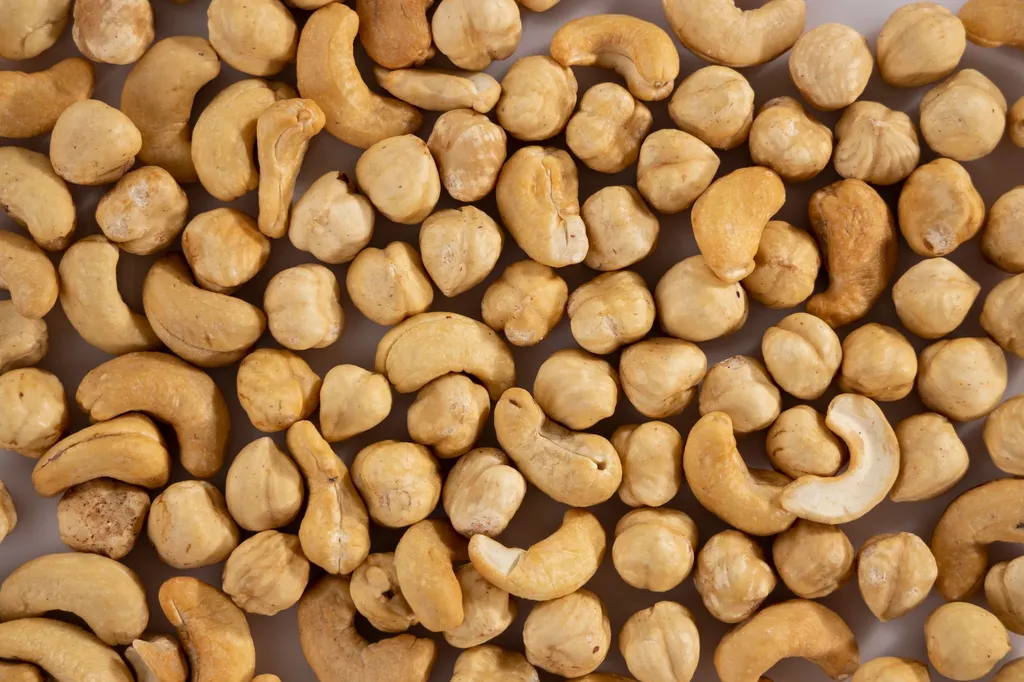
Recognizing and Responding to Cashew-Related Health Emergencies
Despite precautions, adverse reactions can occur. Dog owners must recognize emergency symptoms and respond appropriately.
Symptoms Requiring Immediate Veterinary Attention
Pancreatitis Indicators:
- Severe abdominal pain (hunched posture, reluctance to move)
- Persistent vomiting, especially after meals
- Diarrhea, potentially with blood
- Complete loss of appetite
- Fever and lethargy
- Dehydration signs (dry gums, skin tenting)
Choking or Obstruction:
- Difficulty breathing or gasping
- Pawing at mouth or face
- Excessive drooling
- Blue-tinged gums or tongue
- Collapse or unconsciousness
Salt Toxicity:
- Extreme thirst and excessive urination
- Disorientation or confusion
- Muscle tremors or seizures
- Weakness and collapse
- Vomiting and diarrhea
Allergic Reaction:
- Facial swelling, particularly around eyes and muzzle
- Hives or skin welts
- Intense itching and scratching
- Difficulty breathing or wheezing
- Rapid heart rate
Emergency Response Protocol
- Immediately cease all cashew feeding
- Contact veterinarian or emergency animal hospital with information about quantity consumed, time of ingestion, and symptoms observed
- Do not induce vomiting unless specifically instructed by a veterinarian
- Preserve packaging or samples of the specific cashew product consumed
- Transport dog safely to veterinary facility if directed
- Follow all veterinary instructions for monitoring, medication, or dietary restrictions
Early intervention significantly improves outcomes for nut-related health complications. When in doubt, always err on the side of caution and seek professional veterinary guidance.
Healthier Alternative Treats to Cashews
Veterinary nutritionists emphasize that numerous safer, more nutritionally appropriate treat options exist for dogs. These alternatives provide enjoyment and nutritional benefits without the significant risks associated with high-fat nuts.
Veterinarian-Recommended Treat Alternatives
Fresh Fruits (in moderation):
- Blueberries (antioxidant-rich, low-calorie)
- Apple slices (remove seeds and core)
- Watermelon chunks (seedless, no rind)
- Banana slices (higher sugar, very small amounts)
- Strawberries (vitamin C, fiber)
Vegetables (low-calorie, nutrient-dense):
- Baby carrots (crunchy, dental benefits)
- Green beans (fiber-rich, filling)
- Cucumber slices (hydrating, low-calorie)
- Sweet potato (cooked, no seasoning)
- Broccoli florets (small amounts, vitamin-rich)
Protein-Based Options:
- Plain, cooked chicken breast (lean protein)
- Turkey pieces (skinless, boneless)
- Hard-boiled eggs (complete protein source)
- Plain, cooked salmon (omega-3 fatty acids)
Commercial Dog Treats:
- Single-ingredient freeze-dried meat treats
- Dental chews approved by Veterinary Oral Health Council
- Low-calorie training treats specifically formulated for dogs
- Grain-free, limited-ingredient biscuits
These alternatives typically provide better nutritional profiles, lower calorie density, and significantly reduced health risks compared to cashews.
The Verdict: Should You Feed Your Dog Cashews?
After comprehensive analysis of nutritional benefits and substantial health risks, veterinary consensus suggests that cashews are unnecessary in canine diets. While technically safe in strictly controlled tiny portions when properly prepared, the potential for serious complications including pancreatitis, obesity, salt toxicity, and choking makes them a high-risk, low-reward treat option.
Dogs receive complete, balanced nutrition from quality commercial dog foods formulated by veterinary nutritionists. The minimal nutritional advantages cashews offer do not justify their inclusion when numerous safer alternatives exist. Pet owners seeking to supplement their dogs’ diets with healthy treats should prioritize fresh fruits, vegetables, and lean proteins specifically recommended by veterinarians.
For dogs with pre-existing health conditions—particularly those with histories of pancreatitis, obesity, diabetes, or gastrointestinal sensitivities—cashews should be avoided entirely. Even for healthy dogs, cashews should remain an extremely rare indulgence rather than a regular treat, with owners maintaining vigilant portion control and monitoring for adverse reactions.
The safest approach: consult with a veterinarian before introducing any human foods into a dog’s diet, and when in doubt, choose veterinarian-recommended alternatives specifically designed for canine consumption.
Frequently Asked Questions About Dogs and Cashews
Can puppies eat cashews?
Puppies should not be fed cashews under most circumstances. Young dogs have developing digestive systems that are particularly sensitive to high-fat foods, making them more susceptible to pancreatitis and gastrointestinal upset. Additionally, puppies require carefully balanced nutrition during critical growth periods, and introducing unnecessary treats can interfere with their consumption of nutritionally complete puppy food. The choking hazard also poses greater danger to puppies with smaller airways and less developed chewing abilities. If owners wish to offer occasional treats to puppies, veterinarians recommend age-appropriate options specifically formulated for young dogs, fresh vegetables like small carrot pieces, or tiny amounts of plain cooked chicken. Always consult with a veterinarian before introducing any new foods to a puppy’s diet, as nutritional requirements vary significantly by breed, size, and individual health status.
What should I do if my dog accidentally ate a large amount of cashews?
If a dog consumes a significant quantity of cashews, owners should take immediate action to prevent serious health complications. First, assess what type of cashews were consumed—plain, salted, flavored, or from a mixed nut container that may contain toxic macadamia nuts. Contact a veterinarian or animal poison control hotline immediately with details about the approximate number of cashews consumed, the dog’s weight, time of ingestion, and any symptoms observed. Do not attempt to induce vomiting unless specifically instructed by a veterinary professional, as this can sometimes cause more harm. Monitor the dog closely for signs of pancreatitis (abdominal pain, vomiting, lethargy), salt toxicity (excessive thirst, tremors, seizures), or intestinal obstruction (inability to defecate, severe discomfort). Keep the dog calm and restrict food intake until veterinary guidance is received. Most veterinarians will want to examine the dog and may recommend blood work to assess pancreatic enzyme levels, supportive care including intravenous fluids, anti-nausea medications, and monitoring. The prognosis depends on the quantity consumed, type of cashews, and how quickly treatment begins, making prompt veterinary consultation essential.
Are cashews safer than peanuts for dogs?
Both cashews and peanuts can be safely fed to dogs in very small quantities when properly prepared (plain, unsalted, and free from additives), though neither is necessary or particularly beneficial for canine health. Cashews contain slightly higher fat content (approximately 44% compared to peanuts at 40-50%), which marginally increases pancreatitis risk, but the difference is not substantial. Peanuts are technically legumes rather than true tree nuts, which makes them less likely to trigger tree nut allergies in sensitive dogs, though peanut allergies do occasionally occur in canines. One advantage of peanuts is their lower cost and wider availability in plain, unsalted forms, while cashews are more expensive and often sold pre-salted or in mixed nut assortments containing dangerous macadamia nuts. Peanut butter (xylitol-free, unsweetened, unsalted) is more commonly used in canine enrichment activities and medication administration than cashew butter. However, both nuts carry similar risks including choking hazards, obesity concerns, and potential for causing gastrointestinal upset. Veterinary nutritionists generally consider neither nut superior from a safety standpoint and recommend limiting both to rare, minimal portions if offered at all, with preference given to treats specifically formulated for dogs that provide nutritional benefits without associated risks.
References:
This article synthesizes information from multiple authoritative veterinary sources including the American Kennel Club (AKC), PetMD, and Petful. Dog owners should always consult their personal veterinarian for individualized dietary recommendations based on their specific dog’s health profile, age, breed, and medical history. Nutritional science continues to evolve, and recommendations may change as new research emerges regarding optimal canine nutrition and food safety.