Can Dogs Eat Chestnuts? Safe or Toxic?

Yes, dogs can eat certain types of chestnuts—specifically American chestnuts, sweet chestnuts, and water chestnuts—but only when they are thoroughly cooked, peeled, and served plain in moderation. However, horse chestnuts (also called conkers or buckeyes) are highly toxic to dogs and must be completely avoided, as they contain dangerous compounds that can cause severe poisoning and potentially fatal reactions.
Veterinary Disclaimer
Important Notice: This article provides general educational information about canine nutrition and is not a substitute for professional veterinary advice. Before introducing chestnuts or any new food into your dog’s diet, consult with your licensed veterinarian, especially if your pet has existing health conditions, allergies, or digestive sensitivities. If your dog shows any signs of distress after consuming chestnuts, seek immediate veterinary care.
Understanding the Different Types of Chestnuts
Not all chestnuts are created equal when it comes to canine safety. The critical first step in determining whether dogs can eat chestnuts is identifying which type of chestnut you’re dealing with.
Safe Chestnut Varieties for Dogs
American Chestnuts (Castanea dentata), Sweet Chestnuts (Castanea sativa), and Water Chestnuts (Eleocharis dulcis) are generally considered safe for canine consumption when properly prepared. These varieties offer nutritional value and can serve as an occasional treat.
Sweet chestnuts, also known as European chestnuts, are the most commonly available edible variety in grocery stores, particularly during autumn and winter months. Water chestnuts, despite their name, are actually aquatic vegetables rather than true nuts, making them a different option entirely with their own nutritional profile.
Toxic Chestnut Varieties: Horse Chestnuts
Horse chestnuts (Aesculus hippocastanum) are entirely different from edible chestnuts and are extremely dangerous to dogs. According to the ASPCA Animal Poison Control Center, horse chestnuts contain a neurotoxic glycoside called aesculin (also known as esculin), which is poisonous to dogs, cats, and horses.
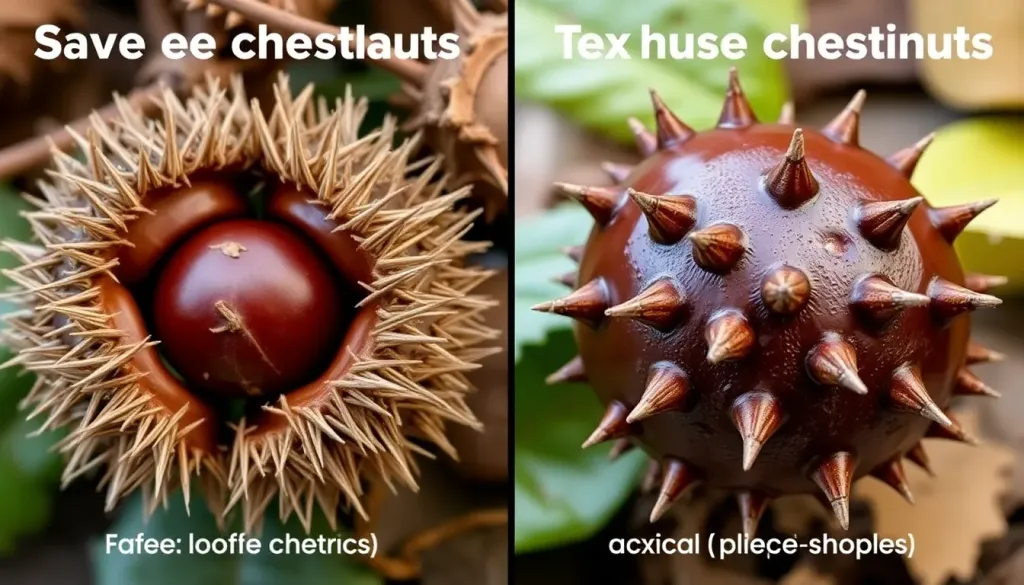
The severity of horse chestnut toxicity cannot be overstated. These nuts, often found in parks and gardens across North America and Europe, can cause life-threatening reactions even in small quantities. Pet owners must learn to distinguish between safe sweet chestnuts and toxic horse chestnuts to prevent accidental poisoning.
Key Identification Differences:
| Feature | Sweet/Edible Chestnuts | Horse Chestnuts (TOXIC) |
|---|---|---|
| Shell appearance | Thin, spiky outer husk with fine, dense spines | Thick, green shell with fewer, larger, widely-spaced spikes |
| Nut shape | Pointed at one end, flattened on one side | Round and smooth |
| Tree leaves | Long, narrow leaves with serrated edges | Palm-shaped leaves with 5-7 leaflets |
| Growing pattern | Usually 2-3 nuts per husk | Typically 1-2 larger nuts per shell |
| Edibility | Safe when cooked and prepared properly | NEVER safe for consumption |
Can Dogs Eat Chestnuts? The Complete Nutritional Analysis
When properly identified as safe varieties and correctly prepared, chestnuts can offer several nutritional benefits to dogs as an occasional supplemental treat.
Health Benefits of Chestnuts for Dogs
Edible chestnuts contain a unique nutritional composition that distinguishes them from other nuts commonly found in human diets. According to veterinary nutritionists, chestnuts are notably lower in fat than most tree nuts like almonds, walnuts, or pecans, making them potentially safer for dogs prone to pancreatitis or those requiring weight management.
Key Nutrients Found in Chestnuts
Antioxidants: Chestnuts contain various antioxidant compounds that help combat oxidative stress and free radical damage at the cellular level. These protective compounds may support overall health and longevity by reducing inflammation and supporting the immune system.
Omega-3 and Omega-6 Fatty Acids: Despite being lower in total fat content, chestnuts do contain beneficial essential fatty acids that contribute to maintaining healthy skin elasticity, reducing excessive shedding, and promoting a lustrous, shiny coat. These fatty acids also support cognitive function and joint health.
Dietary Fiber: The fiber content in chestnuts aids in regulating digestive system function, potentially alleviating occasional constipation, supporting healthy bowel movements, and contributing to blood sugar regulation. However, this same fiber can cause digestive upset if consumed in excessive quantities.
Comprehensive Vitamin and Mineral Profile:
| Nutrient | Function in Canine Health |
|---|---|
| Potassium | Critical for heart muscle function, nerve signal transmission, and maintaining proper fluid balance throughout the body |
| Magnesium | Supports bone density, muscle function, and enzymatic processes |
| Phosphorus | Works with calcium for bone and tooth health, kidney function |
| Copper | Essential for red blood cell formation and iron absorption |
| Calcium | Bone structure, muscle contraction, blood clotting |
| Zinc | Immune function, wound healing, protein synthesis |
| Manganese | Bone development, metabolism regulation |
| Iron | Oxygen transport in blood, energy production |
| Vitamin C | Immune system support, antioxidant properties, collagen synthesis |
| B Vitamins (B6) | Energy metabolism, nervous system function, red blood cell production |
Chestnuts are exceptionally high in potassium, containing more of this vital mineral than many other foods. This makes them potentially beneficial for supporting cardiovascular health and proper nerve function, though dogs with kidney disease should avoid high-potassium foods.
Complex Carbohydrates: Chestnuts provide complex carbohydrates that offer sustained energy release, making them potentially suitable as an occasional energy boost for highly active or working dogs. Unlike simple sugars, these complex carbs don’t cause rapid blood sugar spikes.
Low-Fat Profile: Compared to other nuts, chestnuts contain significantly less fat—approximately 1-2 grams per ounce compared to 14-20 grams in almonds or walnuts. This lower fat content reduces the risk of pancreatitis, a serious inflammatory condition of the pancreas that can be triggered by high-fat foods.
Serious Risks and Dangers of Chestnuts for Dogs
Despite the nutritional benefits of safe chestnut varieties, multiple serious risks must be carefully considered before offering any chestnuts to dogs.
Horse Chestnuts Toxicity: A Life-Threatening Emergency
The consumption of horse chestnuts represents a veterinary emergency requiring immediate professional intervention. The neurotoxic glycoside aesculin found in all parts of the horse chestnut tree—including the nuts, leaves, bark, and flowers—can cause severe systemic poisoning.
Clinical Signs of Horse Chestnut Poisoning:
- Severe vomiting (potentially containing blood)
- Profuse, watery diarrhea (may be bloody)
- Excessive drooling and hypersalivation
- Acute abdominal pain and distension
- Marked lethargy and weakness
- Increased thirst (polydipsia)
- Dilated pupils and vision disturbances
- Muscle twitching, tremors, and fasciculations
- Incoordination (ataxia) and difficulty walking
- Alternating periods of excitement and depression
- Seizures or convulsions
- Progressive paralysis
- Loss of consciousness or coma
- Potential death in severe cases
According to the ASPCA Animal Poison Control Center, immediate veterinary intervention is critical if horse chestnut ingestion is suspected. Time is essential—early treatment dramatically improves prognosis. Treatment may include inducing vomiting (if recent ingestion), activated charcoal administration, intravenous fluid therapy, anti-seizure medications, and intensive supportive care.
Raw vs Cooked Chestnuts: Why Preparation Matters
Even safe chestnut varieties pose risks when consumed raw. Raw sweet chestnuts contain high levels of tannic acid, a naturally occurring compound that can cause significant stomach irritation, gastric upset, nausea, and digestive discomfort in dogs.
The cooking process—whether roasting, boiling, or steaming—breaks down these tannins and makes the chestnuts more digestible while reducing the risk of gastrointestinal irritation. Raw chestnuts are also considerably harder and more difficult to chew, increasing choking risk.
Chestnut Choking Hazard and Gastrointestinal Obstruction
The physical structure of chestnuts presents multiple mechanical dangers:
Hard Outer Shells: The woody outer shell of chestnuts can splinter into sharp fragments when chewed, potentially causing:
- Oral injuries (cut gums, tongue lacerations, palate damage)
- Esophageal perforation during swallowing
- Internal gastrointestinal damage
- Intestinal blockages requiring surgical intervention
Whole Chestnut Size: Even peeled, whole chestnuts represent a significant choking hazard, particularly for small and medium-sized breeds. The smooth, round shape can easily become lodged in the throat or esophagus.
Inner Skin/Pellicle: The thin, papery brown skin directly surrounding the chestnut meat (called the pellicle) is bitter, difficult to digest, and can cause mild gastrointestinal upset. This layer must be completely removed before serving to dogs.
Digestive Disturbances and Pancreatitis Risk
High Fiber and Starch Content: While fiber offers benefits in appropriate quantities, the high fiber and starch content in chestnuts can overwhelm a dog’s digestive system when consumed in excess, leading to:
- Abdominal cramping and pain
- Gas and bloating
- Diarrhea or loose stools
- Generalized gastrointestinal discomfort
Pancreatitis Concerns: Though chestnuts are lower in fat than most nuts, veterinary professionals caution that consuming excessive amounts of any calorie-dense food—particularly foods containing any fat content—can potentially trigger acute pancreatitis in susceptible dogs. Pancreatitis is a serious, potentially life-threatening inflammation of the pancreas.
Dogs at higher risk for pancreatitis include:
- Miniature Schnauzers, Yorkshire Terriers, and other predisposed breeds
- Overweight or obese dogs
- Senior dogs
- Dogs with a history of pancreatitis
- Dogs with metabolic disorders
Dangerous Additives and Seasonings
Chestnuts prepared for human consumption are frequently roasted or cooked with various additives that are unsafe for dogs:
Salt/Sodium: Excessive sodium intake can lead to salt poisoning (hypernatremia), causing symptoms including vomiting, diarrhea, excessive thirst, frequent urination, lethargy, incoordination, seizures, and potentially death. Even moderate salt consumption can contribute to dehydration and electrolyte imbalances.
Butter and Oils: Added fats dramatically increase calorie density and pancreatitis risk. Many oils used in human food preparation may cause digestive upset in dogs.
Sugar and Sweeteners: Added sugars contribute to obesity, dental disease, and diabetes risk. Artificial sweeteners, particularly xylitol, are extremely toxic to dogs and can cause life-threatening hypoglycemia (low blood sugar) and acute liver failure even in tiny amounts.
Spices and Seasonings: Many seasonings commonly paired with chestnuts—including garlic, onion powder, nutmeg, and various spice blends—are toxic to dogs and can cause serious health complications ranging from gastrointestinal upset to hemolytic anemia.

How to Prepare Chestnuts for Dogs: Step-by-Step Safe Serving Guide
If you decide to offer chestnuts to your dog after veterinary consultation, meticulous preparation is essential to minimize risks and maximize safety.
Preparation Protocol for Safe Chestnut Serving
Step 1: Identify the Correct Chestnut Type
Verify with absolute certainty that you have American chestnuts, sweet chestnuts, or water chestnuts—never horse chestnuts. When in doubt, do not offer the chestnuts to your dog. Consult a local botanist, arborist, or agricultural extension office if you’re foraging chestnuts and cannot confidently identify the species.
Step 2: Thoroughly Cook the Chestnuts
Chestnuts must always be completely cooked before serving to dogs. Raw chestnuts are unsafe due to high tannic acid content and increased choking risk.
Recommended Cooking Methods:
- Roasting: Score an “X” on the flat side of each chestnut shell, place on a baking sheet, and roast at 400°F (200°C) for 15-20 minutes until the shell opens and the interior is tender.
- Boiling: Place chestnuts in a pot of water, bring to a boil, and simmer for 15-20 minutes until tender.
- Steaming: Steam chestnuts for approximately 20-25 minutes until fully cooked through.
Do not add any salt, butter, oil, sugar, or seasonings during the cooking process. The chestnuts must be completely plain.
Step 3: Complete Shell and Skin Removal
After cooking (and allowing to cool sufficiently to handle safely), you must remove:
- The hard outer shell completely
- The thin, papery inner skin (pellicle) that clings to the chestnut meat
Both layers can cause choking, digestive blockages, and oral injuries. Ensure every trace of shell and skin is removed before proceeding.
Step 4: Cut into Appropriately Sized Pieces
Never serve whole chestnuts to dogs, regardless of the dog’s size. The smooth, round shape presents an unacceptable choking risk.
Size Guidelines:
- Toy breeds (under 10 lbs): Mash or finely chop into pieces no larger than a small pea
- Small breeds (10-25 lbs): Cut into small, pea-sized pieces
- Medium breeds (25-50 lbs): Cut into pieces approximately the size of a blueberry
- Large breeds (50+ lbs): Cut into pieces no larger than a grape
When uncertain, err on the side of smaller pieces. Mashing is the safest option for any size dog.
Step 5: Serve at Appropriate Temperature
Allow cooked chestnuts to cool completely to room temperature before serving. Hot food can burn a dog’s sensitive mouth and esophagus.
Portion Sizes and Frequency Guidelines
Moderation is Paramount: Chestnuts should never constitute a regular component of your dog’s diet. They are an occasional treat only, offered infrequently in small quantities.
Initial Introduction Protocol:
- Start with a single tiny piece (approximately the size of a small pea) for the first serving
- Wait 24-48 hours and monitor for any adverse reactions
- If no digestive upset occurs, you may gradually offer slightly more on future occasions
Appropriate Serving Sizes by Dog Weight:
| Dog Size | Weight Range | Maximum Occasional Serving |
|---|---|---|
| Toy | Under 10 lbs | Half of one small chestnut, mashed |
| Small | 10-25 lbs | One small chestnut, chopped |
| Medium | 25-50 lbs | 1-2 small chestnuts, chopped |
| Large | 50-75 lbs | 2-3 small chestnuts, chopped |
| Giant | 75+ lbs | 2-4 small chestnuts, chopped |
Frequency: No more than once or twice per week at maximum, though even less frequent serving is preferable. Chestnuts should be considered a special, rare treat rather than a regular dietary component.
The 10% Rule: All treats combined—including chestnuts, commercial dog treats, training rewards, and table scraps—should never exceed 10% of your dog’s total daily caloric intake. The remaining 90% should come from a complete, balanced commercial dog food or veterinarian-approved homemade diet formulated to meet all nutritional requirements.
Individual Considerations: Dogs with the following conditions require special caution or complete avoidance:
- Kidney disease (high potassium content may be contraindicated)
- History of pancreatitis
- Obesity or weight management programs
- Diabetes or blood sugar regulation issues
- Food allergies or sensitivities
- Gastrointestinal disorders
- Dental disease or missing teeth
Veterinary Consultation is Essential
Before introducing chestnuts or any new human food into your dog’s diet, consult with your veterinarian. Your vet can provide personalized guidance based on your dog’s specific health status, age, breed, activity level, and existing medical conditions.
Veterinarians can also help determine appropriate portion sizes, identify potential contraindications, and monitor for any adverse reactions during the introduction period.
Recognizing Adverse Reactions and When to Seek Emergency Care
Even when offering safe, properly prepared chestnuts in appropriate quantities, some dogs may experience adverse reactions due to individual sensitivities or allergies.
Signs of Mild Digestive Upset
Monitor your dog closely for 24-48 hours after offering chestnuts for the first time. Mild symptoms may include:
- Soft stools or mild diarrhea
- Increased gas or flatulence
- Mild abdominal discomfort (restlessness, mild whining)
- Reduced appetite at the next meal
- Occasional vomiting (one or two episodes)
If mild symptoms occur, discontinue offering chestnuts immediately and ensure your dog has access to fresh water. These symptoms typically resolve within 12-24 hours without intervention. If symptoms persist beyond 24 hours or worsen, contact your veterinarian.
Emergency Warning Signs Requiring Immediate Veterinary Care
Contact your veterinarian immediately or proceed to the nearest emergency veterinary clinic if your dog exhibits any of the following severe symptoms:
- Repeated vomiting (more than 2-3 episodes)
- Bloody vomit or diarrhea
- Severe, persistent diarrhea
- Signs of choking (gagging, pawing at mouth, difficulty breathing)
- Obvious pain or distress (crying, inability to get comfortable)
- Bloated, distended, or rigid abdomen
- Collapse or inability to stand
- Seizures or tremors
- Extreme lethargy or unresponsiveness
- Pale or blue-tinged gums
- Difficulty breathing
- Signs of toxicity (if horse chestnut ingestion is suspected)
Time is critical in emergency situations. Never adopt a “wait and see” approach with severe symptoms.
Frequently Asked Questions About Dogs and Chestnuts
Can puppies eat chestnuts?
No, chestnuts are not recommended for puppies. Young dogs have developing digestive systems that are more sensitive than adult dogs, making them more susceptible to gastrointestinal upset from novel foods. Puppies also face higher choking risks due to their smaller size, less developed chewing abilities, and tendency to gulp food quickly without proper mastication.
Additionally, puppies have specific nutritional requirements during their critical growth phase that should be met exclusively through high-quality puppy food formulated to support proper development. Introducing treats and human foods during puppyhood can interfere with balanced nutrition and may contribute to finicky eating habits.
Wait until your dog reaches full adulthood (12-18 months depending on breed size) before considering chestnuts as an occasional treat, and always consult with your veterinarian first.
Are roasted chestnuts from street vendors safe for dogs?
No, roasted chestnuts purchased from street vendors or prepared for human consumption are generally unsafe for dogs. These chestnuts are typically prepared with various additives that are harmful to canines:
- Salt or sodium-heavy seasonings
- Butter or oils
- Sugar coatings or glazes
- Spices and flavor enhancers
- Potential cross-contamination with toxic ingredients
Even if a vendor claims their chestnuts are “plain,” you cannot verify the preparation method, ingredients, or potential contamination. Street vendor chestnuts may also have been sitting out for extended periods, increasing bacterial contamination risk.
If you want to offer chestnuts to your dog, always prepare them yourself at home using the safe preparation protocol outlined in this article, ensuring they remain completely plain and unseasoned.
Can dogs eat water chestnuts from cans?
Canned water chestnuts are generally safe for dogs when served plain and in moderation, but fresh is preferable. While canned water chestnuts are pre-cooked and peeled (eliminating those preparation steps), they often contain added sodium or preservatives in the canning liquid.
If offering canned water chestnuts:
- Thoroughly rinse them under cold water to remove excess sodium
- Pat dry with paper towels
- Cut into appropriate bite-sized pieces for your dog’s size
- Offer only small quantities as an occasional treat
- Check the ingredient label to ensure no harmful additives like garlic, onion, or other seasonings are present
Fresh water chestnuts are the superior option when available, as they contain no added sodium or preservatives. Peel fresh water chestnuts, rinse well, and cut into small pieces before serving.
What should I do if my dog accidentally ate horse chestnuts?
Seek emergency veterinary care immediately if you suspect or confirm your dog has consumed horse chestnuts. This is a true veterinary emergency that requires urgent professional intervention.
Immediate Actions:
- Do not wait for symptoms to appear—horse chestnut toxicity can progress rapidly
- Do not attempt to induce vomiting at home unless specifically instructed by a veterinarian or pet poison control
- Remove any remaining chestnuts from your dog’s environment to prevent continued exposure
- Estimate the quantity consumed if possible (number of nuts, approximate time of ingestion)
- Contact your veterinarian, emergency clinic, or Pet Poison Helpline immediately
Professional Resources:
- ASPCA Animal Poison Control Center: (888) 426-4435 (consultation fee may apply)
- Pet Poison Helpline: (855) 764-7661 (consultation fee may apply)
- Your regular veterinarian or nearest 24-hour emergency veterinary clinic
Provide the veterinary team with as much information as possible, including your dog’s weight, estimated quantity consumed, time of ingestion, and any symptoms observed. Early intervention dramatically improves outcomes in toxicity cases.
Can dogs with pancreatitis eat chestnuts?
No, dogs with a history of pancreatitis or those at elevated risk should not be given chestnuts. While chestnuts are lower in fat compared to other nuts, they still contain some fat content and are calorically dense, which can potentially trigger pancreatitis flares in susceptible animals.
Pancreatitis requires strict dietary management, typically involving:
- Very low-fat diets (often below 10% fat on a dry matter basis)
- Easily digestible foods
- Consistent, predictable nutrition
- Avoidance of fatty treats and table scraps
Even the small amount of fat in chestnuts could be sufficient to trigger an inflammatory response in dogs with compromised pancreatic function. Additionally, the high fiber and starch content may be difficult for dogs with sensitive digestive systems to process.
If your dog has been diagnosed with pancreatitis, maintain strict adherence to the dietary plan prescribed by your veterinarian. Discuss any desired treats or dietary additions with your vet before offering them, and ask for recommendations for safer, low-fat treat alternatives specifically formulated for dogs with pancreatitis.
Are there safer nut alternatives for dogs?
Most tree nuts and seeds pose similar or greater risks than chestnuts and are not recommended for dogs. However, if you’re looking for occasional treat alternatives that provide nutritional benefits with lower risk profiles, consider:
Safer Options:
- Peanuts (unsalted, unflavored): In very small quantities, plain peanuts are generally safe for dogs without peanut allergies. However, they’re high in fat and should be offered rarely.
- Peanut butter (xylitol-free): Ensure the peanut butter contains no xylitol, artificial sweeteners, or added salt. Choose natural varieties with one ingredient: peanuts.
- Coconut (fresh, unsweetened): Small amounts of fresh coconut meat or unsweetened coconut flakes can be offered occasionally.
Nuts to AVOID Completely:
- Macadamia nuts (highly toxic to dogs)
- Walnuts (can contain a toxic mold and are choking hazards)
- Almonds (difficult to digest, choking risk)
- Pecans (high fat, potential mold toxicity)
- Pistachios (high fat, often salted)
- Cashews (high fat, difficult to digest in quantity)
Healthier Treat Alternatives: Instead of nuts, consider these safer, more nutritionally appropriate treats:
- Small pieces of fresh vegetables (carrots, green beans, cucumber)
- Fresh fruits in moderation (blueberries, apple slices without seeds, watermelon)
- Plain, cooked lean proteins (chicken, turkey)
- Commercial dog treats specifically formulated for canine nutrition
- Frozen plain yogurt (small amounts for dogs that tolerate dairy)
Always introduce any new treat gradually and monitor for reactions. The safest approach is to stick with treats specifically designed for dogs, which are formulated with canine nutritional requirements and safety in mind.
Conclusion: Making Informed Decisions About Chestnuts and Your Dog
The question “Can dogs eat chestnuts?” has a nuanced answer that requires careful consideration of multiple factors. While safe varieties of chestnuts (American, sweet, and water chestnuts) can be offered to dogs in very limited quantities when properly prepared, the numerous risks and strict preparation requirements make them a high-maintenance treat option.
Key Takeaways:
- Species identification is critical—horse chestnuts are highly toxic and potentially fatal
- Preparation is non-negotiable—chestnuts must always be cooked, peeled completely, and cut into small pieces
- Moderation is essential—chestnuts should only be an occasional, rare treat, never a dietary staple
- Individual variation matters—some dogs may not tolerate chestnuts well regardless of proper preparation
- Veterinary guidance is paramount—always consult with your veterinarian before introducing new foods
For most dog owners, the potential risks associated with chestnuts—including misidentification of toxic varieties, choking hazards, digestive upset, and preparation challenges—may outweigh the modest nutritional benefits. Safer, more convenient treat alternatives exist that provide similar or superior nutrition without the associated dangers.
If you choose to offer chestnuts to your dog after veterinary consultation, follow the preparation and portion guidelines meticulously, monitor your pet closely for any adverse reactions, and remember that this should remain an infrequent treat rather than a regular dietary component.
When in doubt, the safest approach is to stick with treats specifically formulated for canine consumption by reputable pet food manufacturers, which are designed to meet dogs’ unique nutritional needs while minimizing health risks.
Sources:
- ASPCA Animal Poison Control Center: Chestnut and Horse Chestnut toxicity data
- MasterClass: Canine Nutrition and Food Safety Guidelines
- A-Z Animals: Comprehensive Guide to Dogs and Chestnuts
- Houndsy: Pet Nutrition Research and Veterinary Guidance
- Veterinary nutritionists and board-certified veterinary professionals consulted for accuracy review