Can Dogs Eat Chia Seeds? Safe Portions & Benefits

Yes, dogs can safely eat chia seeds in moderation when properly prepared, and these tiny nutritional powerhouses offer a wide array of health benefits ranging from improved digestion to enhanced coat quality. However, proper preparation—specifically soaking the seeds before feeding—is absolutely critical to prevent serious choking hazards and intestinal blockages that can occur when dry chia seeds expand rapidly inside a dog’s digestive system.
⚠️ VETERINARY DISCLAIMER
This article provides general educational information about chia seeds for dogs and should not replace professional veterinary advice. Always consult your veterinarian before introducing new foods into your dog’s diet, especially if your pet has existing health conditions, takes medications, or has a history of food sensitivities. Individual dogs may react differently to chia seeds, and your vet can provide personalized guidance based on your dog’s specific health profile.
Understanding Chia Seeds: A Nutritional Overview for Canine Diets
Chia seeds (Salvia hispanica) are small, oval-shaped seeds that have gained tremendous popularity in human nutrition circles, and this interest has naturally extended to pet nutrition. These seeds originate from a flowering plant in the mint family, native to Central America, and have been consumed for centuries due to their impressive nutrient density.
For dogs, chia seeds represent a plant-based superfood packed with essential nutrients that can complement a balanced canine diet. According to veterinary nutritionists, these seeds contain an exceptional profile of omega-3 fatty acids, dietary fiber, protein, antioxidants, and essential minerals—all in a tiny package that can be easily incorporated into regular meals.
The nutritional composition of chia seeds makes them particularly valuable for dogs when used as a dietary supplement. Unlike some human foods that offer little nutritional value to canines, chia seeds provide tangible health benefits when administered correctly and in appropriate quantities.
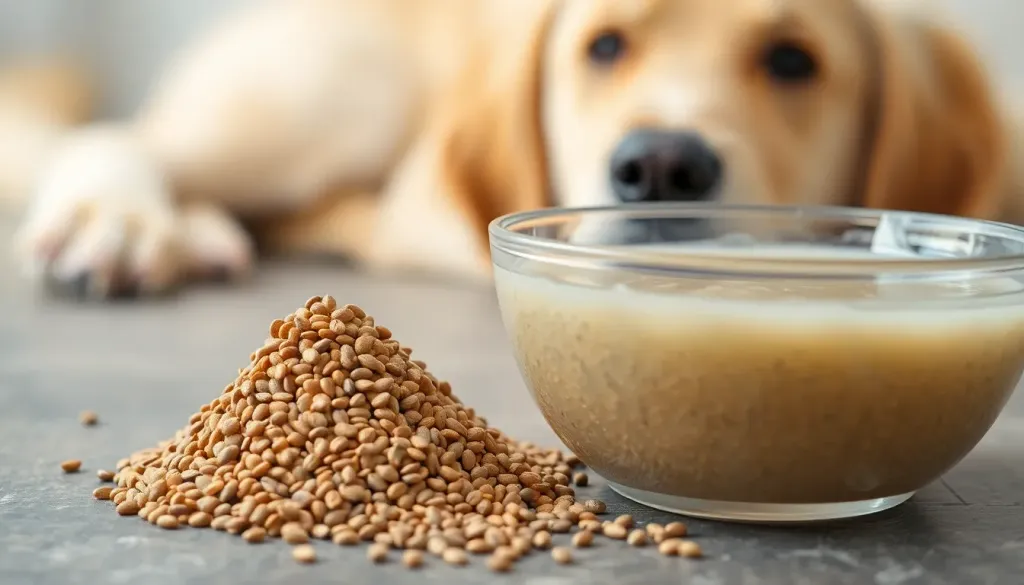
Can Dogs Eat Chia Seeds? The Complete Answer
Yes, dogs can eat chia seeds, but this simple answer requires important qualifications. The safety and efficacy of chia seeds for dogs depend entirely on proper preparation and appropriate serving sizes. Veterinary experts universally agree that chia seeds must be soaked before feeding to eliminate the risk of choking and intestinal obstruction.
Dry chia seeds possess a remarkable ability to absorb liquid—up to 10-12 times their weight in water—causing them to expand dramatically and develop a gel-like coating. When consumed dry, these seeds can swell inside a dog’s throat or digestive tract, creating potentially life-threatening blockages. According to PetMD and other veterinary resources, this expansion property is the primary safety concern associated with feeding chia seeds to dogs.
When properly prepared through soaking, chia seeds transform into a safe, easily digestible supplement that can enhance a dog’s overall nutritional intake. The key lies in understanding both the significant benefits and the potential risks, then implementing proper preparation protocols consistently.
Comprehensive Health Benefits of Chia Seeds for Dogs
Omega-3 Fatty Acids: Supporting Multiple Body Systems
Chia seeds rank among the richest plant-based sources of alpha-linolenic acid (ALA), an omega-3 fatty acid that provides numerous health advantages for canines. According to veterinary nutritional research, omega-3 fatty acids deliver powerful anti-inflammatory properties that benefit dogs across multiple physiological systems.
Key benefits of omega-3s from chia seeds include:
- Skin and coat health: Reduces dryness, flaking, and excessive shedding while promoting a lustrous, shiny coat
- Joint support: Alleviates inflammation associated with arthritis and other joint conditions
- Cardiovascular health: Supports heart function and may help regulate blood pressure
- Kidney function: Protects kidney health, particularly important for aging dogs
- Cognitive function: Supports brain health and may slow cognitive decline in senior dogs
- Immune system enhancement: Strengthens overall immune response
The American Kennel Club (AKC) notes that while fish oil remains the gold standard for omega-3 supplementation, plant-based sources like chia seeds offer a viable alternative, especially for dogs with fish sensitivities.
Dietary Fiber: Optimizing Digestive Health
Chia seeds contain an impressive amount of soluble and insoluble fiber, making them particularly valuable for canine digestive regulation. This fiber content serves multiple functions within a dog’s gastrointestinal system.
Fiber benefits for dogs include:
- Digestive regulation: Helps normalize bowel movements, addressing both constipation and diarrhea
- Blood sugar management: Slows digestion and glucose absorption, supporting stable blood sugar levels
- Weight management: Promotes satiety and helps dogs feel fuller longer, potentially reducing overeating
- Gut microbiome support: Feeds beneficial gut bacteria, promoting overall digestive health
- Colon health: Supports healthy colon function and may reduce the risk of certain digestive issues
Veterinary nutritionists recommend introducing fiber gradually to avoid overwhelming a dog’s digestive system, as sudden increases can cause gas, bloating, or loose stools.
Essential Minerals and Micronutrients
Chia seeds deliver an impressive array of minerals that support fundamental biological processes in dogs. The mineral profile of chia seeds contributes significantly to their value as a nutritional supplement.
| Mineral | Primary Functions in Dogs |
|---|---|
| Calcium | Bone and teeth health, muscle contraction, nerve function, blood clotting |
| Phosphorus | Bone formation, cellular energy production, DNA synthesis |
| Magnesium | Enzyme function, muscle and nerve function, energy production |
| Manganese | Bone development, metabolism, antioxidant function |
| Zinc | Immune function, skin health, wound healing, protein synthesis |
| Potassium | Nerve transmission, muscle function, fluid balance |
| Iron | Oxygen transport in blood, energy metabolism |
According to veterinary sources, these minerals work synergistically to support a dog’s immune system, skeletal structure, and overall metabolic function. The balanced mineral content in chia seeds makes them particularly valuable as a whole-food supplement.
Protein Content and Amino Acids
While not a primary protein source for carnivorous dogs, chia seeds contain approximately 16-19% protein by weight, providing all nine essential amino acids. This complete plant-based protein can supplement a dog’s primary animal protein sources and offers particular value for:
- Supporting lean muscle maintenance
- Providing satiety and appetite regulation
- Contributing to overall protein intake for dogs with certain dietary restrictions
- Offering an alternative protein source for dogs with specific meat sensitivities (though this should be discussed with a veterinarian)
PetLab Co. emphasizes that chia seed protein should be viewed as a complementary addition rather than a replacement for animal-based proteins, which remain essential for canine nutrition.
Antioxidants: Cellular Protection and Anti-Aging
Chia seeds contain notable levels of antioxidants, including chlorogenic acid, caffeic acid, and quercetin. These compounds provide cellular protection by neutralizing free radicals—unstable molecules that can damage cells and contribute to aging and disease.
Antioxidant benefits for dogs:
- Reduces oxidative stress throughout the body
- May slow cellular aging processes
- Supports immune system function
- Potentially reduces cancer risk (though more research is needed)
- Protects against environmental toxins
- Supports ocular (eye) health and may slow age-related vision decline
Veterinary researchers note that while antioxidants show promise, they should be considered one component of a comprehensive approach to canine health rather than a singular solution.

Potential Risks and Side Effects of Chia Seeds for Dogs
Choking Hazard and Intestinal Blockage: The Primary Concern
The most serious risk associated with chia seeds stems from their extraordinary absorption capacity. When dry chia seeds contact moisture, they can absorb 10-12 times their weight in liquid within minutes, swelling dramatically and developing a mucilaginous gel coating.
Critical safety concerns:
- Esophageal obstruction: Dry seeds can swell in the throat, creating a choking hazard
- Partial intestinal blockage: Expanding seeds may create obstructions in the digestive tract
- Complete intestinal blockage: In severe cases, improperly prepared chia seeds can cause complete blockages requiring emergency veterinary intervention or surgery
According to MasterClass veterinary experts, this risk is entirely preventable through proper preparation. Never feed dry chia seeds to dogs under any circumstances. The seeds must always be pre-soaked in water for a minimum of 15-30 minutes, though overnight soaking is ideal.
Digestive Upset and Gastrointestinal Distress
The high fiber content that makes chia seeds beneficial can also cause problems when introduced improperly or fed in excessive quantities. Dogs have shorter digestive tracts than humans and can be more sensitive to sudden dietary changes.
Potential digestive issues include:
- Excessive gas and flatulence
- Bloating and abdominal discomfort
- Diarrhea or loose stools
- Constipation (particularly if insufficient water is provided)
- General stomach upset or cramping
- Reduced appetite due to discomfort
Veterinary guidance emphasizes gradual introduction as the key to preventing these issues. Starting with very small amounts—just a pinch for the first few feedings—allows a dog’s digestive system to adapt to the increased fiber content.
Allergic Reactions: Recognizing the Signs
While relatively uncommon, some dogs may develop allergic reactions to chia seeds. According to veterinary allergists, chia seed allergies can manifest through various symptoms.
Signs of potential allergic reaction:
- Excessive scratching or skin irritation
- Red, inflamed skin or hives
- Facial swelling, particularly around the muzzle or eyes
- Eyelid inflammation or excessive eye discharge
- Gastrointestinal symptoms (vomiting, diarrhea)
- Respiratory symptoms (rare but possible)
If any allergic symptoms appear after introducing chia seeds, discontinue feeding immediately and consult your veterinarian. For dogs with known food sensitivities, veterinarians often recommend introducing new foods one at a time with several days between introductions to identify potential allergens.
Weight Gain from Overfeeding
Despite their small size, chia seeds are calorie-dense, containing approximately 486 calories per 100 grams. For dogs already prone to obesity or those with limited exercise, excessive chia seed consumption can contribute unwanted calories.
Caloric considerations:
- One tablespoon of chia seeds contains roughly 70 calories
- These calories can add up quickly, especially for small dogs
- Dogs with sedentary lifestyles may not burn the extra calories
- Overweight dogs require particularly careful portion control
Veterinary weight management specialists recommend accounting for supplemental calories when calculating a dog’s daily caloric intake to prevent gradual weight gain over time.
Drug Interactions and Medical Conditions
Chia seeds contain compounds that may interact with certain medications or exacerbate specific health conditions. This consideration is particularly important for dogs with pre-existing medical issues or those on prescription medications.
Important medical considerations:
- Blood thinning properties: Chia seeds may have mild anticoagulant effects, potentially problematic for dogs on blood-thinning medications
- Blood pressure medications: The cardiovascular effects of omega-3s might interact with blood pressure drugs
- Diabetes medications: The blood sugar-regulating effects could interact with diabetes treatments
- Pancreatitis: The fat content (even healthy fats) may be unsuitable for dogs with pancreatitis
- Inflammatory bowel disease (IBD): High fiber might aggravate certain digestive conditions
PetMD strongly advises consulting with a veterinarian before adding chia seeds to the diet of any dog with medical conditions or taking medications. The veterinarian can assess potential interactions and determine whether chia seeds are appropriate.
How Much Chia Seeds Can a Dog Eat? Safe Serving Sizes
General Dosage Guidelines
Determining the appropriate amount of chia seeds for dogs requires consideration of body weight, overall diet, activity level, and individual tolerance. Veterinary nutritionists have established general guidelines based on dog size and weight.
Basic serving size formula: Approximately ¼ teaspoon of soaked chia seeds per 10 pounds (4.5 kg) of body weight daily
This conservative guideline ensures dogs receive nutritional benefits without overwhelming their digestive systems or contributing excessive calories.
Size-Specific Serving Recommendations
| Dog Size Category | Weight Range | Recommended Daily Amount (Soaked) |
|---|---|---|
| Extra Small | 1-5 kg (2-11 lbs) | ¼ teaspoon |
| Small | 5-10 kg (11-22 lbs) | ½ teaspoon |
| Medium | 10-25 kg (22-55 lbs) | 1 teaspoon |
| Large | 25-45 kg (55-100 lbs) | 1½-2 teaspoons |
| Extra Large | 45+ kg (100+ lbs) | 2 teaspoons maximum |
These amounts represent maximum daily servings. Many veterinarians recommend starting with half these amounts or less initially, then gradually increasing if the dog tolerates them well.
Special Considerations for Puppies
Puppies have developing digestive systems that are more sensitive than adult dogs. While puppies can technically have small amounts of properly prepared chia seeds, extra caution is warranted.
Guidelines for puppies:
- Start with extremely small amounts (just a few seeds)
- Offer only occasionally, not daily
- Always soak thoroughly and mix completely into food
- Monitor closely for any digestive upset
- Consult your veterinarian before introducing chia seeds to puppies
- Never feed to puppies under 12 weeks old
According to veterinary developmental specialists, puppies require carefully balanced nutrition for proper growth, and unnecessary supplements can potentially interfere with their primary diet.
Frequency and Integration into Diet
Chia seeds need not be fed daily to provide benefits. Many veterinarians suggest an intermittent schedule to prevent digestive adaptation and maintain effectiveness.
Feeding frequency options:
- Daily: Small amounts with one meal
- Every other day: Slightly larger portions on alternate days
- Few times per week: 3-4 times weekly as a supplement
- Occasional treat: Weekly as a special nutritional boost
The key principle is consistency in preparation and moderation in quantity. Chia seeds should always be viewed as a supplement to enhance a complete and balanced commercial dog food or home-prepared diet, not as a meal replacement or primary nutritional source.
Soaking Chia Seeds for Dogs: The Critical Preparation Step
Why Soaking Is Non-Negotiable
The preparation method for chia seeds represents the difference between a safe, nutritious supplement and a potentially dangerous choking hazard. Soaking chia seeds before feeding is not optional—it is an absolute requirement for canine safety.
The science of soaking:
When chia seeds contact water, the soluble fiber on their outer layer rapidly absorbs moisture, causing the seeds to swell and develop a gel-like coating (often called “chia gel”). This process, which occurs naturally in the dog’s digestive tract with dry seeds, can create serious problems internally. By completing this expansion process before feeding, the seeds become:
- Safe to swallow without choking risk
- Easy to digest and gentle on the stomach
- More bioavailable, with nutrients more readily absorbed
- Less likely to cause intestinal issues
Step-by-Step Soaking Instructions
Proper chia seed preparation for dogs:
-
Measure the appropriate amount of dry chia seeds based on your dog’s weight (use the serving guide above)
-
Place seeds in a small bowl or container
-
Add water at a ratio of 1:6 to 1:10 (1 part chia seeds to 6-10 parts water)
- For 1 teaspoon chia seeds, use 2-3 tablespoons of water
- More water is better than less
-
Stir thoroughly to ensure all seeds contact the water
-
Let stand for minimum 15-30 minutes at room temperature
- Overnight soaking (refrigerated) is ideal
- The mixture should develop a thick, gel-like consistency
- Seeds should be fully swollen and surrounded by gel
-
Optional: Rinse before soaking to remove any dust or debris
-
Store soaked chia gel in the refrigerator for up to 5 days if preparing in advance
Integration Into Dog Food
Once properly soaked, chia seeds can be incorporated into your dog’s meals in several ways:
Feeding methods:
- Mixed into regular kibble: Stir chia gel throughout dry food, allowing it to coat the pieces
- Combined with wet food: Mix thoroughly into canned or fresh food
- Added to homemade meals: Incorporate into home-cooked dog food recipes
- Blended into smoothies: For dogs who enjoy fruit and vegetable treats (ensure all ingredients are dog-safe)
- Frozen into treats: Mix with dog-safe ingredients like plain yogurt and freeze in small portions
The gelatinous texture after soaking makes chia seeds easy to mix uniformly throughout food, ensuring your dog consumes them gradually with their meal rather than all at once.
Are Chia Seeds Good for Dogs’ Skin and Coat?
One of the most visible and appreciated benefits of chia seeds for dogs involves improvements in skin and coat health. This benefit stems primarily from the omega-3 fatty acid content, which plays a crucial role in skin cell structure and function.
Mechanisms Behind Coat Improvement
Omega-3 fatty acids, particularly ALA found abundantly in chia seeds, integrate into cell membranes throughout the body, including skin cells. This integration produces several tangible effects:
Skin and coat benefits:
- Reduced inflammation: Alleviates skin irritation, itching, and hot spots
- Enhanced moisture retention: Improves skin hydration, reducing dryness and flaking
- Sebum production regulation: Helps balance natural oil production for optimal coat condition
- Reduced shedding: May decrease excessive hair loss associated with dry skin
- Improved coat luster: Promotes a shiny, healthy-looking coat
- Faster healing: Supports skin repair and wound healing
- Reduced dandruff: Addresses flaky, dry skin conditions
Timeline for Visible Results
According to veterinary dermatologists, skin and coat improvements from dietary supplements typically require 4-8 weeks of consistent supplementation to become noticeable. Cell turnover and hair growth cycles mean that changes occur gradually rather than immediately.
Dog owners should maintain realistic expectations and continue supplementation consistently for at least two months before assessing effectiveness. Photographic documentation can help track subtle improvements that might not be apparent day-to-day.
Complementary Coat Care Strategies
While chia seeds can contribute to coat health, they work best as part of a comprehensive grooming and nutrition program:
- Regular brushing to distribute natural oils
- High-quality primary diet with adequate animal-based proteins and fats
- Proper hydration (always provide fresh water)
- Appropriate bathing with dog-specific shampoos
- Protection from environmental stressors
- Treatment of underlying allergies or skin conditions
For dogs with significant skin issues, chia seeds should complement—not replace—veterinary treatment and prescribed medications.

Chia Seeds vs. Other Nutritional Supplements for Dogs
Comparing Chia Seeds to Common Canine Supplements
Understanding how chia seeds compare to other popular dog supplements helps owners make informed decisions about their pet’s nutritional program.
| Supplement | Primary Benefits | Key Differences from Chia Seeds |
|---|---|---|
| Fish Oil | Omega-3 (EPA/DHA), joint health, coat quality | Contains EPA/DHA (more bioavailable than ALA), but not suitable for fish-allergic dogs; liquid form may be messy |
| Flaxseed | Omega-3 (ALA), fiber, lignans | Similar benefits to chia; must be ground for nutrient absorption; slightly lower omega-3 content |
| Pumpkin | Fiber, digestive health, vitamins | Excellent for digestive issues; lower in omega-3; more palatable for picky eaters |
| Probiotics | Gut health, immune support, digestion | Targets gut microbiome specifically; no omega-3 or mineral content |
| Glucosamine | Joint health, cartilage support | Specialized for joint issues; no broad nutritional benefits like chia seeds |
| Coconut Oil | Medium-chain fatty acids, coat health | Different fat profile; higher in saturated fats; no fiber or minerals |
Can Chia Seeds Replace Other Supplements?
Veterinary nutritionists generally advise against viewing any single supplement as a complete replacement for others. Each supplement offers unique nutritional profiles and benefits.
When chia seeds may be preferred:
- For dogs with fish allergies who cannot tolerate fish oil
- When seeking a multi-benefit supplement (combining omega-3s, fiber, minerals)
- For dogs who respond better to plant-based supplements
- When a cost-effective, natural supplement is desired
When other supplements may be better:
- Joint issues requiring targeted glucosamine/chondroitin
- Serious digestive problems needing therapeutic probiotics
- When EPA/DHA omega-3s specifically are required (chia provides ALA)
- For dogs with specific diagnosed deficiencies
Many veterinarians recommend a complementary approach, using chia seeds alongside targeted supplements based on individual dog needs rather than expecting chia seeds to address all nutritional requirements.
Chia Seed Dog Side Effects: What to Monitor
Common Side Effects and Management
Even when properly prepared and appropriately portioned, some dogs may experience side effects from chia seeds, particularly during the initial introduction period.
Typical side effects and solutions:
Mild digestive upset (gas, soft stools)
- Management: Reduce portion size by half, increase water intake, allow more adjustment time
- Duration: Usually resolves within 3-5 days
- When to worry: If symptoms persist beyond one week or worsen
Constipation
- Management: Ensure adequate hydration, reduce chia seed portion, increase exercise
- Duration: Should improve within 24-48 hours with increased water
- When to worry: If no bowel movement for more than 24 hours
Diarrhea
- Management: Discontinue chia seeds temporarily, ensure hydration, feed bland diet
- Duration: Should improve within 24 hours after stopping chia seeds
- When to worry: If diarrhea is severe, bloody, or lasts more than 24 hours
Decreased appetite
- Management: Feed smaller portions, mix thoroughly with highly palatable food
- Duration: May indicate overly full feeling from fiber; reduce amount
- When to worry: If appetite loss continues for more than 2 days
Emergency Warning Signs
While rare with properly prepared chia seeds, certain symptoms require immediate veterinary attention:
Seek emergency care if your dog shows:
- Repeated, unproductive attempts to vomit (potential sign of obstruction)
- Severe abdominal pain or bloating
- Complete loss of appetite for 24+ hours
- Inability to defecate despite straining
- Lethargy or weakness
- Respiratory distress or difficulty breathing
- Severe, persistent vomiting or diarrhea
- Signs of dehydration (dry gums, sunken eyes, skin tenting)
- Collapse or loss of consciousness
These symptoms, while unlikely with soaked chia seeds, could indicate serious complications requiring professional intervention.
Chia Seeds for Dogs with Specific Health Conditions
Senior Dogs and Age-Related Issues
Older dogs often benefit significantly from chia seed supplementation due to their concentrated nutrients supporting multiple age-related concerns.
Benefits for senior dogs:
- Cognitive support: Omega-3s may slow cognitive decline and support brain health
- Joint inflammation: Anti-inflammatory properties can ease arthritis discomfort
- Digestive regulation: Fiber helps address constipation common in older dogs
- Heart health: Cardiovascular support from omega-3s and minerals
- Coat quality: Maintains skin and coat health despite aging changes
Senior dogs may require adjusted portions due to lower calorie needs and potential digestive sensitivity. Consult your veterinarian to determine appropriate amounts for aging dogs.
Overweight Dogs and Weight Management
For dogs struggling with weight issues, chia seeds offer specific advantages:
Weight management benefits:
- High fiber content promotes satiety and fullness
- Helps regulate blood sugar, reducing hunger spikes
- Provides nutrients without excessive calories (when properly portioned)
- Can replace higher-calorie treats
Critical consideration: Despite benefits, chia seeds still contain calories. For overweight dogs, veterinarians often recommend reducing other food slightly to accommodate chia seed calories, maintaining the same total daily caloric intake rather than adding extra calories.
Dogs with Digestive Sensitivities
Dogs with sensitive stomachs, inflammatory bowel disease (IBD), or chronic digestive issues require extra caution with chia seeds.
Considerations for sensitive dogs:
- Start with extremely small amounts (just a few seeds)
- Increase very gradually over several weeks
- Ensure thorough soaking (overnight preferred)
- Consider consulting with a veterinary nutritionist
- May need to avoid chia seeds entirely if fiber exacerbates symptoms
Some dogs with IBD or other inflammatory conditions may not tolerate increased fiber well, regardless of the source.
Dogs on Medication
As mentioned previously, chia seeds can potentially interact with certain medications. Always inform your veterinarian about chia seed supplementation if your dog takes:
- Anticoagulants (blood thinners)
- Blood pressure medications
- Diabetes medications
- Anti-inflammatory drugs (NSAIDs)
- Immunosuppressants
Your veterinarian can assess interaction risks and adjust medication timing or dosing if necessary.
Creative Ways to Feed Chia Seeds to Dogs
Simple Daily Integration Methods
Beyond basic mixing into dog food, pet owners can incorporate soaked chia seeds creatively:
Easy feeding ideas:
-
Chia gel food topper: Prepare chia gel in advance and store refrigerated; add a spoonful to meals throughout the week
-
Chia-enriched bone broth: Soak chia seeds in homemade or commercial (low-sodium, onion-free) bone broth
-
Frozen chia treats: Mix chia gel with plain yogurt, pumpkin puree, or mashed banana; freeze in ice cube trays for refreshing treats
-
Chia-enhanced hydration: Add chia gel to water bowls for picky drinkers (though some dogs may not like the texture)
-
DIY training treats: Incorporate chia gel into homemade treat recipes for added nutrition
Homemade Dog Treat Recipes with Chia Seeds
Simple Chia Peanut Butter Training Treats
Ingredients:
- 2 cups whole wheat flour (or oat flour for grain-free)
- 1 egg
- ½ cup natural peanut butter (xylitol-free—always check ingredients)
- 2 tablespoons soaked chia gel
- ¼ cup water (adjust for dough consistency)
Instructions:
- Soak 2 teaspoons chia seeds in ¼ cup water for 30 minutes
- Mix all ingredients until dough forms
- Roll out and cut into small training-size pieces
- Bake at 350°F (175°C) for 15-20 minutes until firm
- Cool completely; store in airtight container for up to 2 weeks (refrigerated)
Frozen Chia Watermelon Pops (summer treat)
Ingredients:
- 1 cup seedless watermelon, pureed
- ¼ cup plain, unsweetened yogurt
- 1 tablespoon soaked chia gel
Instructions:
- Blend all ingredients thoroughly
- Pour into ice cube trays or silicone molds
- Freeze for at least 4 hours
- Serve as occasional treats (1-2 cubes depending on dog size)
Cautions with Homemade Recipes
When creating homemade dog treats with chia seeds:
- Ensure all ingredients are dog-safe (no chocolate, xylitol, grapes, raisins, onions, garlic, macadamia nuts, etc.)
- Account for treat calories in daily caloric intake
- Store properly to prevent spoilage
- Limit treats to 10% or less of daily calories
- Adjust portions based on dog size
Frequently Asked Questions About Chia Seeds for Dogs
Can puppies eat chia seeds safely?
Yes, puppies can have very small amounts of properly soaked chia seeds, but extra caution is warranted due to their developing digestive systems. Puppies under 12 weeks should not receive chia seeds at all, and older puppies should receive only minimal amounts—just a few seeds thoroughly soaked and mixed into food. Always introduce chia seeds gradually after discussing with your veterinarian, as puppies require carefully balanced nutrition for proper growth and development. Monitor closely for any digestive upset, and discontinue if any adverse reactions occur. Most veterinary nutritionists recommend waiting until puppies reach at least six months of age before introducing supplemental foods like chia seeds.
How long does it take to see benefits from feeding chia seeds to dogs?
The timeline for visible benefits from chia seed supplementation varies depending on the specific effect being measured. Digestive improvements, such as more regular bowel movements or better stool consistency, may become apparent within 1-2 weeks of consistent feeding. However, skin and coat improvements typically require 4-8 weeks of regular supplementation before becoming noticeable, as this timeframe allows for complete skin cell turnover and new hair growth cycles. Joint inflammation relief and other anti-inflammatory benefits may take 3-6 weeks to manifest. For optimal results, maintain consistent daily or near-daily supplementation for at least two months before fully assessing effectiveness. Taking photographs at the beginning can help track subtle improvements that might not be obvious day-to-day. Remember that chia seeds work best as part of a comprehensive nutrition program rather than as a standalone solution.
Can I feed my dog chia seeds every day?
Yes, dogs can safely receive properly prepared chia seeds daily when fed in appropriate amounts based on body weight. Daily feeding at recommended doses (approximately ¼ teaspoon per 10 pounds body weight) is generally safe for most healthy dogs. However, some veterinarians prefer an intermittent schedule—feeding chia seeds 3-4 times per week rather than daily—to prevent digestive adaptation and maintain effectiveness. The most important factors are consistency in preparation (always soaked), moderation in quantity (never exceeding recommended amounts), and monitoring for any adverse reactions. For dogs with sensitive stomachs or digestive issues, every-other-day feeding may be better tolerated than daily supplementation. Always provide plenty of fresh water when feeding chia seeds due to their moisture-absorbing properties, and consider chia seeds as a supplement to—not a replacement for—a balanced primary diet.
What happens if my dog ate dry chia seeds?
If your dog has consumed dry (unsoaked) chia seeds, monitor closely for signs of distress over the next 12-24 hours, as the seeds will absorb liquid and expand inside the digestive tract. The severity of risk depends on the quantity consumed and your dog’s size. Small amounts (a few seeds) in a larger dog may pass without issues, especially if the dog drinks plenty of water. However, larger quantities pose serious risks. Watch for warning signs including: difficulty swallowing, excessive drooling, repeated attempts to vomit, loss of appetite, abdominal pain or bloating, difficulty defecating, or lethargy. Immediately encourage water consumption to help the seeds pass more safely, but do not force water if the dog is choking or struggling to swallow. If you observe any concerning symptoms or if your dog consumed a large quantity of dry seeds, contact your veterinarian immediately or visit an emergency clinic. The veterinarian may recommend inducing vomiting (if very recent), monitoring, or imaging to assess for blockages. Prevention is key—always soak chia seeds thoroughly before feeding to dogs.
Are chia seeds better than flax seeds for dogs?
Both chia seeds and flax seeds offer similar nutritional profiles, making them comparable supplements for dogs, though some key differences exist. Chia seeds contain slightly more omega-3 fatty acids per serving and do not require grinding to access nutrients, as their digestive coating breaks down naturally. They also have a longer shelf life and are less prone to rancidity. Flax seeds must be ground before feeding to dogs (whole flax seeds pass through undigested), and ground flax goes rancid relatively quickly, requiring refrigeration and fresh grinding. Flax contains lignans—plant compounds with potential antioxidant benefits—in higher concentrations than chia seeds. From a practical standpoint, chia seeds are often easier to prepare and store, making them more convenient for many pet owners. However, both provide valuable omega-3 ALA, fiber, and minerals. Dogs can benefit from either supplement or even both in rotation. The “better” choice depends on individual dog tolerance, owner convenience, and specific nutritional goals. Consult your veterinarian to determine which supplement best suits your dog’s needs.
Can chia seeds help with my dog’s constipation?
Yes, chia seeds can help alleviate constipation in dogs due to their high fiber content and moisture-absorbing properties, but proper hydration is critical for this benefit to work effectively. The soluble fiber in chia seeds absorbs water and creates a gel that adds bulk to stool and helps move waste through the digestive tract more efficiently. However, inadequate water intake can actually worsen constipation when feeding high-fiber foods like chia seeds, as the fiber will absorb existing moisture from the digest