Can Dogs Eat Green Beans? Benefits & Risks
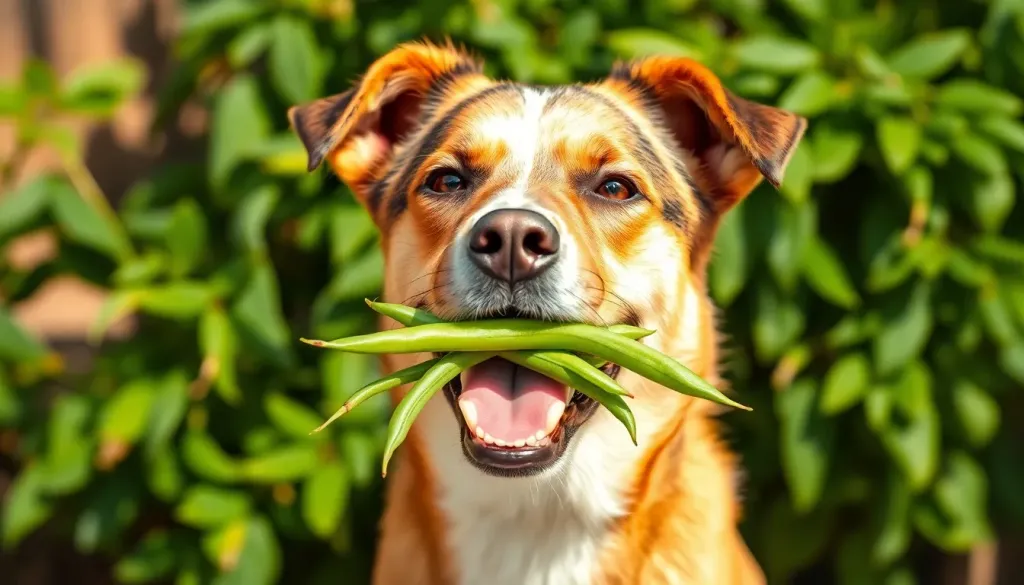
Yes, dogs can safely eat green beans as a healthy, low-calorie treat when they are plain and properly prepared. Green beans provide an excellent source of essential vitamins, minerals, and fiber that can support your dog’s overall health, weight management, and digestive function without introducing harmful ingredients.
Veterinary Disclaimer
Important Medical Notice: While this article provides evidence-based nutritional information about feeding green beans to dogs, it should not replace professional veterinary advice. Every dog has unique dietary requirements, underlying health conditions, and potential food sensitivities. Before making significant changes to your dog’s diet or introducing new foods—especially if your dog has gastrointestinal disorders, kidney disease, diabetes, or other medical conditions—please consult with a licensed veterinarian or board-certified veterinary nutritionist. This article is intended for educational purposes and represents general nutritional guidance based on current canine dietary science.
Comprehensive Nutritional Profile: What Makes Green Beans Beneficial for Dogs?
Green beans (Phaseolus vulgaris) represent an exceptional addition to a canine diet when used appropriately as a supplemental treat or vegetable component. According to the American Kennel Club (AKC), green beans are packed with essential nutrients that contribute to various physiological functions in dogs, from supporting immune response to maintaining metabolic homeostasis.
Vitamin Content and Physiological Functions
Green beans deliver a concentrated array of vitamins that play crucial roles in canine health:
| Vitamin | Primary Physiological Function | Specific Canine Health Benefits |
|---|---|---|
| Vitamin A | Supports retinal function, epithelial cell integrity, and immune response | Maintains healthy vision, particularly in low-light conditions; supports skin and coat health; enhances cellular communication throughout the body |
| Vitamin C | Functions as a water-soluble antioxidant; supports collagen synthesis | While dogs synthesize their own vitamin C, dietary supplementation may benefit senior dogs or those under stress; helps neutralize free radicals and supports immune system function |
| Vitamin K | Essential cofactor for clotting cascade proteins | Crucial for proper blood coagulation; supports bone mineralization and calcium regulation; prevents hemorrhagic disorders |
| Vitamin B6 (Pyridoxine) | Coenzyme in amino acid metabolism and neurotransmitter synthesis | Essential for normal growth and development; supports cognitive function; aids in red blood cell formation |
| Folate (Vitamin B9) | Critical for DNA synthesis and cellular division | Necessary for erythropoiesis (red blood cell production); particularly important during pregnancy and growth phases |
According to PetMD, these vitamins work synergistically to support multiple organ systems, making green beans a nutrient-dense food option that extends beyond simple caloric provision.
Mineral Composition and Metabolic Significance
The mineral profile of green beans contributes substantially to maintaining proper metabolic function and structural integrity:
| Mineral | Metabolic Role | Canine Health Applications |
|---|---|---|
| Calcium | Primary structural component of skeletal tissue | Strengthens bones and teeth; supports muscle contraction and nerve transmission; particularly beneficial for growing puppies and lactating females |
| Magnesium | Cofactor for over 300 enzymatic reactions | Contributes to energy metabolism, protein synthesis, and neuromuscular function; supports cardiovascular health |
| Potassium | Principal intracellular cation; maintains electrochemical gradients | Essential for proper cardiac function, nerve impulse transmission, and muscle contraction; helps regulate fluid balance |
| Manganese | Component of metalloenzymes involved in antioxidant defense | Supports skeletal development, wound healing processes, and carbohydrate metabolism; functions as part of superoxide dismutase (antioxidant enzyme) |
| Iron | Critical component of hemoglobin and myoglobin | Promotes oxygen transport throughout the body; prevents anemia; supports cellular respiration and energy production |
Can Dogs Eat Green Beans? Evidence-Based Health Benefits
Low-Calorie Nutritional Density for Weight Management
One of the most compelling reasons veterinary nutritionists recommend green beans involves their exceptional caloric efficiency. According to the American Kennel Club, green beans contain approximately 31 calories per cup (cooked), making them an ideal substitute for conventional high-calorie treats in weight management protocols.
The “Green Bean Diet” Phenomenon: Veterinarians frequently recommend what has colloquially become known as the “green bean diet” for overweight dogs. This approach involves replacing a portion (typically 10-25%) of the dog’s regular kibble with an equal volume of green beans, thereby reducing overall caloric intake while maintaining satiety through increased fiber content and physical stomach volume.
Key advantages for canine weight management:
- High satiety index: The combination of fiber and water content (approximately 90% water) helps dogs feel full without excessive caloric consumption
- Nutrient preservation: Unlike simple caloric restriction, incorporating green beans maintains essential vitamin and mineral intake
- Palatability: Most dogs find green beans acceptable or even enjoyable, improving dietary compliance
- Thermogenic effect: The low energy density means minimal metabolic energy is stored as adipose tissue
Fiber Content and Gastrointestinal Health Optimization
Green beans provide approximately 2.7-4 grams of dietary fiber per cup, consisting of both soluble and insoluble fiber fractions. This fiber content offers multiple benefits for the canine gastrointestinal tract:
Soluble fiber benefits:
- Forms gel-like substances in the digestive tract, slowing gastric emptying
- Supports beneficial gut microbiota populations (prebiotic effect)
- Helps regulate blood glucose levels by slowing carbohydrate absorption
- May assist in managing postprandial hyperglycemia in diabetic dogs (under veterinary supervision)
Insoluble fiber benefits:
- Increases fecal bulk and promotes regular peristaltic movement
- Prevents or alleviates constipation by mechanically stimulating intestinal motility
- Reduces gastrointestinal transit time, potentially decreasing exposure to potential carcinogens
- May help express anal glands naturally through firmer stool formation
According to PetMD, the fiber in green beans can be particularly beneficial for dogs with chronic constipation, though introduction must be gradual to prevent adverse reactions such as excessive flatulence or osmotic diarrhea.
Antioxidant Compounds and Cellular Protection
Beyond vitamins and minerals, green beans contain various phytochemical compounds that function as antioxidants in biological systems:
Primary antioxidant constituents:
- Carotenoids (beta-carotene, lutein): Protect against oxidative damage; support eye health
- Flavonoids (quercetin, kaempferol): Exhibit anti-inflammatory properties; may reduce cancer risk
- Chlorophyll: Provides additional antioxidant capacity; supports detoxification pathways
These antioxidants help neutralize reactive oxygen species (free radicals) that can damage cellular structures, including DNA, proteins, and lipid membranes. This protective mechanism may contribute to:
- Reduced risk of age-related cognitive dysfunction
- Decreased inflammatory responses in joints and tissues
- Lower oxidative stress in senior dogs or those with chronic conditions
- Potential cancer-preventive effects (though research in canines remains limited)
Hydration Support Through High Water Content
With approximately 90% water content, green beans contribute meaningfully to overall hydration status, particularly beneficial for:
- Dogs who consume primarily dry kibble diets
- Senior dogs who may have reduced thirst drive
- Hot weather conditions or post-exercise recovery
- Dogs with chronic kidney disease (under veterinary guidance, given mineral content)
Potential Risks and Contraindications: What Dog Owners Must Know
While green beans are generally recognized as safe for canine consumption, responsible pet ownership requires understanding potential adverse effects and risk mitigation strategies.
Digestive Upset and Gastrointestinal Disturbances
According to Chewy’s PetMD, the primary risk associated with feeding green beans involves gastrointestinal symptoms resulting from:
Excessive consumption or rapid dietary introduction:
- Flatulence (excessive gas production): Fermentation of oligosaccharides by intestinal bacteria
- Osmotic diarrhea: High fiber content draws water into the intestinal lumen if introduced too quickly
- Vomiting: May occur if large quantities are consumed rapidly
- Bloating and abdominal discomfort: Accumulation of gas in the gastrointestinal tract
Clinical management approach:
- Start with small quantities (2-3 small pieces for medium-sized dogs)
- Gradually increase over 7-10 days to allow gut microbiota adaptation
- Monitor stool consistency and frequency
- Reduce quantity if loose stools or excessive gas develops
- Discontinue and consult veterinarian if symptoms persist beyond 24-48 hours
Choking Hazards and Physical Obstruction Risks
Whole or improperly sized green beans present mechanical hazards, particularly for:
- Small breed dogs (under 20 pounds): Smaller esophageal diameter increases obstruction risk
- Brachycephalic breeds (Bulldogs, Pugs, Boston Terriers): Anatomical airway constraints
- Dogs who eat rapidly without adequate mastication
Risk mitigation protocol:
- Cut green beans into appropriately sized pieces (approximately 1-inch segments)
- For toy breeds, consider chopping into ½-inch or smaller pieces
- Remove fibrous strings that may be difficult to swallow
- Supervise consumption, especially during initial feedings
- Consider steaming or cooking to soften texture for senior dogs with dental issues
Toxic Additives and Preparation Hazards
Critical warning: Plain green beans are safe; however, common preparation methods introduce severe toxicity risks:
| Toxic Additive | Mechanism of Toxicity | Clinical Signs of Toxicosis |
|---|---|---|
| Garlic | Contains thiosulfates that cause oxidative damage to erythrocytes | Hemolytic anemia, weakness, pale gums, tachycardia, collapse; symptoms may appear 1-4 days post-ingestion |
| Onions | Similar thiosulfate-mediated oxidative injury | Heinz body anemia, red/brown urine, lethargy, vomiting, respiratory distress |
| Salt | Hypernatremia when consumed in excess | Excessive thirst, vomiting, diarrhea, tremors, seizures, potential sodium ion poisoning |
| Oils/Butter | Not toxic but adds unnecessary calories and may cause pancreatitis | Acute pancreatitis: severe abdominal pain, vomiting, anorexia, potential multi-organ failure |
| Xylitol (if present in sauces) | Causes rapid insulin release and hepatotoxicity | Hypoglycemia within 30 minutes, seizures, liver failure within 12-24 hours |
According to the American Kennel Club, even small amounts of garlic or onion can be harmful, with toxicosis dependent on dose and individual sensitivity. There is no safe level for these Allium family vegetables in canine diets.
Canned Green Beans: Sodium Considerations
Commercially canned green beans often contain added sodium (salt) for preservation and flavor enhancement:
Sodium content comparison:
- Fresh green beans: 6-7 mg sodium per cup
- Regular canned green beans: 300-400 mg sodium per cup
- “No salt added” canned varieties: 10-20 mg sodium per cup
Health implications of excessive sodium:
- Exacerbates pre-existing cardiac conditions
- May worsen hypertension in susceptible dogs
- Can stress renal function in dogs with kidney disease
- Contributes to fluid retention and edema
Safe usage of canned green beans:
- Select only “no salt added” or “low sodium” varieties
- Drain canning liquid completely
- Rinse thoroughly under running water for 30-60 seconds
- Limit frequency compared to fresh or frozen options
- Avoid entirely for dogs with diagnosed heart or kidney conditions unless approved by veterinarian
Safe Preparation Methods: Evidence-Based Serving Guide
Proper preparation maximizes nutritional availability while minimizing safety risks. The following protocols are based on recommendations from PetMD and veterinary nutritional science.
Step-by-Step Preparation Protocol
1. Selection and cleaning:
- Choose fresh green beans that are firm, bright green, and free from brown spots or wilting
- Wash thoroughly under running water to remove surface pesticide residues and soil contaminants
- For organic produce, washing remains important to remove natural soil bacteria
2. Trimming and sizing:
- Snap off stem ends (the small cap where the bean attached to the plant)
- Remove any fibrous strings running along the seam
- Cut into bite-sized pieces appropriate for your dog’s size:
- Toy breeds (under 10 lbs): ¼ to ½-inch pieces
- Small breeds (10-25 lbs): ½ to ¾-inch pieces
- Medium breeds (25-50 lbs): ¾ to 1-inch pieces
- Large breeds (50+ lbs): 1-inch pieces (may tolerate slightly larger)
3. Cooking methods (all salt-free and plain):
| Preparation Method | Duration | Nutritional Impact | Best Applications |
|---|---|---|---|
| Raw | None | Maximal enzyme and heat-sensitive vitamin retention | Dogs with healthy teeth; provides maximum crunch |
| Steaming | 5-7 minutes | Minimal nutrient loss; softens texture slightly | Excellent balance of nutrition and digestibility |
| Boiling | 5-10 minutes | Some water-soluble vitamin leaching into cooking water | Appropriate for dogs with sensitive stomachs |
| Roasting | 15-20 minutes at 400°F | Concentrates flavors; may reduce some vitamin C | Increases palatability for picky eaters |
| Dehydrated | Per dehydrator instructions | Concentrates nutrients but requires rehydration or careful portion control | Training treats; long-term storage |
| Frozen | None (served frozen) | Retains nutrients; provides cooling effect | Summer treats; teething puppies (supervision required) |
Critical rules for ALL preparation methods:
- NEVER add: salt, pepper, garlic, onion, butter, oils, seasonings, or spices
- Avoid: casseroles, green bean dishes prepared for human consumption
- Cool completely before serving if cooked (prevent oral burns)

Appropriate Portions and Feeding Guidelines: The 90/10 Rule
Caloric Distribution and the Treat Threshold
Veterinary nutritionists universally recommend that treats and supplemental foods should constitute no more than 10% of a dog’s total daily caloric intake, with the remaining 90% derived from nutritionally complete and balanced commercial dog food or properly formulated homemade diets.
Practical application for green beans:
| Dog Weight | Approximate Daily Caloric Needs* | Maximum Treat Calories (10%) | Approximate Green Bean Amount** |
|---|---|---|---|
| 10 lbs | 200-275 calories | 20-27 calories | ⅔ to 1 cup |
| 25 lbs | 400-550 calories | 40-55 calories | 1¼ to 1¾ cups |
| 50 lbs | 700-900 calories | 70-90 calories | 2¼ to 3 cups |
| 75 lbs | 900-1200 calories | 90-120 calories | 3 to 4 cups |
*Varies based on age, activity level, metabolism, and health status **Based on cooked green beans at approximately 31 calories per cup
Introduction Protocol for Novel Foods
When introducing green beans (or any new food) to your dog’s diet:
Days 1-3:
- Offer 1-2 small pieces (size-appropriate)
- Monitor for 24-48 hours for signs of digestive upset (vomiting, diarrhea, excessive gas)
- Observe for allergic reactions (rare but possible): itching, hives, facial swelling, difficulty breathing
Days 4-7:
- If no adverse reactions, increase to 3-5 pieces
- Continue monitoring stool consistency
- Note any changes in appetite or behavior
Days 8-14:
- Gradually increase to desired serving amount (within 10% caloric guideline)
- Establish feeding frequency (daily, every other day, or as occasional treat)
Special considerations for puppies:
- Wait until puppies reach at least 12 weeks of age before introducing non-puppy food items
- Offer only tiny amounts (1-2 very small pieces)
- Puppies require calorie-dense diets for growth; treats should be minimal
- Always prioritize nutritionally complete puppy food for proper development
Senior dogs and those with health conditions:
- Consult veterinarian before dietary additions if dog has:
- Diabetes (fiber affects glucose metabolism)
- Kidney disease (mineral content considerations)
- Inflammatory bowel disease (fiber may exacerbate symptoms)
- History of pancreatitis (any dietary change requires caution)
- Food allergies or sensitivities
Green Beans in Therapeutic Diets: Clinical Applications
Weight Reduction Protocols
Obesity affects approximately 56% of dogs in the United States (Association for Pet Obesity Prevention data), making weight management a critical health concern. Green beans serve as an evidence-supported component of veterinary weight loss programs.
The modified “green bean diet” approach:
- Calculate dog’s ideal body weight (veterinarian assessment required)
- Determine target daily caloric intake for gradual weight loss (typically 70-80% of maintenance calories)
- Replace 10-25% of regular food volume with equal volume of green beans
- Maintain adequate protein intake to preserve lean muscle mass
- Monitor weight weekly, adjusting protocol based on loss rate (target: 1-2% body weight per week)
Clinical advantages:
- Provides satiety while reducing caloric density
- Maintains feeding routine (prevents behavioral stress)
- Supplies essential micronutrients during caloric restriction
- Increases meal volume without caloric increase
Contraindications:
- Should not be sole dietary intervention without veterinary supervision
- Not appropriate for rapid weight loss needs (surgical candidates)
- Must be combined with increased physical activity when possible
Digestive Disorder Management
For dogs experiencing certain gastrointestinal issues, green beans may offer therapeutic benefits:
Chronic constipation:
- Insoluble fiber increases fecal bulk and stimulates peristalsis
- Typically requires 3-7 days of consistent feeding to observe effects
- Should be combined with adequate hydration
- May reduce need for pharmaceutical laxatives in mild cases
Anal gland expression issues:
- Firmer stools from increased fiber can naturally express anal glands during defecation
- May reduce frequency of manual expression or gland impaction
- Particularly beneficial for small breeds prone to anal gland problems
Diabetes mellitus support:
- Fiber slows glucose absorption, potentially reducing postprandial blood glucose spikes
- Must be implemented under strict veterinary supervision
- Requires insulin dose adjustments in many cases
- Should be part of comprehensive diabetic management plan
Frequently Asked Questions: Expert Answers to Common Concerns
Can Dogs Eat Raw Green Beans Safely?
Yes, raw green beans are completely safe for dogs and may offer certain advantages over cooked varieties. Raw green beans retain maximum levels of heat-sensitive nutrients, particularly vitamin C and certain B vitamins that degrade during cooking processes. Additionally, the firm, crunchy texture of raw green beans can provide mechanical dental benefits by helping to scrape away plaque and tartar accumulation during chewing.
However, raw green beans require more vigorous chewing and may be more difficult for some dogs to digest compared to cooked varieties. According to PetMD, dogs with dental disease, missing teeth, or sensitive stomachs may benefit more from lightly steamed green beans that are easier to masticate and digest. Senior dogs or those with compromised digestive function should start with cooked green beans to minimize gastrointestinal stress.
Best practices for feeding raw green beans:
- Wash extremely thoroughly to remove potential pathogenic bacteria and pesticide residues
- Cut into appropriate sizes (never feed whole to prevent choking)
- Introduce gradually, as the firm texture and higher fiber content may initially cause increased flatulence
- Monitor for any signs of difficulty chewing or digestive discomfort
- Store properly in refrigerator and use within 5-7 days of purchase
How Many Green Beans Can I Give My Dog Daily?
The appropriate quantity of green beans depends on multiple factors including your dog’s size, weight, overall caloric needs, and whether the green beans are being used as occasional treats or as part of a weight management program.
For occasional treats or dietary supplementation: Follow the 10% rule strictly—green beans should not exceed 10% of total daily calories. For a 50-pound dog with approximately 800 daily caloric needs, this translates to roughly 80 treat calories, or approximately 2.5 cups of cooked green beans. However, most veterinary nutritionists recommend staying well below this maximum to allow variety in treats and prevent overconsumption of any single food item.
Practical daily recommendations:
- Small dogs (10-20 lbs): ¼ to ½ cup
- Medium dogs (20-50 lbs): ½ to 1 cup
- Large dogs (50-90 lbs): 1 to 2 cups
- Giant breeds (90+ lbs): 1.5 to 2.5 cups
For weight management protocols: Under veterinary supervision, green beans may constitute 10-25% of meal volume, but this requires professional calculation to ensure nutritional adequacy. The American Kennel Club emphasizes that weight loss diets must maintain adequate protein, essential fatty acids, vitamins, and minerals—requirements that green beans alone cannot fulfill.
Warning signs of excessive consumption:
- Frequent, loose stools or diarrhea
- Excessive flatulence causing discomfort
- Reduced appetite for regular food
- Visible abdominal distension or bloating
- Changes in behavior (lethargy, discomfort)
If any of these symptoms occur, immediately reduce or discontinue green bean feeding and consult your veterinarian.
Are Frozen or Canned Green Beans as Healthy as Fresh?
Frozen green beans are nutritionally equivalent (or sometimes superior) to fresh green beans and represent an excellent, convenient option for dog owners. The flash-freezing process used for commercial frozen vegetables occurs rapidly after harvest, locking in nutrients at peak levels. In some cases, frozen green beans may actually contain higher vitamin content than “fresh” beans that have spent days in transportation and storage before consumption.
Advantages of frozen green beans:
- Year-round availability regardless of growing season
- Pre-washed and ready to use
- No pesticide residue concerns (blanching process before freezing removes most residues)
- Long storage life (8-12 months in freezer)
- Can be served frozen as a cooling summer treat (supervise for choking)
- Generally less expensive than fresh out-of-season
Important considerations for frozen varieties:
- Select plain frozen green beans only—avoid vegetable medleys or seasoned varieties
- Check ingredient label: should list only “green beans” with no added salt, butter, or sauces
- Never feed green beans frozen in butter sauce, garlic seasoning, or cheese sauce
- Allow to thaw slightly if serving to reduce choking risk (or cut while frozen)
Canned green beans present more concerns due to added sodium in most commercial preparations. Regular canned green beans contain 300-400 mg of sodium per cup—approximately 50-60 times more than fresh green beans. This sodium content poses risks for dogs with cardiac disease, hypertension, or kidney conditions.
If using canned green beans:
- Choose only “no salt added” or “low sodium” varieties
- Drain the canning liquid completely (discard, do not feed)
- Rinse thoroughly under running water for at least 30-60 seconds
- Even after rinsing, canned beans retain more sodium than fresh or frozen options
- Use canned beans only occasionally, not as primary green bean source
- According to Chewy’s PetMD, fresh or frozen should always be preferred when available
Nutritional comparison summary:
| Form | Vitamin Retention | Sodium Content | Convenience | Best Use |
|---|---|---|---|---|
| Fresh | Excellent (if used quickly) | Minimal (6-7 mg/cup) | Requires washing/cutting | Daily feeding; maximum nutrition |
| Frozen | Excellent | Minimal (similar to fresh) | High (ready to use) | Daily feeding; year-round option |
| Canned (no salt) | Good | Moderate (10-30 mg/cup) | Highest | Occasional use only |
| Canned (regular) | Good | Excessive (300-400 mg/cup) | High | Avoid or use rarely with thorough rinsing |
Conclusion: Green Beans as Part of Complete Canine Nutrition
Green beans represent one of the safest, most nutritionally beneficial vegetables available for canine supplementation. Their exceptional combination of essential vitamins (A, C, K, B6, and folate), vital minerals (calcium, magnesium, potassium, manganese, and iron), low caloric density, and high fiber content makes them an ideal treat for dogs across various life stages and health conditions.
Key takeaways for responsible feeding:
✓ Always serve plain—no salt, seasonings, garlic, onions, or oils ✓ Follow the 90/10 rule—treats including green beans should not exceed 10% of daily calories ✓ Introduce gradually to prevent digestive upset and allow microbiota adaptation ✓ Cut appropriately to size and breed to prevent choking hazards ✓ Choose fresh or frozen preferentially over canned varieties ✓ Monitor your individual dog for any adverse reactions or sensitivities ✓ Consult your veterinarian before using green beans therapeutically or for dogs with health conditions
When incorporated thoughtfully into a balanced, species-appropriate diet, green beans can contribute meaningfully to your dog’s nutritional wellness, weight management, digestive health, and overall quality of life. However, they should always complement—never replace—a nutritionally complete and balanced commercial dog food or properly formulated homemade diet supervised by a veterinary nutritionist.
Final clinical recommendation: While green beans are remarkably safe and beneficial for the vast majority of dogs, individual variation in tolerance, metabolism, and health status means that what works well for one dog may not suit another. Always prioritize your specific dog’s needs, observe carefully for any changes in health or behavior, and maintain open communication with your veterinary healthcare team when making dietary modifications.
The evidence overwhelmingly supports green beans as a valuable addition to the canine diet—one that can enhance nutrition, support healthy weight, promote digestive function, and provide a satisfying, low-calorie treat that dogs genuinely enjoy.