Can Dogs Eat Kefir? Benefits & Safe Feeding

Yes, dogs can safely eat plain, unsweetened kefir in moderation, and it offers significant health benefits as a probiotic-rich food that supports digestive health and immune function. This fermented dairy product contains beneficial bacteria and yeasts that promote a healthy gut microbiome, making it a valuable nutritional supplement when introduced properly.
⚕️ Veterinary Disclaimer
This article provides educational information based on current research and expert sources. However, every dog has unique health needs, and individual reactions to new foods can vary. Always consult your veterinarian before introducing kefir or any new dietary supplement to your dog’s diet, particularly if your pet has pre-existing health conditions, food sensitivities, or is currently taking medications. The information presented here is not a substitute for professional veterinary advice, diagnosis, or treatment.
What Is Kefir and Why Consider It for Dogs?
Kefir is a fermented milk beverage that originated in the Caucasus Mountains and has been consumed for centuries due to its probiotic properties. The fermentation process involves kefir grains—a symbiotic culture of bacteria and yeasts—which transform milk into a tangy, yogurt-like drink rich in beneficial microorganisms.
For canine companions, kefir represents one of the most diverse probiotic sources available. Unlike standard yogurt, which typically contains a handful of bacterial strains, kefir can contain up to 61 different strains of beneficial bacteria and yeasts. This exceptional microbial diversity makes it particularly effective at supporting digestive health and overall wellness in dogs.
The fermentation process significantly reduces the lactose content in kefir compared to regular milk, making it more digestible for many dogs who may otherwise struggle with dairy products. Additionally, kefir provides essential nutrients including protein, calcium, magnesium, potassium, and vitamins K, B12, B2 (riboflavin), A, and D.

Can Dogs Eat Kefir? Understanding Safety and Digestibility
Yes, dogs can eat kefir safely when certain conditions are met. The key factors determining whether kefir is appropriate for an individual dog include the type of kefir offered, the dog’s lactose tolerance, portion size, and any underlying health conditions.
Lactose Considerations
While kefir undergoes fermentation that breaks down much of the lactose naturally present in milk, some dogs with severe lactose intolerance may still experience digestive discomfort. The beneficial bacteria in kefir produce lactase—the enzyme that breaks down lactose—which aids in digestion. However, dogs with confirmed dairy allergies or extreme lactose sensitivity should avoid dairy-based kefir entirely.
For these dogs, non-dairy alternatives such as coconut kefir or water kefir provide similar probiotic benefits without the dairy component. Goat milk kefir is also frequently recommended because goat milk contains less lactose than cow’s milk and features smaller fat globules that are easier for dogs to digest.
Types of Kefir Suitable for Dogs
Not all kefir products are created equal when it comes to canine consumption:
Safe Options:
- Plain, unsweetened cow’s milk kefir
- Goat milk kefir (preferred for easier digestion)
- Coconut milk kefir (dairy-free option)
- Water kefir (dairy-free, lower calorie)
Unsafe Options:
- Flavored kefir with added fruits or sweeteners
- Kefir containing xylitol or artificial sweeteners
- Kefir with added sugars or syrups
- Kefir containing chocolate, grapes, or other toxic ingredients
Health Benefits of Kefir for Dogs
The probiotic content and nutritional profile of kefir offer numerous evidence-based health advantages for canine companions. According to veterinary nutritionists and research into gut health, these benefits stem from kefir’s ability to positively influence the intestinal microbiome.
Improved Digestive Function
Kefir’s primary benefit lies in its exceptional probiotic content. The diverse array of beneficial bacteria and yeasts helps establish and maintain a balanced gut microbiome, which is fundamental to proper digestion. Dogs experiencing common digestive complaints may find relief through regular kefir consumption:
- Gas and bloating reduction: Beneficial bacteria help break down food more efficiently
- Diarrhea management: Probiotics restore bacterial balance disrupted by illness or stress
- Constipation relief: Improved gut motility through enhanced microbial activity
- Post-antibiotic recovery: Replenishes beneficial bacteria destroyed during antibiotic treatment
- Enhanced nutrient absorption: Healthy gut flora improves the extraction of nutrients from food
Immune System Support
The connection between gut health and immune function is well-established in veterinary science. Approximately 70% of a dog’s immune system resides in the gastrointestinal tract, making gut health crucial for overall immunity. The probiotics in kefir help strengthen the intestinal barrier, preventing harmful pathogens from entering the bloodstream while promoting the production of antibodies and immune cells.
Regular consumption of probiotic-rich foods like kefir may help dogs better resist infections, recover more quickly from illness, and maintain stronger natural defenses against disease.
Skin and Coat Health
The vitamins, minerals, and probiotics found in kefir contribute to visible improvements in skin condition and coat quality. Dogs suffering from dry, flaky skin or dull coats may benefit from the following kefir-derived nutrients:
| Nutrient | Benefit for Skin & Coat |
|---|---|
| Vitamin B2 (Riboflavin) | Supports cellular regeneration and skin health |
| Vitamin A | Maintains skin integrity and promotes healthy sebum production |
| Protein | Provides building blocks for hair growth and skin repair |
| Probiotics | Reduces inflammation that can manifest as skin irritation |
Natural Antifungal and Antibacterial Properties
Kefir possesses inherent antimicrobial properties that help maintain a healthy balance of microorganisms in the digestive tract. The beneficial bacteria and yeasts in kefir produce compounds that inhibit the growth of harmful bacteria and pathogenic yeasts, including those that cause yeast infections in dogs.
This natural defense mechanism helps prevent overgrowth of problematic organisms like Candida and harmful E. coli strains, contributing to overall digestive health and reducing the risk of opportunistic infections.
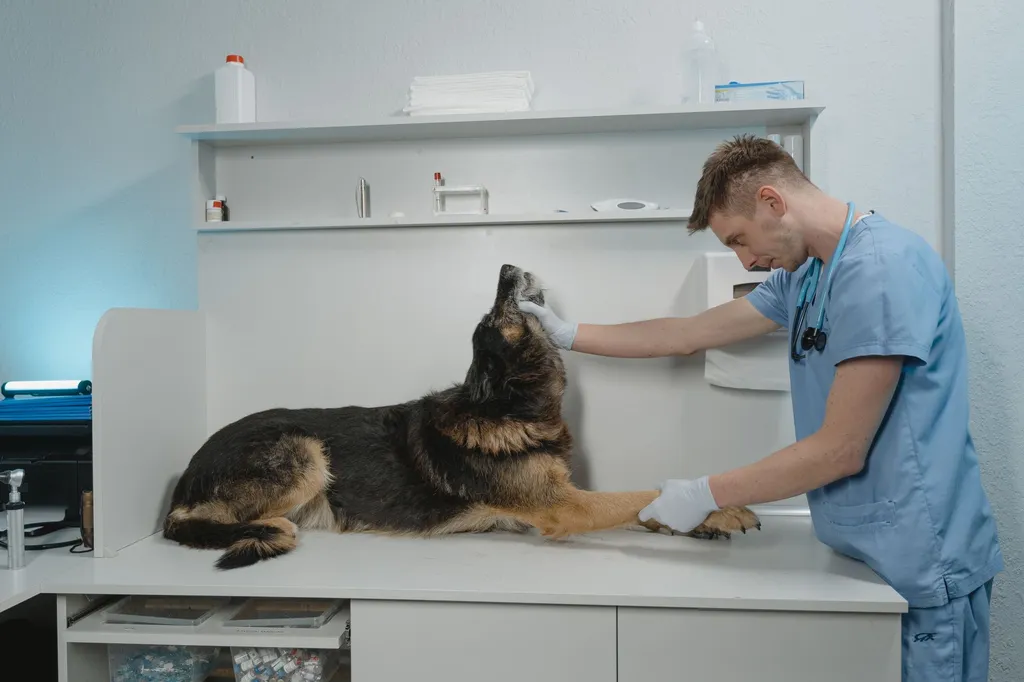
Allergy and Inflammation Reduction
Dogs suffering from environmental or food allergies may experience symptomatic relief through regular probiotic supplementation. Research suggests that probiotics can modulate immune responses, potentially reducing the severity of allergic reactions and decreasing chronic inflammation throughout the body.
The anti-inflammatory properties of kefir extend beyond allergy management, potentially benefiting dogs with inflammatory conditions such as arthritis or inflammatory bowel disease (IBD), though veterinary supervision is essential for managing these conditions.
Weight Management Support
Healthy digestion and a balanced gut microbiome play crucial roles in metabolism and weight regulation. Kefir supports weight management through several mechanisms:
- Enhanced nutrient absorption reduces the need for excessive food intake
- Improved metabolism helps the body utilize calories more efficiently
- Probiotic bacteria may influence appetite-regulating hormones
- Better digestion prevents bloating that can lead to discomfort and overeating
Dental Health Benefits
While not a substitute for proper dental care, the enzymes present in kefir can assist in breaking down plaque formation and may contribute to fresher breath. The antimicrobial properties help reduce harmful oral bacteria that contribute to periodontal disease, though regular tooth brushing and veterinary dental care remain essential.
Comprehensive Nutritional Profile of Kefir
Understanding kefir’s nutritional composition helps illustrate why it offers such diverse health benefits for dogs:
| Nutrient | Presence in Kefir | Canine Health Benefit |
|---|---|---|
| Probiotics | Up to 61 strains of beneficial bacteria and yeasts | Gut health, immune function, digestion |
| Protein | High-quality, easily digestible protein | Muscle maintenance, cellular repair |
| Calcium | Abundant | Bone and tooth health, nerve function |
| Magnesium | Significant amounts | Muscle function, energy production |
| Potassium | Present | Heart health, fluid balance |
| Vitamin K | Good source | Blood clotting, bone metabolism |
| Vitamin B12 | Excellent source | Nervous system function, red blood cell formation |
| Vitamin B2 | Rich content | Energy metabolism, skin health |
| Vitamin A | Present | Vision, immune function, skin health |
| Vitamin D | Contains | Calcium absorption, bone health |
Potential Risks and Concerns When Feeding Kefir to Dogs
Despite its numerous benefits, kefir carries potential risks that responsible pet owners must understand and mitigate through proper selection and portion control.
Digestive Upset from Improper Introduction
The most common issue dogs experience with kefir stems from introducing it too quickly or in excessive amounts. The high concentration of probiotics, while beneficial, can overwhelm a dog’s digestive system if not introduced gradually. Symptoms of too-rapid introduction include:
- Gas and flatulence
- Bloating and abdominal discomfort
- Diarrhea or loose stools
- Vomiting (in severe cases)
- General digestive distress
These symptoms typically resolve once the digestive system adjusts to the new probiotic load, but they can be avoided through slow, gradual introduction.
Lactose Intolerance and Dairy Sensitivity
Although kefir contains significantly less lactose than regular milk due to bacterial fermentation, dogs with severe lactose intolerance may still react negatively. Signs of lactose intolerance in dogs include:
- Diarrhea within hours of consumption
- Excessive gas
- Abdominal cramping or discomfort
- Nausea or vomiting
Dogs with confirmed dairy allergies—distinguished from lactose intolerance by immune system involvement—should avoid all dairy-based kefir products entirely.
Toxic Ingredients in Commercial Kefir Products
The greatest danger lies not in kefir itself but in the additives found in many commercial products marketed for human consumption. Pet owners must carefully scrutinize ingredient labels:
Xylitol Toxicity
Xylitol, an artificial sweetener found in some flavored kefir products, is extremely toxic to dogs. Even small amounts can cause:
- Rapid drop in blood sugar (hypoglycemia) within 10-60 minutes
- Weakness, lethargy, or collapse
- Seizures
- Acute liver failure
- Death if untreated
Xylitol poisoning constitutes a veterinary emergency requiring immediate professional intervention.
Added Sugars and Sweeteners
Non-toxic sweeteners still pose health risks for dogs:
- Contribute to obesity and weight gain
- Increase risk of diabetes
- Cause dental decay and periodontal disease
- Stress the pancreas
- Provide empty calories without nutritional benefit
Artificial Flavors and Preservatives
Chemical additives in flavored kefir products may cause:
- Allergic reactions
- Digestive upset
- Long-term health concerns from regular exposure to artificial ingredients
Contraindications for Specific Health Conditions
Certain medical conditions make kefir consumption inadvisable or require veterinary supervision:
Pancreatitis: Dogs with current or previous pancreatitis should avoid kefir due to its fat content, which can trigger pancreatic inflammation.
Kidney Disease: The protein and mineral content in kefir may not be appropriate for dogs with compromised kidney function, as these nutrients require careful management.
Immunocompromised Dogs: While probiotics generally support immune health, dogs with severely compromised immune systems may be at risk for probiotic-related infections and should only receive supplements under veterinary guidance.
Dairy Allergies: Complete avoidance is necessary for dogs with confirmed dairy protein allergies.
Choking Hazards
Plain liquid kefir presents no choking risk. However, flavored kefir products containing fruit chunks could pose a choking hazard, particularly for small breed dogs or those who gulp food quickly. Additionally, some fruits commonly added to flavored kefir (such as grapes or raisins) are toxic to dogs.
How to Safely Introduce and Serve Kefir to Dogs
Proper introduction and serving practices maximize benefits while minimizing potential adverse reactions.
Selecting the Right Kefir Product
Always choose plain, unsweetened, unflavored kefir for dogs. When shopping for kefir, follow these guidelines:
- Read ingredient labels carefully: The only ingredients should be milk (cow, goat, or non-dairy alternative) and live active cultures
- Verify absence of sweeteners: Check for xylitol, sugar, honey, agave, or artificial sweeteners
- Confirm live cultures: Look for products labeled with “live and active cultures”
- Consider goat milk kefir: Often easier to digest due to lower lactose content and smaller fat molecules
- Explore non-dairy options: Coconut or water kefir for lactose-intolerant dogs
Gradual Introduction Protocol
The single most important factor in successful kefir introduction is gradual implementation. Follow this step-by-step protocol:
Week 1 (Days 1-3):
- Start with ¼ to ½ teaspoon regardless of dog size
- Offer once daily, preferably with a meal
- Observe for any digestive changes or adverse reactions
Week 1 (Days 4-7):
- If no adverse reactions occur, increase to 1 teaspoon
- Continue once daily administration
- Monitor stool consistency and overall demeanor
Week 2:
- Gradually increase toward the recommended maintenance dose for your dog’s size
- Increase incrementally every 2-3 days
- Watch for any signs of digestive upset
Maintenance:
- Once full dose is reached and well-tolerated, continue daily or several times weekly
- Adjust portions if any digestive changes occur
Recommended Serving Sizes by Dog Weight
Appropriate portions vary based on body size and individual tolerance. These guidelines represent safe daily maximum amounts for dogs who have been properly introduced to kefir:
| Dog Size Category | Weight Range | Daily Serving |
|---|---|---|
| Small Dogs | Under 10 kg (22 lbs) | 1 teaspoon to 1 tablespoon |
| Medium Dogs | 10-25 kg (22-55 lbs) | 1-2 tablespoons |
| Large Dogs | Over 25 kg (55+ lbs) | 2-3 tablespoons |
Alternative weight-based calculation: 1 to 2 teaspoons per 15 pounds (7 kg) of body weight
Examples:
- 16-pound dog: 1-2 teaspoons daily
- 30-pound dog: 2-4 teaspoons daily
- 80-pound dog: 5-6 teaspoons (approximately 2-3 tablespoons) daily
Creative Serving Methods
Kefir’s versatility allows for various serving approaches that can enhance mealtime enjoyment:
Direct Addition to Food:
- Drizzle over regular kibble or wet food
- Mix thoroughly with meals for picky eaters
- Combine with other dog-safe supplements
Standalone Treat:
- Offer in a separate bowl as a special snack
- Serve between meals for maximum probiotic benefit
- Use as a training reward for dogs who enjoy the taste
Enrichment Activities:
- Fill puzzle toys or Kong-type toys with kefir
- Freeze kefir-filled toys for extended engagement and cooling treat
- Mix with dog-safe fruits (like blueberries or banana) and freeze in ice cube trays for portion-controlled frozen treats
- Spread small amounts on lick mats to provide calming enrichment activity
Frequency and Timing
Daily supplementation: Most dogs benefit from daily kefir consumption, particularly those with digestive issues or recovering from illness.
Several times weekly: For general health maintenance, 3-5 times weekly may be sufficient.
Timing considerations: Kefir can be offered at any time, but some veterinarians recommend serving it with meals to enhance nutrient absorption and reduce the chance of digestive upset on an empty stomach.
Storage and Freshness
Proper storage maintains kefir’s probiotic potency and prevents spoilage:
- Keep refrigerated at all times when not in use
- Use within 7-10 days of opening
- Check expiration dates before purchasing
- Discard if unusual odor, separation beyond normal whey separation, or mold appears
- Never leave kefir at room temperature for extended periods
Special Considerations for Different Life Stages
Kefir requirements and appropriateness vary across a dog’s lifespan.
Puppies
Puppies can benefit from kefir’s probiotics, particularly during weaning and dietary transitions. However, their developing digestive systems require extra caution:
- Consult a veterinarian before introducing kefir to puppies under 12 weeks
- Use smaller portions (½ teaspoon or less to start)
- Introduce only after successfully transitioning to solid food
- Monitor closely for any adverse reactions
- Consider goat milk kefir for gentler introduction
Adult Dogs
Healthy adult dogs typically tolerate kefir well and experience the full range of benefits. Standard serving guidelines apply, with adjustments based on individual tolerance and health status.
Senior Dogs
Older dogs often derive particular benefit from kefir’s probiotic content, as aging can compromise digestive efficiency and immune function. Considerations for senior dogs include:
- May require longer introduction periods due to sensitive systems
- Particularly beneficial for seniors on antibiotics or with digestive decline
- Supports nutrient absorption that may decrease with age
- Monitor for interactions with medications or age-related health conditions
- Consult veterinarian for dogs with kidney disease, diabetes, or other chronic conditions
Pregnant or Nursing Dogs
Pregnant and lactating dogs have increased nutritional demands. Kefir can provide valuable probiotics and nutrients during these demanding periods, but veterinary consultation is essential to ensure it fits appropriately within the overall dietary plan and doesn’t interfere with specialized pregnancy or nursing diets.
Kefir for Dogs with Specific Health Conditions
Probiotics show promise for managing various canine health issues, though veterinary oversight remains crucial.
Dogs with Inflammatory Bowel Disease (IBD)
Probiotic supplementation may help manage IBD symptoms by reducing intestinal inflammation and restoring healthy gut flora balance. However, dogs with IBD require comprehensive veterinary management, and kefir should only be introduced as part of a complete treatment plan.
Dogs on Antibiotics
Antibiotics destroy beneficial gut bacteria along with harmful pathogens. Kefir serves as an excellent probiotic source to restore healthy gut flora during and after antibiotic treatment, helping to prevent antibiotic-associated diarrhea and supporting faster recovery. Many veterinarians recommend administering probiotics at least 2 hours apart from antibiotic doses to maximize effectiveness.
Dogs with Yeast Infections
The antifungal properties and beneficial bacteria in kefir may help combat recurrent yeast infections, particularly those affecting the ears, skin, or digestive tract. Kefir’s probiotics compete with pathogenic yeasts for resources and produce compounds that inhibit yeast overgrowth.
Anxious or Stressed Dogs
Emerging research into the gut-brain axis suggests that gut health influences mood and stress responses. Some dogs with anxiety may benefit from probiotics’ potential mood-stabilizing effects, though this should complement, not replace, behavioral modification and veterinary treatment for anxiety disorders.
Homemade Kefir vs. Store-Bought Options
Pet owners can choose between purchasing commercial kefir or creating homemade versions using kefir grains.
Benefits of Homemade Kefir
- Complete control over ingredients: Ensures no additives or sweeteners
- Cost-effective: Once kefir grains are obtained, ongoing costs include only milk
- Freshness guarantee: Maximum probiotic potency from fresh fermentation
- Customization: Can choose specific milk types (goat, coconut, etc.)
Challenges of Homemade Kefir
- Time investment: Requires daily attention and maintenance of kefir grains
- Learning curve: Proper fermentation technique must be learned
- Contamination risk: Improper handling can introduce harmful bacteria
- Consistency variation: Probiotic content may vary between batches
Store-Bought Kefir Advantages
- Convenience: Ready to serve immediately
- Consistent quality: Commercial products offer standardized probiotic counts
- Food safety: Professional production follows strict safety protocols
- Variety: Multiple milk base options readily available
Making an Informed Choice
For most pet owners, high-quality commercial plain kefir provides the optimal balance of convenience, safety, and nutritional benefit. Those experienced with fermentation and seeking maximum cost-effectiveness may prefer homemade options, provided they maintain strict hygiene standards.
Comparing Kefir to Other Probiotic Sources for Dogs
Pet owners have multiple options for providing probiotic supplementation. Understanding how kefir compares helps inform dietary decisions.
| Probiotic Source | Strain Diversity | Additional Nutrients | Ease of Use | Cost-Effectiveness |
|---|---|---|---|---|
| Kefir | Excellent (up to 61 strains) | High (vitamins, minerals, protein) | Very easy | Moderate to high |
| Plain Yogurt | Moderate (5-10 strains) | Good (protein, calcium) | Very easy | High |
| Probiotic Supplements | Variable (check labels) | Minimal (focused on probiotics) | Easy | Low to moderate |
| Fermented Vegetables | Moderate | Good (fiber, vitamins) | Moderate (preparation needed) | High |
| Probiotic Dog Foods | Low to moderate | Complete nutrition | Very easy | Low |
Kefir’s advantage lies in its exceptional strain diversity combined with significant nutritional value, making it both a probiotic supplement and a nutrient source in a single food.
Signs Your Dog Is Benefiting from Kefir
Positive responses to kefir supplementation typically manifest within 2-4 weeks of consistent use:
Digestive Improvements:
- More regular, well-formed stools
- Reduced gas and bloating
- Decreased frequency of digestive upset
- Improved appetite and eating behavior
Overall Health Indicators:
- Shinier, healthier coat
- Reduced skin irritation or itching
- Increased energy and vitality
- Better breath (reduced halitosis)
- Stronger immune response (fewer illnesses)
Behavioral Changes:
- Reduced symptoms of food-related anxiety
- Improved comfort after meals (less restlessness)
- Better overall demeanor and mood
When to Discontinue Kefir or Seek Veterinary Advice
Despite kefir’s generally safe profile, certain situations warrant discontinuation or professional consultation:
Immediate discontinuation if:
- Severe diarrhea or vomiting occurs
- Allergic reactions develop (swelling, hives, difficulty breathing)
- Dog shows signs of abdominal pain or distress
- Any symptoms of toxicity appear (if wrong product accidentally given)
Veterinary consultation needed for:
- Persistent mild digestive upset beyond one week
- Dogs with pre-existing health conditions before starting kefir
- Uncertainty about appropriate serving sizes
- Questions about interactions with current medications
- Desire to use kefir therapeutically for specific health issues
- Changes in health status while consuming kefir regularly
Frequently Asked Questions About Kefir for Dogs
How long does it take for kefir to improve my dog’s digestion?
Most dogs show initial improvements in digestive function within 5-7 days of starting kefir supplementation, with more substantial benefits becoming apparent after 2-4 weeks of consistent use. The timeline varies based on the severity of digestive issues, the dog’s overall health, and whether kefir is being used preventatively or therapeutically. Dogs recovering from antibiotic treatment may experience faster restoration of gut health, sometimes within 3-5 days, while dogs with chronic digestive conditions may require several weeks to months of consistent supplementation before significant improvements occur. Patience and consistency are essential, as the beneficial bacteria need time to colonize the intestinal tract and establish a healthy microbiome balance. If no improvement is observed after 4-6 weeks, or if symptoms worsen at any point, veterinary consultation is recommended to rule out underlying conditions requiring different interventions.
Can I give my dog kefir every day?
Yes, daily kefir consumption is generally safe and often beneficial for most dogs when given in appropriate portions. Many veterinarians recommend daily probiotic supplementation for optimal gut health maintenance, particularly for dogs with sensitive stomachs, those prone to digestive issues, or seniors with declining digestive efficiency. However, some dogs may only require kefir several times weekly for general health maintenance rather than therapeutic purposes. The key factors determining daily appropriateness include the dog’s individual tolerance, health status, and specific needs. Dogs with certain medical conditions such as pancreatitis or severe dairy sensitivity should not receive daily kefir without veterinary approval. For healthy dogs, daily administration in recommended portions poses no health risks and supports consistent probiotic colonization of the gut. If feeding kefir daily, ensure it fits within the dog’s overall caloric intake to prevent weight gain, particularly in small breeds or less active dogs where even small amounts of additional calories can accumulate over time.
Is goat milk kefir better than cow milk kefir for dogs?
Goat milk kefir is often considered superior for dogs due to its enhanced digestibility and lower lactose content compared to cow milk kefir. The fat globules in goat milk are significantly smaller than those in cow’s milk, making them easier for canine digestive systems to break down and absorb. Additionally, goat milk contains slightly less lactose than cow’s milk, and the specific protein structure differs in ways that many dogs tolerate better, particularly those with mild dairy sensitivities. The mineral composition of goat milk also more closely resembles dog’s milk than cow’s milk does, which may contribute to better overall tolerance. However, for dogs without dairy sensitivities, both types provide excellent probiotic benefits and nutritional value. The choice between goat and cow milk kefir often comes down to individual tolerance, availability, and cost considerations, as goat milk kefir typically costs more than cow milk varieties. For dogs with confirmed lactose intolerance or dairy sensitivity, non-dairy options like coconut kefir or water kefir eliminate dairy concerns entirely while still providing probiotic benefits, though the nutritional profile differs from milk-based versions.
Can puppies have kefir, and at what age should I start?
Puppies can safely consume kefir, but the appropriate starting age and introduction method depend on the individual puppy’s development and weaning status. Most veterinarians recommend waiting until puppies are fully weaned and successfully transitioned to solid food, typically around 8-12 weeks of age, before introducing any new foods including kefir. Younger puppies still nursing or in early weaning stages have developing digestive systems that may not handle new foods well, and their nutritional needs are best met through mother’s milk or appropriate puppy formula. When introducing kefir to puppies, use even smaller starting portions than recommended for adult dogs—beginning with just a few drops to ¼ teaspoon—and extend the gradual introduction period over 2-3 weeks rather than one week. Goat milk kefir or non-dairy alternatives may be gentler choices for first introduction. Kefir can be particularly beneficial for puppies during dietary transitions, after deworming treatments, or if experiencing minor digestive upset during the stressful early weeks in a new home. However, always consult with a veterinarian before adding kefir to a puppy’s diet to ensure it complements rather than disrupts the carefully balanced nutrition puppies require for proper growth and development.
What should I do if my dog has diarrhea after eating kefir?
If your dog develops diarrhea after consuming kefir, immediately discontinue feeding it and assess the severity of symptoms. Mild, transient loose stools on the first day of introduction often indicate the digestive system is adjusting to the new probiotic load and may resolve on their own within 24 hours. In such cases, wait until stools normalize completely, then restart kefir introduction at an even smaller amount—perhaps half the original starting dose—and progress more slowly. Ensure the dog has access to fresh water to prevent dehydration, and monitor closely for worsening symptoms. However, if diarrhea is severe, persistent beyond 24 hours, contains blood or mucus, or is accompanied by vomiting, lethargy, loss of appetite, or signs of abdominal pain, contact your veterinarian promptly as these symptoms may indicate a more serious issue unrelated to kefir or an allergic reaction requiring medical intervention. When reintroducing kefir after diarrhea resolves, consider switching from cow milk kefir to goat milk or non-dairy kefir, as the original product may have contained too much lactose for your dog’s tolerance level. Some dogs simply cannot tolerate dairy-based probiotics and may require alternative probiotic sources such as supplements specifically formulated for canines or fermented vegetables instead.
Can kefir help with my dog’s yeast infection?
Kefir may help manage and prevent yeast infections in dogs due to its natural antifungal properties and beneficial probiotic content that helps restore microbial balance. The beneficial bacteria in kefir compete with pathogenic yeasts like Candida for resources and colonization sites in the digestive tract and on mucous membranes, while also producing antimicrobial compounds that inhibit yeast proliferation. Many chronic yeast infections in dogs stem from or are exacerbated by gut dysbiosis—an imbalance in the intestinal microbiome—which kefir’s diverse probiotic strains help correct. Dogs suffering from recurrent ear infections, skin yeast infections, or paw infections may experience reduced frequency and severity of outbreaks with consistent probiotic supplementation through kefir. However, it is crucial to understand that kefir should be used as a complementary approach alongside, not instead of, veterinary treatment for active yeast infections. Severe or persistent yeast infections require proper diagnosis and treatment with antifungal medications prescribed by a veterinarian. Kefir works best as a preventive measure or supportive therapy that enhances the effectiveness of conventional treatment and reduces recurrence risk by maintaining healthy microbial balance long-term. Additionally, addressing underlying causes of yeast infections—such as allergies, hormonal imbalances, or immune dysfunction—remains essential for successful management, and kefir alone cannot resolve these root issues.
Conclusion: Kefir as a Valuable Addition to Canine Nutrition
Plain, unsweetened kefir represents a nutritionally dense and probiotic-rich food that can significantly enhance canine health when introduced properly and fed in appropriate portions. Its exceptional diversity of beneficial bacteria and yeasts, combined with valuable vitamins, minerals, and protein, makes it a superior choice among natural probiotic sources for dogs.
The key to successful kefir supplementation lies in careful product selection, gradual introduction, appropriate portioning, and ongoing monitoring of individual tolerance. By choosing plain varieties free from sweeteners and artificial ingredients, starting with minimal amounts, and adjusting based on the dog’s response, pet owners can safely harness kefir’s substantial health benefits while minimizing potential risks.
For dogs with digestive sensitivities, compromised immune function, skin issues, or those recovering from antibiotic treatment, kefir offers a natural, food-based approach to supporting overall wellness. However, it should complement, not replace, balanced nutrition and appropriate veterinary care. When used thoughtfully as part of a comprehensive approach to canine health, kefir can contribute to improved digestion, enhanced immunity, healthier skin and coat, and better overall quality of life for dogs of all ages and sizes.