Macadamia Nuts: Are They Safe for Your Dog?

Can Dogs Eat Macadamia Nuts? A Comprehensive Veterinary Nutritional Analysis
No, dogs cannot eat macadamia nuts under any circumstances. Macadamia nuts are clinically documented as toxic to canines, and even minimal quantities can induce macadamia nut toxicosis—a condition characterized by neurological dysfunction, gastrointestinal distress, and musculoskeletal weakness that can manifest within hours of ingestion.
As a canine nutritionist, I must emphasize that while macadamia nuts (Macadamia integrifolia and Macadamia tetraphylla) provide substantial nutritional value for human consumption, they represent a significant health hazard to dogs. The precise toxic compound responsible for canine toxicosis remains unidentified despite extensive veterinary research, but the clinical evidence is unequivocal: macadamia nuts must be entirely excluded from your dog’s diet.
⚕️ VETERINARY DISCLAIMER
This article provides evidence-based nutritional guidance for educational purposes and should not replace professional veterinary consultation. If your dog has ingested macadamia nuts or exhibits any symptoms of toxicosis, contact your veterinarian or the ASPCA Animal Poison Control Center at (888) 426-4435 or Pet Poison Helpline at (855) 764-7661 immediately. Macadamia nut poisoning constitutes a veterinary emergency requiring prompt professional assessment, even in asymptomatic cases.
Understanding Macadamia Nut Toxicity in the Canine Gastrointestinal System
According to the American Kennel Club (AKC) and the ASPCA Animal Poison Control Center, macadamia nuts are definitively classified as toxic to dogs. The mechanism of toxicity remains poorly understood in veterinary toxicology—researchers have yet to isolate the specific phytochemical or compound responsible for inducing clinical symptoms. This lack of mechanistic understanding does not diminish the well-documented clinical reality: macadamia nut ingestion consistently produces predictable toxic responses in canines across all breeds and sizes.
The Biochemical Mystery: Why Are Macadamia Nuts Toxic to Dogs?
The unidentified toxic principle in macadamia nuts appears to exert its effects primarily on the canine nervous system and musculoskeletal function. PetMD reports that the toxic mechanism likely involves interference with normal neurological signaling pathways, though the exact biochemical cascade remains elusive. This distinguishes macadamia nut toxicosis from other food-related poisonings (such as chocolate theobromine toxicity or allium-induced oxidative damage) where the toxic compounds are well-characterized.
What we do know from veterinary clinical research:
- Species-Specific Toxicity: The toxic effect appears unique to dogs; other companion animals and humans do not exhibit similar reactions
- Dose-Dependent Response: Clinical manifestations correlate with ingestion quantity, though individual sensitivity varies
- Reversible Nature: Most cases resolve spontaneously within 24-48 hours with supportive care
- Neurological Focus: The predominant symptoms involve motor coordination and muscle function

Clinical Manifestations of Macadamia Nut Toxicosis in Dogs
The symptomatology of macadamia nut poisoning presents a distinctive clinical picture that veterinary professionals recognize immediately. According to the ASPCA, symptoms typically emerge within 6 to 12 hours post-ingestion, though onset time can vary based on individual metabolic factors and concurrent food consumption.
Primary Symptoms of Macadamia Nut Poisoning
The hallmark clinical signs include:
Neurological and Musculoskeletal Symptoms:
- Posterior paresis (hind limb weakness): The most characteristic symptom, often presenting as bilateral rear leg weakness or inability to bear weight
- Ataxia: Generalized lack of motor coordination, wobbliness, or unsteady gait affecting all four limbs
- Tremors: Involuntary muscle trembling or shaking, particularly noticeable in the limbs
- Joint stiffness and pain: Apparent discomfort during movement, reluctance to walk or stand
Gastrointestinal Disturbances:
- Vomiting: Often one of the earliest signs, may occur repeatedly
- Diarrhea: Loose stools or increased bowel movement frequency
- Abdominal pain: Evidenced by hunched posture, vocalization when touched, or reluctance to lie down
Systemic Responses:
- Hyperthermia: Elevated body temperature (fever), typically 102.5°F or higher
- Lethargy and depression: Marked decrease in activity level, unresponsiveness to stimuli
- Complete inability to stand or walk: In severe cases, dogs may become temporarily paralyzed in the hindquarters
Clinical Timeline and Prognosis
| Time Post-Ingestion | Clinical Observation | Veterinary Intervention |
|---|---|---|
| 0-6 hours | Asymptomatic period; toxin absorption occurring in gastrointestinal tract | Immediate decontamination (emesis induction) most effective if initiated promptly |
| 6-12 hours | Onset of clinical signs; weakness and ataxia typically first observed | Supportive care initiated; monitoring of vital signs and neurological status |
| 12-24 hours | Peak symptom severity; maximum neurological and gastrointestinal distress | Intensive supportive therapy; IV fluids, temperature regulation, pain management |
| 24-48 hours | Gradual symptom resolution; progressive return of motor function | Continued monitoring; most cases show complete recovery without residual effects |
The prognosis for macadamia nut toxicosis is generally excellent with appropriate veterinary care. PetMD emphasizes that while the symptoms can be alarming—particularly the dramatic hind limb weakness—permanent neurological damage is exceptionally rare, and complete functional recovery is the typical outcome.
Are There Any Nutritional Benefits of Macadamia Nuts for Dogs?
Absolutely none. This bears explicit emphasis: macadamia nuts offer zero health benefits to canines and pose only risk.
From a comparative nutritional perspective, macadamia nuts contain several compounds beneficial to humans:
Human Nutritional Profile of Macadamia Nuts (per 100g):
- Monounsaturated fatty acids: 58.9g (primarily oleic acid)
- Thiamine (Vitamin B1): 1.195mg (beneficial for neural function in humans)
- Manganese: 4.131mg (supports antioxidant enzyme systems)
- Copper: 0.756mg (essential for iron metabolism)
- Magnesium: 130mg (supports muscle and nerve function)
However, the canine metabolism processes these nutrients differently—or in this case, encounters an unidentified toxic compound that completely negates any potential benefit. The fundamental principle in veterinary nutrition is that species-appropriate nutrition supersedes isolated nutrient content. A food may be nutritionally dense for one species while being acutely toxic to another.
Why High-Fat Content Compounds the Danger
Beyond the primary toxicosis concern, macadamia nuts present secondary health risks due to their exceptionally high lipid content (approximately 75% fat by weight). The canine gastrointestinal tract, particularly the pancreas, can react adversely to sudden high-fat food consumption.
Secondary Risks from High-Fat Content:
- Acute pancreatitis: Inflammation of the pancreatic tissue triggered by excessive fat intake, potentially leading to serious complications including pancreatic necrosis
- Gastrointestinal upset: Even without toxicosis, the high fat content can cause vomiting, diarrhea, and abdominal discomfort
- Obesity promotion: Regular high-fat food consumption contributes to weight gain and associated metabolic disorders
According to veterinary gastroenterology research, dogs with predisposition to pancreatitis (including breeds like Miniature Schnauzers, Yorkshire Terriers, and Cocker Spaniels) face elevated risk from any high-fat food exposure.
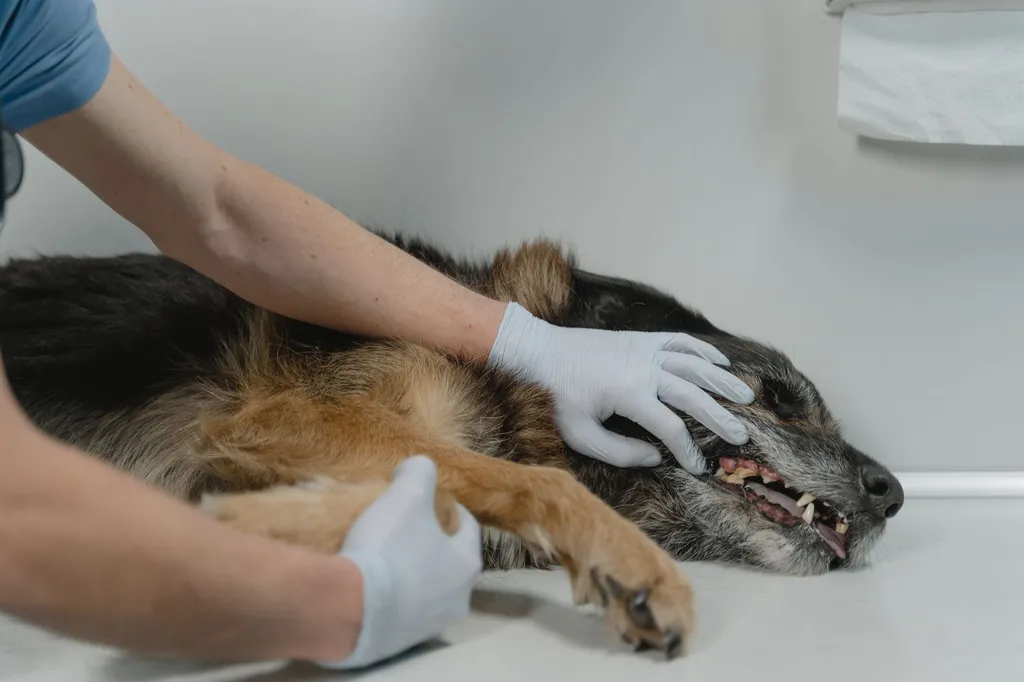
Toxic Dosage: How Many Macadamia Nuts Are Dangerous for Dogs?
The toxic threshold for macadamia nuts in dogs is disturbingly low, and the only safe amount is zero. However, understanding the documented toxic dose helps owners assess risk severity when accidental ingestion occurs.
Established Toxic Dose Parameters
According to toxicological data compiled by the Pet Poison Helpline, clinical toxicosis has been observed at doses as low as:
Minimum Toxic Dose: 2.4 grams per kilogram of body weight (approximately 1/10 ounce per 2 pounds)
To contextualize this in practical terms:
| Dog Weight | Approximate Number of Macadamia Nuts That May Cause Toxicity | Severity Risk |
|---|---|---|
| 10 lbs (4.5 kg) | 5-6 nuts | High risk of moderate to severe symptoms |
| 20 lbs (9 kg) | 10-12 nuts | High risk of moderate to severe symptoms |
| 40 lbs (18 kg) | 20-24 nuts | Moderate to high risk depending on individual sensitivity |
| 60 lbs (27 kg) | 30-36 nuts | Moderate risk, but still dangerous |
| 80+ lbs (36+ kg) | 40+ nuts | Lower relative risk, but toxicosis still possible |
Critical Clinical Note: These figures represent approximate thresholds where symptoms have been documented—not where symptoms will definitely occur. Individual dogs exhibit variable sensitivity, and any amount should be considered potentially toxic. Furthermore, smaller quantities have produced clinical signs in sensitive individuals, and cumulative effects from repeated low-level exposure remain poorly characterized.
The Compounding Danger of Mixed Foods
Macadamia nuts rarely exist in isolation in household environments. They frequently appear in:
- Baked goods: Cookies, brownies, and cakes (often containing chocolate—a secondary toxin)
- Trail mixes: Combined with raisins or grapes (which cause acute kidney injury in dogs)
- Confections: Chocolate-covered macadamia nuts (combining two distinct toxic mechanisms)
- Holiday treats: Seasonal foods containing xylitol, another potent canine toxin
The ASPCA warns that these combination foods create synergistic toxic effects, dramatically increasing symptom severity and potentially producing life-threatening complications. A dog consuming chocolate macadamia nut cookies faces combined neurotoxicity (theobromine from chocolate) and the unidentified macadamia toxin—a far more dangerous clinical scenario than either toxin alone.
What to Do If Your Dog Eats Macadamia Nuts: Emergency Protocol
Time-critical intervention significantly improves outcomes in macadamia nut toxicosis cases. Follow this veterinary-recommended emergency protocol:
Immediate Actions (First 5 Minutes)
1. Secure the scene and assess quantity:
- Remove all remaining macadamia nuts from the dog’s access
- Estimate the number consumed (count remaining nuts, check packaging)
- Note the time of ingestion as precisely as possible
- Identify any additional toxic ingredients (chocolate, raisins, xylitol, etc.)
2. Contact veterinary professionals immediately:
- Your primary veterinarian (even after hours—most have emergency protocols)
- ASPCA Animal Poison Control Center: (888) 426-4435 (consultation fee applies, provides 24/7 toxicology expertise)
- Pet Poison Helpline: (855) 764-7661 (consultation fee applies, provides case follow-up)
3. Do NOT induce vomiting without professional guidance:
- Home emesis induction (hydrogen peroxide) should only occur under veterinary instruction
- Timing matters: emesis is most effective within 2 hours of ingestion
- Contraindications exist (aspiration risk, certain medical conditions)
Veterinary Decontamination and Treatment Protocols
Professional veterinary intervention typically involves:
Decontamination Phase (if within 2-4 hours of ingestion):
- Emesis induction: Administration of apomorphine or hydrogen peroxide to induce controlled vomiting
- Gastric lavage: In some cases, stomach pumping under sedation
- Activated charcoal: Oral administration to bind toxins in the gastrointestinal tract (multiple doses may be given)
Supportive Care Phase:
- Intravenous fluid therapy: Maintains hydration, supports renal function, and promotes toxin elimination
- Temperature regulation: Monitoring and management of hyperthermia
- Pain management: Analgesics for joint pain and abdominal discomfort
- Antiemetics: Medications to control vomiting
- Mobility support: Physical assistance for dogs with severe ataxia or paresis
- Neurological monitoring: Regular assessment of coordination and muscle function
Monitoring Phase:
- Hospitalization duration: Typically 24-48 hours for moderate to severe cases
- Laboratory evaluation: Blood chemistry panels to assess organ function and rule out pancreatitis
- Progressive assessment: Documentation of symptom resolution and functional recovery
Expected Recovery Timeline
Most dogs exhibit complete recovery within 24-48 hours with appropriate supportive care. According to the AKC, the reversible nature of macadamia nut toxicosis distinguishes it from other food poisonings—permanent sequelae are exceptionally rare when veterinary intervention occurs promptly.
Hidden Sources of Macadamia Nuts in Your Home Environment
Preventing macadamia nut toxicosis requires awareness of common household sources:
Kitchen and Pantry Hazards
Baking Supplies:
- Whole macadamia nuts purchased for recipes
- Chopped or ground macadamias in bulk containers
- Macadamia nut flour or meal for gluten-free baking
Snack Foods:
- Mixed nuts and trail mixes
- Granola and energy bars
- Gourmet popcorn with nut inclusions
Confections and Desserts:
- Chocolate-covered macadamias
- Cookies, brownies, and blondies
- Ice cream with macadamia nut pieces
- Specialty cakes and pastries
Other Products:
- Macadamia nut butter or spreads
- Salad toppers and garnishes
- Coffee blends with nut flavorings
Environmental Management Strategies
Storage Protocols:
- Secure all nuts in dog-proof containers with locking mechanisms
- Store macadamia products on high shelves beyond jumping range
- Never leave baked goods containing macadamias on accessible countertops
- Dispose of macadamia shells and packaging in secured trash receptacles
Guest and Holiday Awareness:
- Inform visitors about your dog’s dietary restrictions
- Monitor gift baskets and hostess gifts that may contain mixed nuts
- Supervise children who may inadvertently drop food
- Be particularly vigilant during holiday gatherings when nut-containing foods proliferate

Comparative Toxicology: Macadamia Nuts vs. Other Canine Food Hazards
Understanding macadamia nut toxicosis within the broader context of canine food toxicology provides perspective:
Comparative Toxic Foods for Dogs
| Toxic Food | Toxic Compound | Mechanism | Primary Symptoms | Severity |
|---|---|---|---|---|
| Macadamia Nuts | Unknown | Unknown (neurological interference suspected) | Posterior weakness, ataxia, tremors | Moderate (rarely fatal) |
| Chocolate | Theobromine, caffeine | CNS stimulation, cardiac effects | Hyperactivity, arrhythmia, seizures | Moderate to severe (potentially fatal) |
| Grapes/Raisins | Unknown | Acute kidney injury | Vomiting, anuria, azotemia | Severe (potentially fatal) |
| Xylitol | Artificial sweetener | Insulin release, hepatotoxicity | Hypoglycemia, seizures, liver failure | Severe (potentially fatal) |
| Onions/Garlic | N-propyl disulfide | Oxidative hemolysis | Anemia, weakness, dark urine | Moderate to severe (dose-dependent) |
| Avocado | Persin | Cardiac and respiratory effects | Vomiting, diarrhea, dyspnea | Mild to moderate (species-variable) |
Key Distinction: Macadamia nut toxicosis, while producing dramatic and concerning symptoms, rarely results in mortality with appropriate veterinary care. The spontaneous resolution within 48 hours distinguishes it from more permanently damaging toxins like grapes (which cause irreversible kidney damage) or xylitol (which can produce acute hepatic necrosis).
Safe Alternatives: Veterinary-Approved Treats for Dogs
Rather than risking macadamia nut exposure, consider these nutritionally appropriate, safe alternatives:
Nut-Free Protein Sources
Lean Animal Proteins:
- Plain cooked chicken breast (no seasoning, bones removed)
- Turkey meat (skinless, boneless)
- Lean beef (cooked, trimmed of excess fat)
- Fish (salmon, whitefish—cooked, boneless)
Canine-Safe “Crunchy” Treats
If you’re seeking texture similar to nuts:
- Carrot sticks: Low-calorie, high-fiber, rich in beta-carotene
- Apple slices (seeds removed): Provide crunch and vitamin C
- Freeze-dried meat treats: Single-ingredient protein with satisfying texture
- Commercial dental chews: Designed for dental health with appropriate hardness
Healthy Fat Sources for Canine Nutrition
Instead of nut-derived fats, provide:
- Omega-3 fatty acids: Fish oil supplements, sardines packed in water
- Coconut oil: Small amounts for coat health (medium-chain triglycerides)
- Flaxseed (ground): Alpha-linolenic acid for anti-inflammatory effects
Nutritional Comparison: Unsafe vs. Safe
| Nutrient | Macadamia Nuts (100g) | Carrots (100g) | Plain Chicken (100g) |
|---|---|---|---|
| Calories | 718 kcal | 41 kcal | 165 kcal |
| Protein | 7.9g | 0.9g | 31g |
| Fat | 75.8g | 0.2g | 3.6g |
| Fiber | 8.6g | 2.8g | 0g |
| Toxicity Risk | HIGH - TOXIC | SAFE | SAFE |
Breed-Specific Considerations in Macadamia Nut Toxicosis
While macadamia nuts are toxic to all dog breeds, certain factors influence clinical presentation:
Size-Related Vulnerability
Small Breeds (Under 20 lbs):
- Higher relative toxin concentration per body mass
- Greater risk of severe symptoms from minimal nut quantity
- Examples: Chihuahuas, Yorkshire Terriers, Pomeranians, Toy Poodles
Large Breeds (Over 60 lbs):
- Require larger absolute quantities for toxicosis
- Still vulnerable—no “safe” amount exists
- May initially appear less affected but still require veterinary assessment
- Examples: German Shepherds, Golden Retrievers, Labrador Retrievers
Pre-existing Conditions That Increase Risk
Pancreatitis-Prone Breeds:
- Miniature Schnauzers
- Yorkshire Terriers
- Cocker Spaniels
- Miniature Poodles
These breeds face compounded risk from the high-fat content potentially triggering acute pancreatitis simultaneously with toxicosis.
Neurological Conditions: Dogs with pre-existing seizure disorders or neurological conditions may experience exacerbated symptoms or longer recovery periods.
The Science Behind Symptom Resolution: Why Do Dogs Recover?
The self-limiting nature of macadamia nut toxicosis presents an interesting toxicological phenomenon. Understanding the recovery mechanism helps contextualize the condition:
Metabolic Detoxification Pathways
The canine liver possesses remarkable xenobiotic metabolism capacity through:
Phase I Metabolism (Cytochrome P450 Enzymes):
- Oxidation, reduction, and hydrolysis of foreign compounds
- Conversion of lipophilic toxins to more water-soluble intermediates
Phase II Metabolism (Conjugation Reactions):
- Glucuronidation, sulfation, and acetylation
- Addition of polar groups to facilitate renal excretion
Renal Elimination:
- Glomerular filtration removes water-soluble metabolites
- Active tubular secretion accelerates toxin clearance
The unknown macadamia toxin apparently undergoes efficient hepatic metabolism and renal elimination, resulting in complete clearance within 24-48 hours in most cases.
Neurological Recovery Mechanisms
The reversible nature of neurological symptoms suggests the toxic compound interferes with neurotransmitter function or cellular signaling rather than causing structural neural damage. Once the toxin is metabolized and eliminated, normal neurological function resumes without permanent sequelae.
Long-Term Health Monitoring After Macadamia Nut Exposure
Even after apparent recovery, veterinary follow-up ensures complete resolution:
Post-Exposure Veterinary Assessment
Recommended Follow-Up Timeline:
- 24-48 hours post-exposure: Neurological examination to confirm complete motor function recovery
- 5-7 days post-exposure: Blood chemistry panel to assess pancreatic enzymes (amylase, lipase) and liver function (ALT, AST)
- 2 weeks post-exposure: Final evaluation to ensure no delayed effects
Signs Requiring Immediate Re-evaluation
Contact your veterinarian if your dog exhibits:
- Recurrence of weakness or ataxia after initial improvement
- Persistent vomiting or diarrhea beyond 48 hours
- Jaundice (yellowing of gums, skin, or eyes)
- Abdominal distension or severe pain
- Changes in urination patterns
- Behavioral changes or persistent lethargy
Macadamia Nut Toxicosis: Reporting and Contributing to Veterinary Research
The incomplete understanding of macadamia nut toxicosis mechanism means every documented case contributes valuable data to veterinary toxicology:
How to Report Cases
ASPCA Animal Poison Control Center:
- Maintains comprehensive toxicology database
- Tracks incident patterns and outcomes
- Contributes to published veterinary research
Veterinary Poison Information Service:
- International toxicology resource
- Assists in global understanding of canine toxicoses
Your veterinarian may request permission to submit anonymized case data to these organizations, advancing scientific understanding of this condition.
Frequently Asked Questions About Macadamia Nuts and Dogs
1. Can dogs eat food that touched macadamia nuts, or is cross-contamination dangerous?
Comprehensive Answer: Cross-contamination risk depends on the extent of contact and your dog’s size. While the primary concern involves actual nut consumption, residual nut oils or small particles clinging to other foods could theoretically deliver trace toxin amounts. For small dogs or those with known sensitivity, even trace amounts warrant caution.
Practical guidance: If a food item briefly contacted whole macadamia nuts without sustained exposure (e.g., a piece of chicken that rolled against a nut), the risk is minimal for medium to large dogs. However, for foods soaked in macadamia nut oil or mixed thoroughly with crushed nuts, the contamination is significant and the food should not be offered to dogs.
Veterinary recommendation: When in doubt, err on the side of caution. The minimal nutritional value of any contaminated food doesn’t justify the potential risk. Discard questionable items and offer fresh, uncontaminated alternatives.
2. Are certain types of macadamia nuts (raw vs. roasted, salted vs. unsalted) less toxic to dogs?
Comprehensive Answer: No. The toxic principle in macadamia nuts appears inherent to the nut itself, unaffected by processing methods. PetMD confirms that raw, roasted, salted, unsalted, chopped, ground, or whole macadamia nuts all pose equivalent toxicosis risk. The preparation method does not denature, reduce, or eliminate the toxic compound.
Additional concerns by preparation:
- Salted macadamias: Compound toxicity with sodium—excess salt can cause hypernatremia (elevated blood sodium) producing additional symptoms including excessive thirst, vomiting, diarrhea, and potentially seizures
- Chocolate-covered macadamias: Double toxicity from theobromine in chocolate plus macadamia toxin—dramatically increased symptom severity
- Macadamias in baked goods: Often contain additional toxic ingredients (xylitol, raisins, chocolate) creating synergistic toxic effects
- Flavored macadamias: May contain onion powder, garlic powder, or other canine-toxic seasonings
Clinical bottom line: All macadamia nut preparations are equally contraindicated for canine consumption. The form or processing method provides no safety margin.
3. If my dog ate macadamia nuts several days ago and seems fine, should I still be concerned?
Comprehensive Answer: If your dog consumed macadamia nuts more than 72 hours ago and never developed symptoms, acute toxicosis is highly unlikely. The characteristic symptom onset window is 6-12 hours, with maximum severity at 12-24 hours and complete resolution by 48 hours. According to the AKC, delayed symptom emergence beyond 24 hours post-ingestion is exceptionally rare.
However, consider these factors:
Gastrointestinal effects: While neurological symptoms resolve quickly, high-fat content may produce delayed pancreatitis symptoms appearing 2-5 days post-ingestion. Monitor for:
- Decreased appetite or food refusal
- Vomiting (particularly if persistent or containing bile)
- Abdominal tenderness or “prayer position” (front legs extended, rear elevated)
- Lethargy or behavioral changes
Individual variation: Toxin sensitivity varies among dogs. Rare cases show milder, prolonged symptoms rather than acute severe presentation.
Quantity consumed: Very small amounts might produce subclinical effects (insufficient to trigger obvious symptoms but still requiring metabolic processing).
Veterinary recommendation: If your dog appears completely normal 72+ hours after known macadamia consumption, acute danger has likely passed. However, schedule a wellness check within the week to assess for delayed complications, particularly pancreatitis. Report the incident to your veterinarian for medical record documentation—this information may prove valuable if future health issues emerge.
4. Can macadamia nut toxicity cause permanent damage or long-term health problems in dogs?
Comprehensive Answer: The current veterinary literature indicates that macadamia nut toxicosis rarely, if ever, produces permanent neurological damage or long-term health sequelae when appropriate veterinary care is provided. The mechanism appears to produce temporary, reversible interference with neurological function rather than structural cellular damage.
Short-term prognosis: Excellent. The vast majority of cases resolve completely within 24-48 hours without residual effects. Dogs return to normal motor function, activity level, and behavior.
Potential complications:
Acute pancreatitis: The most significant concern for long-term health. If macadamia consumption triggers pancreatic inflammation, this can evolve into chronic pancreatitis, requiring:
- Lifelong dietary management (low-fat diet)
- Potential for recurrent acute episodes
- Risk of exocrine pancreatic insufficiency (EPI) or diabetes mellitus in severe cases
Aspiration pneumonia: If vomiting occurs while the dog is recumbent or sedated, stomach contents may enter the respiratory tract, producing pneumonia requiring extended antibiotic therapy and supportive care.
Hepatotoxicity: While not characteristic of macadamia toxicosis itself, combined toxins (chocolate + macadamias, for example) could theoretically produce liver stress requiring monitoring.
Research perspective: The self-limiting nature of macadamia nut toxicosis distinguishes it from toxins causing cumulative damage (like chronic lead poisoning) or permanent organ injury (like ethylene glycol causing irreversible kidney damage). The unknown toxic compound appears to be efficiently metabolized and eliminated without accumulation or persistent effects.
Follow-up recommendation: Schedule a comprehensive wellness examination 2-4 weeks post-exposure, including blood chemistry panel to confirm complete organ function recovery, particularly hepatic and pancreatic enzymes.
5. Are macadamia nut shells, bark, or tree leaves also toxic to dogs?
Comprehensive Answer: The documented toxicity of macadamia nuts to dogs is specific to the kernel (the edible nut meat itself). Comprehensive toxicological data on other parts of the macadamia tree (Macadamia integrifolia and Macadamia tetraphylla) is limited, as ingestion of shells, bark, husks, or leaves occurs less frequently and has not been systematically studied in veterinary toxicology.
Shell considerations:
- Mechanical hazard: Primary concern is physical rather than toxicological—sharp shell fragments can cause oral lacerations, gastrointestinal obstruction, or perforation
- Residual nut material: Shells may retain traces of the toxic nut oils or particles, potentially delivering minimal toxin amounts
- Choking risk: Whole or large shell pieces present significant choking hazard, particularly for medium to small breeds
Tree bark and leaves:
- Insufficient data: No systematic studies document toxicity of macadamia tree vegetative parts to canines
- General botanical caution: Many tree species produce compounds in bark and leaves distinct from their fruits or nuts, making extrapolation unreliable
- Practical exposure: Unless you cultivate macadamia trees in your yard, exposure to bark or leaves is unlikely
Veterinary guidance: While the primary concern remains the nut kernel itself, prevent your dog from chewing or consuming any part of macadamia trees or discarded shells. The mechanical hazards alone justify complete avoidance, even if toxicological risk is unconfirmed for non-kernel parts.
Conclusion: Absolute Avoidance Is the Only Safe Policy
The unequivocal answer to “Can dogs eat macadamia nuts?” is an emphatic no. Despite the relatively benign outcome of most toxicosis cases with appropriate veterinary intervention, the risk-benefit analysis is straightforward: macadamia nuts offer zero nutritional value to dogs while posing definite toxicological danger.
As a canine nutritionist, I emphasize that species-appropriate nutrition prioritizes foods that evolved alongside canine digestive and metabolic physiology. Dogs thrived for millennia on animal protein sources, select vegetables, and minimal plant materials—certainly not on the nuts of Australian rainforest trees. The fact that the toxic compound remains unidentified after decades of veterinary research should concern us; we cannot develop targeted antidotes or establish precise safety margins when the mechanism remains unknown.
Key Takeaways for Dog Owners:
- Prevention is paramount: Secure all macadamia nut products in dog-proof storage
- Immediate action saves lives: Contact veterinary professionals within minutes of suspected ingestion, before symptoms appear
- All forms are dangerous: No preparation method, quantity, or combination makes macadamia nuts safe for canine consumption
- Watch for hidden sources: Baked goods, trail mixes, and holiday treats frequently contain macadamias
- Complete recovery is typical: With prompt veterinary care, dogs almost always recover fully within 48 hours
- Educate your household: Ensure all family members and visitors understand the prohibition against feeding macadamia nuts to dogs
The field of veterinary toxicology continues to investigate the precise mechanism of macadamia nut toxicosis. Until research definitively characterizes the toxic compound and its effects, we must maintain absolute avoidance protocols. Your dog’s health and safety depend on informed, vigilant nutrition management—and that unequivocally excludes macadamia nuts in any form.
For detailed nutritional guidance specific to your dog’s breed, age, health status, and activity level, consult with a board-certified veterinary nutritionist (ACVN) who can formulate an individualized dietary plan optimizing your dog’s health while eliminating all toxic food risks.
References:
- American Kennel Club (AKC). “Can Dogs Eat Macadamia Nuts?” Expert Nutrition Advice.
- ASPCA Animal Poison Control Center. “Animal Poison Control Alert: Macadamia Nuts Are Toxic to Dogs.”
- PetMD. “Can Dogs Eat Macadamia Nuts?” Veterinary-Reviewed Nutrition Guide.