Can Dogs Eat Nutritional Yeast? Benefits & Risks

Can Dogs Eat Nutritional Yeast?
Yes, dogs can safely eat nutritional yeast in moderation. Nutritional yeast is generally safe for dogs when introduced gradually in small amounts and can provide various health benefits, including essential B vitamins, minerals, and protein, though consultation with a veterinarian is recommended before adding it to your dog’s diet.
⚕️ Veterinary Disclaimer: This article provides general information about nutritional yeast for dogs and should not replace professional veterinary advice. Always consult your veterinarian before introducing new foods or supplements to your dog’s diet, especially if your dog has existing health conditions, is on medication, or has a history of food sensitivities.
What Is Nutritional Yeast?
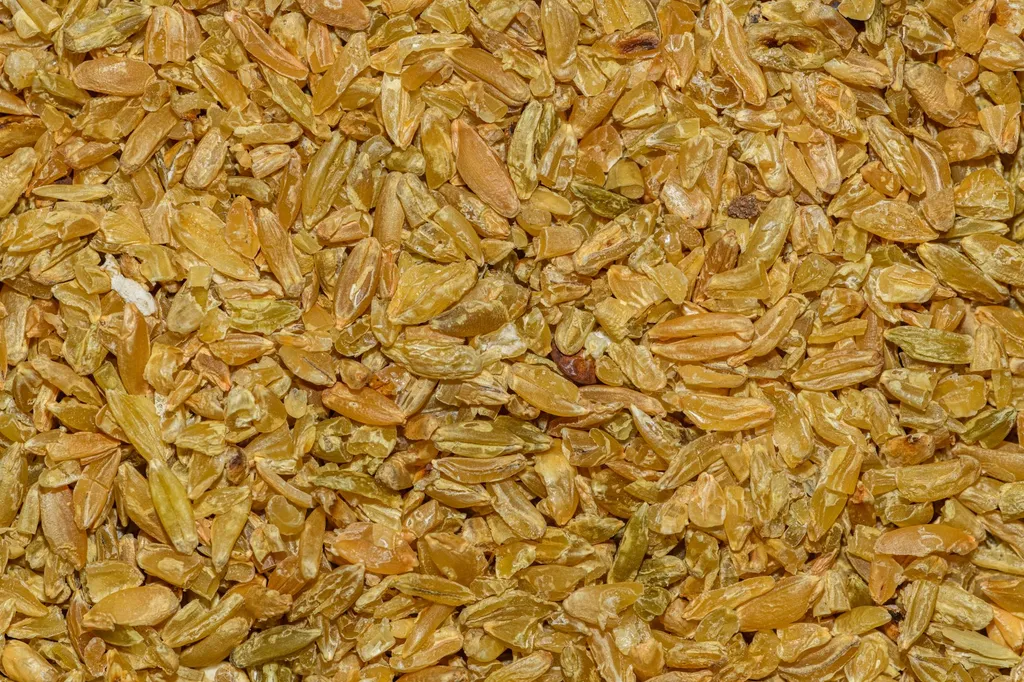
Nutritional yeast is a deactivated form of the yeast strain Saccharomyces cerevisiae, grown specifically for its nutritional value. Unlike active baker’s yeast or brewer’s yeast, nutritional yeast has been pasteurized and dried, rendering it completely inactive. This product typically comes in flake or powder form with a savory, cheese-like flavor that many pets find appealing.
The deactivation process is crucial to understand because it fundamentally distinguishes nutritional yeast from potentially dangerous active yeasts. While active baker’s yeast can ferment in a dog’s digestive system and cause life-threatening complications, nutritional yeast poses no such risk when used appropriately.
Health Benefits of Nutritional Yeast for Dogs
Nutritional yeast offers an impressive array of health benefits for canines, primarily due to its dense nutritional profile. According to veterinary nutrition experts, this supplement can support multiple aspects of canine health when incorporated properly into a balanced diet.
Complete B-Vitamin Complex
Nutritional yeast stands out as an exceptional source of B vitamins, which are essential for various metabolic processes in dogs. The B-vitamin content includes:
| B Vitamin | Function in Dogs |
|---|---|
| B1 (Thiamine) | Supports nervous system function, energy metabolism, and cognitive health |
| B2 (Riboflavin) | Promotes healthy skin, coat, and eye health; aids in energy production |
| B3 (Niacin) | Supports digestive health, skin integrity, and nervous system function |
| B5 (Pantothenic Acid) | Essential for hormone production and converting food into energy |
| B6 (Pyridoxine) | Crucial for brain development, immune function, and red blood cell formation |
| B9 (Folic Acid) | Supports liver function, cell growth, and DNA synthesis |
| B12 (Cobalamin) | Vital for nerve function, red blood cell production, and DNA synthesis |
These vitamins work synergistically to support energy levels, cellular functions, and overall metabolic health in dogs. According to nutritional research, B vitamins are water-soluble, meaning dogs cannot store excess amounts, making regular dietary intake important for optimal health.
Essential Minerals for Canine Health
Beyond vitamins, nutritional yeast provides a comprehensive mineral profile that supports various bodily functions:
- Zinc: Promotes healthy skin, coat quality, wound healing, and immune function
- Selenium: Acts as an antioxidant, supporting immune health and thyroid function
- Magnesium: Essential for muscle function, nerve transmission, and bone health
- Iron: Crucial for oxygen transport in the blood and energy metabolism
- Calcium: Supports bone health and muscle contraction
- Potassium: Regulates fluid balance, nerve signals, and muscle contractions
- Copper: Aids in iron absorption and connective tissue formation
- Manganese: Supports bone development and wound healing
Protein and Amino Acid Content
Nutritional yeast is a complete protein source containing all 18 amino acids, including the nine essential amino acids that dogs cannot synthesize on their own. This makes it particularly valuable for:
- Supporting muscle development and repair
- Maintaining healthy tissue throughout the body
- Providing building blocks for enzymes and hormones
- Supporting overall growth and maintenance
Digestive Health Benefits
The digestive benefits of nutritional yeast stem from multiple components:
β-glucans (beta-glucans) present in nutritional yeast act as prebiotics, feeding beneficial gut bacteria and promoting a healthy microbiome. These compounds have been shown to:
- Improve gastrointestinal health
- Support beneficial bacterial populations
- Enhance immune system function through gut health
- Provide fermentable carbohydrates that aid digestion
Additionally, nutritional yeast can inhibit the growth of pathogenic bacteria and yeasts in the digestive tract, contributing to overall gut health balance.
Immune System Support
The combination of B vitamins, β-glucans, minerals (particularly zinc and selenium), and antioxidants in nutritional yeast creates a powerful immune-supporting supplement. These nutrients work together to:
- Strengthen the body’s natural defense mechanisms
- Support the production and function of immune cells
- Provide antioxidant protection against cellular damage
- Enhance the dog’s ability to respond to environmental challenges
Skin and Coat Health
Many dog owners report noticeable improvements in their pets’ coat quality after introducing nutritional yeast. The B vitamins, particularly B2 and B6, combined with selenium and zinc, contribute to:
- Promoting a shiny, lustrous coat
- Supporting healthy skin integrity
- Reducing excessive shedding in some cases
- Maintaining proper skin moisture and elasticity
Palatability Enhancement
Beyond its nutritional benefits, nutritional yeast serves as an excellent flavor enhancer for picky eaters. Its savory, umami taste makes it an effective food topper that can encourage dogs with reduced appetites to consume their meals more readily.

Nutritional Yeast vs. Brewer’s Yeast for Dogs
Understanding the differences between nutritional yeast and brewer’s yeast is important for dog owners considering yeast supplementation:
| Feature | Nutritional Yeast | Brewer’s Yeast |
|---|---|---|
| Origin | Grown specifically for nutrition on molasses | Byproduct of beer brewing process |
| Taste | Savory, cheese-like, pleasant | Bitter, often unpalatable |
| B Vitamin Content | Higher, often fortified | Lower, natural levels |
| Common Use | Dietary supplement, flavor enhancer | Flea repellent (disputed), supplement |
| Palatability | Highly palatable to most dogs | Less palatable due to bitterness |
Both are deactivated yeasts from the Saccharomyces cerevisiae strain and are safe for dogs, but nutritional yeast is generally preferred for supplementation due to its superior nutrient density and taste profile.
Potential Risks and Concerns with Nutritional Yeast
While nutritional yeast offers numerous benefits, responsible pet owners must be aware of potential risks and contraindications.
Critical Confusion: Nutritional Yeast vs. Baker’s Yeast
The most dangerous risk is confusing nutritional yeast with active baker’s yeast. Baker’s yeast is highly toxic to dogs and can cause:
- Dangerous bloating and gastric dilatation-volvulus (GDV)
- Alcohol poisoning as yeast ferments in the stomach
- Severe abdominal pain
- Potential death if untreated
Always verify that you are using deactivated nutritional yeast specifically intended for consumption, not active baking yeast.
Gastrointestinal Upset
Even with safe nutritional yeast, excessive consumption or rapid introduction can lead to digestive problems:
- Painful gas and bloating: The fiber and fermentable compounds may cause gas production
- Diarrhea: Sudden dietary changes can disrupt normal digestion
- Abdominal discomfort: Too much too quickly may overwhelm the digestive system
These issues are typically preventable through gradual introduction and appropriate portion control.
Allergic Reactions and Sensitivities
Some dogs may exhibit allergic reactions or sensitivities to Saccharomyces yeast strains. Warning signs include:
- Itchy skin and excessive scratching
- Ear infections or excessive head shaking
- Face rubbing against furniture or carpet
- Rear scooting
- Gastrointestinal symptoms (vomiting, diarrhea)
- Skin redness or inflammation
According to veterinary dermatology experts, dogs with existing yeast sensitivities or chronic ear infections should be monitored carefully when introducing nutritional yeast. Discontinue use immediately if any allergic symptoms appear and consult your veterinarian.
Kidney and Liver Concerns
Long-term excessive consumption could potentially impact kidney or liver function, though this risk is primarily associated with inappropriate dosing:
- High protein content: Dogs with chronic kidney disease (CKD) require controlled protein intake
- Phosphorus levels: Excessive phosphorus can be problematic for dogs with kidney issues
- Metabolic load: Very high doses may place unnecessary stress on detoxification organs
Dogs with pre-existing kidney or liver conditions should only consume nutritional yeast under veterinary supervision with appropriate dosage adjustments.
Weight Management Considerations
Nutritional yeast products can be calorie-dense, with approximately 30-40 calories per tablespoon depending on the brand. For dogs on weight management programs, these calories must be factored into daily caloric intake to prevent unintended weight gain.
Harmful Additives
Some commercially available nutritional yeast products may contain toxic additives such as:
- Garlic powder: Toxic to dogs, can cause hemolytic anemia
- Onion powder: Highly toxic, damages red blood cells
- Excessive salt: Can lead to sodium ion poisoning
- Artificial flavoring: May cause sensitivities or allergic reactions
Always choose pure, plain nutritional yeast without any added seasonings or flavorings when using it for dogs.
Very High Dose Reactions
In extremely rare cases of very high doses (far exceeding recommended amounts), some sources note potential symptoms such as:
- Flushing or skin warmth
- Rapid breathing
- Feelings of being overheated
These reactions are uncommon and typically only occur with excessive supplementation far beyond safe guidelines.
How Much Nutritional Yeast Can Dogs Eat?
Proper dosing is essential to maximize benefits while minimizing risks. Veterinary nutritionists recommend conservative starting amounts with gradual increases based on tolerance.
General Dosage Guidelines
Standard recommendation: ½ teaspoon of nutritional yeast per 10 pounds of body weight
Alternative guideline: 1-2 teaspoons per 10 pounds of body weight, with a maximum of 2 teaspoons per day for any dog
Size-Specific Recommendations
For Small Dogs (under 20 pounds):
- Starting amount: ¼ teaspoon daily
- Maximum amount: 1 teaspoon per day
- Introduction period: 5-7 days at minimum dose before increasing
For Medium Dogs (20-50 pounds):
- Starting amount: ½ teaspoon daily
- Maximum amount: 1.5-2 teaspoons per day
- Introduction period: 5-7 days at minimum dose before increasing
For Large Dogs (50-100 pounds):
- Starting amount: 1 teaspoon daily
- Maximum amount: 2 teaspoons per day
- Introduction period: 5-7 days at minimum dose before increasing
For Giant Breeds (over 100 pounds):
- Starting amount: 1 teaspoon daily
- Maximum amount: 2 teaspoons per day (not proportionally increased for giant breeds)
- Introduction period: 7-10 days at minimum dose before increasing
Practical Dosing Table
| Dog Weight | Starting Dose | Maximum Daily Dose |
|---|---|---|
| 5-10 lbs | ¼ teaspoon | ½ teaspoon |
| 11-20 lbs | ¼-½ teaspoon | 1 teaspoon |
| 21-40 lbs | ½-1 teaspoon | 1.5 teaspoons |
| 41-60 lbs | 1 teaspoon | 2 teaspoons |
| 61-100 lbs | 1 teaspoon | 2 teaspoons |
| 100+ lbs | 1 teaspoon | 2 teaspoons |
How to Safely Introduce Nutritional Yeast to Your Dog’s Diet
Following a systematic introduction process helps prevent adverse reactions and allows you to monitor your dog’s individual response.
Step 1: Veterinary Consultation
Before introducing nutritional yeast, schedule a consultation with your veterinarian, particularly if your dog:
- Is a puppy or senior dog
- Has existing health conditions (especially kidney, liver, or digestive issues)
- Takes regular medications
- Has a history of food allergies or sensitivities
- Is pregnant or nursing
Your veterinarian can provide personalized guidance based on your dog’s specific health profile.
Step 2: Choose High-Quality, Plain Nutritional Yeast
Select a reputable brand that offers:
- 100% pure nutritional yeast with no additives
- No garlic, onion, or excessive salt
- Organic certification (preferred but not required)
- Clear ingredient listing with no ambiguous “natural flavors”
- Appropriate packaging (airtight container to maintain freshness)
Popular dog-safe brands often explicitly market their products as suitable for pets.
Step 3: Gradual Introduction Protocol
Week 1:
- Start with approximately ¼ of the recommended starting dose for your dog’s size
- Sprinkle over regular food once daily
- Monitor for any digestive changes or skin reactions
Week 2:
- If no adverse reactions occurred, increase to ½ of the recommended starting dose
- Continue once-daily administration
- Observe stool quality, energy levels, and overall demeanor
Week 3:
- Advance to the full starting dose for your dog’s weight
- Maintain consistent daily supplementation
- Note any positive changes in coat quality, energy, or appetite
Week 4 and Beyond:
- If desired and appropriate for your dog’s needs, gradually increase to the maximum recommended dose
- Never exceed safe maximums
- Maintain consistent supplementation for best results
Step 4: Administration Methods
Nutritional yeast requires no special preparation and can be served in multiple ways:
Simple Topper Method:
- Sprinkle the measured amount directly onto your dog’s regular kibble or wet food
- Mix slightly to encourage even distribution
- The savory flavor typically encourages consumption
Mixed-In Method:
- Thoroughly blend nutritional yeast into wet food or homemade meals
- Ensures even distribution throughout the meal
- Works well for dogs who might eat around toppers
Kong or Treat Method:
- Mix nutritional yeast with dog-safe ingredients like plain pumpkin or yogurt
- Stuff into a Kong toy for enrichment
- Creates a nutritious, engaging treat
Training Treat Enhancement:
- Dust small training treats with a light coating of nutritional yeast
- Increases palatability of less-favorite treats
- Adds nutritional value to training sessions
Step 5: Monitoring and Adjustment
Daily Monitoring (First 2 Weeks):
- Stool consistency and frequency
- Energy levels and behavior
- Appetite changes
- Skin condition and scratching behavior
- Any signs of discomfort or distress
Weekly Assessment (Weeks 3-8):
- Overall coat quality and shine
- Digestive regularity
- General wellness and vitality
- Any subtle changes in health or behavior
Long-Term Evaluation:
- Schedule periodic check-ins with your veterinarian
- Adjust dosage based on your dog’s changing needs
- Consider seasonal breaks or rotation with other supplements
Step 6: When to Discontinue
Stop giving nutritional yeast immediately and contact your veterinarian if you observe:
- Persistent diarrhea or vomiting
- Excessive scratching or skin irritation
- Ear infections or excessive head shaking
- Behavioral changes suggesting discomfort
- Reduced appetite or food refusal
- Any unusual symptoms following consumption
Special Considerations for Specific Dog Populations
Different life stages and health conditions require tailored approaches to nutritional yeast supplementation.
Puppies
Puppies can benefit from nutritional yeast’s B vitamins and protein, but require special consideration:
- Use only under veterinary guidance to ensure appropriate balance with growth diets
- Start with minimal amounts (¼ of the already-reduced starting dose)
- Ensure primary nutrition comes from complete, balanced puppy food
- Monitor growth patterns to ensure supplementation doesn’t create imbalances
Senior Dogs
Older dogs may particularly benefit from nutritional yeast’s nutritional support:
- B vitamins support cognitive function and energy metabolism
- Easier to digest than some protein sources
- Can enhance appetite in dogs with reduced food interest
- Adjust dosage based on kidney function (veterinary assessment required)
Dogs with Chronic Kidney Disease
Extra caution is necessary for dogs with kidney issues:
- High protein and phosphorus content may be contraindicated
- Veterinary approval is essential before introducing
- May require significantly reduced dosage or complete avoidance
- Regular kidney function monitoring if used
Dogs with Allergies
For dogs with existing allergy issues:
- Introduce even more gradually than standard protocol
- Watch carefully for any increase in allergy symptoms
- Consider starting with a minuscule test dose on skin before oral consumption
- May need to avoid if dog has known Saccharomyces sensitivity
Pregnant or Nursing Dogs
Pregnant and nursing dogs have increased nutritional demands:
- Folic acid in nutritional yeast supports fetal development
- B vitamins support milk production and maternal health
- Veterinary approval required to ensure compatibility with prenatal supplementation
- Dosing may need adjustment based on pregnancy stage
Dogs on Medications
Certain medications may interact with nutritional yeast components:
- Monoamine oxidase inhibitors (MAOIs): Theoretical interaction risk with tyramine content
- Medications affecting liver or kidney function: May require dosage adjustment
- Immunosuppressants: Immune-boosting effects may counteract medication
- Always consult your veterinarian about potential interactions
Is Nutritional Yeast Good for Dog Allergies?
The relationship between nutritional yeast and canine allergies is complex and somewhat contradictory, requiring careful individual assessment.
Potential Anti-Allergy Benefits
Some evidence suggests nutritional yeast may help manage certain allergy symptoms:
Immune Modulation:
- β-glucans and other compounds may help regulate immune response
- Could potentially reduce excessive inflammatory reactions
- May support overall immune system balance
Skin Health Support:
- B vitamins and minerals promote skin barrier integrity
- Healthy skin is more resistant to environmental allergens
- May reduce secondary skin infections common with allergies
Digestive Health:
- Gut health improvements may positively influence systemic immune function
- A healthier microbiome can reduce overall inflammatory burden
Potential Allergy Risks
Conversely, nutritional yeast itself can trigger allergies in sensitive dogs:
Yeast Sensitivity:
- Some dogs are specifically allergic to Saccharomyces strains
- May worsen existing yeast-related conditions
- Can trigger new allergic reactions in predisposed individuals
Cross-Reactivity:
- Dogs with multiple food sensitivities may react to nutritional yeast
- May exacerbate symptoms in dogs with fungal-related issues
Individual Assessment Required
The key takeaway: nutritional yeast’s effect on allergies is highly individual:
- Some dogs experience allergy symptom improvement
- Others may develop new allergic reactions
- Many dogs show no change in allergy status
For dogs with existing allergies:
- Consult a veterinary dermatologist or allergist
- Consider allergy testing before introduction
- Monitor extremely carefully during introduction phase
- Have a plan to manage reactions if they occur
Nutritional Yeast Benefits for Dogs: Summary Table
| Benefit Category | Specific Benefits | Key Nutrients Responsible |
|---|---|---|
| Energy & Metabolism | Enhanced energy levels, improved cellular function, better nutrient utilization | B1, B2, B3, B5, B6 |
| Digestive Health | Improved gut flora, better digestion, pathogenic bacteria inhibition | β-glucans, fermentable carbohydrates, probiotics |
| Immune Function | Strengthened immune response, antioxidant protection, disease resistance | Zinc, selenium, β-glucans, B vitamins |
| Skin & Coat | Shinier coat, healthier skin, reduced shedding | B2, B6, selenium, zinc |
| Muscle & Tissue | Muscle development, tissue repair, growth support | Complete protein, 18 amino acids |
| Liver Support | Improved liver function, detoxification support | Folic acid (B9) |
| Cognitive Health | Nerve function, brain health, cognitive support | B1, B6, B12 |
| Palatability | Increased food appeal, better consumption for picky eaters | Natural savory flavor compounds |
Frequently Asked Questions About Nutritional Yeast for Dogs
Can nutritional yeast help with flea prevention in dogs?
This claim is primarily associated with brewer’s yeast, not nutritional yeast, and scientific evidence is limited. The theory suggests that B vitamins in yeast change the scent of a dog’s skin, making them less attractive to fleas. However, veterinary parasitology experts note that:
- No conclusive scientific studies support yeast as an effective flea repellent
- Anecdotal reports show mixed results
- Proper flea prevention (topical treatments, oral medications, environmental control) remains far more effective
- Relying on nutritional yeast for flea control could leave your dog vulnerable to infestation
While nutritional yeast offers many benefits, flea prevention should not be among your primary reasons for supplementation. Consult your veterinarian for evidence-based flea control strategies appropriate for your dog’s lifestyle and geographic location.
How long does it take to see benefits from nutritional yeast in dogs?
The timeline for noticeable benefits varies by individual dog and the specific benefit being observed:
Palatability/Appetite Enhancement:
- Immediate to 1-3 days: Dogs typically show increased interest in food immediately if they find the flavor appealing
Digestive Improvements:
- 1-2 weeks: Changes in stool consistency, reduced gas, or improved regularity may become apparent as gut flora adjusts
Skin and Coat Quality:
- 4-8 weeks: Noticeable improvements in coat shine and skin health typically require consistent supplementation for at least one month, as this reflects the hair growth cycle
Energy and Overall Wellness:
- 2-4 weeks: Subtle improvements in energy levels and vitality may become apparent after several weeks of consistent B-vitamin support
Immune Function:
- Ongoing/Preventive: Immune benefits are often not directly observable but manifest as overall better health and resilience over months
For best results, maintain consistent daily supplementation and allow at least 6-8 weeks before fully evaluating effectiveness. Keep a journal tracking specific observations to identify subtle improvements.
Can I give my dog nutritional yeast every day?
Yes, nutritional yeast can be given daily when properly dosed. In fact, daily administration is recommended for optimal benefits because:
- B vitamins are water-soluble: Dogs cannot store excess amounts, so regular intake maintains consistent levels
- Cumulative benefits: Many health improvements (coat quality, digestive health) develop through consistent supplementation
- Safe for long-term use: When given in appropriate amounts, nutritional yeast poses minimal risk for most healthy dogs
Important considerations for daily supplementation:
- Maintain appropriate dosage: Don’t increase beyond recommended maximums even with daily use
- Monitor long-term: Schedule periodic veterinary check-ups to assess ongoing appropriateness
- Adjust as needed: Dogs’ needs change with age, health status, and activity level
- Consider rotation: Some holistic veterinarians recommend occasional breaks (e.g., 5 days on, 2 days off) to prevent potential sensitivities, though this isn’t universally necessary
Discontinue daily use if you notice any adverse effects and consult your veterinarian. For dogs with certain health conditions (kidney disease, specific allergies), daily use may not be appropriate—veterinary guidance is essential.
Is nutritional yeast safe for dogs with yeast infections?
This is a nuanced question that requires understanding the difference between nutritional yeast and pathogenic yeasts:
Nutritional yeast (Saccharomyces cerevisiae) is deactivated and does not cause or worsen yeast infections. The yeast infections that affect dogs—typically ear infections, skin infections, or systemic yeast overgrowth—are caused by different organisms, most commonly Malassezia species (skin and ears) or Candida species (systemic).
Key points:
Different Organisms:
- Nutritional yeast is a completely different species from pathogenic yeasts
- It cannot colonize or reproduce in the body (it’s deactivated)
- It doesn’t contribute to yeast infection growth
Potential Benefits:
- Some holistic veterinarians suggest nutritional yeast may help support immune function
- Improved gut health may indirectly support the body’s ability to control pathogenic organisms
Potential Concerns:
- Some dogs with yeast infections also have yeast sensitivities
- Even though nutritional yeast doesn’t cause infections, dogs may react to it
- The immune system might cross-react with yeast proteins
Recommendation:
- Consult your veterinarian before giving nutritional yeast to a dog with active yeast infections
- Wait until the infection is resolved before introducing nutritional yeast
- Monitor extremely carefully for any signs that symptoms worsen
- Consider allergy testing to determine if your dog has Saccharomyces sensitivity
If your dog frequently suffers from yeast infections, identifying and addressing the underlying cause (allergies, immune dysfunction, skin conditions) with veterinary guidance is more important than supplementation decisions.
Can puppies eat nutritional yeast?
Puppies can eat nutritional yeast in very small amounts under veterinary supervision. However, special considerations apply to growing dogs:
Potential Benefits for Puppies:
- B vitamins support rapid growth and development
- Protein provides building blocks for growing tissues
- May enhance appetite in picky eaters during growth spurts
- Folic acid supports healthy development
Important Precautions:
Nutritional Balance:
- Puppies require precisely balanced nutrition for proper development
- Their primary diet should be complete and balanced puppy food formulated for growth
- Supplements can potentially create imbalances in critical nutrients
- Veterinary approval is essential to ensure compatibility with growth requirements
Dosage Considerations:
- Start with ¼ of the already-reduced starting dose for their weight
- Increase even more gradually than for adult dogs
- Never exceed recommended maximums
- Adjust as puppy grows based on veterinary guidance
Life Stage Appropriateness:
- Generally safer to introduce after 6 months of age
- Very young puppies (under 12 weeks) should avoid unless specifically recommended by a veterinarian
- Large and giant breed puppies require extra caution due to sensitive calcium-phosphorus ratios
Monitoring:
- Watch for any digestive upset even more carefully than with adults
- Ensure growth rate remains appropriate
- Schedule regular veterinary wellness visits to track development
Bottom line: While not harmful in appropriate amounts, puppies don’t typically need nutritional yeast supplementation if eating high-quality puppy food. Introduce only if your veterinarian identifies a specific benefit for your individual puppy’s situation.
Conclusion
Nutritional yeast can be a beneficial supplement for dogs when introduced carefully and dosed appropriately. Its impressive nutritional profile—featuring a complete B-vitamin complex, essential minerals, and high-quality protein—offers support for digestive health, immune function, skin and coat quality, and overall wellness.
However, responsible supplementation requires awareness of potential risks, including the critical distinction from toxic baker’s yeast, the possibility of allergic reactions, and the importance of proper dosing. Veterinary consultation before introduction, gradual implementation, and ongoing monitoring ensure that nutritional yeast enhances rather than compromises your dog’s health.
By following evidence-based guidelines, choosing pure products without harmful additives, and remaining attentive to your individual dog’s response, nutritional yeast can become a valuable addition to a comprehensive canine nutrition plan that supports your dog’s health and vitality for years to come.