Can Dogs Eat Pineapple? Safe Serving & Benefits

Quick Answer: Can Dogs Eat Pineapple?
Yes, dogs can safely eat fresh pineapple in moderation as a nutritious and hydrating treat, provided it is properly prepared by removing the tough outer skin, spiny rind, and fibrous inner core. Fresh pineapple flesh offers valuable vitamins, minerals, antioxidants, and the digestive enzyme bromelain, making it a beneficial occasional snack for your canine companion when served responsibly.
Veterinary Disclaimer
Important Medical Notice: While this article provides evidence-based nutritional information, it should not replace professional veterinary advice. Always consult your veterinarian before introducing new foods into your dog’s diet, especially if your dog has pre-existing health conditions such as diabetes mellitus, pancreatitis, gastrointestinal sensitivities, or food allergies. Individual dogs may respond differently to dietary changes, and your veterinarian can provide personalized guidance based on your dog’s specific health profile, age, weight, and medical history.
Comprehensive Nutritional Profile of Pineapple for Canines
Pineapple (Ananas comosus) represents a tropical fruit with exceptional nutritional density that can benefit the canine diet when incorporated appropriately. According to extensive research from the American Kennel Club (AKC) and PetMD, pineapple contains a remarkable array of micronutrients that support multiple physiological functions in dogs.
Vitamin Composition and Canine Health Benefits
Fresh pineapple provides an extensive spectrum of essential vitamins critical for canine metabolic processes:
Water-Soluble Vitamins:
- Vitamin C (Ascorbic Acid): While dogs synthesize vitamin C endogenously in their liver, dietary supplementation through whole food sources like pineapple provides additional antioxidant support, particularly beneficial during periods of physiological stress or for senior dogs with diminished hepatic function
- Vitamin B6 (Pyridoxine): Essential cofactor in amino acid metabolism, neurotransmitter synthesis (including serotonin and dopamine), and hemoglobin production
- Thiamin (Vitamin B1): Critical for carbohydrate metabolism and proper neurological function
- Riboflavin (Vitamin B2): Supports cellular energy production through the electron transport chain
- Niacin (Vitamin B3): Vital for DNA repair, cellular signaling, and enzymatic reactions throughout the body
- Folate (Vitamin B9): Necessary for DNA synthesis, red blood cell formation, and proper cell division
Fat-Soluble Vitamins:
- Vitamin A: Supports retinal function, immune system competence, and epithelial tissue integrity
- Vitamin K: Essential for blood coagulation cascade and bone metabolism through osteocalcin activation
Mineral Content and Physiological Functions
Pineapple contains a comprehensive mineral profile that supports various canine biological systems:
| Mineral | Primary Functions in Canine Health |
|---|---|
| Manganese | Cofactor for antioxidant enzymes (superoxide dismutase), bone formation, wound healing, carbohydrate and lipid metabolism |
| Copper | Iron absorption and utilization, melanin production, connective tissue formation, nervous system maintenance |
| Potassium | Electrolyte balance, nerve impulse transmission, muscle contraction (including cardiac muscle), cellular osmotic pressure |
| Magnesium | Enzymatic cofactor (300+ enzymatic reactions), muscle and nerve function, protein synthesis, blood glucose control |
| Iron | Hemoglobin synthesis, oxygen transport, cellular respiration, immune function |
| Calcium | Bone and teeth structure, muscle contraction, neurotransmitter release, blood clotting |
| Phosphorus | Bone mineralization, ATP energy production, cell membrane structure (phospholipids), nucleic acid formation |
| Zinc | Immune function, protein synthesis, wound healing, DNA synthesis, cell division, taste and smell perception |
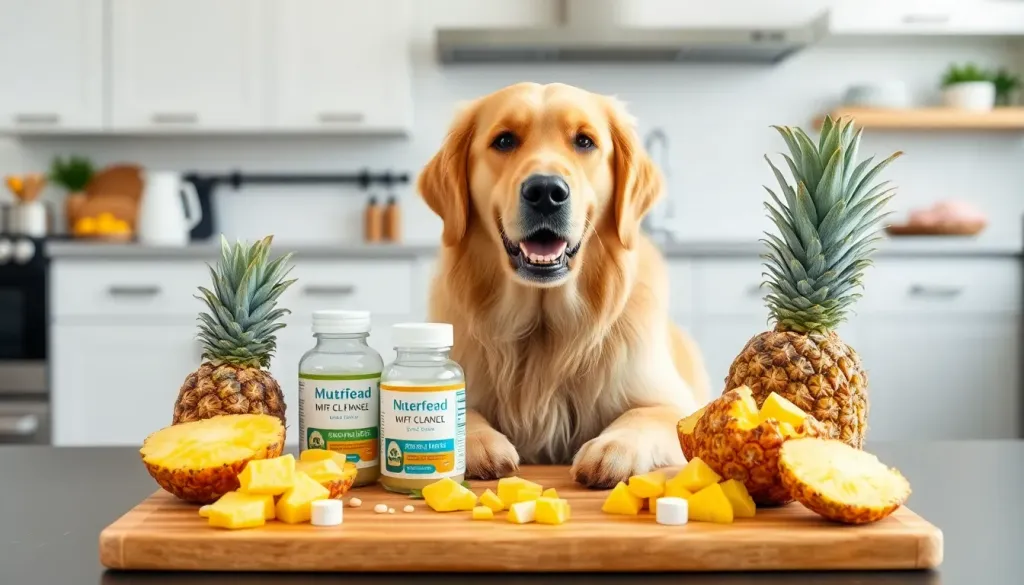
Bromelain: The Proteolytic Enzyme Complex
One of pineapple’s most distinctive nutritional components is bromelain, a mixture of proteolytic enzymes (protein-digesting enzymes) found primarily in the stem and fruit of the pineapple plant. According to clinical research, bromelain offers several potential benefits for canine digestive health:
Digestive Enhancement:
- Facilitates protein hydrolysis in the canine gastrointestinal tract, potentially improving nutrient bioavailability
- May enhance the absorption of other micronutrients through improved intestinal permeability
- Supports pancreatic enzyme function, particularly beneficial for dogs with exocrine pancreatic insufficiency (EPI)
Anti-Inflammatory Properties:
- Demonstrates documented anti-inflammatory effects through modulation of prostaglandin synthesis
- May reduce inflammation in the gastrointestinal mucosa
- Potentially beneficial for dogs with chronic inflammatory conditions, though veterinary consultation is essential
Immunomodulatory Effects:
- Evidence suggests bromelain may influence immune system function through cytokine modulation
- May support recovery from minor tissue injuries or post-exercise inflammation
Antioxidant Compounds and Oxidative Stress Reduction
Pineapple contains significant concentrations of bioactive antioxidants that combat oxidative stress at the cellular level:
Flavonoids: Including quercetin and myricetin derivatives, which neutralize reactive oxygen species (ROS) and protect cellular membranes from lipid peroxidation
Phenolic Acids: Such as ferulic acid and caffeic acid, which exhibit free radical scavenging properties and may reduce chronic inflammation associated with aging
Beta-Carotene: A provitamin A carotenoid with antioxidant properties that protects against cellular damage from environmental stressors
These antioxidant compounds work synergistically to support the canine immune system, potentially reducing the risk of chronic degenerative diseases and supporting overall longevity.
Hydration Support and Fiber Content
Pineapple’s impressive water content (82-86% by weight) makes it an excellent hydrating treat, particularly valuable during warm weather or for dogs with insufficient water intake. The high moisture content supports:
- Proper renal function and urinary tract health
- Thermoregulation during elevated ambient temperatures
- Maintenance of adequate blood volume and circulation
- Healthy skin and coat condition
The fruit also provides both soluble and insoluble dietary fiber, which promotes:
- Regular gastrointestinal motility and bowel movements
- Prebiotic effects supporting beneficial gut microbiota
- Blood glucose moderation following meals
- Enhanced satiety, potentially beneficial for weight management protocols
Is Pineapple Safe for Dogs? Understanding the Risks
While pineapple offers substantial nutritional benefits, responsible pet owners must understand potential risks and contraindications to ensure safe consumption.
Anatomical Hazards: Core, Rind, Stem, and Leaves
Critical Safety Warning: The non-flesh portions of pineapple pose serious health risks to dogs and must be completely removed before serving:
The Fibrous Core:
- Extremely dense, woody tissue that is virtually indigestible by the canine gastrointestinal system
- Can cause esophageal or intestinal obstruction, particularly in small to medium-sized dogs
- May lead to foreign body gastroenteritis requiring emergency veterinary intervention
- Sharp edges when chewed can potentially lacerate oral mucosa or digestive tract lining
The Spiny Rind (Outer Skin):
- Tough, indigestible exterior with sharp, pointed protrusions
- Presents severe choking hazard, especially for dogs prone to rapid consumption
- Contains higher concentrations of potentially irritating compounds
- Can cause oral trauma, esophageal perforation, or gastrointestinal blockage
Stem and Leaves:
- While containing high bromelain concentrations, these parts are not digestible
- May cause mechanical obstruction in the digestive tract
- Can lead to vomiting, abdominal pain, and potential surgical intervention
Sugar Content and Metabolic Considerations
Pineapple contains naturally occurring sugars (primarily fructose, glucose, and sucrose) that constitute approximately 10-12% of its composition. While these are natural sugars rather than refined additives, excessive consumption creates several health concerns:
Glycemic Impact:
- Can cause postprandial (after-meal) blood glucose spikes, particularly problematic for diabetic dogs
- May contribute to insulin resistance with chronic overconsumption
- Dogs with diabetes mellitus, Cushing’s disease, or pre-diabetic conditions require especially careful monitoring
Dental Health Concerns:
- Natural fruit sugars provide substrate for oral bacteria (Streptococcus and Actinomyces species)
- Can accelerate dental plaque formation and periodontal disease progression
- Acidic pH (approximately 3.5) may contribute to enamel erosion with frequent exposure
Obesity and Weight Management:
- Excess caloric intake from sugary treats contributes to positive energy balance
- One cup of fresh pineapple chunks contains approximately 82 calories
- Chronic overconsumption may lead to weight gain, particularly in sedentary or neutered dogs
- Obesity increases risk of orthopedic disorders, cardiovascular disease, and reduced lifespan
Gastrointestinal Upset and Digestive Sensitivity
Even properly prepared fresh pineapple flesh can cause digestive disturbances when consumed in excessive quantities or by dogs with sensitive gastrointestinal systems:
Common Symptoms of Overconsumption:
- Diarrhea: Osmotic effect from excess sugar and fiber overwhelming colonic water absorption capacity
- Vomiting: Gastric irritation from acidic pH or rapid dietary change
- Flatulence: Fermentation of undigested sugars by colonic bacteria producing gas
- Abdominal Discomfort: Bloating, cramping, or visible distension
- Decreased Appetite: Temporary food aversion following digestive upset
- Constipation: Paradoxical effect in some dogs from excessive fiber intake without adequate hydration
High-Risk Populations:
- Dogs with inflammatory bowel disease (IBD)
- Canines with exocrine pancreatic insufficiency (EPI)
- Dogs recovering from gastrointestinal surgery
- Puppies with immature digestive systems
- Senior dogs with diminished digestive enzyme production
- Breeds predisposed to gastric sensitivity (German Shepherds, Irish Setters, Great Danes)
Acidity Concerns and Gastric pH
Pineapple’s naturally acidic pH (approximately 3.5) results from its citric acid and malic acid content. While most dogs tolerate this acidity in small amounts, certain considerations apply:
- Dogs with gastroesophageal reflux disease (GERD) may experience symptom exacerbation
- Canines with gastritis or gastric ulceration should avoid acidic foods
- The acidic environment may interfere with certain medications (particularly those requiring neutral pH for absorption)
- Excessive acidity can temporarily reduce beneficial gastrointestinal microbiota populations
Processed Pineapple Products: Hidden Dangers
Canned Pineapple:
- Typically packed in heavy syrup containing refined sugars (up to 20-30 grams per serving)
- May contain preservatives such as sodium benzoate or sulfites
- Often processed at high temperatures, reducing enzyme and vitamin content
- Increased osmotic load causes more severe digestive upset
- Recommendation: Completely avoid canned pineapple for canine consumption
Dried Pineapple:
- Concentrated sugar content (5-6 times higher than fresh fruit by weight)
- Many commercial products contain added sugars, sulfur dioxide preservatives, or flavor enhancers
- Sticky texture increases dental adherence and caries risk
- Chewy consistency may pose choking hazard
- Recommendation: Avoid commercially dried pineapple; only consider unsweetened, freeze-dried options in minimal quantities
Pineapple Juice:
- Concentrated sugar without beneficial fiber content
- Rapid absorption leads to pronounced glucose spikes
- Lacks the satiety and digestive benefits of whole fruit
- Often contains additives, preservatives, or other fruit juices
- May contain toxic ingredients in multi-fruit blends (grape juice)
- Recommendation: Never feed pineapple juice to dogs
Pineapple for Dog Upset Stomach: Fact vs. Fiction
While some anecdotal reports suggest pineapple may help with digestive issues, the scientific evidence is limited and context-dependent:
Potential Benefits (Theoretical):
- Bromelain may assist protein digestion in dogs with pancreatic insufficiency
- Fiber content could support regular bowel movements in cases of mild constipation
- Hydration from high water content may benefit dogs with mild dehydration
Significant Cautions:
- Pineapple is not a proven treatment for coprophagia (stool eating), despite popular myths
- Should never replace veterinary treatment for genuine gastrointestinal disorders
- May worsen conditions like gastritis, IBD, or acute gastroenteritis
- The sugar and acid content can exacerbate digestive upset in sensitive dogs
Professional Recommendation: If your dog exhibits persistent gastrointestinal symptoms (vomiting, diarrhea, decreased appetite, lethargy), consult your veterinarian rather than attempting dietary interventions with foods like pineapple. Underlying conditions such as parasitic infections, bacterial overgrowth, pancreatitis, or intestinal foreign bodies require proper diagnostic workup and evidence-based treatment protocols.
Allergic Reactions and Hypersensitivity
While relatively uncommon, canine food allergies to pineapple can occur. True IgE-mediated allergic reactions differ from food intolerances or sensitivities:
Allergy Symptoms (Immune-Mediated):
- Cutaneous manifestations: pruritus (itching), urticaria (hives), erythema (redness), alopecia
- Gastrointestinal signs: vomiting, diarrhea, excessive salivation
- Respiratory symptoms (rare): coughing, wheezing, dyspnea
- Anaphylaxis (extremely rare but life-threatening): facial swelling, collapse, cardiovascular shock
Food Intolerance Symptoms (Non-Immune):
- Primarily gastrointestinal: loose stools, flatulence, mild abdominal discomfort
- Not life-threatening but may cause chronic digestive issues
Introduction Protocol: When offering pineapple for the first time, provide only a tiny amount (one small piece) and observe your dog for 24-48 hours for any adverse reactions before increasing portion size.
How Much Pineapple Can I Give My Dog? Evidence-Based Serving Guidelines
Determining appropriate pineapple portions requires consideration of multiple factors including body weight, caloric requirements, overall diet composition, and individual health status.
The 10% Rule for Treat Allocation
Veterinary nutritionists universally recommend that treats and supplemental foods should comprise no more than 10% of a dog’s total daily caloric intake, with the remaining 90% derived from nutritionally complete and balanced commercial dog food or properly formulated homemade diets.
Caloric Content of Fresh Pineapple:
- Approximately 50 calories per 100 grams (3.5 ounces)
- About 82 calories per 1 cup of diced pineapple chunks
Size-Specific Portion Recommendations
The following guidelines provide general serving recommendations based on dog size classifications. Always adjust based on your individual dog’s body condition score, activity level, and metabolic needs:
| Dog Size Category | Ideal Body Weight Range | Maximum Pineapple Serving (Occasional Treat) | Approximate Piece Size |
|---|---|---|---|
| Toy Breeds | 2-10 lbs (1-4.5 kg) | 1-2 small chunks (approximately 1 tablespoon) | Pea-sized to dice-sized pieces |
| Small Breeds | 11-25 lbs (5-11 kg) | 2-4 small chunks (approximately 2 tablespoons) | Dice-sized to small grape-sized pieces |
| Medium Breeds | 26-50 lbs (12-23 kg) | 4-6 chunks (approximately 1/4 cup) | Grape-sized to small strawberry-sized pieces |
| Large Breeds | 51-90 lbs (24-41 kg) | 6-10 chunks (approximately 1/3 cup) | Small strawberry to medium strawberry-sized pieces |
| Giant Breeds | 91+ lbs (42+ kg) | 10-12 chunks (approximately 1/2 cup maximum) | Medium strawberry-sized pieces |
Critical Note: These recommendations represent maximum occasional amounts, not daily serving suggestions. Pineapple should be offered only 2-3 times per week at most to prevent digestive adaptation issues and excessive sugar intake.
Can Dogs Eat Pineapple Core or Skin? Anatomical Safety Guidelines
Definitive Answer: Dogs should never eat pineapple core, skin (rind), stem, or leaves under any circumstances. These plant structures present serious mechanical hazards and digestive risks:
Why the Core is Dangerous:
- Density approaches that of hardwood, making it essentially indigestible
- Can cause esophageal lodgment, particularly in brachycephalic breeds
- May lead to pyloric obstruction (blockage at stomach outlet)
- Can cause intestinal obstruction requiring surgical intervention (enterotomy or resection)
- Sharp fragments can perforate intestinal walls, leading to peritonitis (life-threatening)
Why the Skin/Rind is Dangerous:
- Spiny projections can lacerate oral mucosa, tongue, gingiva, or esophageal lining
- Tough exterior is completely indigestible, acting as foreign material in the GI tract
- Can cause choking, especially in dogs with gulping tendencies
- May contain higher concentrations of irritating compounds than flesh
- Presents aspiration risk if fragments enter the respiratory tract
Preparation Protocol: Step-by-Step Safety Guidelines
To minimize risks and maximize nutritional benefits, follow this veterinary-approved preparation protocol:
Step 1: Select Appropriate Pineapple
- Choose fresh, ripe pineapple with golden-yellow coloration and sweet aroma
- Avoid overripe fruit with fermented odors or brown discoloration
- Inspect for mold growth, particularly around the crown
- Organic options reduce pesticide exposure risk
Step 2: Complete Exterior Removal
- Place pineapple on stable cutting surface
- Remove crown (leafy top) with sharp knife
- Stand pineapple upright and cut downward strokes to remove entire outer rind
- Ensure all spiny “eyes” are completely removed
- Discard all removed portions away from pet access
Step 3: Core Extraction
- Lay pineapple horizontally after peeling
- Cut into quarters lengthwise
- Identify the pale, fibrous central core in each quarter
- Carefully remove entire core section with knife
- Double-check no core fragments remain attached to flesh
Step 4: Size-Appropriate Cutting
- Dice flesh into pieces appropriate for dog’s size (reference table above)
- Smaller pieces reduce choking risk and allow controlled portions
- Consider your dog’s chewing habits (gulpers require smaller pieces)
- Irregular shapes may be preferable to perfectly uniform cubes for slower consumption
Step 5: Initial Introduction
- Offer only 1-2 small pieces during first exposure
- Observe for 24-48 hours for any adverse reactions
- Monitor stool consistency and gastrointestinal symptoms
- Gradually increase to recommended portion sizes only if no issues occur
Step 6: Storage and Freshness
- Store cut pineapple in airtight container in refrigerator
- Use within 3-4 days of cutting for optimal nutrient retention
- Do not serve pineapple that appears oxidized (brownish) or has off-odors
- Frozen pineapple chunks (plain, no additives) can be stored for 2-3 months
Frozen Pineapple as a Refreshing Summer Treat
Benefits of Frozen Pineapple:
- Extended chewing time promotes dental cleaning action
- Provides cooling relief during elevated ambient temperatures
- Supports thermoregulation in hot weather
- May be particularly appealing to dogs who enjoy ice cubes
- Slows consumption rate, reducing gulping behavior
Freezing Protocol:
- Cut fresh pineapple into appropriate-sized pieces
- Arrange on parchment-lined tray without touching
- Freeze for 2-3 hours until solid
- Transfer to freezer-safe container or bag
- Label with preparation date
- Serve directly from frozen (do not refreeze thawed pieces)
Safety Considerations:
- Monitor dogs with dental disease or loose teeth (frozen treats may cause discomfort)
- Not recommended for puppies during teething phase if excessively hard
- Supervise consumption to prevent choking on frozen pieces
- Consider slightly thawing for elderly dogs with dental issues
Special Population Considerations
Puppies (Under 12 Months):
- Introduce only after 6 months of age when digestive system more mature
- Offer extremely small portions (1/4 to 1/2 of adult recommendations)
- Monitor closely for digestive sensitivity
- Ensure primary nutrition comes from puppy-formulated food
Senior Dogs (Over 7 Years):
- May benefit from bromelain’s anti-inflammatory properties
- May have reduced digestive enzyme production, making small portions beneficial
- Monitor for diabetes or metabolic changes that contraindicate sugar intake
- Softer texture (slightly thawed if frozen) may be preferable for dental disease
Dogs with Diabetes Mellitus:
- Consult veterinary endocrinologist before introducing any fruit
- If approved, serve only minimal amounts (1-2 small pieces)
- Monitor post-consumption blood glucose levels
- Time serving with regular meals to minimize glycemic spike
- Consider completely avoiding if glycemic control is problematic
Dogs with Pancreatitis History:
- Generally safe in small amounts as pineapple is low-fat
- Bromelain may theoretically support pancreatic enzyme function
- Introduce very cautiously and observe for symptom recurrence
- Never serve alongside high-fat foods
- Consult veterinarian regarding appropriateness for your specific case
Dogs on Special Diets (Prescription/Therapeutic):
- Always consult veterinarian before introducing treats
- May interfere with dietary trials for allergy diagnosis
- Could alter precise caloric or nutrient calculations in therapeutic diets
- Some prescription diets require strict feeding protocols without additions
Overweight or Obese Dogs:
- Account for pineapple calories in weight reduction calculations
- May be preferable to higher-calorie commercial treats
- High water content provides satiety with fewer calories
- Consider as meal topper rather than additional treat to control total intake
- Consult with veterinarian or veterinary nutritionist regarding weight loss protocol
Benefits of Pineapple for Dogs: Comprehensive Physiological Analysis
When incorporated appropriately into a balanced canine diet, pineapple offers multifaceted health benefits supported by its complex nutritional profile.
Immune System Enhancement
The combination of vitamin C, vitamin A, zinc, and antioxidant compounds in pineapple provides comprehensive immune support through multiple mechanisms:
Vitamin C Functions:
- Supports leukocyte (white blood cell) function and chemotaxis
- Enhances antibody production and immunoglobulin synthesis
- Protects immune cells from oxidative damage during inflammatory response
- While dogs synthesize vitamin C endogenously, additional dietary sources may benefit senior dogs or those under stress
Vitamin A Contributions:
- Maintains integrity of mucosal barriers (first line of immune defense)
- Supports T-cell differentiation and function
- Regulates innate and adaptive immune responses
- Essential for antibody production in response to antigens
Zinc’s Immunological Role:
- Critical cofactor for thymic hormone production
- Supports T-lymphocyte proliferation and function
- Maintains proper cytokine balance
- Deficiency significantly impairs immune competence
Antioxidant Defense Systems:
- Flavonoids and phenolic acids neutralize reactive oxygen species (ROS)
- Reduces oxidative stress that can suppress immune function
- Protects immune cell membranes from lipid peroxidation
- May reduce chronic inflammation associated with immunosenescence (age-related immune decline)
Digestive Health Optimization
Pineapple’s unique combination of fiber, water content, and bromelain creates synergistic digestive benefits:
Fiber’s Multifaceted Benefits:
- Soluble Fiber: Forms gel-like matrix in intestines, slowing gastric emptying and moderating glucose absorption
- Insoluble Fiber: Adds bulk to stool, promotes peristaltic movement, reduces transit time
- Prebiotic Effects: Serves as substrate for beneficial colonic bacteria (Lactobacillus, Bifidobacterium species)
- Supports production of short-chain fatty acids (SCFAs) like butyrate, which nourish colonocytes
Bromelain’s Digestive Enhancement:
- Facilitates protein hydrolysis, breaking large peptides into absorbable amino acids
- May reduce symptoms in dogs with mild pancreatic insufficiency
- Supports nutrient bioavailability, particularly of protein-bound minerals
- Anti-inflammatory effects may benefit dogs with inflammatory bowel conditions (under veterinary supervision)
Hydration Support:
- High water content (82-86%) supports proper intestinal function
- Adequate hydration essential for normal peristalsis and stool consistency
- May benefit dogs with chronic constipation tendencies
- Supports mucus production that protects intestinal epithelium
Cardiovascular and Metabolic Support
The potassium, magnesium, and antioxidant content of pineapple supports cardiovascular health through multiple pathways:
Potassium’s Cardiovascular Role:
- Essential for normal cardiac muscle contraction and electrical conduction
- Helps maintain healthy blood pressure through sodium-potassium balance
- Supports vascular tone and endothelial function
- Deficiency can lead to cardiac arrhythmias and muscle weakness
Magnesium’s Metabolic Functions:
- Cofactor in over 300 enzymatic reactions, including ATP synthesis
- Supports glucose metabolism and insulin sensitivity
- Relaxes vascular smooth muscle, supporting healthy circulation
- Essential for proper calcium channel function in cardiac myocytes
Antioxidant Cardiovascular Protection:
- Reduces oxidative damage to vascular endothelium
- May slow progression of atherosclerotic changes
- Protects LDL cholesterol from oxidation
- Supports healthy inflammatory response in cardiovascular tissues
Bone and Connective Tissue Health
Pineapple’s mineral profile and vitamin K content support skeletal and connective tissue integrity:
Manganese for Bone Formation:
- Essential cofactor for enzymes involved in bone matrix formation
- Supports glycosaminoglycan synthesis (cartilage components)
- Activates enzymes involved in collagen cross-linking
- Deficiency associated with skeletal abnormalities and impaired growth
Calcium and Phosphorus Balance:
- Both minerals essential for bone mineralization and density
- Proper ratio (ideally 1.2:1 to 1.4:1 Ca:P) critical for skeletal health
- Supports bone remodeling processes throughout life
- Important for dental health and enamel strength
Vitamin K for Bone Metabolism:
- Activates osteocalcin, protein that binds calcium to bone matrix
- Supports proper bone mineralization
- May reduce fracture risk in aging dogs
- Supports cartilage health through matrix Gla protein activation
Copper’s Connective Tissue Role:
- Essential for lysyl oxidase enzyme, which cross-links collagen and elastin
- Supports joint health and ligament strength
- Important for cartilage maintenance
- Deficiency can lead to skeletal abnormalities and joint problems
Neurological and Cognitive Support
B-complex vitamins in pineapple support brain health and neurological function:
Vitamin B6 (Pyridoxine):
- Cofactor in neurotransmitter synthesis (serotonin, dopamine, GABA, norepinephrine)
- Supports myelin sheath formation around nerve fibers
- Essential for proper nerve signal transmission
- May support cognitive function in senior dogs
Thiamin (Vitamin B1):
- Critical for glucose metabolism in nervous tissue
- Supports acetylcholine synthesis (neurotransmitter for memory and learning)
- Deficiency causes severe neurological symptoms (ataxia, seizures)
- Essential for proper nerve impulse transmission
Folate (Vitamin B9):
- Important for DNA synthesis in rapidly dividing neural cells
- Supports neurotransmitter production
- May have neuroprotective effects
- Works synergistically with B12 for nervous system health
Anti-Inflammatory Properties
Beyond bromelain, pineapple’s comprehensive antioxidant profile provides systemic anti-inflammatory benefits:
Mechanisms of Action:
- Inhibition of pro-inflammatory cytokine production (TNF-α, IL-6)
- Modulation of prostaglandin synthesis pathways
- Reduction of oxidative stress that drives inflammatory cascades
- Support for resolution phase of inflammation
Potential Applications (Under Veterinary Guidance):
- May benefit dogs with osteoarthritis (though not replacement for NSAIDs or other treatments)
- Could support recovery from exercise-induced inflammation in athletic dogs
- Theoretical benefit for chronic inflammatory conditions when part of anti-inflammatory diet
- Not a substitute for medical management of inflammatory diseases

Frequently Asked Questions About Dogs and Pineapple
Can Puppies Eat Pineapple?
Puppies can eat small amounts of fresh pineapple starting around 6 months of age, once their digestive system has matured sufficiently to handle new foods beyond their puppy formula. However, extreme caution and portion control are essential:
Age-Specific Guidelines:
- Under 6 months: Avoid completely; focus on complete and balanced puppy food exclusively
- 6-12 months: Introduce cautiously with extremely small portions (1/4 to 1/2 of adult recommendations)
- Over 12 months: Follow standard adult serving guidelines adjusted for body weight
Puppy-Specific Considerations:
- Digestive systems are still developing and more sensitive to dietary changes
- Rapid growth phase requires precise nutritional balance primarily from puppy-formulated food
- Higher risk of gastrointestinal upset from new foods
- Sugar content could interfere with developing healthy dietary preferences
- Smaller body size increases risk from even minor choking hazards
Introduction Protocol for Puppies:
- Consult your veterinarian before introducing any treats
- Ensure puppy has received all vaccinations and deworming
- Offer one tiny piece (smaller than recommendations for adult dogs of similar size)
- Monitor for 48 hours for any signs of digestive upset or allergic reaction
- If no adverse effects, may gradually increase to appropriate portion size
- Never exceed 5% of daily caloric intake for puppies (stricter than 10% rule for adults)
- Introduce only one new food at a time to identify any problem ingredients
Warning Signs to Watch:
- Loose stools or diarrhea
- Vomiting or regurgitation
- Decreased appetite or food aversion
- Lethargy or decreased playfulness
- Abdominal distension or signs of discomfort
- Any behavioral changes following consumption
If any adverse reactions occur, discontinue pineapple immediately and consult your veterinarian. Puppies should receive the vast majority of their nutrition from veterinary-approved puppy food formulated for their breed size and growth requirements.
Does Pineapple Stop Dogs from Eating Poop (Coprophagia)?
This is a persistent myth without robust scientific evidence. While pineapple is frequently suggested as a deterrent for coprophagia (the consumption of feces), the mechanism and effectiveness remain anecdotal and unproven:
The Theory:
- Proponents claim bromelain or other compounds make feces taste unpleasant after pineapple consumption
- Some suggest it changes the pH or enzymatic profile of stool
- Others propose the fiber content alters stool consistency or odor
The Scientific Reality:
- No peer-reviewed studies demonstrate pineapple’s effectiveness for coprophagia
- Anecdotal reports show highly variable results (works for some dogs, not others)
- Coprophagia has multiple underlying causes that pineapple cannot address:
- Nutritional deficiencies: Particularly in dogs fed poor-quality diets lacking essential nutrients
- Malabsorption disorders: Exocrine pancreatic insufficiency (EPI), inflammatory bowel disease
- Behavioral issues: Anxiety, boredom, attention-seeking, learned behavior
- Parasitic infections: Intestinal parasites causing malnutrition
- Medical conditions: Diabetes, Cushing’s disease, thyroid disorders
- Instinctual behavior: Nursing dams naturally consume puppy feces
Evidence-Based Approaches to Coprophagia:
- Veterinary Examination: Rule out medical causes (EPI, parasites, malabsorption, endocrine disorders)
- Nutritional Assessment: