Can Dogs Eat Pistachios? Risks & Safe Serving

Direct Answer: Can Dogs Eat Pistachios?
Dogs can technically eat plain, unsalted, and completely shelled pistachios in very small amounts as an occasional treat, but most veterinarians advise against feeding them to dogs due to significant health risks that generally outweigh the minimal nutritional benefits. The high fat content, potential for salt toxicity, choking hazards from shells, and susceptibility to aflatoxin contamination make pistachios a problematic snack choice for canine companions.
🩺 Veterinary Disclaimer
This article provides general educational information about canine nutrition and should not replace professional veterinary advice. Always consult with your licensed veterinarian before introducing new foods into your dog’s diet, especially if your pet has pre-existing health conditions, food sensitivities, or a history of pancreatitis. If your dog accidentally consumes a large quantity of pistachios, particularly salted or in-shell varieties, contact your veterinarian or the ASPCA Animal Poison Control Center (888-426-4435) immediately.
Understanding the Nutritional Profile of Pistachios for Dogs
Pistachios are nutrient-dense nuts that contain several vitamins, minerals, and macronutrients that could theoretically benefit dogs when prepared correctly. According to the American Kennel Club (AKC), these tree nuts contain beneficial compounds including antioxidants, healthy fats, and essential vitamins, though the question remains whether these benefits justify the associated risks.
Vitamins and Minerals in Pistachios
When evaluating whether dogs can eat pistachios, it’s important to understand their nutritional composition:
| Nutrient | Function for Dogs |
|---|---|
| Vitamin B1 (Thiamine) | Essential for brain function, nervous system health, and proper growth and development |
| Vitamin B6 | Supports brain development, immune function, and aids in protein and fat absorption |
| Vitamin E | Powerful antioxidant that supports skin and coat health, cellular function |
| Vitamin K | Important for blood clotting and bone metabolism |
| Protein | Essential building blocks for muscle support, tissue repair, and growth |
| Healthy Fats | Support skin and coat health, provide concentrated energy, aid nutrient absorption |
| Fiber | Aids in digestion and promotes healthy bowel movements |
| Potassium | Critical for proper cell function, electrical charges in heart, nerves, and muscles |
| Antioxidants | Including polyphenols and tocopherols that decrease inflammation and support immune system |
| Phosphorus | Works with calcium for bone and tooth health |
| Copper & Manganese | Trace minerals supporting enzyme function and metabolic processes |
| Iron, Calcium, Magnesium, Zinc, Folate | Additional micronutrients contributing to overall health |
Do the Benefits Justify the Risks?
While pistachios contain these beneficial nutrients, PetMD advises that dogs can obtain the same nutritional benefits from safer, species-appropriate foods specifically formulated for canine consumption. The minimal nutritional advantages of pistachios are significantly overshadowed by the potential health complications they can cause.
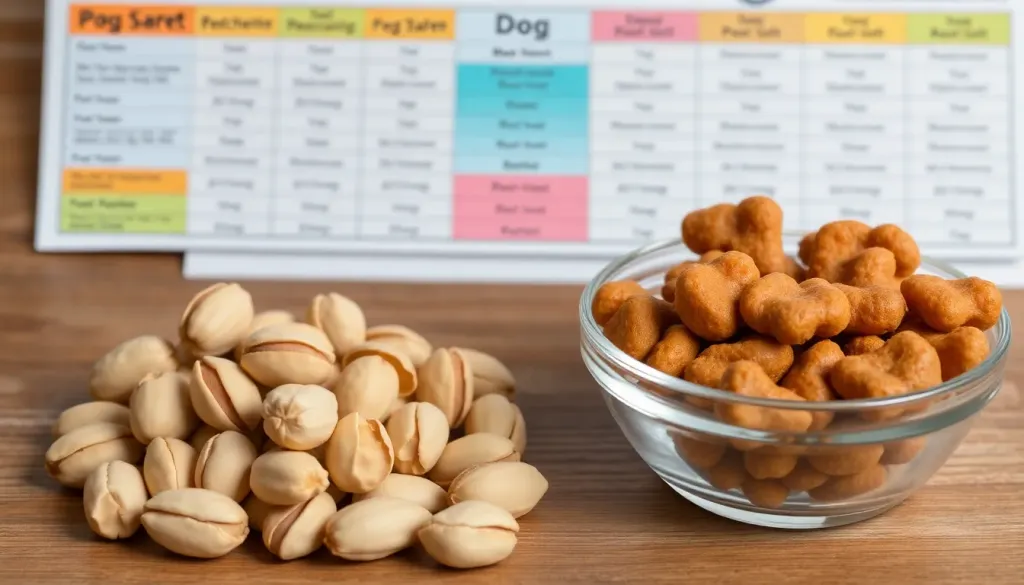
Can Dogs Eat Pistachios? The Major Health Risks Explained
The consensus among veterinary professionals is that pistachios pose several significant risks to dogs. Understanding these hazards is crucial for responsible pet ownership and making informed decisions about canine nutrition.
High Fat Content and Pancreatitis Risk
Pancreatitis in dogs from pistachios represents one of the most serious concerns. Pistachios are exceptionally high in fat, containing approximately 45 grams of fat per 100 grams of nuts. This high fat content can trigger acute pancreatitis, a potentially life-threatening inflammation of the pancreas.
Symptoms of pancreatitis include:
- Severe abdominal pain (hunched posture, reluctance to move)
- Persistent vomiting
- Diarrhea or loose stool
- Loss of appetite
- Lethargy and weakness
- Fever
- Dehydration
Dogs with pre-existing gastrointestinal issues, obesity, or certain breeds predisposed to pancreatitis (Miniature Schnauzers, Yorkshire Terriers, Cocker Spaniels) face elevated risk. Even small dogs consuming just a few pistachios may experience gastrointestinal upset due to their inability to process high-fat foods efficiently.
Salt Toxicity from Salted Pistachios Dogs Consume
Salted pistachios dogs accidentally consume pose a severe sodium poisoning risk. Commercial pistachios are frequently heavily salted, with some varieties containing 300-400mg of sodium per ounce. According to the AKC, excessive salt intake can lead to:
- Water deprivation/sodium ion poisoning: Excessive thirst and urination
- Kidney damage: Both acute and long-term renal complications
- Neurological symptoms: Depression, tremors, elevated body temperature
- Seizures: In severe cases of salt toxicity
- Death: In extreme cases without prompt veterinary intervention
Dogs require only minimal sodium in their diet, with most complete and balanced dog foods providing adequate amounts. Additional salt from human foods like seasoned pistachios is unnecessary and dangerous.
Pistachio Shells Dogs Might Ingest: Choking and Obstruction Hazards
Pistachio shells dogs accidentally swallow create multiple dangers. These hard, irregular shells can:
- Cause choking: Particularly in small to medium-sized dogs
- Splinter in the digestive tract: Creating sharp fragments that damage the esophagus, stomach, or intestinal lining
- Create intestinal blockages: Shells cannot be digested and may accumulate, requiring emergency surgery
- Perforate organs: Sharp shell fragments can puncture the gastrointestinal tract
- Cause painful constipation: Accumulated shell material blocking normal bowel movements
Emergency veterinary care is required if a dog consumes multiple pistachio shells, exhibits signs of choking, vomiting, abdominal pain, or inability to defecate.
Aflatoxin Contamination: A Hidden Danger
Aflatoxin in dogs represents a serious toxicological concern. Pistachios are particularly susceptible to contamination by Aspergillus mold species, which produce aflatoxins—potent carcinogenic and hepatotoxic compounds. Dogs are significantly more sensitive to aflatoxins than humans.
Signs of aflatoxin poisoning include:
- Loss of appetite (anorexia)
- Sluggishness and lethargy
- Vomiting and diarrhea
- Jaundice (yellowing of gums, eyes, skin)
- Liver failure
- Death in severe cases
Pistachios stored improperly, those that appear discolored, or nuts with visible mold should never be given to dogs. Even washing nuts may not completely eliminate aflatoxin contamination, as the toxins can penetrate deep into the nut tissue.
Urushiol and Allergic Reactions
Pistachios contain urushiol, the same allergenic chemical compound found in poison ivy, poison oak, and poison sumac. While present in lower concentrations than in these plants, urushiol in pistachios can cause allergy-like reactions in sensitive dogs, particularly:
- Contact dermatitis around the mouth and face
- Swelling of the muzzle, lips, or tongue
- Itching and redness
- Hives or skin irritation
Additionally, just as humans can develop tree nut allergies, dogs can develop allergic reactions to pistachios, manifesting as gastrointestinal upset, skin problems, or respiratory symptoms.
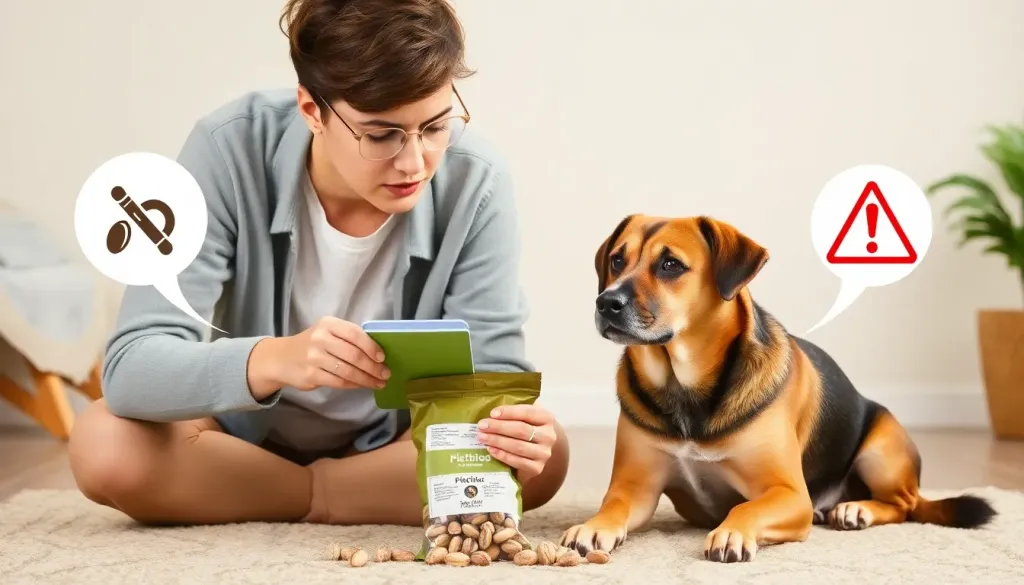
Can Puppies Eat Pistachios?
Can puppies eat pistachios? The answer is a definitive no. Puppies should never be given pistachios due to several compounding factors:
- Sensitive digestive systems: Developing gastrointestinal tracts cannot handle high-fat foods
- Higher pancreatitis risk: Immature pancreatic function makes puppies more susceptible
- Choking hazards: Smaller airways and inexperience with food textures increase danger
- Nutritional imbalance: Puppies require carefully balanced nutrition for growth; pistachios provide no necessary nutrients
- Habit formation: Introducing inappropriate treats can create poor eating habits
Puppies should consume only veterinarian-approved puppy food and treats specifically formulated for their developmental stage.
Safe Serving Guidelines: How to Give Dogs Pistachios (If You Choose To)
If, after consulting with your veterinarian, you decide to offer pistachios to your dog, strict preparation and portion control are essential.
Proper Preparation Methods
Step-by-step safe preparation:
- Select only plain, unsalted pistachios: Avoid any seasoned, roasted, salted, or flavored varieties
- Remove all shells completely: Inspect each nut to ensure no shell fragments remain
- Wash nuts in warm water: This helps remove potential mold spores and surface contaminants
- Crush or chop the pistachios: Breaking nuts into smaller pieces significantly reduces choking risk
- Introduce gradually: Start with a tiny amount and monitor for 24-48 hours
Recommended Portion Sizes by Dog Weight
Pistachios should constitute no more than 10% of your dog’s daily caloric intake and should be considered an occasional treat, not a regular snack.
| Dog Size | Weight Range | Maximum Weekly Amount | Frequency |
|---|---|---|---|
| Small Dogs | Under 20 lbs | 1-2 pistachios | Once per week maximum |
| Medium Dogs | 20-50 lbs | 3-5 pistachios | Once per week maximum |
| Large Dogs | 50-90 lbs | 5-10 pistachios | Once per week maximum |
| Extra Large Dogs | Over 90 lbs | 10-12 pistachios | Once per week maximum |
Important considerations:
- These are maximum amounts, not recommendations
- Individual tolerance varies significantly
- Dogs with health conditions should avoid pistachios entirely
- Monitor your dog closely after any pistachio consumption
Foods to Absolutely Avoid
Never give your dog:
- Salted pistachios
- Seasoned pistachios (garlic, onion powder, or other spices)
- Pistachios in shells
- Pistachio ice cream (contains sugar, dairy, potential xylitol)
- Pistachio butter or paste (too concentrated and fatty)
- Pistachio-flavored baked goods (sugar, artificial sweeteners, other toxic ingredients)
- Pistachio pudding or desserts
- Candied or chocolate-covered pistachios
Healthier Alternative Treats for Dogs
Given the risks associated with pistachios, veterinarians recommend choosing safer treat options that provide nutritional benefits without the hazards:
Veterinarian-approved alternatives:
- Fresh fruits: Blueberries, apple slices (no seeds), watermelon, strawberries
- Vegetables: Carrots, green beans, cucumber, sweet potato
- Commercial dog treats: Formulated specifically for canine nutritional needs
- Lean proteins: Small amounts of cooked chicken, turkey, or fish
- Dog-safe nuts (in moderation): Unsalted peanuts or peanut butter (xylitol-free), cashews in very small amounts
These alternatives provide nutritional value without the elevated risks of choking, pancreatitis, salt toxicity, or aflatoxin exposure.
What to Do If Your Dog Eats Pistachios
Accidents happen, and dogs are notorious for finding and consuming foods they shouldn’t. If your dog eats pistachios, take the following steps:
Immediate Assessment
Determine:
- How many pistachios were consumed? A single nut versus an entire bag requires different responses
- Were shells included? Shell ingestion requires immediate veterinary attention
- Were they salted or seasoned? Increases urgency for intervention
- What is your dog’s size? Smaller dogs face greater risk from the same amount
- Does your dog have pre-existing conditions? Pancreatitis history, kidney disease, or GI sensitivities
When to Contact Your Veterinarian
Call your veterinarian immediately if:
- Your dog consumed shells or a large quantity of pistachios
- The pistachios were heavily salted or seasoned
- Your dog shows any symptoms: vomiting, diarrhea, lethargy, abdominal pain, excessive thirst, tremors
- Your dog has a history of pancreatitis or digestive issues
- You have a small dog or puppy
Monitor at home if:
- Only 1-2 plain, shelled pistachios were consumed
- Your dog is large and healthy with no prior issues
- No symptoms appear within 2 hours
However, continue monitoring for 24-48 hours for delayed symptoms, particularly gastrointestinal upset or signs of pancreatitis.
Emergency Symptoms Requiring Immediate Care
Seek emergency veterinary care if your dog exhibits:
- Severe or continuous vomiting
- Bloody diarrhea
- Signs of choking or difficulty breathing
- Extreme lethargy or collapse
- Seizures or tremors
- Bloated or painful abdomen
- Inability to defecate
Frequently Asked Questions About Dogs and Pistachios
Are pistachios toxic to dogs?
Pistachios are not inherently toxic to dogs in the same way that chocolate, grapes, or xylitol are, but they present multiple serious health hazards that can result in life-threatening conditions. The primary dangers include high fat content leading to pancreatitis, salt toxicity from seasoned varieties, choking and intestinal obstruction from shells, and potential aflatoxin contamination from mold. While a single plain, shelled pistachio is unlikely to poison a large, healthy dog, the cumulative risks make pistachios unsuitable as a dog treat. The presence of urushiol can also cause allergic reactions in sensitive dogs. Given these multiple risk factors, many veterinarians classify pistachios as dangerous for dogs, even if not technically “toxic” in the traditional sense.
Can dogs eat pistachio ice cream or other pistachio-flavored foods?
No, dogs should never consume pistachio ice cream or other pistachio-flavored human foods. These products contain numerous ingredients harmful to dogs beyond just pistachios. Pistachio ice cream typically contains high amounts of sugar, which contributes to obesity, dental disease, and diabetes in dogs. The dairy content can cause digestive upset in lactose-intolerant dogs, which includes most adult canines. Many commercial ice creams and desserts also contain artificial sweeteners, particularly xylitol, which is extremely toxic to dogs and can cause rapid insulin release, hypoglycemia, liver failure, and death. Additionally, pistachio-flavored baked goods may contain chocolate, raisins, macadamia nuts, or other toxic ingredients. The concentrated fat content in ice cream and desserts also significantly increases pancreatitis risk. If you want to give your dog a frozen treat, choose dog-safe alternatives like frozen plain yogurt, pureed fruit ice cubes, or commercial frozen dog treats.
What should I do if my dog ate a pistachio shell?
If your dog consumed one or more pistachio shells, contact your veterinarian immediately, especially if your dog is small or shows any symptoms. Pistachio shells pose serious risks including choking, gastrointestinal obstruction, and internal injury from sharp fragments. Monitor your dog closely for signs of distress including choking, difficulty swallowing, excessive drooling, vomiting, loss of appetite, abdominal pain, constipation, or inability to defecate. Your veterinarian may recommend bringing your dog in for examination, potentially including X-rays or other imaging to locate shell fragments and assess for blockages. In some cases, the shells may pass through naturally, but large amounts or shell accumulation can require endoscopic removal or emergency surgery. Never attempt to induce vomiting at home without veterinary guidance, as shells can cause additional damage during regurgitation. Time is critical if obstruction occurs, so don’t adopt a “wait and see” approach if your dog consumed multiple shells or shows any concerning symptoms.
How many pistachios can kill a dog?
There is no specific number of pistachios that will definitively kill a dog, as lethality depends on multiple factors including the dog’s size, health status, whether the pistachios were salted, presence of aflatoxin contamination, and individual sensitivity. However, serious health complications can occur from surprisingly small amounts. For a small dog (under 20 pounds), consuming just a handful of heavily salted pistachios could potentially cause life-threatening salt toxicity. The high fat content means that even a dozen pistachios could trigger acute pancreatitis in susceptible dogs, which can be fatal without treatment. Aflatoxin-contaminated pistachios present another unpredictable danger—mold toxin levels vary, and dogs are highly sensitive to aflatoxins, with potentially lethal effects on the liver. The consumption of shells creates obstruction risks that can be fatal if surgical intervention isn’t performed. Rather than focusing on a specific “lethal dose,” dog owners should recognize that pistachios present multiple serious health risks and should be completely avoided to ensure canine safety.
Can dogs have pistachio butter or paste?
No, dogs should not consume pistachio butter or paste. These concentrated products intensify all the risks associated with whole pistachios while adding additional concerns. Pistachio butter contains extremely high fat levels—typically 50-60% fat by weight—dramatically increasing the risk of pancreatitis, obesity, and gastrointestinal upset. Many commercial pistachio butters contain added salt, sugar, or other flavorings that are inappropriate for dogs. The paste consistency also poses a unique choking hazard, as the thick, sticky texture can adhere to a dog’s throat or palate. Some pistachio butter products may contain other nut varieties or additives that could be allergenic or toxic. Additionally, the concentrated nature means dogs are consuming a much larger quantity of pistachios than they would from individual nuts, compounding all associated risks. If you want to give your dog a nut butter treat, stick to unsalted, xylitol-free peanut butter or almond butter in very small amounts, and only after confirming with your veterinarian that it’s appropriate for your individual dog.
Are pistachios worse for dogs than other nuts?
Pistachios present a unique combination of risks that make them particularly problematic for dogs, though several nuts are dangerous for different reasons. Compared to other nuts, pistachios have unusually high susceptibility to aflatoxin-producing mold, a risk they share with peanuts but to a potentially greater degree. The shells of pistachios are harder and more irregular than many other nut shells, creating enhanced choking and obstruction dangers. Pistachios are frequently sold heavily salted or seasoned, while some other nuts (like raw almonds) are more commonly available unsalted. However, macadamia nuts are considered more acutely toxic, causing specific neurological symptoms even in small amounts. Walnuts, particularly black walnuts, can harbor tremorgenic mycotoxins. Pecans are also highly susceptible to aflatoxin and toxic mold. Almonds pose choking risks and can cause pancreatitis but lack some of pistachios’ other concerns. Overall, most nuts present enough collective risks (high fat, choking hazards, potential contamination) that veterinarians recommend avoiding them entirely. Pistachios fall solidly into the “not recommended” category alongside most tree nuts.
Final Recommendations: The Verdict on Dogs and Pistachios
After comprehensive analysis of the nutritional profile, health risks, and expert veterinary guidance, the consensus is clear: pistachios are not a recommended treat for dogs. While technically not toxic in small amounts when properly prepared (plain, unsalted, shelled), the numerous and significant risks vastly outweigh any minimal nutritional benefits.
The American Kennel Club, PetMD, and veterinary nutritionists agree that dogs can obtain all the beneficial nutrients found in pistachios from safer, species-appropriate food sources without the associated dangers of pancreatitis, salt toxicity, choking hazards, aflatoxin exposure, and allergic reactions.
Best practices for responsible dog owners:
- Avoid giving pistachios to your dog entirely
- Choose veterinarian-approved treats and foods
- Keep pistachios and other nuts stored securely away from pets
- Educate family members and visitors about foods that are unsafe for your dog
- If accidental consumption occurs, monitor closely and contact your veterinarian when in doubt
Your dog’s health and safety should always take priority over the momentary pleasure of sharing human snacks. When it comes to the question “Can dogs eat pistachios?”, the safest answer remains no—select healthier, safer alternatives instead.
Sources:
- American Kennel Club (AKC). “Can Dogs Eat Pistachios?” Expert Advice on Nutrition.
- PetMD. “Can Dogs Eat Pistachios?” Veterinary Nutrition Guidelines.
- Chewy Pet Central. “Can Dogs Eat Pistachios?” Pet Health and Safety Information.