Can Dogs Eat Sauerkraut? Benefits & Safety Guide

Can Dogs Eat Sauerkraut? A Comprehensive Veterinary Guide
Yes, dogs can eat sauerkraut in moderation, but only if it is plain, unpasteurized, low in sodium, and completely free from toxic additives like garlic or onions. When prepared correctly, sauerkraut offers valuable probiotic benefits that support canine digestive health and immune function, making it a potentially beneficial addition to your dog’s diet when served appropriately.
⚠️ Veterinary Disclaimer
This article is for informational purposes only and does not replace professional veterinary advice. Always consult your veterinarian before introducing new foods into your dog’s diet, especially if your dog has pre-existing health conditions such as kidney disease, cardiovascular issues, or a sensitive stomach. Individual dogs may react differently to fermented foods.
Understanding Sauerkraut: What Makes It Different for Dogs?
Sauerkraut is fermented cabbage that undergoes a natural lacto-fermentation process, during which beneficial bacteria (primarily Lactobacillus species) convert the natural sugars in cabbage into lactic acid. This fermentation process creates a probiotic-rich food that has been consumed by humans for centuries. However, when considering whether sauerkraut is appropriate for canine consumption, pet owners must understand both its potential benefits and significant risks.
According to veterinary nutritionists, the primary value of sauerkraut for dogs lies in its probiotic content, which can support gut health and digestion when administered correctly. However, most commercial sauerkraut preparations contain excessive sodium and potentially toxic additives that make them unsuitable for dogs without careful selection and preparation.

Can Dogs Eat Sauerkraut? The Complete Safety Analysis
Is Sauerkraut Safe for Dogs?
The safety of sauerkraut for dogs depends entirely on three critical factors: preparation method, ingredients, and portion size. Plain, unpasteurized, low-sodium sauerkraut without any additives can be a beneficial probiotic supplement. Conversely, store-bought sauerkraut containing garlic, onions, excessive salt, or artificial sweeteners poses serious health risks.
Key Safety Requirements:
- Must be plain: No garlic, onions, caraway seeds, fennel seeds, or spices
- Must be low-sodium: Less than 200mg sodium per serving
- Should be unpasteurized: To retain beneficial probiotic bacteria
- Must be properly fermented: Free from harmful bacterial contamination
- Should be refrigerated: To maintain probiotic viability and prevent spoilage
Health Benefits of Sauerkraut for Dogs: Evidence-Based Analysis
When properly prepared and served, sauerkraut offers several scientifically supported health benefits for dogs. The following table summarizes the nutritional components and their specific impacts on canine health:
Nutritional Benefits Breakdown
| Nutrient/Component | Primary Health Impact | Secondary Benefits |
|---|---|---|
| Probiotics (Lactic Acid Bacteria) | Supports gut microbiome balance, aids digestion, boosts immune function | Improves nutrient absorption, helps with occasional loose stools or gas, maintains healthy gut flora |
| Dietary Fiber | Promotes regular bowel movements, prevents constipation | Reduces bloating and flatulence, supports overall digestive health |
| Vitamin C | Powerful antioxidant, reduces inflammation | Supports immune system through white blood cell production, promotes collagen formation for joint and tissue health |
| Vitamin K (K1 and K2) | Essential for blood clotting, supports bone density | Promotes bone growth and remineralization, particularly important for senior dogs |
| Vitamin A & Carotene | Supports vision and eye health | Promotes tissue repair, maintains healthy skin and coat condition |
| Iron | Prevents anemia, supports oxygen transport | Boosts energy levels, regulates metabolism, supports healthy circulation |
| Phytonutrients | Anti-inflammatory properties | May reduce joint and muscle pain in dogs with arthritis or musculoskeletal conditions |
Sauerkraut Benefits for Dogs: Detailed Breakdown
1. Probiotic Powerhouse for Gut Health
The most significant benefit of sauerkraut for dogs is its rich probiotic content. According to research in veterinary gastroenterology, beneficial bacteria such as Lactobacillus plantarum, L. brevis, and Leuconostoc mesenteroides found in properly fermented sauerkraut can:
- Restore gut flora balance after antibiotic treatment
- Improve digestion of proteins and fats
- Reduce symptoms of inflammatory bowel conditions
- Strengthen the intestinal barrier against pathogens
- Produce beneficial short-chain fatty acids that nourish colon cells
2. Immune System Support
Approximately 70% of a dog’s immune system resides in the gut. The probiotics for dog gut health provided by unpasteurized sauerkraut stimulate immune cell activity and help regulate inflammatory responses. Vitamin C content further enhances immune function by promoting white blood cell production and protecting cells from oxidative damage.
3. Anti-Inflammatory and Joint Health
The phytonutrients and antioxidants in fermented cabbage demonstrate anti-inflammatory properties that may benefit dogs suffering from:
- Arthritis and joint inflammation
- Muscle soreness and stiffness
- Age-related inflammatory conditions
- Post-exercise recovery
4. Cardiovascular Health in Senior Dogs
Studies suggest that regular probiotic consumption may help lower cholesterol levels and improve fat metabolism in older, overweight dogs. The fermentation process also increases the bioavailability of nutrients that support heart health, including vitamin K2, which prevents calcium deposits in arteries.
5. Low-Calorie Nutritional Supplement
For dogs requiring weight management, sauerkraut provides nutritional value with minimal caloric impact, making it an excellent alternative to high-calorie treats.
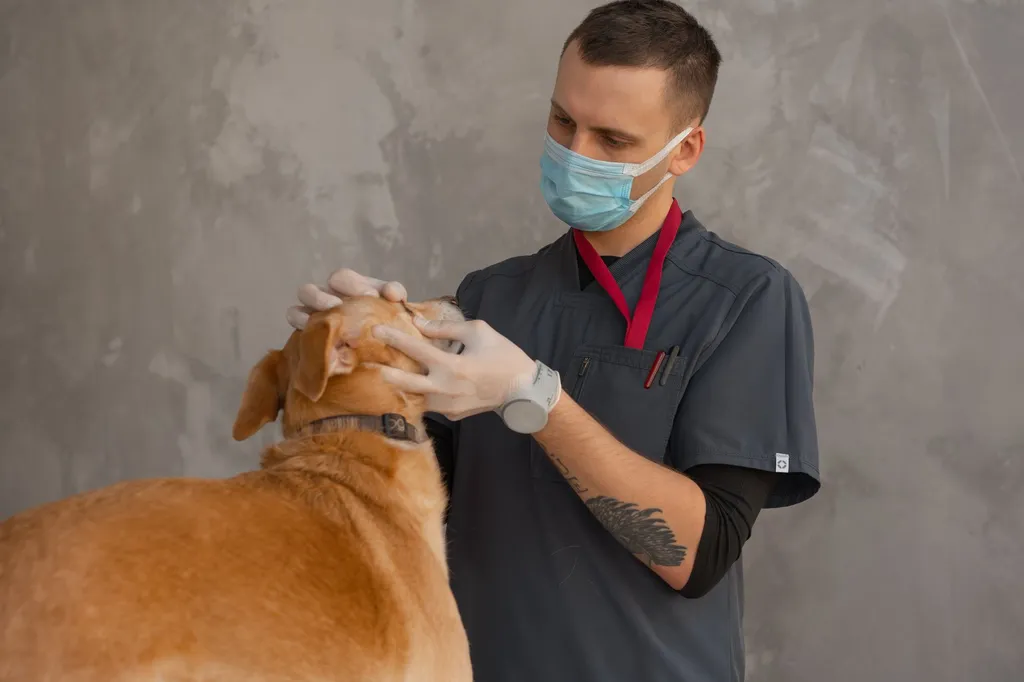
Critical Risks and Dangers: What Every Dog Owner Must Know
While sauerkraut can offer health benefits, numerous risks make it potentially dangerous if not carefully selected and prepared. Understanding these hazards is essential for responsible pet ownership.
Major Health Risks Associated with Sauerkraut
1. Toxic Additives (SEVERE RISK)
Many commercial sauerkraut products contain ingredients that are toxic to dogs:
Garlic and Onions: Members of the Allium family cause oxidative damage to red blood cells, leading to hemolytic anemia. Even small amounts can be dangerous, and symptoms include:
- Weakness and lethargy
- Vomiting and diarrhea
- Pale gums
- Rapid breathing
- Dark-colored urine
- Collapse (in severe cases)
Caraway Seeds and Fennel: Can cause digestive upset and potential toxicity
Artificial Sweeteners (Xylitol): Extremely toxic, causing rapid insulin release, hypoglycemia, liver failure, and potentially death
⚠️ CRITICAL WARNING: Always read ingredient labels completely. If any questionable ingredient is present, do NOT feed the sauerkraut to your dog.
2. Excessive Sodium Content (HIGH RISK)
Commercial sauerkraut typically contains 460-900mg of sodium per serving—far exceeding safe levels for dogs. The recommended sodium intake for dogs is approximately 100mg per 100 calories of food consumed.
High sodium exposure causes:
- Excessive thirst and increased urination
- Dehydration
- Elevated blood pressure
- Kidney strain (particularly dangerous for dogs with existing kidney disease)
Salt poisoning symptoms (in severe cases):
- Vomiting and diarrhea
- Decreased appetite
- Incoordination and weakness
- Tremors and seizures
- Lethargy progressing to coma
- Potential death without immediate veterinary intervention
Dogs particularly vulnerable to sodium:
- Senior dogs
- Dogs with heart conditions
- Dogs with kidney disease
- Dogs with hypertension
- Small breed dogs (lower tolerance threshold)
3. Digestive Upset and Fermentation Sensitivity
Introducing fermented foods too quickly or in excessive amounts can overwhelm a dog’s digestive system, particularly in dogs unaccustomed to probiotics. Symptoms include:
- Gas and bloating
- Abdominal discomfort
- Diarrhea
- Vomiting
- Loss of appetite
4. Histamine Sensitivity
Fermented foods naturally contain elevated histamine levels. Dogs with histamine intolerance or allergies may experience:
- Itching and skin irritation
- Digestive distress
- Respiratory symptoms
- Increased anxiety or restlessness
5. Loss of Probiotic Benefits Through Heat Processing
Pasteurized or cooked sauerkraut loses the majority of its beneficial probiotic bacteria, eliminating the primary health benefit while retaining high sodium content and potential risks.
6. Bacterial Contamination Risk
Improperly prepared or stored homemade sauerkraut can harbor harmful bacteria such as E. coli, Salmonella, or Listeria, causing serious foodborne illness.
How to Feed Sauerkraut to Dogs: Safe Serving Guidelines
To maximize benefits while minimizing risks, follow these evidence-based preparation and serving protocols.
Selecting Safe Sauerkraut
Best Options:
- Homemade sauerkraut made with only cabbage, water, and salt (minimal amount)
- Refrigerated unpasteurized brands with simple, clean ingredient lists
- Organic varieties free from preservatives and additives
What to Look For on Labels:
- Ingredients: Cabbage, water, salt ONLY
- Sodium content: Less than 200mg per serving
- “Raw” or “Unpasteurized” designation
- Refrigerated section (shelf-stable versions are typically pasteurized)
- No garlic, onions, or spices
Red Flags to Avoid:
- Any mention of garlic, onion, caraway, fennel, or sweeteners
- Sodium content above 300mg per serving
- Pasteurized products (if seeking probiotic benefits)
- Canned sauerkraut (typically high sodium and pasteurized)
Preparation Methods
For Store-Bought Sauerkraut:
- Remove sauerkraut from the jar
- Place in a fine-mesh strainer
- Rinse thoroughly under cold running water for 30-60 seconds
- Gently squeeze to remove excess moisture and brine
- Pat dry with a paper towel
- Serve immediately or refrigerate in a clean container
For Homemade Sauerkraut for Dogs:
Simple Recipe:
- 1 medium cabbage, shredded
- 1-1.5 tablespoons sea salt (non-iodized)
- Filtered water as needed
Instructions:
- Massage salt into shredded cabbage until it releases liquid
- Pack tightly into a clean glass jar, ensuring cabbage is submerged
- Cover with a breathable cloth and secure with a rubber band
- Ferment at room temperature (65-75°F) for 7-14 days
- Check daily and skim any surface scum
- Taste after one week—should be tangy and slightly sour
- Transfer to refrigerator when desired flavor is achieved
- Use within 4-6 weeks
Portion Guidelines and Introduction Protocol
Initial Introduction (Week 1):
- Small dogs (under 20 lbs): ¼ teaspoon once daily
- Medium dogs (20-50 lbs): ½ teaspoon once daily
- Large dogs (over 50 lbs): 1 teaspoon once daily
Gradual Increase (Week 2-3):
- Small dogs: 1 teaspoon daily
- Medium dogs: 2 teaspoons daily
- Large dogs: 1 tablespoon (3 teaspoons) daily
Maximum Safe Portions:
| Dog Size | Weight Range | Maximum Daily Portion |
|---|---|---|
| Small | Under 20 lbs | 1 teaspoon |
| Medium | 20-50 lbs | 2 teaspoons |
| Large | 50-80 lbs | 3 teaspoons |
| Giant | Over 80 lbs | 1 tablespoon |
Important Serving Tips:
- Always mix sauerkraut with regular food—never serve alone
- Serve at room temperature or slightly chilled
- Offer as an occasional supplement (3-4 times per week maximum)
- Monitor your dog for 24-48 hours after first introduction
- Discontinue immediately if any adverse reactions occur
Monitoring Your Dog: Signs to Watch For
Positive Indicators (Benefits Working):
- Improved stool consistency
- Reduced gas or bloating
- Increased energy levels
- Shinier coat
- Better appetite regulation
Warning Signs (Discontinue Use):
- Diarrhea or loose stools
- Vomiting
- Excessive gas or abdominal discomfort
- Lethargy or weakness
- Loss of appetite
- Excessive thirst or urination
- Skin irritation or itching
- Any signs of allergic reaction
When to Contact Your Veterinarian Immediately:
- Severe vomiting or diarrhea
- Blood in stool or vomit
- Signs of dehydration (dry gums, sunken eyes, loss of skin elasticity)
- Weakness, collapse, or inability to stand
- Tremors, seizures, or neurological symptoms
- Pale gums or rapid breathing
- Abdominal pain or distension
Special Considerations for Different Dog Populations
Puppies
- Not recommended for puppies under 6 months
- Developing digestive systems are more sensitive
- Consult veterinarian before introduction
Senior Dogs
- Can benefit from digestive support
- Start with smaller portions due to potentially compromised kidney function
- Monitor sodium intake carefully
- May help with age-related digestive slowdown
Dogs with Health Conditions
Kidney Disease: Avoid due to sodium content, even in low-sodium varieties
Heart Conditions: Consult cardiologist before introducing due to sodium concerns
Digestive Disorders (IBD, pancreatitis): May be beneficial under veterinary supervision, but introduce extremely cautiously
Diabetes: Generally safe if sugar-free, but monitor blood glucose response
Food Allergies: May help modulate immune response, but rule out cabbage allergy first
Histamine Intolerance: Avoid fermented foods entirely
Pregnant or Nursing Dogs
- Generally safe in very small amounts
- Probiotics may benefit puppies through milk
- Consult reproductive veterinarian for specific guidance
Frequently Asked Questions About Sauerkraut for Dogs
Can dogs eat sauerkraut every day?
No, dogs should not eat sauerkraut every day. While the probiotic benefits are valuable, daily consumption increases the risk of sodium accumulation and digestive upset. Veterinary nutritionists recommend offering sauerkraut as an occasional supplement 3-4 times per week maximum, with at least one or two days between servings to allow the digestive system to process the fermented food properly. This intermittent approach provides probiotic benefits while minimizing potential side effects such as gas, bloating, or sodium-related issues. Additionally, rotating different probiotic sources (such as plain yogurt, kefir, or commercial canine probiotic supplements) offers more diverse bacterial strains and reduces the risk of over-reliance on a single food source.
Is cooked sauerkraut safe for dogs, or does it need to be raw?
Cooked sauerkraut is generally safe for dogs from a toxicity standpoint, provided it contains no harmful additives like garlic or onions and is low in sodium. However, cooking destroys the beneficial probiotic bacteria that constitute the primary health benefit of sauerkraut. Heat above 115°F (46°C) kills Lactobacillus and other live cultures, rendering cooked sauerkraut nutritionally equivalent to plain cooked cabbage with added salt. If your goal is to provide probiotic support for your dog’s digestive health, you must use raw, unpasteurized sauerkraut. If you’re simply looking to add low-calorie vegetables to your dog’s diet, plain steamed or boiled cabbage (without sauerkraut’s fermentation and sodium) would be a healthier choice than cooked sauerkraut.
What should I do if my dog accidentally ate sauerkraut with garlic or onions?
If your dog has consumed sauerkraut containing garlic or onions, contact your veterinarian or emergency animal poison control immediately (ASPCA Animal Poison Control: 888-426-4435). The severity of the situation depends on the amount consumed relative to your dog’s body weight and the concentration of the toxic ingredients. Do not wait for symptoms to appear—garlic and onion toxicity can cause delayed hemolytic anemia, with symptoms potentially appearing 1-5 days after ingestion. Provide your veterinarian with the following information: your dog’s weight, the approximate amount of sauerkraut consumed, the specific ingredients listed on the product label (photograph if possible), and the time of ingestion. Your veterinarian may recommend inducing vomiting if ingestion occurred within the past 1-2 hours, administering activated charcoal, or monitoring blood work for signs of anemia. Early intervention significantly improves outcomes in cases of Allium family poisoning.
Can I give my dog sauerkraut juice or brine?
Sauerkraut juice or brine is NOT recommended for dogs due to extremely high sodium concentration. The liquid portion of sauerkraut contains even more salt than the cabbage itself, often exceeding 1,000mg of sodium per fluid ounce—far beyond safe levels for canine consumption. While some human health advocates promote sauerkraut juice for its probiotic concentration, the sodium-to-probiotic ratio makes it inappropriate for dogs. Additionally, the brine may contain higher concentrations of any spices or additives present in the sauerkraut. If you wish to provide liquid probiotics for your dog, consider species-appropriate options such as bone broth with added probiotic powder, diluted plain kefir, or commercial liquid probiotic supplements formulated specifically for dogs.
Are there better probiotic alternatives to sauerkraut for dogs?
Yes, several probiotic alternatives may be safer and more effective than sauerkraut for dogs, particularly for those with sodium sensitivity or digestive sensitivities. Recommended alternatives include:
- Plain, unsweetened yogurt (preferably Greek yogurt) with live active cultures—check for Lactobacillus and Bifidobacterium strains
- Plain kefir (unflavored, unsweetened)—contains more diverse bacterial strains than yogurt
- Commercial canine probiotic supplements—specifically formulated with dog-appropriate strains and dosages
- Fermented goat’s milk products—often better tolerated than cow dairy
- Pumpkin (plain, not pie filling)—provides prebiotic fiber that feeds beneficial gut bacteria
- Green tripe (raw or freeze-dried)—naturally contains probiotics and digestive enzymes
Veterinary-formulated probiotic supplements offer the advantage of standardized colony-forming units (CFUs), species-specific bacterial strains proven effective in dogs (such as Enterococcus faecium and Bacillus subtilis), and controlled dosing without sodium concerns or toxic additive risks. Consult your veterinarian to determine which probiotic source best suits your dog’s individual health needs and digestive tolerance.
Final Recommendations: Evidence-Based Best Practices
Based on comprehensive research and veterinary guidance, the following evidence-based recommendations provide the safest approach to incorporating sauerkraut into your dog’s nutrition plan:
When Sauerkraut Is Appropriate:
- As an occasional probiotic supplement for dogs with healthy digestive systems
- To support gut health during or after antibiotic treatment (under veterinary supervision)
- As a low-calorie treat alternative for dogs on weight management programs
- For dogs experiencing mild, occasional digestive irregularities
- When prepared according to strict safety guidelines outlined above
When to Avoid Sauerkraut:
- Dogs with kidney disease or compromised kidney function
- Dogs with heart conditions or hypertension
- Dogs with known sodium sensitivity
- Puppies under 6 months of age
- Dogs with histamine intolerance or fermented food sensitivity
- Dogs with severe digestive conditions without veterinary approval
- When only commercial high-sodium varieties are available
The Bottom Line
Sauerkraut can be a beneficial addition to a dog’s diet when selected, prepared, and served correctly. The key to safe sauerkraut supplementation lies in choosing plain, unpasteurized, low-sodium varieties, introducing them gradually in very small portions, and monitoring your dog carefully for any adverse reactions. However, given the significant risks associated with commercial sauerkraut products—particularly toxic additives and excessive sodium—many veterinary nutritionists recommend purpose-formulated canine probiotic supplements as a safer, more reliable alternative.
Always prioritize your dog’s individual health status and consult with your veterinarian before introducing any new foods, especially fermented products. The probiotic benefits of sauerkraut, while potentially valuable, are not worth risking your dog’s health if proper precautions are not meticulously followed.
References and Authority Sources
This article synthesizes information from multiple veterinary and nutritional sources, including:
- American Kennel Club (AKC) canine nutrition guidelines
- Veterinary nutritionist recommendations on fermented foods for dogs
- PetMD’s comprehensive guides on safe foods for dogs
- Clinical studies on probiotic benefits in canine digestive health
- ASPCA Animal Poison Control Center toxicity data
- Research published in veterinary gastroenterology journals
For specific health concerns or questions about your individual dog’s dietary needs, always consult a licensed veterinarian or board-certified veterinary nutritionist.