Dog Anal Gland Issues: Signs & Home Care
Understanding Dog Anal Gland Issues: Signs & Home Care
Dog anal gland issues occur when the small scent glands located on either side of your dog’s anus become impacted, infected, or abscessed, preventing them from emptying naturally during bowel movements. These problems are surprisingly common and can cause significant discomfort, ranging from mild irritation to severe pain requiring immediate veterinary intervention.
When I first noticed my Golden Retriever, Bailey, scooting across our living room carpet like she was auditioning for a canine breakdancing competition, I had no idea what was happening. The fishy smell that followed her around was equally concerning. After a rushed trip to our veterinarian, I learned all about anal gland issues—something I wish every multi-dog parent understood from day one.
⚕️ VETERINARY DISCLAIMER:
The information provided in this article is for educational purposes only and should not replace professional veterinary advice. If your dog shows signs of anal gland problems—especially pain, swelling, bleeding, or persistent discomfort—please consult your veterinarian immediately. Anal gland issues can escalate quickly and may indicate serious underlying conditions that require professional diagnosis and treatment.
What Are Anal Glands and Why Do They Cause Problems?
Your dog’s anal glands (also called anal sacs) are two small pouches positioned at approximately the 4 o’clock and 8 o’clock positions around the anus. These glands produce a pungent, oily secretion that serves as a territorial marking scent—essentially your dog’s unique “signature” that other dogs can detect.
Under normal circumstances, these glands empty naturally when your dog poops. The pressure from firm stool passing through the rectum squeezes the glands, expressing the fluid through tiny ducts. It’s a completely normal, self-regulating process that most dogs manage without any issues throughout their entire lives.
However, problems arise when:
- The gland ducts become blocked or narrowed
- Stool consistency is too soft to apply adequate pressure
- The glandular secretions become abnormally thick
- Inflammation or infection develops
- Anatomical variations prevent natural emptying
According to PetMD, certain breeds are more predisposed to anal gland problems, including small and toy breeds like Chihuahuas, Miniature Poodles, and Cocker Spaniels, though any dog can experience these issues.
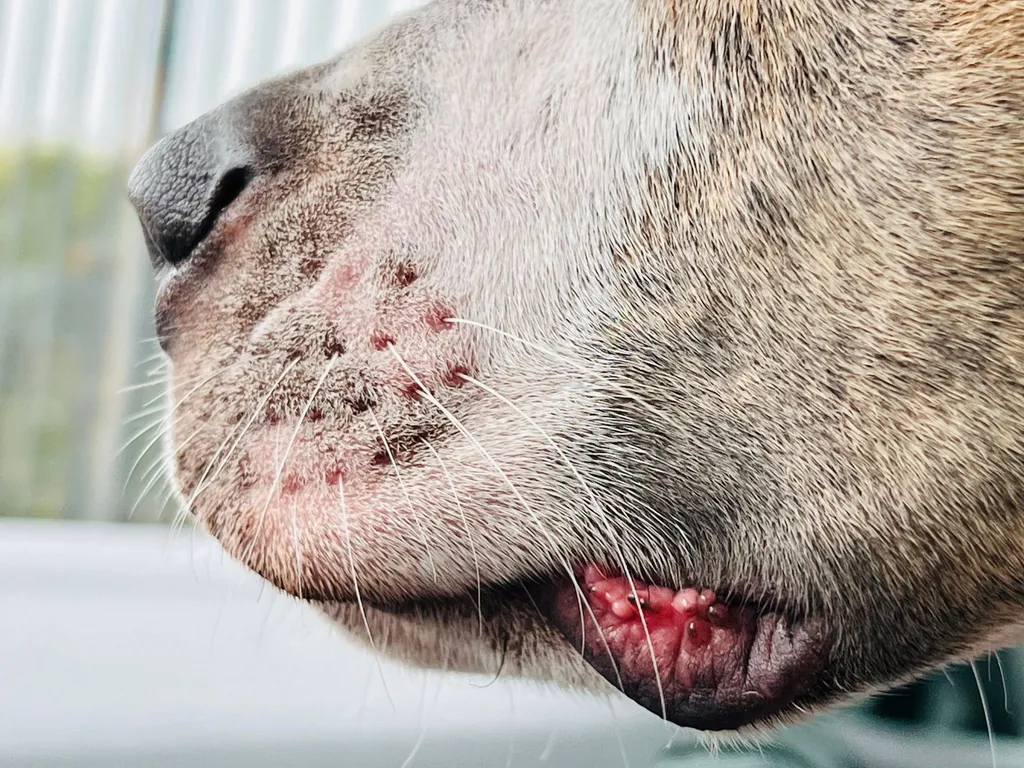
Recognizing the Signs of Anal Gland Issues in Your Dog
Learning to recognize the early warning signs can save your dog from significant discomfort and potentially serious complications. In my household with three dogs, I’ve become hypervigilant about these behaviors because catching problems early makes all the difference.
Primary Warning Signs
Scooting (The Most Obvious Sign)
When my Beagle mix, Cooper, started dragging his bottom across the floor, it looked almost comical—until I realized he was trying to relieve intense discomfort. The American Kennel Club (AKC) identifies scooting as the number one indicator of anal gland problems. Your dog is essentially trying to manually express their glands by creating pressure and friction against the ground.
Excessive Licking or Biting at the Rear End
Dogs experiencing anal gland discomfort will obsessively lick, bite, or chew at their hind end, tail base, or the area around their anus. This behavior often intensifies after they’ve been lying down or first wake up.
The Unmistakable Fishy Odor
I’ll never forget the first time I smelled that distinctive fishy, metallic odor emanating from Bailey. It’s truly unforgettable and incredibly unpleasant. This smell comes from the anal gland secretions and indicates the glands are full, leaking, or infected.
Secondary and Advanced Signs
| Symptom | What It Indicates | Urgency Level |
|---|---|---|
| Straining to defecate | Discomfort or pressure around the anus | Moderate - Monitor closely |
| Difficulty or pain when sitting | Swelling or inflammation of the glands | Moderate to High |
| Visible swelling around the anus | Possible impaction or abscess formation | High - Vet visit recommended |
| Redness or inflammation near rectum | Active infection or irritation | High - Vet visit recommended |
| Discharge (yellow, brown, or bloody) | Infection, abscess, or rupture | URGENT - Immediate vet care |
| Open wound or bleeding | Ruptured abscess | EMERGENCY - Immediate vet care |
| Lethargy or fever | Systemic infection | EMERGENCY - Immediate vet care |
According to veterinary sources from Washington State University’s College of Veterinary Medicine, these symptoms can progress rapidly from mild impaction to severe infection within days, making early detection crucial.
The Progression of Anal Gland Problems
Understanding how these issues escalate helps you know when home care is appropriate and when professional intervention becomes necessary.
Stage 1: Impaction
The glands fill with thickened, pasty secretions that don’t empty naturally. At this stage, your dog experiences mild to moderate discomfort—think of it like having a pebble in your shoe. You can walk, but it’s annoying and uncomfortable.
What I noticed with my dogs: Occasional scooting, mild licking, and that fishy smell after they’d been lying down for a while.
Stage 2: Infection
When impacted glands aren’t expressed, bacteria can multiply in the stagnant fluid, leading to infection (sacculitis). The glands become inflamed, painful, and fill with pus rather than normal secretions.
What I noticed: Increased scooting frequency, reluctance to sit normally, visible swelling near the anus, and my dogs would yelp or pull away when I tried to pet their lower back.
Stage 3: Abscess Formation
Bacterial infection intensifies, creating a pocket of pus within or around the gland. The area becomes severely swollen, hot to the touch, and extremely painful.
What I noticed (thankfully only once): My dog refused to sit at all, walked stiffly, and the swelling was obvious even under her fur. She also developed a low-grade fever.
Stage 4: Rupture
If left untreated, an abscessed gland can rupture through the skin, creating an open, draining wound. While rupture may provide temporary relief from pressure, it creates a serious wound that requires immediate veterinary care.
PetMD emphasizes that ruptured anal glands can lead to severe complications including perianal fistulas—chronic, foul-smelling wounds that are extremely difficult to heal.
Home Care Strategies for Supporting Anal Gland Health
Let me be crystal clear: home care is about prevention and supporting healthy anal gland function, not replacing veterinary treatment when problems already exist. If your dog shows signs of impaction, infection, or pain, your first call should be to your vet.
That said, these strategies have helped my dogs maintain healthy anal glands and reduce the frequency of issues.
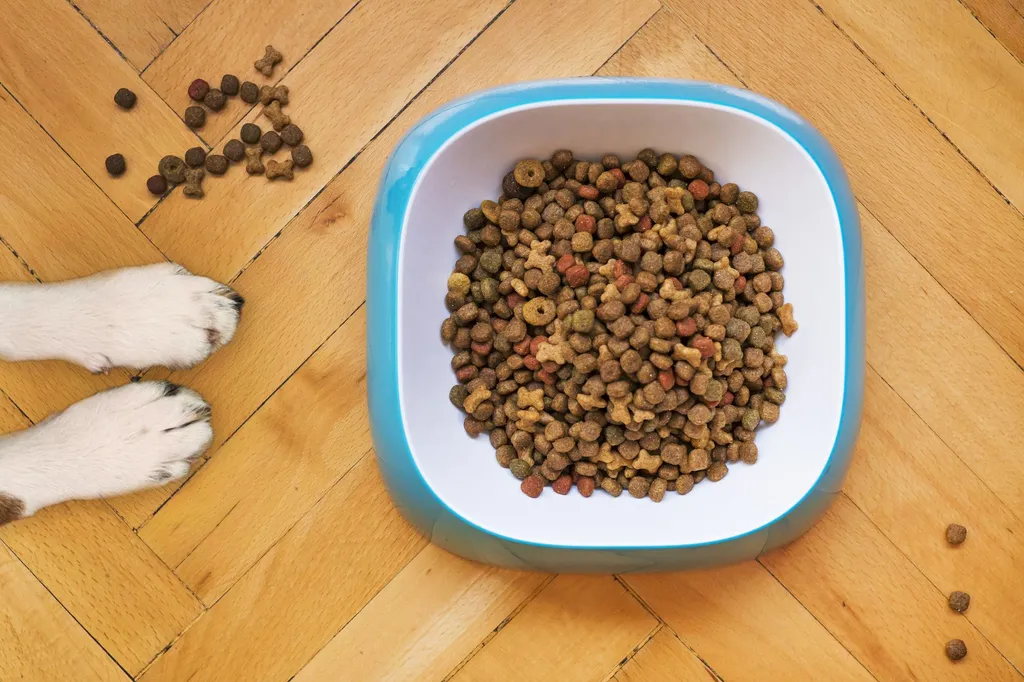
Dietary Modifications: The Foundation of Prevention
After my first experience with Bailey’s anal gland problems, our veterinarian emphasized that diet plays the single most important role in prevention. The goal is to ensure consistently firm, bulky stools that naturally apply pressure to the glands during defecation.
High-Fiber Food Additions That Work
I’ve experimented extensively with fiber sources, and here’s what has worked best for my pack:
Canned Pure Pumpkin (my go-to favorite)
I add 1-2 tablespoons of pure pumpkin (NOT pumpkin pie filling—that contains xylitol and spices that are dangerous for dogs) to each meal. The soluble and insoluble fiber content helps create perfectly formed stools. According to veterinary nutritionists, pumpkin’s fiber absorbs excess water in the digestive tract, resulting in firmer, more substantial bowel movements.
- Small dogs (under 15 lbs): 1 teaspoon per meal
- Medium dogs (15-50 lbs): 1-2 tablespoons per meal
- Large dogs (over 50 lbs): 2-4 tablespoons per meal
Fresh Cooked Pumpkin and Pumpkin Seeds
During autumn, I roast fresh pumpkin and puree it for my dogs. Unsalted pumpkin seeds (ground up) also provide fiber and beneficial nutrients.
Carrots and Beets
Steamed carrots and beets, chopped into small pieces or pureed, add natural fiber and nutrients. I rotate these with pumpkin to provide variety.
Psyllium Husk (Use With Caution)
Under veterinary guidance, small amounts of psyllium husk can be beneficial, but it MUST be accompanied by plenty of water. I only use this when specifically recommended by our vet because improper use can cause constipation.
Commercial Fiber Supplements
Several veterinary-grade fiber supplements are available. I prefer whole food sources, but supplements can be convenient and precisely dosed.
The Fiber-Stool-Anal Gland Connection
Here’s the science that helped me understand why this matters: When stool is soft or loose, it passes through the rectum without applying enough pressure to the anal glands. Think of trying to squeeze a tube of toothpaste with a feather—nothing happens. But firm, bulky stool acts like a firm squeeze, naturally expressing the glands with each bowel movement.
Studies referenced by veterinary institutions confirm that dietary fiber significantly reduces anal gland impaction frequency by promoting this natural expression mechanism.
Probiotics, Prebiotics, and Gut Health
Supporting overall digestive health creates the foundation for healthy anal gland function. I give my dogs daily probiotics formulated specifically for canines, which has improved their digestion and stool consistency.
According to research cited by veterinary sources, beneficial gut bacteria contribute to:
- Better nutrient absorption
- Improved stool formation
- Reduced inflammation throughout the digestive tract
- Enhanced immune function
Omega Fatty Acids for Inflammation Control
My dogs receive omega-3 fatty acid supplements (fish oil) daily. These natural anti-inflammatories help reduce overall inflammation in the body, which can benefit anal gland health by reducing swelling in the gland ducts and surrounding tissues.
Hydration: The Often-Overlooked Factor
Adequate water intake is essential for healthy digestive function. I always ensure my dogs have access to fresh, clean water and I’ve noticed that proper hydration contributes to consistently well-formed stools.
My hydration tips:
- Multiple water bowls throughout the house
- Fresh water at least twice daily
- Water fountains (my dogs drink more from flowing water)
- Ice cubes as treats in summer
Exercise: Strengthening the Natural Expression Mechanism
Regular physical activity strengthens the rectal and abdominal muscles involved in natural anal gland expression. The Washington State University College of Veterinary Medicine emphasizes that exercise also stimulates healthy, regular bowel movements.
Since increasing my dogs’ daily walks from one 20-minute walk to two 30-minute walks, I’ve noticed a significant decrease in anal gland issues. The movement gets things moving, if you know what I mean.
Warm Compresses: Gentle Relief for Minor Issues
When I notice early signs of fullness or mild discomfort (slight scooting but no other symptoms), I use warm compresses to provide relief and encourage natural drainage.
My warm compress technique:
- Soak a clean washcloth in warm (not hot) water
- Wring out excess water
- Gently hold the warm compress against the anal area for 5 minutes
- Repeat every hour until discomfort subsides or glands drain naturally
- Always monitor for worsening symptoms
This technique, recommended by veterinary sources, helps reduce inflammation and can facilitate drainage of mildly impacted glands. However, if symptoms persist beyond 24 hours or worsen, I immediately contact our vet.
What NOT to Do: The Dangers of Improper Home Expression
I cannot stress this enough: routine, preventive anal gland expression at home is NOT recommended and can actually create more problems than it solves.
When I first learned about anal glands, I thought I should express them regularly “just to be safe.” My veterinarian strongly discouraged this, explaining the significant risks involved.
Why Routine Expression Causes Problems
The AKC and PetMD clearly state that unnecessary manual expression can lead to:
Chronic Inflammation and Dependency
Repeatedly expressing glands that would empty naturally creates inflammation and scar tissue in the delicate ducts. Over time, this scar tissue narrows the ducts, making natural expression even more difficult. Your dog essentially becomes dependent on manual expression—a vicious cycle you’ve inadvertently created.
Physical Injury
The anal glands are delicate structures surrounded by sensitive tissues. Improper technique—squeezing too hard, incorrect positioning, or applying pressure to the wrong area—can cause severe pain, tissue damage, and even rupture healthy glands.
Introduction of Infection
Without proper hygiene and technique, bacteria can be introduced into the glands during manual expression, causing infection where none existed before.
Worsening Existing Problems
If glands are already impacted with thick secretions or infected, attempting home expression can push bacteria deeper into the tissues, spread infection, or cause an abscess to rupture internally rather than draining properly.
When Professional Expression IS Necessary
Despite the risks of routine expression, there are times when professional expression is absolutely necessary and beneficial:
- When your dog shows clear signs of discomfort or fullness
- When your vet identifies impacted glands during an examination
- When your dog has a history of chronic anal gland issues requiring regular monitoring
- As recommended by your veterinarian based on your individual dog’s needs
Our vet has shown me the proper external expression technique, but I only use it when she’s specifically identified fullness and instructed me to do so between appointments.
When to Seek Immediate Veterinary Care
Some situations absolutely require professional veterinary intervention—no exceptions. Through my years managing multiple dogs, I’ve learned that when it comes to anal gland issues, it’s always better to err on the side of caution.
Emergency Situations (Seek Care Immediately)
- Visible swelling or a lump near the anus: Could indicate abscess formation
- Any blood in discharge or around the anus: Sign of rupture or severe infection
- Open wound or obvious rupture: Requires immediate medical attention
- Severe pain when touched or sitting: Indicates advanced infection or abscess
- Lethargy, fever, or loss of appetite: Suggests systemic infection
- Straining to defecate with no stool production: Could indicate obstruction
Situations Requiring Prompt (But Not Emergency) Veterinary Care
- Persistent scooting lasting more than 24-48 hours
- Continuous licking or biting at the hind end
- Strong fishy odor that doesn’t resolve
- Any discharge from the anal area (even if not bloody)
- Reluctance to sit or obvious discomfort
- Visible inflammation or redness around the anus
Veterinary Treatment Options
Understanding what your vet might recommend helps you prepare and make informed decisions.
Professional Expression
Your veterinarian or veterinary technician can safely express impacted glands using proper technique. This may be done:
Externally: Applying pressure from outside the anus (similar to proper home technique but with professional expertise)
Internally: Inserting a gloved, lubricated finger into the rectum to express glands from inside (more thorough and effective for severely impacted glands)
When Bailey needed her first professional expression, I was amazed at how much relief she experienced immediately. The fishy smell was intense (fair warning—this is not pleasant to witness), but she stopped scooting within hours.
Treatment for Infection or Abscess
If infection is present, your vet will likely prescribe:
- Antibiotics: Oral or injectable to fight bacterial infection
- Pain medication: To manage discomfort during healing
- Anti-inflammatory drugs: To reduce swelling and inflammation
- Warm compresses: Instructions for at-home supportive care
For abscesses, your vet may need to:
- Lance and drain the abscess under sedation or anesthesia
- Flush the area with antiseptic solution
- Place a drain to prevent re-accumulation of pus
- Prescribe intensive antibiotic therapy
Surgical Options for Chronic Cases
In cases of recurring, severe anal gland problems that don’t respond to medical management, surgical removal of the anal glands (anal sacculectomy) may be recommended.
Our neighbor’s Cocker Spaniel underwent this procedure after years of monthly impaction and three serious infections. While it’s not a decision made lightly (the surgery carries risks including potential fecal incontinence), it completely resolved her chronic suffering. She’s been problem-free for five years now.
Ruling Out More Serious Conditions
Your veterinarian will also evaluate for conditions that can mimic or contribute to anal gland problems:
- Anal gland tumors: Cancerous growths can develop in the anal glands, presenting symptoms similar to infection
- Perianal fistulas: Chronic wounds resulting from long-term anal gland disease
- Rectal polyps or masses: Can cause similar discomfort and straining
- Allergies: Can contribute to inflammation and recurrent anal gland issues
According to PetMD, older dogs with persistent anal gland symptoms should always be evaluated for tumors, as early detection significantly improves treatment outcomes.
Frequently Asked Questions About Dog Anal Gland Issues
Can I prevent anal gland problems entirely?
While you can’t guarantee your dog will never experience anal gland issues, you can significantly reduce the risk through consistent preventive care. In my experience with three dogs over many years, the combination of high-fiber diet, regular exercise, proper hydration, and early symptom recognition has reduced anal gland problems by about 80% compared to when I didn’t implement these strategies.
The key factors I focus on:
- Maintaining optimal body weight: Obesity increases anal gland problem risk
- Feeding a high-fiber diet: Creating consistently firm stools
- Ensuring regular exercise: Supporting muscle tone and digestive health
- Monitoring for early signs: Addressing issues before they become serious
However, some dogs are simply more prone to anal gland problems due to genetics, anatomy, or underlying health conditions. My Chihuahua mix requires much more vigilant monitoring than my larger dogs, despite receiving identical care.
How often do normal dogs need their anal glands expressed?
Here’s the truth that surprised me: most dogs never need manual anal gland expression. According to the AKC, healthy dogs with normal anal gland function naturally empty their glands with each bowel movement throughout their entire lives without any intervention.
If your dog requires manual expression more than 2-3 times per year, something is preventing natural expression, and you should work with your veterinarian to identify the underlying cause rather than just treating the symptom.
Red flags that indicate an underlying problem:
- Needing expression monthly or more frequently
- Glands that re-fill immediately after expression
- Persistent symptoms between expressions
- Gradual increase in expression frequency over time
In these cases, your vet should investigate:
- Dietary issues causing soft stool
- Anatomical abnormalities
- Chronic inflammation or infection
- Allergies contributing to inflammation
- Underlying metabolic or digestive disorders
Is the fishy smell always from anal glands?
While anal gland issues are the most common cause of that distinctive fishy odor, other conditions can produce similar smells:
Possible alternative causes:
- Urinary tract infections: Especially in female dogs
- Skin infections or yeast overgrowth: Particularly in skin folds
- Dental disease: Can produce strong, unpleasant odors
- Ear infections: Some ear infections produce surprisingly fishy smells
- Dietary factors: Certain foods or digestive issues can affect body odor
When my Lab mix developed a fishy smell, I automatically assumed anal glands. Our vet discovered she actually had a skin fold infection under her tail—completely different issue, different treatment. So while anal glands are the likely culprit, always have your vet confirm the source rather than assuming.
Can certain breeds be more susceptible to anal gland problems?
Absolutely. Through my years in multi-dog playgroups and talking with other dog parents, I’ve noticed distinct breed patterns that align with veterinary research.
Higher-risk breeds include:
Small and Toy Breeds:
- Chihuahuas
- Toy and Miniature Poodles
- Yorkshire Terriers
- Shih Tzus
- Lhasa Apsos
Specific Larger Breeds:
- Cocker Spaniels (notorious for anal gland problems)
- Basset Hounds
- Beagles
- German Shepherds
Why these breeds?
According to veterinary sources, several factors contribute:
- Anatomical variations in gland size and duct positioning
- Genetic predisposition to skin conditions and allergies
- Body composition and weight distribution
- Stool consistency variations
My Chihuahua mix has needed professional expression 4-5 times over her 8-year life, while my Golden Retriever has never had a single anal gland issue. Same household, same diet, same care—but completely different anatomical predispositions.
Living with a Dog Prone to Anal Gland Issues: My Personal Strategy
After years of managing anal gland issues across multiple dogs, I’ve developed a comprehensive prevention and monitoring strategy that minimizes problems and catches issues early.
My Daily Routine
Morning:
- Add 2 tablespoons of pure pumpkin to each dog’s breakfast
- Ensure all water bowls are freshly filled
- 30-minute morning walk before I start work
Evening:
- Probiotic supplements with dinner
- Second 30-minute walk
- Quick rear-end check during evening cuddle time (looking for redness, swelling, or that fishy smell)
My Weekly Monitoring Checklist
Every Sunday, I do a more thorough health check on each dog:
✓ Check for any scooting behavior during the week
✓ Inspect the anal area for swelling, redness, or discharge
✓ Assess stool consistency (firm and well-formed is the goal)
✓ Note any excessive licking or rear-end attention
✓ Evaluate overall behavior and comfort levels
My Monthly Deep Dive
Once a month, I document:
- Any anal gland-related incidents or concerns
- Dietary changes or treats that might affect stool consistency
- Exercise level variations
- Any patterns or triggers I’ve noticed
This documentation has been invaluable during vet visits, helping our veterinarian identify patterns I might have missed.
The Bottom Line on Dog Anal Gland Issues
Dog anal gland problems are common, uncomfortable, and entirely manageable with proper understanding and proactive care. The fishy-smelling, scooting-prone reality of anal gland issues isn’t glamorous, but it’s part of responsible dog ownership that we need to address with the same attention we give to nutrition, exercise, and training.
Through my journey with multiple dogs experiencing varying degrees of anal gland issues, I’ve learned that prevention through diet and lifestyle is far more effective—and less stressful for everyone—than reactive treatment. A high-fiber diet, regular exercise, proper hydration, and vigilant monitoring form the foundation of anal gland health.
Most importantly, I’ve learned to trust my instincts and my veterinarian’s expertise. When something seems off—even if I can’t quite identify what—I reach out to our vet. Anal gland issues can escalate quickly from minor discomfort to serious infection, so early intervention is always the best approach.
Your dog depends on you to recognize when something’s wrong and seek appropriate care. By understanding the signs, implementing preventive strategies, and knowing when to seek professional help, you’re giving your furry family member the best chance at a comfortable, healthy life—free from the discomfort of anal gland issues.
And yes, my living room carpet has survived multiple anal gland incidents (thank goodness for enzymatic cleaners). If you’re navigating this challenge with your own dogs, know that you’re not alone—and with the right approach, you can minimize these issues and keep your pup comfortable and happy.