Dog Ear Mites: Safe Home Remedies & Vet Tips

Why Home Treatment of Dog Ear Mites Is Not Recommended
Treating dog ear mites at home is generally not effective for complete eradication and carries significant risks, including misdiagnosis, worsening infection, and potential toxicity from unproven remedies. Professional veterinary diagnosis and prescription medication are essential for effective and safe treatment of ear mites (Otodectes cynotis) in dogs.
While many pet owners search for convenient home solutions, ear mites require proper medical intervention to prevent complications such as secondary bacterial infections, ear hematomas, permanent ear canal damage, and hearing loss.
Veterinary Disclaimer
Important Medical Notice: The information provided in this article is for educational purposes only and does not constitute veterinary medical advice. Ear mite infestations require professional diagnosis and treatment. If you suspect your dog has ear mites, contact your veterinarian immediately for proper examination and prescription medication. Delaying professional care or attempting unproven home remedies can result in serious complications and permanent damage to your dog’s ears.
Understanding Dog Ear Mites: The Critical Need for Professional Diagnosis
Ear mites are microscopic parasites that infest the ear canals of dogs, causing intense irritation and discomfort. According to veterinary research, Otodectes cynotis mites are highly contagious and can rapidly spread among household pets. These parasites feed on ear wax and oils, creating inflammation and triggering the body’s immune response.
Common dog ear mite symptoms include:
- Intense scratching at the ears and head
- Vigorous head shaking
- Dark, coffee-ground-like discharge from the ears
- Redness and inflammation of the ear canal
- Foul odor emanating from the ears
- Crusted skin around the ear area
- Behavioral changes due to discomfort
The Diagnostic Challenge: Why Home Assessment Fails
The primary problem with attempting to treat ear mites at home begins with diagnosis. The symptoms of ear mites closely mimic other common ear conditions, making accurate identification without veterinary equipment nearly impossible.
| Condition | Similar Symptoms | Key Differences | Diagnostic Method |
|---|---|---|---|
| Ear Mites | Dark discharge, itching, head shaking | Coffee-ground appearance, highly contagious | Otoscopic exam + microscopy |
| Yeast Infection | Dark discharge, odor, inflammation | Brown/yellow discharge, sweet smell | Culture and cytology |
| Bacterial Infection | Discharge, pain, redness | Yellow/green pus, severe pain | Culture and sensitivity testing |
| Allergies | Itching, redness, inflammation | Seasonal patterns, affects multiple body areas | Elimination trials, allergy testing |
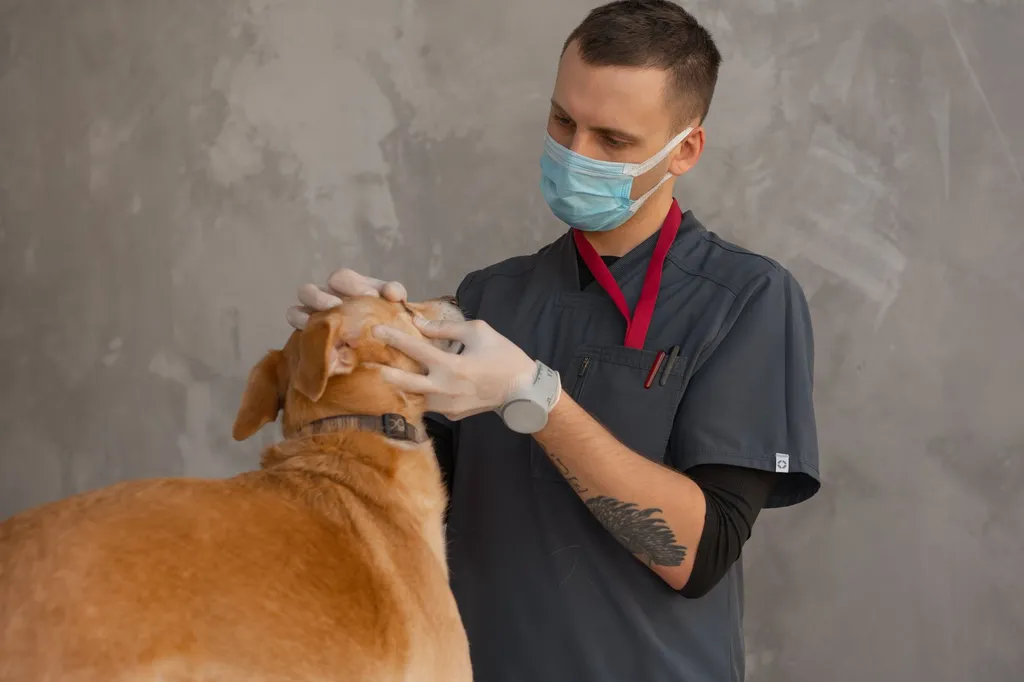
Veterinarians use an otoscope to visualize the ear canal and collect samples for microscopic examination. This process definitively identifies mites—something impossible to replicate at home.
How to Treat Dog Ear Mites at Home: The Evidence-Based Reality
The straightforward answer is that effective home treatment of dog ear mites is not achievable with commonly recommended home remedies. While internet sources frequently promote various oils, vinegar solutions, and herbal preparations, veterinary research demonstrates these methods are ineffective at completely eliminating mite infestations.
Why Popular Home Remedies Fail
Mineral Oil and Cooking Oils: While these substances may temporarily smother some mites, they cannot penetrate deeply enough to eliminate eggs and larvae developing within the ear canal. Mites complete their life cycle in approximately 21 days, and incomplete treatment allows the infestation to continue.
Apple Cider Vinegar: Despite widespread promotion as a natural ear mite treatment, vinegar does not possess antiparasitic properties effective against ear mites. Additionally, apple cider vinegar can sting raw, irritated skin and open wounds caused by scratching, increasing your dog’s discomfort rather than alleviating it.
Essential Oils: Products like tea tree oil and eucalyptus oil are frequently recommended online but pose serious toxicity risks. According to veterinary toxicology reports, essential oils can be absorbed through skin or ingested when dogs lick their ears, potentially causing neurological symptoms, liver damage, and other serious health complications.
Hydrogen Peroxide: This substance irritates delicate ear tissue, disrupts natural healing processes, and causes significant pain in already inflamed ears. Hydrogen peroxide can also damage healthy cells and delay recovery.
The Serious Risks of Delaying Veterinary Treatment
Attempting home treatment while avoiding professional veterinary care exposes dogs to multiple serious health risks that can result in permanent damage.
Progression of Untreated Ear Mite Infestations
Secondary Bacterial and Yeast Infections: The inflammation and tissue damage caused by ear mites create an ideal environment for opportunistic bacteria and yeast. These secondary infections significantly worsen symptoms and require additional antibiotic or antifungal treatment.
Ear Hematomas: Constant head shaking and scratching can rupture blood vessels within the ear flap, causing blood to accumulate between the skin and cartilage. Ear hematomas are painful, disfiguring, and often require surgical intervention to resolve properly.
Ear Canal Stenosis: Chronic inflammation from untreated mites can cause the ear canal walls to thicken and narrow, a condition called stenosis. This permanent structural change makes future infections more likely and more difficult to treat.
Ruptured Eardrum: Severe infections can erode the tympanic membrane (eardrum), potentially causing middle ear infections, vestibular symptoms (loss of balance), and permanent hearing loss.
Permanent Hearing Loss: Long-term damage to the ear structures from chronic mite infestation and secondary infections can result in irreversible hearing impairment.
Toxicity and Irritation from Improper Home Treatments
| Home Remedy | Claimed Benefit | Actual Risk | Veterinary Assessment |
|---|---|---|---|
| Tea Tree Oil | Natural antiparasitic | Severe toxicity, neurological damage, liver failure | Dangerous and contraindicated |
| Eucalyptus Oil | Antimicrobial properties | Toxic to dogs, respiratory distress | Never use on pets |
| Hydrogen Peroxide | Cleaning agent | Tissue damage, pain, delayed healing | Harmful to inflamed ears |
| Vinegar Solutions | pH adjustment | Burns raw skin, ineffective against mites | Not recommended |
| Garlic Oil | Natural antiparasitic | Toxic to dogs, causes anemia | Dangerous |
Professional Veterinary Treatment: The Only Effective Approach
Veterinarians have access to prescription medications specifically formulated to eliminate ear mites efficiently and safely. These treatments address the complete mite life cycle and prevent reinfestation.
Prescription Antiparasitic Medications
Topical Ear Medications: Products containing selamectin, moxidectin, or ivermectin are applied directly into the ear canal. These medications kill adult mites, larvae, and eggs with high efficacy rates exceeding 95% when used as directed.
Oral Medications: Systemic treatments like fluralaner or sarolaner provide whole-body parasite protection and effectively eliminate ear mites. These medications are particularly useful for dogs with multiple parasitic conditions or those in multi-pet households.
Injectable Treatments: In some cases, veterinarians may administer injectable ivermectin or similar medications for comprehensive parasite control.
Veterinary Ear Cleaning and Assessment
Before medication application, veterinarians perform professional ear cleaning to remove debris, discharge, and dead mites. This process ensures medications can penetrate effectively and allows thorough examination of the ear canal and eardrum.
The veterinary examination includes:
- Otoscopic visualization of the entire ear canal
- Assessment of eardrum integrity
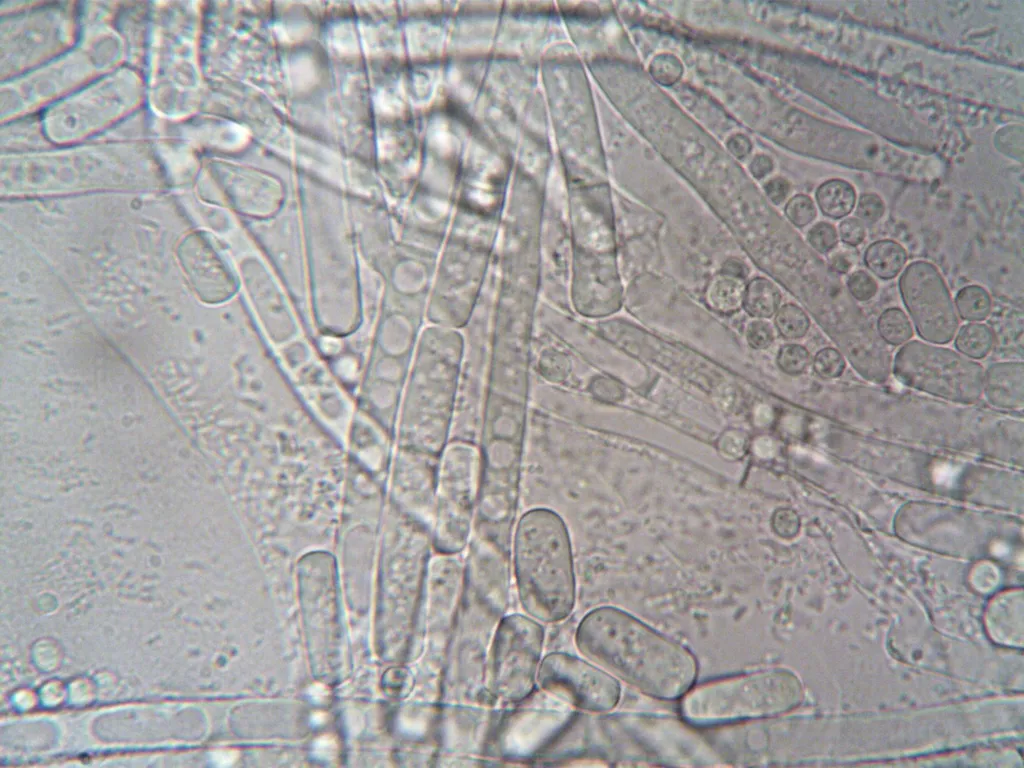
- Microscopic identification of mites in ear discharge samples
- Evaluation for secondary infections
- Pain assessment and management
- Treatment recommendations tailored to your dog’s specific condition
Safe Supportive Care While Awaiting Veterinary Treatment
While home remedies cannot eliminate ear mites, pet owners can provide appropriate supportive care to minimize discomfort during the period between symptom recognition and veterinary appointment.
Gentle External Ear Cleaning
Clean only the outer visible portions of the ear using a veterinary-approved ear cleanser. Never insert anything into the ear canal or use homemade solutions.
Proper cleaning technique:
- Moisten a soft cotton ball or gauze pad with vet-approved ear cleanser
- Gently wipe the visible portions of the ear flap and outer ear area
- Remove only debris that is readily accessible
- Avoid pushing any material deeper into the ear
- Use a separate clean pad for each ear to prevent cross-contamination
- Never use cotton swabs or insert anything into the ear canal
Preventing Self-Trauma
Ear mites cause intense itching that compels dogs to scratch aggressively, potentially causing additional injury.
Protection strategies:
- Elizabethan Collar (E-collar): A properly fitted recovery collar prevents scratching and head shaking that can worsen injury
- Soft Padded Collars: Inflatable or soft cone alternatives provide comfort while preventing self-trauma
- Nail Trimming: Keep nails short to minimize damage if scratching occurs
- Distraction and Supervision: Redirect your dog’s attention with interactive activities during periods of intense itching
Environmental Management for Puppy Ear Mites and Multi-Pet Households
Ear mites are highly contagious among dogs and cats sharing living spaces. Environmental control reduces transmission risk but does not replace veterinary treatment for infected animals.
Environmental hygiene practices:
- Wash all pet bedding in hot water weekly
- Vacuum carpets, furniture, and pet areas thoroughly
- Disinfect food bowls, toys, and grooming tools
- Isolate infected pets from other animals when possible
- Schedule veterinary examinations for all household pets, even those without symptoms
According to veterinary epidemiology studies, ear mites can survive off the host for limited periods, making environmental decontamination an important adjunct to medical treatment.
Ear Mite Prevention for Dogs: Long-Term Strategies
After successful veterinary treatment, implementing prevention strategies reduces the risk of reinfestation and maintains optimal ear health.
Regular Ear Examinations
Weekly ear checks should include:
- Visual inspection of the ear flap for redness, swelling, or lesions
- Gentle examination of the ear canal opening (without probing deeply)
- Assessment for odor, discharge, or excessive wax
- Observation of your dog’s behavior for signs of discomfort
Early detection of problems allows prompt veterinary intervention before conditions worsen.
Routine Preventive Medications
Many monthly parasite preventives provide protection against ear mites as part of comprehensive parasite control.
Common preventive products with ear mite efficacy:
- Selamectin (Revolution): Topical medication preventing heartworms, fleas, ear mites, and some intestinal parasites
- Moxidectin/Imidacloprid (Advantage Multi): Broad-spectrum prevention including ear mites
- Fluralaner (Bravecto): Oral medication with extended duration parasite control
Consult your veterinarian about incorporating ear mite prevention into your dog’s regular parasite control program.
Maintaining Ear Health
Proper ear care practices:
- Keep ears dry after swimming or bathing
- Use veterinary-recommended ear drying solutions if your dog swims frequently
- Avoid over-cleaning, which can disrupt the ear’s natural protective barriers
- Address underlying allergies that may compromise ear health
- Schedule regular veterinary wellness examinations
Dogs with drop ears (like Cocker Spaniels and Basset Hounds) have reduced air circulation in their ear canals, increasing moisture and creating conditions favorable for both mite infestations and infections. These breeds benefit from more frequent monitoring and preventive care.
Ear Mite vs Ear Infection: Critical Distinctions
Understanding the differences between ear mites and other ear conditions prevents misdiagnosis and inappropriate treatment attempts.
Clinical Presentation Differences
Ear Mite Characteristics:
- Coffee-ground appearance of ear discharge (dried blood and mite waste)
- Intense itching disproportionate to visible inflammation
- Highly contagious to other pets
- Often affects both ears simultaneously
- More common in puppies and young dogs
- May spread to other body areas (head, neck, tail base)
Bacterial Ear Infection Characteristics:
- Yellow, green, or cream-colored pus discharge
- Strong, unpleasant odor
- Severe pain when ears are touched
- Usually affects one ear initially
- Often associated with moisture, allergies, or foreign objects
- May cause head tilt or balance problems if middle ear is involved
Yeast Infection Characteristics:
- Brown or yellow-brown discharge
- Distinctive sweet or musty odor
- Greasy feel to ear discharge
- Often associated with allergies or underlying immune conditions
- May be chronic or recurring
- Typically not contagious to other pets
The Importance of Veterinary Differentiation
Attempting to treat a bacterial or yeast infection as if it were ear mites (or vice versa) delays appropriate therapy and allows the condition to worsen. Each condition requires specific medications:
- Ear mites: Antiparasitic medications
- Bacterial infections: Antibiotics
- Yeast infections: Antifungal medications
- Allergies: Allergen management and anti-inflammatory therapy
Many cases involve multiple concurrent problems. For example, ear mite infestations frequently develop secondary bacterial or yeast infections requiring combination therapy. Only veterinary examination can identify all conditions present and prescribe appropriate comprehensive treatment.
The Complete Treatment Protocol: What to Expect from Your Veterinarian
Understanding the professional treatment process helps pet owners prepare for veterinary visits and comply with treatment recommendations.
Initial Veterinary Examination
Comprehensive assessment includes:
- Medical History: Discussion of symptom duration, previous ear problems, current medications, and household pet status
- Physical Examination: Overall health assessment and specific ear evaluation
- Otoscopic Examination: Visual inspection of the ear canal and eardrum using specialized equipment
- Diagnostic Sampling: Collection of ear discharge for microscopic examination
- Diagnostic Confirmation: Microscopic identification of live mites, eggs, or larvae
- Secondary Problem Assessment: Evaluation for concurrent bacterial or yeast infections
Prescribed Treatment Protocol
Typical veterinary treatment plan:
Week 1-2:
- Professional ear cleaning and debris removal
- Application of prescription antiparasitic medication
- Treatment of secondary infections if present
- Pain management if needed
- Instructions for home medication administration
Week 3-4:
- Follow-up examination to assess treatment response
- Additional medication application if required
- Verification of mite elimination through microscopic examination
- Treatment adjustment if secondary infections persist
Ongoing:
- Treatment of all household pets to prevent reinfestation
- Environmental decontamination recommendations
- Discussion of preventive strategies
- Monitoring schedule for early detection of recurrence
Treatment of All Household Pets
Ear mites spread rapidly among dogs and cats in close contact. Veterinary protocols typically recommend treating all household pets regardless of symptom presence, as some animals may carry mites asymptomatically while serving as reservoirs for reinfestation.
Multi-pet treatment considerations:
- All dogs in the household require examination and treatment
- Cats are highly susceptible and must be included in treatment protocols
- Puppies and kittens may require age-appropriate medication formulations
- Treatment must continue for the complete mite life cycle (minimum 21 days)
- Follow-up examinations confirm elimination in all animals
Frequently Asked Questions About Dog Ear Mites
Can I use olive oil or coconut oil to treat my dog’s ear mites at home?
While olive oil and coconut oil may provide temporary relief by mechanically smothering some adult mites, these substances cannot eliminate eggs and developing larvae that continue the infestation. Oil-based home remedies are significantly less effective than prescription antiparasitic medications, which achieve cure rates exceeding 95% when used properly.
Additionally, applying oils to inflamed ears without veterinary guidance risks several complications. The oil can trap debris and moisture, creating conditions favorable for bacterial and yeast overgrowth. If the eardrum is damaged—a condition only detectable through otoscopic examination—introducing oil into the middle ear can cause serious complications including vestibular symptoms and permanent hearing damage.
Veterinary-prescribed treatments specifically target ear mites throughout their complete life cycle and include medications that penetrate ear canal tissue where mites reside. Professional treatment ensures complete elimination and prevents the chronic, recurring infestations common with inadequate home remedy approaches.
How long does it take to completely eliminate ear mites with proper veterinary treatment?
The complete ear mite life cycle spans approximately 21 days from egg to adult. Effective treatment must address all life stages present in the ear canal during this period. With appropriate prescription antiparasitic medications, most dogs show significant symptom improvement within 7-10 days as adult mites are killed and inflammation subsides.
However, veterinary protocols typically require treatment continuation for 3-4 weeks to ensure elimination of mites that were in egg or larval stages during initial treatment. Some modern medications with extended activity periods may reduce treatment duration, but premature discontinuation risks allowing surviving mites to repopulate the ear canal.
Secondary infections resulting from mite damage may require additional treatment time beyond mite elimination. Follow-up veterinary examinations verify complete resolution through microscopic examination of ear samples. Rushing treatment or failing to complete the full prescribed course is the primary reason for treatment failure and recurring infestations.
Are certain dog breeds more susceptible to ear mite infestations?
While ear mites can affect any dog regardless of breed, certain anatomical and environmental factors influence susceptibility. Puppies and young dogs under one year of age are significantly more vulnerable to ear mite infestations due to immature immune systems and frequent contact with other young animals in breeding, shelter, or training environments.
Dogs with drop ears or heavy ear leather (such as Cocker Spaniels, Basset Hounds, Beagles, and Labrador Retrievers) have reduced air circulation in their ear canals, creating warmer, more humid conditions where mites thrive. However, breed anatomy affects secondary infection risk more than primary mite infestation susceptibility.
Dogs in multi-pet households, particularly those including cats (which have higher natural ear mite prevalence), face increased exposure risk. Shelter dogs, rescue animals, and dogs from breeding facilities with inadequate parasite control programs show elevated infestation rates. Regular veterinary care, parasite prevention protocols, and prompt treatment of any ear symptoms minimize risk regardless of breed predisposition.
Conclusion: Prioritizing Professional Veterinary Care for Ear Mite Treatment
The evidence unequivocally demonstrates that effective treatment of dog ear mites requires professional veterinary diagnosis and prescription medication. While numerous home remedies circulate through internet sources and well-meaning advice, these approaches lack efficacy and expose dogs to serious risks including prolonged suffering, permanent ear damage, toxic reactions, and treatment-resistant secondary infections.
Key principles for responsible ear mite management:
- Recognize symptoms early and seek veterinary care promptly
- Avoid self-diagnosis and unproven home treatments
- Follow prescribed treatment protocols completely
- Include all household pets in treatment plans
- Implement preventive strategies to avoid reinfestation
- Maintain regular veterinary wellness examinations for early problem detection
The relationship between pet owners and veterinary professionals ensures optimal outcomes through accurate diagnosis, effective treatment, and ongoing prevention. When ear health concerns arise, professional veterinary care provides the safest, most effective path to resolution and long-term wellbeing for dogs and their families.