Dog Heatstroke: Early Signs & What to Do

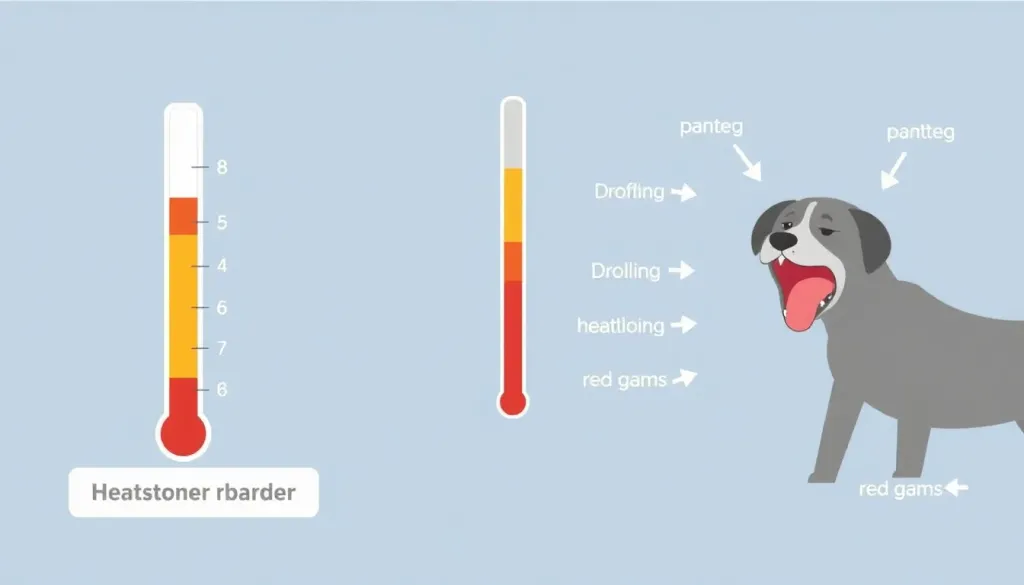
Early signs of heatstroke in dogs often include heavy panting, excessive drooling, bright red gums, an increased heart rate, and skin that feels hot to the touch, indicating their body is struggling to cool down. Recognizing these symptoms quickly can be the difference between a full recovery and a life-threatening emergency, as heatstroke progresses rapidly once a dog’s internal cooling mechanisms fail.
Veterinary Disclaimer
Important Medical Notice: This article provides educational information about the early signs of heatstroke in dogs and is not a substitute for professional veterinary care. Heatstroke is a medical emergency that requires immediate veterinary attention. If you suspect your dog is experiencing heatstroke, contact your veterinarian or emergency animal hospital immediately while beginning cooling measures. Time-sensitive intervention significantly impacts survival rates and long-term outcomes.
Understanding Heatstroke in Dogs: A Critical Overview
Heatstroke, also known as hyperthermia, occurs when a dog’s body temperature rises to dangerous levels—typically above 103°F (39.4°C) and potentially reaching 106°F (41°C) or higher—and the animal cannot effectively dissipate heat. According to the American Kennel Club (AKC), dogs rely primarily on panting to regulate their body temperature, as they have minimal sweat glands located only in their paw pads. When environmental conditions overwhelm this limited cooling system, the body’s core temperature escalates rapidly.
Unlike humans who sweat across their entire body surface, dogs face significant physiological limitations in heat dissipation. This makes them particularly vulnerable during hot weather, especially when exposed to high humidity, inadequate shade, or strenuous exercise. PetMD emphasizes that heatstroke can develop within minutes under extreme conditions, making early recognition absolutely critical for preventing organ damage, neurological complications, and death.
The condition progresses through distinct stages, beginning with heat stress, advancing to heat exhaustion, and culminating in full heatstroke. Each stage presents increasingly severe symptoms, but the transition between stages can occur rapidly. Dog owners must understand these early warning signs to intervene before irreversible damage occurs.
Early Signs of Heatstroke in Dogs: Comprehensive Symptom Analysis
Recognizing the initial indicators of heatstroke enables prompt intervention that can save a dog’s life. The ASPCA and veterinary experts have identified a constellation of early warning signs that dog owners should monitor carefully, particularly during warm weather or physical activity.
Primary Physical Symptoms
Excessive or Frantic Panting and Rapid Breathing: One of the earliest and most noticeable signs involves dramatic changes in respiratory patterns. Dogs experiencing heat stress will pant heavily with their tongues extended far from their mouths. This panting becomes increasingly frantic and may appear labored or distressed, distinctly different from normal post-exercise breathing. The respiratory rate accelerates significantly as the body attempts to increase heat dissipation through evaporative cooling.
Excessive Drooling with Changed Consistency: According to PetMD, dogs in early heatstroke stages produce copious amounts of saliva that may become thick, ropy, and sticky in texture. This excessive drooling, also called hypersalivation, occurs as the body’s stress response activates and salivary glands work overtime. The saliva may appear foamy or viscous rather than the normal watery consistency.
Bright Red or Dark Red Gums and Tongue: Mucous membrane color provides critical diagnostic information. In early heatstroke, the gums and tongue typically become bright red or brick-red due to vasodilation (blood vessel expansion) as the body attempts to dissipate heat through peripheral circulation. This differs dramatically from the healthy pink color of normal gums. As heatstroke progresses without treatment, these tissues may turn pale, white, blue, or purple, indicating circulatory failure.
Elevated Heart Rate and Rapid Pulse: The cardiovascular system responds to rising body temperature by accelerating heart rate to circulate blood more rapidly and transport heat to the body surface. A dog’s normal resting heart rate ranges from 60-140 beats per minute depending on size, but during heatstroke, this can exceed 180 beats per minute. The pulse feels strong and bounding in early stages.
Behavioral and Neurological Indicators
Restlessness, Hyperactivity, and Frantic Behavior: Dogs experiencing early heat stress often display sudden behavioral changes, including pacing, inability to settle, and frantic searching for cooler locations. They may desperately seek shade, dig at cool ground, or repeatedly try to access water sources. This hyperactivity represents the body’s stress response and discomfort from elevated temperature.
Weakness, Lethargy, and Fatigue: Conversely, some dogs exhibit profound weakness and lethargy as early signs. They may lie down frequently, appear unusually tired despite minimal exertion, or show reluctance to move. According to the AKC, this fatigue results from the body diverting energy resources to cooling mechanisms and away from normal muscular function.
Difficulty Maintaining Balance or Wobbliness: Coordination problems emerge as neurological function becomes affected by rising body temperature. Dogs may appear unsteady on their feet, stumble when walking, or have difficulty maintaining normal posture. This ataxia (loss of coordination) signals that the central nervous system is experiencing heat-related stress.
Confusion or Disorientation: Mental status changes manifest as confusion, disorientation, or altered responsiveness. Dogs may not recognize familiar people or environments, fail to respond to commands they normally obey, or appear “spaced out.” These cognitive symptoms indicate the brain is being affected by hyperthermia.
Physical Assessment Findings
Hot Skin Temperature: When touching the dog’s body, particularly the abdomen, back, and ears, the skin feels noticeably warmer than normal. This elevated surface temperature reflects the dangerously high core body temperature beneath.
Dry or Tacky Mucous Membranes: Despite excessive drooling, the gums and inner mouth surfaces may feel dry or tacky to the touch rather than moist and slippery. This indicates dehydration and compromised circulation to peripheral tissues.
Muscle Tremors or Spasms: Fine muscle tremors or visible twitching can occur as electrolyte imbalances develop and neurological function becomes impaired. These involuntary muscle movements signal escalating physiological stress.
Gastrointestinal Symptoms
Vomiting and/or Diarrhea: Gastrointestinal distress commonly accompanies early heatstroke. Dogs may vomit partially digested food, bile, or foam. Diarrhea can occur, and as the condition progresses, both vomiting and diarrhea may contain blood due to gastrointestinal tract damage from poor perfusion and cell death.
Heat Exhaustion vs Heatstroke in Dogs: Critical Distinctions
Understanding the difference between heat exhaustion and heatstroke helps owners assess severity and urgency. While these conditions exist on a continuum, key distinctions influence treatment decisions and prognosis.
Comparative Analysis Table
| Characteristic | Heat Exhaustion | Heatstroke |
|---|---|---|
| Body Temperature | 103-106°F (39.4-41.1°C) | Above 106°F (41.1°C) |
| Mental Status | Responsive but tired | Confusion, disorientation, or unconsciousness |
| Panting | Heavy but regular | Frantic, labored, or absent |
| Gum Color | Bright red | Bright red progressing to pale/blue |
| Coordination | Mild weakness | Severe ataxia, collapse |
| Recovery Response | Responds to cooling measures | May not respond adequately to cooling |
| Organ Function | Generally preserved | Risk of organ damage/failure |
| Emergency Status | Urgent veterinary care needed | Immediate life-threatening emergency |
PetMD clarifies that heat exhaustion represents the warning stage before heatstroke, where the body’s cooling mechanisms are overwhelmed but not yet completely failed. With prompt intervention—moving to a cool environment, providing water, and gentle cooling—dogs with heat exhaustion often recover without lasting effects. Heatstroke, however, indicates system-wide failure requiring emergency veterinary intervention including intravenous fluids, active cooling, and monitoring for complications such as disseminated intravascular coagulation (DIC), kidney failure, and brain damage.
Advanced Stages: When Early Signs Progress
Without intervention, early heatstroke symptoms rapidly escalate to life-threatening conditions. Understanding this progression underscores the critical importance of early recognition and immediate action.
Progression of Symptoms
As body temperature continues rising above 106°F (41.1°C), cellular damage begins occurring throughout the body. The AKC reports that at these extreme temperatures, proteins denature, cell membranes break down, and organs begin failing. Advanced symptoms include:
Cardiovascular Collapse: The heart struggles to maintain adequate circulation, blood pressure drops precipitously, and the pulse becomes weak or thready. Gums turn pale, white, or grayish-blue (cyanotic) indicating poor oxygenation.
Severe Neurological Dysfunction: Seizures may occur as brain temperature reaches critical levels. Dogs may lose consciousness, become comatose, or experience permanent brain damage. Pupils may become dilated or unresponsive to light.
Multi-Organ Failure: Kidneys cease producing urine (acute kidney injury), the liver sustains damage (hepatic necrosis), the gastrointestinal tract experiences widespread cell death leading to bloody vomiting and diarrhea, and disseminated intravascular coagulation (DIC) causes uncontrolled bleeding.
Complete Collapse and Unresponsiveness: Dogs in advanced heatstroke cannot stand, may be completely unresponsive to stimuli, and face imminent death without aggressive emergency medical intervention.
According to veterinary emergency medicine protocols, the mortality rate for heatstroke increases dramatically with each degree of body temperature above 109°F (42.8°C) and with delayed treatment. Dogs who survive severe heatstroke often face long-term complications including chronic kidney disease, neurological deficits, and cardiac abnormalities.
Breeds Susceptible to Heatstroke: Risk Factor Analysis
While any dog can develop heatstroke under the right circumstances, certain breeds face significantly elevated risk due to anatomical, physiological, and genetic factors.
High-Risk Breed Categories
Brachycephalic (Flat-Faced) Breeds: Dogs with shortened muzzles and compressed airways face the highest risk. These breeds include:
- Bulldogs (English, French, American)
- Pugs
- Boston Terriers
- Shih Tzus
- Boxers
- Pekingese
The anatomical abnormalities characteristic of brachycephalic syndrome—including stenotic nares (narrowed nostrils), elongated soft palate, and hypoplastic trachea—severely compromise respiratory efficiency. Since dogs rely primarily on panting for heat dissipation, these breeds cannot cool themselves effectively. PetMD notes that brachycephalic dogs may develop heatstroke even at temperatures that other breeds tolerate well.
Northern and Arctic Breeds: Dogs bred for cold climates possess thick double coats and physiological adaptations that make them poorly suited for warm weather:
- Siberian Huskies
- Alaskan Malamutes
- Samoyeds
- Bernese Mountain Dogs
- Saint Bernards
- Newfoundlands
These breeds retain heat more efficiently and struggle to dissipate it in warm environments, making them vulnerable to overheating during summer months or in warm climates.
Large and Giant Breeds: Size correlates with increased heatstroke risk, as larger body mass generates more metabolic heat and takes longer to cool. Giant breeds like Great Danes, Mastiffs, and Leonbergers face elevated risk, particularly when engaging in physical activity.
Dark-Coated Dogs: Dogs with black or dark-colored coats absorb more solar radiation than light-colored dogs, leading to faster body temperature elevation in sunny conditions.
Additional Risk Factors Beyond Breed
Age: Very young puppies (under 6 months) have underdeveloped thermoregulation systems, while senior dogs (over 7-8 years) often have compromised cardiovascular and respiratory function that reduces cooling efficiency.
Medical Conditions: Dogs with laryngeal paralysis, tracheal collapse, heart disease, obesity, hypothyroidism, or previous heatstroke episodes face dramatically increased risk. According to the ASPCA, obese dogs have a reduced ability to cool themselves due to insulating fat tissue and decreased exercise tolerance.
Medications: Certain drugs impair thermoregulation, including diuretics (which may cause dehydration), antihistamines, and medications that affect heart rate or blood pressure.
Acclimation Status: Dogs not acclimated to warm weather are at higher risk when temperatures suddenly rise. Gradual exposure to warmer conditions over 2-3 weeks allows physiological adaptations to occur.
First Aid for Dog Overheating: Immediate Response Protocol
When early signs of heatstroke appear, immediate action dramatically improves outcomes. The following evidence-based protocol, endorsed by veterinary emergency specialists, should be implemented while arranging emergency veterinary care.
Step-by-Step Emergency Response
Step 1: Remove from Heat Source Immediately
Move the dog to a cool, shaded area or air-conditioned environment. If outdoors, seek shade under trees, buildings, or create shade with umbrellas or tarps. Turn on air conditioning in vehicles, but never leave a dog unattended in a vehicle.
Step 2: Assess Body Temperature
If a rectal thermometer is available, take the dog’s temperature. Normal canine body temperature ranges from 100.5-102.5°F (38-39.2°C). Temperatures above 103°F indicate heat stress requiring intervention. Temperatures above 106°F constitute a medical emergency.
Step 3: Begin Cooling Measures
Start active cooling immediately, but avoid overcooling which can cause shock:
- Apply cool (not ice-cold) water to the body, particularly the abdomen, inner thighs, paw pads, and neck. Use a hose, wet towels, or pour water directly.
- Place wet towels soaked in cool water over the dog, replacing them frequently as they warm.
- Direct airflow over the dog using fans to increase evaporative cooling.
- Offer small amounts of cool water to drink if the dog is conscious and able to drink voluntarily. Never force water.
Critical Warning: Do NOT use ice or ice-cold water directly on the body. According to the AKC, this causes peripheral vasoconstriction (blood vessel narrowing at the skin surface), which paradoxically traps heat inside the body and prevents cooling. Ice also risks causing hypothermia (overcooling) which can be equally dangerous.
Step 4: Monitor Temperature During Cooling
Check rectal temperature every 5 minutes. Stop active cooling when temperature reaches 103°F (39.4°C) to prevent hypothermia. Continue monitoring as temperature may continue dropping or rebound upward.
Step 5: Transport to Emergency Veterinary Care
Even if the dog appears to recover, heatstroke causes internal damage that may not be immediately apparent. Continue cooling measures during transport. Call ahead to alert the veterinary hospital so they can prepare for arrival.
How to Cool Down a Dog Safely: Best Practices
Effective cooling balances rapid temperature reduction with safety considerations:
Optimal Cooling Methods Ranked by Effectiveness:
- Submersion in cool water (not practical for all situations but most effective when available)
- Running cool water over the body continuously
- Cool wet towels replaced frequently
- Evaporative cooling with water + airflow from fans
- Isopropyl alcohol on paw pads (small amounts only; alcohol evaporates rapidly creating cooling effect)
Methods to AVOID:
- Ice baths or ice packs directly on skin
- Covering the dog with dry towels (traps heat)
- Overcooling below 100°F (38°C)
- Forcing water orally if the dog is unconscious or seizing
PetMD emphasizes that the goal is to reduce body temperature by 1-2°F every 5 minutes until reaching 103°F, then stopping active cooling to prevent temperature overshoot.
Environmental Prevention Strategies
Preventing heatstroke proves far easier and safer than treating it. Comprehensive prevention strategies address environmental factors, activity management, and owner awareness.
Temperature and Timing Guidelines
Critical Temperature Thresholds: Research indicates that when ambient temperature reaches 90°F (32°C) or above, heatstroke risk increases dramatically, especially when combined with humidity above 50%. The heat index—which combines temperature and humidity—provides a more accurate risk assessment than temperature alone.
Activity Restrictions: The ASPCA recommends limiting outdoor exercise when temperatures exceed 75°F (24°C) for high-risk breeds and 85°F (29°C) for other dogs. Schedule walks during early morning (before 7 AM) or late evening (after 8 PM) when temperatures are lowest.
The “Five-Second Rule”: Before walking on pavement, place your palm on the surface for five seconds. If it’s too hot for your hand, it’s too hot for your dog’s paws. Hot pavement not only burns paws but also radiates heat upward into the dog’s body.
Environmental Modifications
Constant Access to Shade and Water: Outdoor dogs must have substantial shade that remains shady throughout the day as the sun moves. Provide multiple large water sources that cannot be tipped over. Consider adding ice cubes to water bowls to keep water cool longer.
Cooling Equipment: Utilize cooling mats, elevated cots that allow air circulation underneath, shallow wading pools, and misting systems. Wet towels or cooling vests can be effective for short-term outdoor activities.
Vehicle Safety: Never leave dogs in parked vehicles, even with windows cracked. According to the AKC, vehicle interior temperature can rise 20°F in just 10 minutes and reach lethal levels within 30 minutes, even on relatively mild 70°F days.
Activity Management Protocols
Gradual Conditioning: When increasing exercise intensity or introducing dogs to warmer weather, implement a gradual acclimation period of 2-3 weeks with progressively longer exposure times.
Exercise Modifications for High-Risk Dogs: Brachycephalic breeds, overweight dogs, and senior animals should have exercise limited to very short sessions (10-15 minutes maximum) during cool parts of the day. Swimming in cool water provides excellent exercise with minimal overheating risk.
Recognition of Individual Tolerance: Each dog has unique heat tolerance. Watch for early signs of distress including slowing pace, seeking shade, or excessive panting, and end activity immediately when these appear.
Veterinary Treatment for Heatstroke
Professional veterinary intervention provides critical care that cannot be replicated at home. Understanding what to expect helps owners make informed decisions and reinforces the importance of seeking emergency care.
Emergency Veterinary Procedures
Initial Stabilization: Upon arrival, the veterinary team assesses cardiovascular status, respiratory function, and body temperature. Supplemental oxygen may be provided via mask or nasal cannula to address respiratory distress.
Aggressive Cooling Continuation: Veterinarians continue active cooling using specialized techniques including cool water enemas, gastric lavage (stomach flushing) with cool fluids, and, in extreme cases, peritoneal lavage (flushing the abdominal cavity).
Intravenous Fluid Therapy: PetMD reports that IV fluids serve multiple critical functions: restoring hydration, supporting blood pressure, improving circulation to organs, and correcting electrolyte imbalances. Fluid rates and composition are carefully calculated based on the dog’s condition.
Comprehensive Monitoring: Blood tests assess organ function (kidney values, liver enzymes), electrolyte balance, blood sugar, blood clotting ability, and red blood cell levels. Urinalysis checks for kidney damage. Monitoring continues for 24-72 hours as complications can develop days after the initial incident.
Complication Management
Disseminated Intravascular Coagulation (DIC): This life-threatening clotting disorder requires plasma transfusions and intensive monitoring.
Acute Kidney Injury: Kidney failure may necessitate dialysis and specialized kidney support protocols.
Cerebral Edema: Brain swelling is managed with medications to reduce intracranial pressure and supportive care.
Arrhythmias: Heart rhythm abnormalities require cardiac medications and continuous ECG monitoring.
According to veterinary emergency medicine research, dogs surviving the initial 24-48 hours with appropriate treatment have significantly improved long-term prognosis, though some organ damage may be permanent.
Long-Term Prognosis and Recovery
Dogs who survive heatstroke face variable long-term outcomes depending on severity, duration of hyperthermia, and promptness of treatment.
Recovery Timeline and Expectations
Immediate Recovery (24-72 hours): Dogs who respond well to treatment typically show improvement in mental status, appetite, and energy levels within the first 3 days. However, organ function tests may reveal ongoing damage requiring continued monitoring.
Short-Term Recovery (1-2 weeks): Organ values should trend toward normal during this period. Dogs may require continued medications, dietary modifications, and activity restrictions.
Long-Term Monitoring (Months to Years): Some dogs develop chronic conditions including kidney disease requiring lifelong management. Neurological effects may be permanent. Dogs with a history of heatstroke remain at significantly elevated risk for future episodes and require special precautions permanently.
Survival Rates and Prognostic Factors
Veterinary literature indicates survival rates for heatstroke range from 50-90% depending on severity and treatment timing. Favorable prognostic indicators include:
- Body temperature below 109°F (42.8°C)
- Treatment initiated within 60 minutes of symptom onset
- Rapid response to cooling measures
- Absence of seizures or prolonged unconsciousness
- Normal organ function tests within 24-48 hours
Negative prognostic factors include temperatures above 109°F, delayed treatment, development of DIC, multi-organ failure, and seizures or coma.
Frequently Asked Questions About Early Signs of Heatstroke in Dogs
How quickly can heatstroke develop in dogs?
Heatstroke can develop with alarming speed—potentially within 15-30 minutes under extreme conditions such as being confined in a hot vehicle or engaging in intense exercise during hot weather. The progression from early signs to life-threatening emergency can occur in as little as 10-15 minutes once the body’s cooling mechanisms fail completely. This rapid onset makes early recognition absolutely critical.
According to the American Kennel Club, the timeline varies based on ambient temperature, humidity, breed susceptibility, individual health status, and concurrent risk factors. Brachycephalic breeds may show symptoms within 5-10 minutes of heat exposure that other dogs tolerate for longer periods. High-risk situations include temperatures above 90°F (32°C) combined with humidity above 50%, confinement in vehicles (where interior temperature can rise 20°F in just 10 minutes), and vigorous exercise during midday heat.
PetMD emphasizes that once body temperature exceeds 106°F (41.1°C), cellular damage begins occurring rapidly throughout the body, and the condition can become irreversible without immediate intervention. This underscores why prevention through environmental awareness and recognizing the earliest signs proves far more effective than treating advanced heatstroke.
Can a dog recover from heatstroke on their own without veterinary treatment?
No, dogs should never be left to recover from heatstroke without veterinary evaluation and treatment, even if symptoms appear to improve with home cooling measures. While immediate first aid cooling is essential and can prevent progression to severe stages, heatstroke causes internal organ damage that continues developing after body temperature normalizes. This delayed injury may not be apparent to owners but can be life-threatening.
The ASPCA stresses that heatstroke triggers a cascade of physiological problems including blood clotting abnormalities, kidney damage, liver injury, gastrointestinal tract breakdown, and neurological effects that require professional assessment and monitoring. Dogs may appear to recover initially, seeming normal within an hour or two, but then deteriorate 12-48 hours later as organ failure progresses. This delayed deterioration can be fatal without appropriate medical intervention.
Veterinary treatment provides critical supportive care that cannot be replicated at home: intravenous fluid therapy to restore circulation and support organ function, blood tests to identify organ damage early when treatment is most effective, medications to prevent complications like DIC or cerebral edema, and continuous monitoring for potentially fatal arrhythmias or kidney failure. According to PetMD, dogs receiving professional veterinary care within the first few hours of symptom onset have significantly better survival rates and reduced risk of long-term complications compared to those who receive only home treatment. Even if initial cooling brings body temperature down successfully, the appointment for immediate veterinary evaluation should never be skipped.
What is the difference between normal panting after exercise and dangerous panting from heatstroke?
Distinguishing normal post-exercise panting from dangerous heatstroke-related panting requires attention to several key characteristics. Normal panting after appropriate exercise gradually decreases within 5-10 minutes as the dog cools down, occurs with the mouth moderately open and tongue partially extended, has a regular rhythmic pattern, and resolves once the dog rests in a cool environment. The dog remains responsive, alert, and will typically drink water calmly when offered.
Dangerous heatstroke panting, by contrast, displays distinctly different patterns that veterinarians describe as “frantic” or “desperate.” According to the AKC, warning signs include excessive panting that continues unabated despite rest in a cool environment, breathing that appears labored or distressed rather than easy and rhythmic, the tongue extended far out of the mouth and possibly appearing swollen or dark in color, panting that increases in intensity rather than gradually decreasing, and noisy breathing with possible wheezing or gasping sounds.
Additional distinguishing factors include the dog’s behavior and physical condition: dogs with heatstroke panting often show concurrent symptoms like excessive drooling that becomes thick and ropy, inability to settle or rest despite obvious exhaustion, bright red gums that may progress to pale or blue coloration, weakness or wobbliness that wasn’t present immediately after exercise, and restless pacing while seeking water or cool surfaces obsessively. The context matters significantly—if panting continues for more than 10-15 minutes after moving to a cool environment and offering water, or if any other heatstroke symptoms accompany the panting, this indicates a medical emergency rather than normal thermoregulation.
PetMD notes that owners should also consider the dog’s baseline: brachycephalic breeds may pant more heavily than other dogs even during normal cooling, but owners familiar with their dog’s typical post-exercise recovery can recognize when panting seems more intense, prolonged, or distressed than usual for that individual animal. When in doubt, taking the dog’s rectal temperature provides objective data—temperatures above 103°F (39.4°C) indicate abnormal heat stress requiring intervention regardless of whether the panting appears “normal” to the owner’s subjective assessment.
Conclusion: Vigilance Saves Lives
The early signs of heatstroke in dogs—excessive panting, heavy drooling, bright red gums, increased heart rate, restlessness, and hot skin—represent critical warning signals that demand immediate action. Unlike many medical conditions that develop gradually over days or weeks, heatstroke progresses with terrifying speed, transforming from early symptoms to life-threatening emergency within minutes under the right circumstances.
Recognition of these early indicators empowers owners to intervene during the narrow window when cooling measures and immediate veterinary care can prevent irreversible organ damage and save lives. The combination of prompt home first aid—moving to a cool environment, applying cool water to the body, and ensuring access to drinking water—with urgent veterinary evaluation and treatment provides the best possible outcome for dogs experiencing heat-related emergencies.
Prevention through education, environmental awareness, and breed-specific precautions remains the most effective strategy. Understanding that certain dogs face dramatically elevated risk due to facial structure, coat characteristics, age, or medical conditions allows owners to implement tailored protective measures. Simple precautions like avoiding midday exercise during hot weather, ensuring constant access to shade and water, never leaving dogs in vehicles, and recognizing individual heat tolerance can prevent the vast majority of heatstroke cases.
As temperatures continue rising due to climate change and extreme heat events become more frequent, awareness of heatstroke symptoms and prevention strategies grows increasingly critical for responsible dog ownership. The information provided here, based on guidance from the American Kennel Club, PetMD, and the ASPCA, equips dog owners with the knowledge to protect their canine companions during warm weather while recognizing and responding appropriately to the earliest signs that indicate their dog’s life may be in danger.