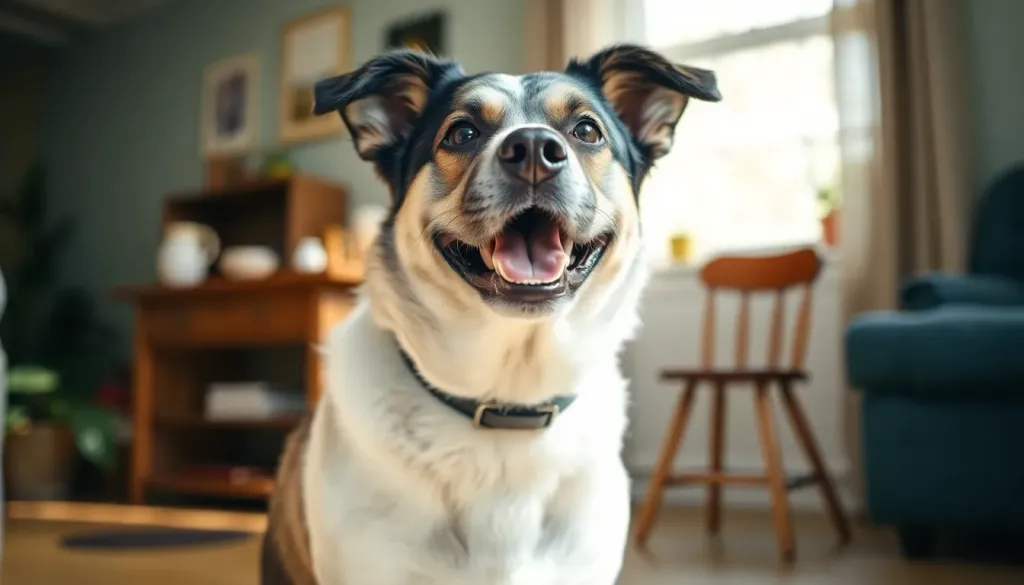
Recovery Suit vs. Cone: Which is Best for Dogs?
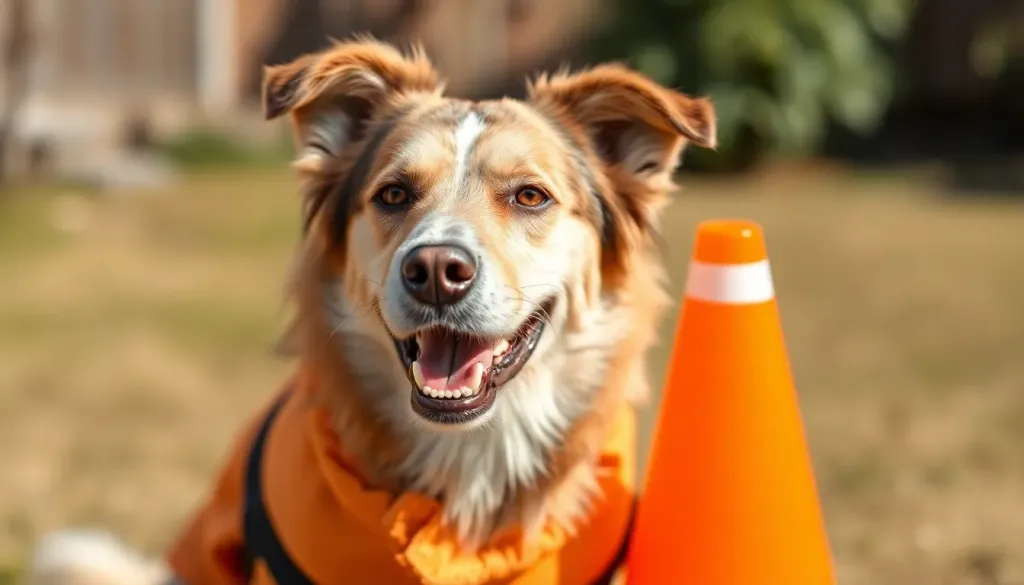
Quick Answer
When it comes to protecting your dog during recovery, recovery suits are often a more comfortable and less stressful alternative for protecting body wounds, while cones (Elizabethan collars) remain essential for wounds on the head, extremities, or for determined lickers who may bypass a suit. The choice between a dog recovery suit and a cone depends primarily on wound location, your dog’s temperament, and the specific surgical or medical situation at hand.
⚠️ VETERINARY DISCLAIMER
This article provides general information based on veterinary research and expert opinions. Always consult with your licensed veterinarian before choosing a post-operative protection method for your dog. Every dog’s medical situation is unique, and only a qualified veterinary professional can recommend the appropriate recovery solution based on your pet’s specific needs, surgical procedure, and overall health condition.
Understanding Post-Surgery Dog Care: The Evolution Beyond Traditional Cones
The landscape of canine post-operative care has undergone significant transformation in recent years. Traditional Elizabethan collars, commonly known as “cones of shame,” have long been the standard method for preventing dogs from interfering with surgical sites. However, veterinarians and pet care specialists have increasingly recognized the stress and discomfort these devices can cause, leading to the development and widespread adoption of surgical recovery suits for dogs.
The American Kennel Club (AKC) notes that the primary goal of any post-operative protection method is to prevent self-trauma while minimizing stress and maintaining quality of life during the healing process. Both recovery suits and cones serve this fundamental purpose, but they approach it through different mechanisms and with varying degrees of comfort for the animal.
According to veterinary behavioral specialists, the psychological impact of recovery devices on dogs should not be underestimated. Dogs experiencing significant stress during recovery may exhibit reduced appetite, disrupted sleep patterns, and delayed healing times. This has driven the search for more comfortable dog recovery alternatives that still provide adequate wound protection.
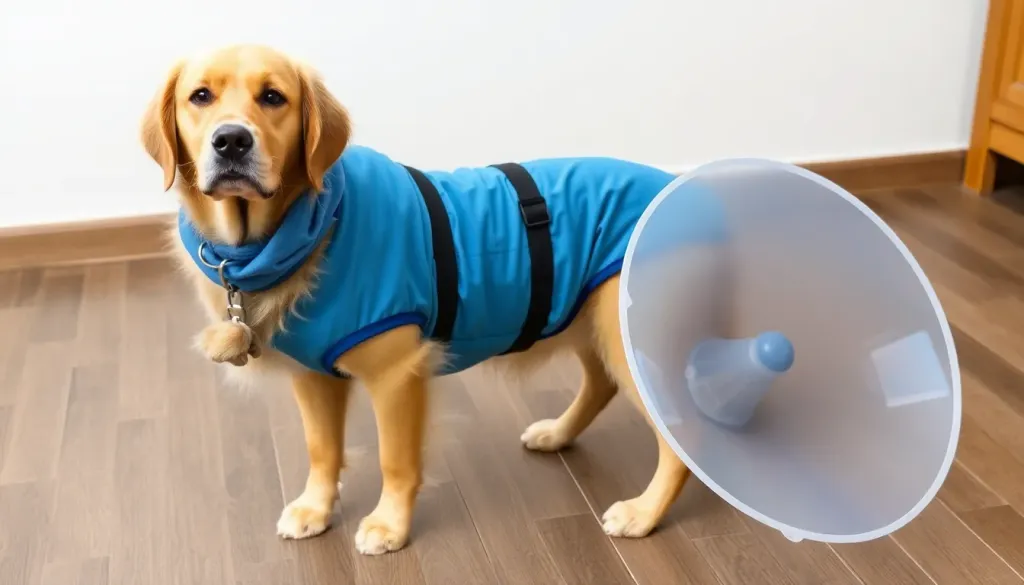
Dog Recovery Suit vs. Cone: Comprehensive Comparison
Key Differences at a Glance
| Feature | Recovery Suit | Cone (E-Collar) |
|---|---|---|
| Best For | Torso, abdomen, chest, back, upper limbs | Head, ears, face, lower legs, paws, tail |
| Comfort Level | High - allows natural movement | Low to Moderate - restricts movement |
| Stress Impact | Minimal stress, familiar feeling | Can cause significant anxiety |
| Eating/Drinking | Normal access | May require elevated bowls |
| Sleep Quality | Minimal disruption | Often disrupts normal positions |
| Vision/Hearing | Unaffected | Impairs peripheral vision and hearing |
| Mobility | Excellent navigation | Bumping into objects common |
| Protection Level | Good for covered areas | Maximum physical barrier |
| Hygiene Maintenance | Requires regular washing | Wipe-clean surface |
| Cost Range | $25-$60 | $10-$40 |
When to Choose a Recovery Suit
Recovery suits, also known as anti-lick dog suits, represent a modern approach to post-surgery dog care. These garments function as a physical barrier between your dog and their surgical site, wrapping around the body to cover wounds while allowing freedom of movement.
Recovery suits excel in the following situations:
- Spay/neuter surgeries where the incision is on the abdomen
- Orthopedic procedures on the torso or upper limbs
- Skin conditions such as hot spots, dermatitis, or allergies affecting the body
- Chest or back surgeries requiring extended protection
- Cases where anxiety reduction is critical for dogs with pre-existing stress issues
According to PetMD, recovery suits have shown particularly positive results in reducing post-operative stress in dogs who struggle with traditional cones, especially brachycephalic breeds (flat-faced dogs) who already experience breathing difficulties that can be exacerbated by collar restrictions.
When a Cone is the Better Choice
Despite the advantages of recovery suits, Elizabethan collars remain indispensable in many clinical situations. Veterinary surgeons emphasize that cones provide a level of protection that cannot be matched for certain wound locations.
Cones are essential for:
- Facial surgeries including eye, ear, or mouth procedures
- Paw injuries or surgeries on lower extremities
- Tail wounds or procedures
- Highly determined lickers or chewers who may work around a suit
- Drainage tube protection where any interference could be dangerous
- Short-term protection for minor procedures (4-7 days)
The Veterinary Surgery Journal reports that for head and extremity wounds, cones remain the gold standard with a 95% success rate in preventing self-trauma, compared to 60-70% for alternative methods in these locations.
Health Benefits & Advantages: Deep Analysis
Recovery Suit Benefits for Comfortable Dog Recovery
Comprehensive Wound Protection
Recovery suits provide 360-degree coverage for surgical areas on the torso and upper body. The fabric acts as a physical barrier that prevents direct contact between your dog’s mouth and the wound site. According to the Journal of Veterinary Behavior, this comprehensive coverage significantly reduces the risk of infection by preventing licking, biting, and scratching while also protecting against environmental contamination from dirt, debris, and bacteria.
The design typically features multiple layers of soft, breathable material that cushions the surgical site while allowing air circulation—a crucial factor in preventing moisture buildup that could lead to bacterial growth.
Stress Reduction and Psychological Well-being
Research published in the Journal of Small Animal Practice demonstrates that dogs wearing recovery suits show 40-60% lower stress markers (cortisol levels) compared to dogs in traditional cones. This reduction in anxiety translates to several tangible benefits:
- Improved appetite: Dogs can eat and drink normally without struggling against a physical barrier
- Better sleep quality: Natural sleeping positions remain accessible
- Maintained social interaction: Dogs can continue normal play and bonding activities with humans and other pets
- Reduced depression indicators: Less hiding, whining, or withdrawn behavior
Enhanced Mobility and Quality of Life
One of the most significant advantages of recovery suits is the preservation of a dog’s spatial awareness and natural movement patterns. Unlike cones that extend beyond the dog’s normal body boundaries, suits conform to the body shape, allowing dogs to:
- Navigate through doorways, around furniture, and up/down stairs without collision
- Access their normal resting spots, including beds, crates, and favorite corners
- Maintain peripheral vision and full hearing capacity
- Engage in gentle exercise as recommended by veterinarians
Hygiene Management and Practical Benefits
Recovery suits offer practical advantages for pet owners managing post-operative care:
- Dressing retention: Keeps bandages and gauze in place without adhesive irritation
- Easy bathroom breaks: Most designs feature thoughtful openings or quick-release systems
- Suture protection: Prevents pulling or snagging on furniture or during movement
- Skin condition management: Creates a barrier for hot spots, allergies, or dermatitis without medication
The suits are typically made from soft, breathable, hypoallergenic fabrics such as cotton blends or medical-grade polyester. These materials wick moisture away from the skin while remaining gentle enough for sensitive post-surgical tissue.
Elizabethan Collar Advantages
Maximum Physical Barrier Protection
The cone’s primary strength lies in its absolute prevention of access to wounds. The rigid or semi-rigid structure creates an insurmountable physical barrier that extends beyond the dog’s muzzle, making it geometrically impossible for them to reach surgical sites within the protected radius.
According to the American Veterinary Medical Association (AVMA), this complete prevention is critical in cases where even a single instance of licking could compromise healing, such as:
- Eye surgeries: Where infection risk is extremely high and consequences severe
- Drain tube management: Where displacement could cause internal complications
- Skin graft procedures: Where tissue adherence is critical in early healing stages
- Aggressive chewers: For dogs with a history of removing bandages or sutures
Versatility Across Multiple Conditions
Cones demonstrate remarkable versatility in addressing various medical situations beyond post-surgical care:
- Acute allergic reactions: Immediate prevention of scratching during treatment
- Ear infections: Stops head shaking and scratching that worsens inflammation
- Facial hot spots: Protects rapidly deteriorating skin conditions
- Emergency situations: Quick application without sizing concerns
Durability and Reliability
Traditional plastic cones, while uncomfortable, offer unmatched durability. They cannot be chewed through, torn, or compromised by determined dogs. This reliability factor is particularly important for:
- Overnight protection: When supervision is impossible
- Multi-pet households: Where other animals might interfere with a suit
- High-energy dogs: Who might damage fabric alternatives during activity
Risks, Limitations, and Important Considerations
Recovery Suit Limitations and Risks
Location-Based Protection Gaps
The most significant limitation of recovery suits involves their inherent design constraints. According to veterinary wound care specialists, suits provide inadequate protection for:
- Head and facial wounds: Completely unprotected by torso garments
- Lower limb injuries: Below the elbow or hock joint
- Paw wounds: Easily accessible despite suit coverage
- Tail injuries: Often extend beyond suit coverage
- Ear conditions: Require specific head protection
A study published in Veterinary Medicine and Science found that approximately 30% of dogs using recovery suits for inappropriate wound locations experienced delayed healing due to interference with the surgical site.
Determined Licker Concerns
Some dogs exhibit extreme persistence in reaching wounds, regardless of barriers. Veterinarians report that certain breeds and individual dogs may:
- Lick through fabric: Saturating the material and reaching the wound with moisture and bacteria
- Work around edges: Finding gaps in poorly fitted suits
- Remove the suit entirely: Through manipulation of closures or fabric
- Bite through material: Particularly in areas they can reach with their back teeth
Breed-specific considerations include terriers, border collies, and other intelligent, determined breeds who may view the suit as a puzzle to solve rather than a deterrent.
Overheating and Thermal Regulation Issues
Dogs regulate body temperature primarily through panting, as they have limited sweat glands. Recovery suits can interfere with this process, particularly in:
- Warm environments: Summer months or heated indoor spaces
- Double-coated breeds: Huskies, German Shepherds, Golden Retrievers
- Brachycephalic breeds: Already compromised respiratory function
- Senior dogs: With reduced thermal regulation capacity
Signs of overheating include excessive panting, drooling, lethargy, and elevated body temperature. PetMD advises monitoring dogs in recovery suits every 2-3 hours during warm weather.
Skin Irritation and Fit-Related Problems
Improper fit represents a significant risk factor for recovery suit use:
- Too tight: Causes chafing, restricts breathing, impedes circulation, and creates pressure sores
- Too loose: Allows access to wounds, may catch on objects, or twist during movement
- Friction points: Armpits, groin, and behind the legs are particularly vulnerable
The Journal of Veterinary Surgery recommends checking friction-prone areas twice daily for redness, swelling, or hair loss indicating excessive pressure or movement.
Concealment of Infection Signs
A critical concern with recovery suits involves the obscuration of wound healing progress. Fabric coverage can hide:
- Swelling or inflammation: Early infection indicators
- Discharge or seepage: Changes in wound drainage
- Incision separation: Partial dehiscence (wound opening)
- Excessive redness: Extending beyond the incision line
Veterinarians emphasize that suits must be removed at least once daily for thorough wound inspection, creating brief windows of vulnerability where dogs must be closely supervised.
Moisture Trapping
Despite breathable fabrics, recovery suits can trap moisture from:
- Wound drainage: Normal post-surgical seepage
- Environmental humidity: Particularly in summer
- Condensation: Between skin and fabric layers
- Incontinence: Accidents during recovery
Trapped moisture creates an ideal environment for bacterial growth, potentially leading to surgical site infections that can compromise healing and require additional veterinary intervention.
Cone Limitations and Risks
Psychological and Emotional Impact
The psychological toll of Elizabethan collars on dogs should not be underestimated. Veterinary behaviorists have documented significant stress responses, including:
- Acute anxiety: Manifesting as pacing, whining, or excessive panting
- Depression indicators: Withdrawal, reduced social interaction, hiding behavior
- Fear responses: Startling easily, reluctance to move, trembling
- Learned helplessness: Freezing in place or refusing to engage in normal activities
A comprehensive study in Applied Animal Behaviour Science found that 67% of dogs showed at least one stress-related behavioral change while wearing an Elizabethan collar, with 25% exhibiting multiple negative behaviors.
Mobility Impairment and Safety Hazards
The extended radius of cones fundamentally alters a dog’s spatial navigation abilities:
Common collision scenarios:
- Doorway impacts: Misjudging width requirements, leading to cone catching on frames
- Furniture strikes: Inability to gauge distances to tables, chairs, and cabinet edges
- Stair accidents: Loss of downward vision creating fall risks, particularly dangerous for senior dogs
- Water bowl collisions: Splashing and spilling, potentially causing dehydration if dogs give up trying
The AVMA reports that approximately 20% of dogs wearing cones experience at least one minor injury related to impaired navigation, including bruising, scrapes, or minor cuts.
Vision and Sensory Impairment
Elizabethan collars significantly compromise sensory input:
Visual limitations:
- Peripheral vision loss: Up to 70% reduction in side-view awareness
- Depth perception changes: Forward vision tunneling
- Floor-level blindness: Inability to see paws or ground immediately ahead
Auditory distortion:
- Sound amplification: Cone acts as a megaphone for ambient noise
- Directional confusion: Difficulty locating sound sources
- Echo effects: Indoor environments become acoustically overwhelming
These sensory changes contribute to the anxiety and disorientation many dogs experience while wearing cones.
Eating and Drinking Difficulties
One of the most immediate practical challenges involves basic nutrition and hydration:
- Bowl access problems: Standard floor-level bowls become unreachable
- Food spillage: Cone edges push food out of bowls
- Water displacement: Difficulty drinking without submerging the entire cone
- Appetite reduction: Frustration leading to reduced food intake
Veterinarians typically recommend elevating food and water bowls to chin height or using specialized feeding systems designed for cone-wearing dogs. Despite these adaptations, the Journal of Veterinary Internal Medicine notes that dogs in cones consume an average of 15-20% less water in the first 48 hours compared to their normal intake.
Sleep Disruption and Comfort Issues
Natural sleeping positions become impossible with traditional cones:
- Cannot curl up: The cone prevents dogs from achieving their preferred sleeping posture
- Head elevation: Forced to sleep with head unnaturally elevated
- Side-lying difficulties: Cone creates uncomfortable pressure points
- Frequent waking: Discomfort interrupts normal sleep cycles
Chronic sleep deprivation can compromise immune function and slow healing, creating a counterproductive situation where the protective device inadvertently delays recovery.
Neck Irritation and Physical Discomfort
The attachment point of Elizabethan collars creates ongoing friction and pressure:
- Skin chafing: Where collar edges contact the neck
- Hair matting: Moisture and movement create tangles
- Pressure sores: Extended wear in the same position
- Collar heaviness: Particularly problematic for small breeds wearing disproportionately large cones
Regular inspection of the neck area is essential, with veterinarians recommending removal (under supervision) for brief periods to allow skin recovery if irritation develops.
Proper Usage Guidelines and Best Practices
Consultation and Decision-Making Process
Veterinary Assessment
The foundation of appropriate post-operative protection begins with comprehensive veterinary evaluation. According to the American Animal Hospital Association (AAHA), veterinarians should assess multiple factors before recommending a protection method:
Medical factors:
- Wound location: Primary determinant of device selection
- Surgical procedure type: Complexity and infection risk
- Expected healing timeline: Duration of protection needed
- Drainage requirements: Whether the wound needs air exposure or sealing
Patient-specific factors:
- Temperament and history: Previous behavior with protective devices
- Size and breed: Physical characteristics affecting device fit
- Age considerations: Puppies and seniors have unique needs
- Pre-existing conditions: Respiratory, cardiac, or mobility issues
- Home environment: Multi-pet households, stairs, living space constraints
Questions to ask your veterinarian:
- What specific areas must be protected from my dog’s access?
- How long will my dog need to wear the protective device?
- What signs of complications should I watch for?
- How often should I check the surgical site?
- Are there any activities my dog should avoid during recovery?
- What backup options exist if the primary device doesn’t work?
Sizing and Fit Guidelines for Recovery Suits
Proper fit is absolutely critical for recovery suit effectiveness and safety. According to manufacturers and veterinary recommendations, follow these guidelines:
Measurement Process:
- Neck circumference: Measure at the base of the neck where a collar sits
- Chest circumference: Measure at the widest part of the ribcage behind front legs
- Body length: Measure from base of neck to base of tail along the spine
- Weight: Cross-reference measurements with your dog’s weight for sizing
Fit Assessment Checklist:
- Two-finger test: You should be able to slide two fingers comfortably between the suit and your dog’s body at any point
- Full range of motion: Dog should be able to sit, stand, lie down, and walk normally
- Breathing check: No restriction of chest expansion during normal breathing
- Friction point inspection: Check armpits, groin, and behind legs for any rubbing
- Closure security: Fasteners should hold firmly without gaps but not cause bunching
Red flags indicating improper fit:
- Labored breathing: Suit is too tight across chest
- Red marks or indentations: Excessive pressure at any contact point
- Excessive looseness: Suit shifts significantly during movement
- Difficulty posturing: Dog struggles to eliminate due to suit position
- Gait changes: Limping or altered walking pattern
Sizing and Fit Guidelines for Cones
Traditional Elizabethan collars require equally careful sizing to balance protection with minimal impairment:
Length Determination:
The cone’s length should extend approximately 1-2 inches beyond the tip of your dog’s nose when their neck is in a normal, relaxed position. This extension ensures they cannot reach surgical sites while minimizing unnecessary length that increases collision frequency.
Neck Fit Standards:
- Two-finger rule: Critical safety measure allowing two fingers to slide comfortably between the collar edge and your dog’s neck
- Rotation test: The cone should not rotate more than 90 degrees around your dog’s neck
- Collar attachment: Should be secured to your dog’s regular collar for stability, not worn alone
Modified cone options:
Recent innovations have produced cone alternatives that address some traditional drawbacks:
- Inflatable collars: Donut-shaped designs that maintain peripheral vision
- Soft fabric cones: Flexible materials reducing collision impact
- Neck braces: Rigid but shorter designs for preventing downward reach
According to the Journal of Veterinary Behavior, soft cone alternatives showed a 35% reduction in stress behaviors compared to traditional plastic cones, though effectiveness varied by wound location.
Daily Monitoring and Wound Inspection Protocols
Recovery Suit Monitoring Schedule:
Twice daily (morning and evening):
- Carefully unfasten or lift the suit to expose the surgical site
- Inspect incision for redness, swelling, discharge, or separation
- Check friction-prone areas (armpits, groin) for irritation
- Assess suit condition for moisture, odor, or staining
- Ensure suit hasn’t shifted from proper position
Once daily:
- Full suit removal (under close supervision)
- Thorough wound cleaning if recommended by veterinarian
- Allow skin to breathe for 10-15 minutes
- Change to clean suit if maintaining continuous protection
- Check suit fasteners for wear or damage
Cone Monitoring Schedule:
Three times daily:
- Inspect neck area for irritation or pressure sores
- Check cone edges for sharp areas or cracks
- Verify cone hasn’t shifted or loosened
- Briefly remove cone (with dog under direct control) to inspect surgical site
- Clean cone interior if food or drool accumulation occurs
Warning signs requiring immediate veterinary contact:
- Discharge changes: Yellow, green, or foul-smelling drainage
- Incision separation: Any opening of the surgical wound
- Excessive swelling: Area around incision becomes significantly enlarged
- Heat: Surgical site feels warm or hot to touch
- Pain indicators: Dog shows signs of discomfort when area is gently touched
- Behavioral changes: Sudden lethargy, loss of appetite, or fever
Hygiene Maintenance for Recovery Suits
Washing Protocols:
Recovery suits require regular cleaning to prevent bacterial buildup and infection risk:
Frequency recommendations:
- Minimum: Every 48-72 hours during normal recovery
- More frequently if: Wound drainage, incontinence, excessive outdoor activity, or warm weather occurs
Washing instructions:
- Use hypoallergenic, fragrance-free detergent
- Wash in hot water (140°F/60°C minimum) to kill bacteria
- Double rinse cycle to remove all detergent residue
- Tumble dry on high heat or air dry completely
- Inspect for wear, tears, or stretched fabric before reuse
Suit management strategy:
The American Kennel Club recommends purchasing two recovery suits identical in size. This approach allows:
- Continuous protection while one suit is being laundered
- Backup in case of unexpected soiling or damage
- Rotation to extend overall suit lifespan
Supervision Requirements
Regardless of the protection method chosen, supervision remains critical to successful recovery:
High-risk periods requiring constant supervision:
- First 24 hours: Dogs adjusting to the device may panic or attempt removal
- Bathroom breaks: Moments when determined dogs may target wounds
- Suit removal: Brief windows for wound inspection create vulnerability
- Night time: Consider crating or keeping dog in bedroom for overnight monitoring
Strategies for supervision:
- Crate training: Safe confinement during unsupervised periods
- Tethering: Keep leash attached to allow quick intervention
- Baby gates: Restrict access to hazardous areas (stairs, small spaces)
- Camera monitoring: Pet cameras enable remote observation during brief absences
According to veterinary surgical specialists, the majority of post-operative complications occur during unsupervised periods when dogs successfully reach and interfere with surgical sites.
Special Considerations for Specific Breeds and Situations
Brachycephalic Breeds (Flat-Faced Dogs)
Bulldogs, Pugs, Boston Terriers, French Bulldogs, and similar breeds face unique challenges with both protection methods due to their compromised respiratory anatomy.
Recovery suit advantages for brachycephalic breeds:
- No interference with already-limited breathing capacity
- No visual obstruction compounding their naturally restricted peripheral vision
- Maintains normal head position, avoiding respiratory stress
Cone concerns:
- Can compress the neck area, worsening breathing difficulties
- May cause panic due to amplified breathing sounds echoing in the cone
- Heat buildup inside the cone exacerbates temperature regulation challenges
The Brachycephalic Advisory Council recommends recovery suits as the primary choice for torso wounds in these breeds, with cones reserved only for absolutely necessary head/extremity protection, and then only under increased monitoring.
Large and Giant Breeds
Great Danes, Mastiffs, Saint Bernards, and other large breeds present distinct challenges:
Recovery suit considerations:
- Limited availability in adequate sizes; custom options may be necessary
- Greater fabric stress due to body weight and movement force
- Cost considerations (larger sizes typically $50-80)
- Easier wound inspection due to larger body access points
Cone considerations:
- Weight of appropriately-sized cones can cause neck strain
- Dramatic increase in effective body width (can exceed doorway widths)
- Greater collision force when navigating spaces
- Elevated food/water bowls must be quite high, sometimes requiring specialized stands
Small and Toy Breeds
Chihuahuas, Yorkshire Terriers, Pomeranians, and other small breeds have opposite concerns:
Recovery suit considerations:
- Better size availability and fit options
- May be able to reach suit edges more easily due to flexibility
- Suit fabric may be proportionally heavier relative to body weight
- Cold sensitivity increases (suits provide some insulation benefit)
Cone considerations:
- Even appropriately-sized cones may represent 50%+ of body weight
- Higher risk of neck strain and injury
- Greater difficulty maintaining balance with cone weight
- May become immobilized by fear rather than actual physical restriction
Multi-Pet Households
Dogs living with other pets face additional recovery considerations:
Recovery suit benefits:
- Other animals less likely to be alarmed by the suited dog’s appearance
- Reduced risk of other pets stepping on cone edges or causing pain
- Maintains social hierarchy and normal interaction patterns
- Less likely to be knocked over during play
Potential concerns:
- Other dogs may attempt to remove the suit through play or grooming
- Cats may scratch at suit fabric
- Must monitor all pet interactions even more carefully
- Consider temporary separation if other pets show excessive interest
Senior Dogs and Those with Mobility Issues
Elderly dogs or those with arthritis, hip dysplasia, or other mobility challenges require special consideration:
Recovery suits:
- Preferred option due to maintained balance and spatial awareness
- No additional navigation challenges beyond existing limitations
- More comfortable for extended wear periods common in senior surgeries
- Less likely to cause falls or exacerbate joint pain
Cones:
- Significantly increase fall risk, particularly on stairs
- Weight can worsen cervical spine issues common in senior dogs
- Disorientation may be more severe in dogs with cognitive decline
- Consider shortest effective length possible
The Journal of Veterinary Emergency and Critical Care reports that senior dogs (8+ years) wearing cones have a 3x higher incidence of fall-related injuries compared to younger dogs, making recovery suits strongly preferable when medically appropriate.
Cost-Benefit Analysis: Investment and Value
Recovery Suit Costs
Price range breakdown:
- Budget options: $20-$35 (basic designs, limited size availability)
- Mid-range: $35-$50 (quality fabrics, better fit options, multiple closures)
- Premium: $50-$80 (medical-grade materials, breed-specific designs, maximum adjustability)
- Custom/specialty: $80-$150 (giant breeds, unusual body proportions, prescription veterinary designs)
Additional costs to consider:
- Multiple suits: $40-$100 for two-suit rotation system
- Replacement: May need new suit if size changes during recovery or if damaged
- Washing supplies: Hypoallergenic detergent and increased laundry frequency
Long-term value factors:
- Reusable for future procedures or injuries
- May reduce veterinary costs by preventing wound complications
- Potential to use for managing chronic skin conditions
- Can be resold or donated after recovery
Elizabethan Collar Costs
Price range breakdown:
- Basic plastic: $8-$20 (traditional clear plastic, standard sizes)
- Soft fabric cones: $15-$35 (padded edges, some visibility improvement)
- Inflatable collars: $20-$45 (donut-style, comfort-focused but less protective)
- Custom or veterinary-grade: $30-$60 (prescribed sizes, specialized materials)
Additional costs:
- Elevated feeding bowls: $15-$40 to accommodate cone dimensions
- Replacement: If dog damages or outgrows cone
- Multiple styles: Trying different types to find one dog tolerates
Hidden costs of cones:
- Potential damage to home furnishings from collisions
- Increased veterinary visits if stress impacts healing
- Time investment in managing eating/drinking difficulties
Comparative Value Assessment
When evaluating overall value, consider factors beyond initial purchase price:
Recovery suit value proposition:
- Higher upfront cost but superior comfort may improve healing
- Reduced stress potentially shortens recovery period
- Lower risk of appetite/sleep disruption complications
- Reusability for future needs
- Reduced need for home modifications
Cone value proposition:
- Lower initial investment
- Proven effectiveness for all wound locations
- No washing or maintenance requirements beyond basic cleaning
- Immediate availability (can often borrow or purchase locally on short notice)
- Universal sizing less critical than suit fit
According to a survey of veterinary practices by the American Veterinary Medical Association, the total cost of recovery (including device, complications, and extended care) averaged $45 lower for dogs in recovery suits compared to cones, primarily due to reduced complication rates for appropriate wound locations.
Frequently Asked Questions
How long does my dog need to wear a recovery suit or cone after surgery?
The duration of protective device wear varies significantly based on the specific surgical procedure, your dog’s healing rate, and their tendency to interfere with the surgical site. According to veterinary surgery protocols, most dogs require protection for 7-14 days post-surgery, which represents the typical timeline for initial wound healing and suture removal.
Specific timeline considerations:
- Spay/neuter surgeries: Typically 10-14 days until suture removal
- Orthopedic procedures: Often 14-21 days or longer depending on complexity
- Dental extractions: Usually 7-10 days
- Skin growths or tumor removal: 10-14 days minimum
- Major abdominal surgery: May extend to 14-21 days
Your veterinarian will provide specific guidance based on the surgical site’s appearance during follow-up examinations. Signs that protection may be discontinued include complete incision closure, no visible swelling or redness, and your veterinarian’s assessment that the healing has progressed sufficiently that wound interference would not cause separation.
Important consideration: Never discontinue protective device use without veterinary approval, even if the wound appears healed. Premature removal remains one of the leading causes of post-surgical complications requiring additional veterinary intervention.
Can I use a recovery suit at night and a cone during the day?
Combining protection methods strategically can be an effective approach for managing certain recovery situations, and many veterinarians actually recommend this hybrid strategy for dogs who strongly resist continuous cone wear.
Effective hybrid protocols:
Nighttime recovery suit use:
- Dogs are typically less active during sleep, reducing wound interference risk
- Enhanced comfort improves sleep quality, supporting immune function and healing
- Easier for dog to find comfortable sleeping position
- Reduces nighttime anxiety and distress vocalizations
Daytime cone use:
- Provides maximum protection during active periods when supervision may be intermittent
- Prevents interference during excitement (visitors, meal times, outdoor activity)
- Essential for protecting wounds during bathroom breaks when positioning might strain surgical sites
- Offers backup protection if suit fit is borderline or dog shows determination
However, this approach has limitations:
The frequent device changes (twice daily minimum) create repeated opportunities for wound access during transition periods. Additionally, some dogs find the changing routine stressful, potentially negating some comfort benefits.
Veterinary recommendations: The American Animal Hospital Association suggests hybrid approaches work best for dogs recovering from torso surgeries who are showing significant distress with continuous cone wear but cannot be trusted completely with suit-only protection. This strategy requires committed owners able to provide close supervision during device changes and maintain a consistent schedule.
Critical protocol: During any device change, keep your dog on leash or under direct physical control (hand on collar) to prevent the brief moments of wound access from resulting in licking or biting. Never leave your dog unsupervised without proper protection in place, regardless of the time of day.
What should I do if my dog seems extremely stressed or depressed while wearing a cone?
Significant psychological distress from protective devices represents a genuine medical concern, as chronic stress can compromise immune function, delay healing, and reduce quality of life. If your dog exhibits severe stress responses, immediate action is necessary.
Signs of problematic stress levels:
- Behavioral indicators: Refusing to move, constant whining or crying, hiding, trembling, or showing signs of depression (withdrawn, no interest in normal activities)
- Physical indicators: Complete loss of appetite lasting more than 8 hours, inability to sleep, excessive panting, or self-injury attempts
- Extreme reactions: Panic behaviors such as trying to forcefully remove the device, injuring themselves in the process, or becoming aggressive
Immediate steps to take:
1. Contact your veterinarian promptly
Do not wait for your scheduled follow-up if stress appears severe. Many practices offer same-day appointments for post-operative concerns, and some issues can be addressed through telemedicine consultations.
2. Request alternative device options
Explain specific behaviors you’re observing and ask about:
- Recovery suits (if cone is currently in use)
- Soft/inflatable collar alternatives
- Shorter cone lengths if wound location permits
- Prescription anxiety medications for the recovery period
3. Environmental modifications to reduce stress
While awaiting veterinary guidance:
- Remove obstacles that create collision risks (temporarily clear floor space)
- Elevate food and water bowls to mouth height
- Create a calm, quiet recovery space away from household chaos
- Spend extra time providing comfort and reassurance
- Consider calming aids such as dog-appeasing pheromone diffusers (DAP)
- Maintain a consistent routine to provide structure and security
4. Short supervised breaks
Under certain circumstances, your veterinarian may approve brief periods (15-30 minutes, 2-3 times daily) without the