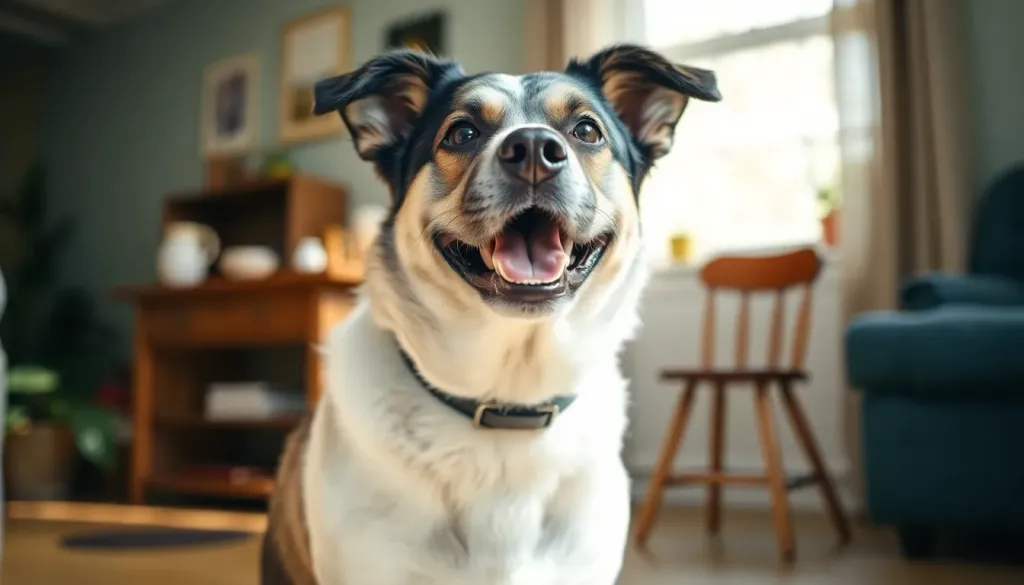
Entertain Your Apartment Dog: Indoor Fun Guide

Dogs can be thoroughly entertained and live fulfilling lives in apartments through a strategic combination of consistent daily exercise, enriching mental stimulation activities, and regular social interaction—factors that often matter more than square footage. According to the American Kennel Club (AKC) and veterinary behaviorists, proper environmental enrichment and routine can prevent boredom-related behavioral issues and keep apartment dogs both physically healthy and mentally sharp.
Veterinary Disclaimer
Important Notice: This article provides general information about keeping dogs entertained in apartment environments. While the guidance is based on expert sources including the AKC, PetMD, and ASPCA, it should not replace professional veterinary advice. Every dog has unique needs based on breed, age, health status, and temperament. Consult with your veterinarian or a certified animal behaviorist if your dog exhibits signs of anxiety, depression, or destructive behaviors that don’t improve with enrichment activities.
Why Mental and Physical Stimulation Matter for Apartment Dogs
Living in an apartment doesn’t inherently limit a dog’s quality of life. The key differentiator between a thriving apartment dog and a stressed one lies in how their fundamental needs for exercise, mental engagement, and socialization are met within the constraints of smaller living spaces.
The Science Behind Canine Enrichment
Mental stimulation serves as a critical component of canine wellness that extends far beyond simple entertainment. According to behavioral research cited by the ASPCA, dogs require cognitive challenges to maintain psychological health, prevent anxiety, and reduce stress levels. A particularly compelling finding shows that a 15-minute nose work activity can provide mental exercise equivalent to a 60-minute walk—a game-changing insight for apartment dwellers with limited outdoor access.
Physical exercise remains non-negotiable for maintaining overall health. Regular activity helps dogs:
- Maintain healthy body weight and prevent obesity
- Build and preserve muscle strength
- Improve cardiovascular function
- Reduce digestive complications
- Keep joints mobile and supple throughout their lifespan
- Channel energy constructively rather than destructively
Social interaction shapes a dog’s ability to navigate the world confidently. PetMD emphasizes that well-socialized dogs develop appropriate behavioral responses to other animals and people, exhibit reduced anxiety in new situations, and demonstrate greater overall confidence.

The Health Benefits of Proper Apartment Dog Enrichment
Comprehensive Benefits Table
| Benefit Category | Specific Advantages | Impact on Apartment Living |
|---|---|---|
| Mental Health | Prevents boredom, reduces anxiety, promotes cognitive development, strengthens human-animal bond | Critical in limited space; compensates for reduced roaming area |
| Physical Health | Weight management, cardiovascular fitness, joint mobility, digestive health | Indoor activities can meet exercise needs when executed consistently |
| Behavioral | Deters destructive chewing, reduces excessive barking, prevents digging behaviors, improves impulse control | Directly addresses common apartment complaints from neighbors |
| Stress Reduction | Alleviates anxiety through problem-solving, redirects nervous energy, promotes relaxation | Essential in urban environments with constant noise stimuli |
| Social Development | Builds confidence, teaches appropriate interactions, prevents fear-based aggression | Compensates for potentially limited exposure to varied environments |
Mental Stimulation: The Apartment Dog’s Secret Weapon
The American Kennel Club identifies mental exercise as potentially more tiring than physical exercise for many dogs. Problem-solving activities engage the prefrontal cortex, creating genuine cognitive fatigue that translates to a calmer, more content dog.
Key mental benefits include:
- Enhanced Learning Capacity: Regular training sessions create neural pathways that improve overall intelligence and responsiveness
- Anxiety Management: Focused activities redirect anxious energy into productive problem-solving
- Bonding Opportunities: Interactive games strengthen the relationship between owner and dog through positive reinforcement
- Boredom Prevention: Novel challenges maintain interest and prevent the mental stagnation that leads to destructive behaviors
Physical Exercise: Non-Negotiable for Apartment Dogs
Despite space limitations, physical activity remains essential. The absence of a backyard doesn’t eliminate a dog’s biological need for movement, which evolved from their ancestors’ daily hunting and territorial patrols.
Physical exercise delivers:
- Energy Regulation: Burns excess energy that would otherwise manifest as hyperactivity or destruction
- Metabolic Health: Maintains insulin sensitivity and prevents obesity-related conditions
- Joint Protection: Regular movement lubricates joints and maintains muscle support structures
- Behavioral Stability: Tired dogs demonstrate better impulse control and settle more easily
Risks of Inadequate Stimulation in Apartment Environments
Understanding what happens when enrichment needs aren’t met helps apartment dog owners recognize early warning signs and intervene proactively.
Boredom-Related Behavioral Issues
According to PetMD, insufficient mental and physical engagement creates a cascade of problematic behaviors as dogs attempt to self-stimulate. Common manifestations include:
- Destructive Chewing: Furniture, baseboards, shoes, and household items become targets when dogs lack appropriate outlets
- Excessive Vocalization: Barking, whining, or howling that disturbs neighbors and reflects underlying frustration
- Inappropriate Digging: Scratching at carpets, doors, or furniture attempting to satisfy innate digging drives
- Pacing and Restlessness: Inability to settle, constant movement around the apartment
- Counter Surfing and Stealing: Taking items to create self-directed “games”
- Hyper-Greetings: Over-the-top excitement when owners return, including jumping, manic barking, and knocking things over
Anxiety and Stress in Urban Environments
City living presents unique challenges for apartment dogs. The ASPCA notes that constant environmental stressors—traffic noise, construction sounds, sirens, elevator dings, and neighbor activity—can accumulate and create chronic anxiety in under-stimulated dogs.
Warning signs of stress include:
- Pacing or inability to relax even in familiar spaces
- Excessive barking or whining at environmental sounds
- Avoidance behaviors near windows or doors
- Trembling or shaking without apparent cause
- Digestive upset or changes in appetite
- Regression in house training
Long-Term Health Consequences
Physical Health Deterioration: Insufficient activity contributes directly to obesity, which compounds into secondary conditions including diabetes, joint disease, heart problems, and reduced lifespan.
Psychological Impact: Behavioral experts warn that severe or prolonged boredom can escalate into clinical depression in dogs, manifesting as:
- Lethargy and withdrawal from previously enjoyed activities
- Changes in sleep patterns (excessive sleeping or insomnia)
- Loss of appetite or compulsive eating
- Self-directed behaviors like excessive licking or tail chasing
High-Urgency Warning Signs
Some behaviors signal that a dog’s environment has become critically insufficient for their needs:
- Escape Attempts: Scratching at doors, trying to push through gaps, bolting when doors open
- Difficulty Settling: Inability to relax even after basic exercise and feeding needs are met
- Self-Harm Behaviors: Excessive licking leading to hot spots, tail chasing to the point of injury
- Aggressive Outbursts: Frustration-based reactivity toward people or other dogs
How to Keep Dogs Entertained in an Apartment: Comprehensive Strategies
Daily Exercise Foundation
Prioritize Consistent Outdoor Time: The AKC recommends apartment dogs receive at least two to three walks per day, with one being a longer, exploratory excursion. Unlike backyard access, deliberate walks must be scheduled and protected as non-negotiable appointments.
Optimal Walking Protocol:
- Morning Constitutional (15-20 minutes): A brisk walk for elimination and initial energy burn
- Midday Break (10-15 minutes): Particularly important for dogs home alone during work hours; consider hiring a dog walker
- Evening Adventure (30-45 minutes): The day’s primary exercise and enrichment walk
- Before Bed Elimination (5-10 minutes): Final bathroom opportunity
The Power of “Sniff Walks”: According to canine behaviorists, allowing dogs to sniff extensively during walks provides profound mental stimulation. A 20-minute sniff walk where the dog chooses the pace and stopping points can tire them more effectively than a 45-minute human-paced march.
Route Variation Strategy:
- Rotate between 4-5 different walking routes throughout the week
- Explore new neighborhoods monthly to introduce novel scents and environments
- Incorporate different surfaces (grass, pavement, gravel, wood chips) for sensory variety
- Visit pet-friendly stores occasionally for socialization and environmental exposure

Mental Stimulation Techniques for Apartment Dogs
Puzzle Feeders and Food-Dispensing Toys
Transform mealtime from a 30-second gulp into a 20-minute problem-solving session by replacing standard food bowls with enrichment feeders.
Recommended Approaches:
- Classic Kong Stuffing: Fill with combinations of kibble, peanut butter (xylitol-free), canned pumpkin, plain yogurt, or wet dog food, then freeze overnight for extended engagement
- Puzzle Feeders: Graduated difficulty levels from beginner to advanced keep dogs challenged as they improve
- Snuffle Mats: Hide kibble or treats within fabric strips, engaging natural foraging behaviors
- Slow Feeders: Maze-style bowls that increase eating time and improve digestion
Safety Protocol: Always supervise initial puzzle toy use to prevent frustration or choking hazards. Remove toys if pieces become damaged or loose.
Scent Games and Treasure Hunts
Leveraging a dog’s extraordinary olfactory capabilities—up to 100,000 times more sensitive than humans—creates enriching indoor activities in minimal space.
Progressive Treasure Hunt Training:
- Level 1 (Beginner): Hide treats in plain view while dog watches, release with “find it” command
- Level 2 (Intermediate): Hide treats in easy locations while dog waits in another room
- Level 3 (Advanced): Use challenging hiding spots like inside cardboard boxes, under lightweight items, or in multiple rooms
- Level 4 (Expert): Hide specific toys by scent, teaching discrimination between items
Muffin Tin Game: Place treats in some cups of a muffin tin, cover all cups with tennis balls, and let your dog figure out which contain rewards.
Training Sessions as Mental Exercise
The AKC emphasizes that teaching new commands or tricks provides cognitive stimulation equivalent to physical exercise while strengthening communication and bonding.
Five-Minute Training Formula:
- Session Length: 5-10 minutes maximum to maintain focus and prevent frustration
- Frequency: 2-3 sessions daily at different times
- Skill Focus: Work on one new skill or refine one existing command per week
- Reinforcement: Use high-value treats (small pieces of chicken, cheese, or commercial training treats)
Apartment-Appropriate Commands to Teach:
- “Settle” or “place” (go to bed and relax)
- “Quiet” (stop barking on cue)
- “Wait” (impulse control at doorways)
- “Leave it” (ignore items on floor)
- Trick repertoire: spin, bow, shake, high-five, roll over
Strategic Toy Rotation
Novelty drives engagement. The ASPCA recommends rotating toys to maintain interest and prevent habituation.
Rotation System:
- Divide toys into 3-4 groups
- Make only one group available each week
- Store others out of sight to restore novelty
- Introduce “new” rotated toys with enthusiasm
- Retire damaged toys immediately for safety
Chew Toy Essentials: Provide daily access to appropriate chew items (bully sticks, dental chews, rubber toys) to satisfy natural chewing instincts and promote dental health.
Indoor Play Ideas for Small Spaces
Hide-and-Seek
This classic game reinforces obedience commands while providing mental stimulation and bonding.
How to Play:
- Command dog to “sit” and “stay” in one room
- Hide in another room or behind furniture
- Call dog’s name or say “find me”
- Celebrate enthusiastically when found
- Gradually increase difficulty of hiding spots
Variations: Have family members take turns hiding, or hide with a handful of treats to reward upon discovery.
Indoor Fetch Sessions
With appropriate modifications, fetch becomes apartment-friendly.
Apartment Fetch Protocol:
- Location: Use longest hallway available
- Toys: Soft balls, plush toys, or rope toys (never hard balls that damage walls)
- Duration: 10-15 minute sessions to avoid over-excitement
- Timing: Schedule during midday when neighbors likely aren’t home
- Enhancement: Incorporate “sit” before throws and “drop it” upon return for added mental challenge
Stairwell Fetch (if available): In apartment buildings with accessible stairwells, throw soft toys up or down a flight for intensive exercise in compact space.
Tug-of-War
Contrary to outdated myths, tug-of-war doesn’t create aggression when played with proper rules.
Safe Tug Guidelines:
- Use designated tug toys only (never old clothing or items you don’t want destroyed)
- Teach “take it” and “drop it” commands before playing
- Control the game—you decide when it starts and stops
- If teeth touch skin, immediately end the session
- Let your dog “win” occasionally to maintain interest
- Encourage enthusiastic but controlled pulling
Benefits: Satisfies prey drive instincts, builds jaw strength, provides physical exertion in minimal space.
DIY Agility and Obstacle Courses
Create mental and physical challenges using household items.
Simple Obstacle Ideas:
- Tunnel: Open cardboard boxes at both ends, tape together
- Weave Poles: Set up water bottles or paper towel rolls in a line
- Jump Bar: Broomstick across two low objects (6-12 inches for most dogs)
- Platform: Sturdy box or ottoman for “place” command practice
- Limbo Bar: Slowly lowered bar they must duck under
Course Design: Arrange 4-6 obstacles in sequence, guide dog through with treats and praise, gradually increase speed and reduce food lures as they learn the pattern.
Environmental Enrichment Strategies
Window Perch Entertainment
Dogs are naturally curious about their environment. Providing strategic viewing access offers passive enrichment throughout the day.
Setup Recommendations:
- Position comfortable bed, cushion, or designated chair near window
- Choose windows overlooking activity (sidewalks, parks, bird feeders)
- For small dogs, create safe elevated platforms to reach windowsills
- Ensure window areas are safe (no escape risks, screens secure)
- Consider privacy film on lower window portions if outside activity causes reactivity
Behavioral Note: If window watching triggers excessive barking, pair with “quiet” training or limit access during peak activity times.
Sensory Stimulation Through Media
Dog-Specific Entertainment:
- DogTV: Programming designed with canine vision and hearing in mind
- Nature Videos: Bird and squirrel footage on tablets or televisions
- Calming Music: Classical music or species-specific compositions reduce anxiety
- Audiobooks: Human voices can provide comfort for some dogs
Sound Management: PetMD advises that while some dogs benefit from background noise masking city sounds, others need quiet time. Provide a quiet retreat space away from speakers if your dog shows signs of auditory stress.
Cozy Retreat Spaces
Every apartment dog needs a designated safe zone for rest and decompression.
Ideal Retreat Characteristics:
- Located in quieter area away from main traffic flow
- Comfortable orthopedic bed appropriate for dog’s size
- Access to favorite toys and chew items
- Partial enclosure (crate with open door, bed under table, corner setup)
- Consistent location that doesn’t change
Crate Training Benefits: For crate-trained dogs, the crate serves as a den-like sanctuary. Never use crates as punishment; they should represent security and calm.
External Resources and Social Opportunities
Dog Parks and Off-Leash Areas
While not daily necessities, regular dog park visits provide irreplaceable social and exercise benefits.
Dog Park Best Practices:
- Visit during less crowded times initially to assess your dog’s comfort
- Observe park dynamics before entering
- Stay engaged—watch your dog’s body language constantly
- Intervene early if play becomes too rough or one-sided
- Bring water and take breaks to prevent over-excitement
- Leave if your dog shows signs of stress or fatigue
Frequency Recommendation: 2-4 times weekly for social dogs, or seek alternatives for dogs who don’t enjoy group play.
Doggy Daycare
Professional daycare facilities offer comprehensive socialization and exercise, particularly valuable for high-energy breeds or dogs home alone during long work days.
Evaluating Daycare Options:
- Tour facility in person, observing cleanliness and safety protocols
- Ask about dog-to-staff ratios (ideally 10:1 or better)
- Verify vaccination and health requirements
- Inquire about activity schedules and rest periods
- Request trial half-day before committing to regular schedule
Recommended Frequency: 2-3 times weekly provides social stimulation without over-tiring dogs or straining budgets.
Professional Dog Walkers
Midday walks break up long solo periods and ensure adequate exercise when owner schedules prevent it.
Walker Selection Criteria:
- Professional certifications or affiliations (NAPPS, Pet Sitters International)
- Liability insurance coverage
- References from other clients
- Trial walks while you’re home to observe handling
- GPS tracking or communication apps for updates
Service Types:
- Group Walks: More affordable, provides socialization
- Private Walks: Individual attention, better for reactive dogs
- Drop-In Visits: Shorter 15-20 minute potty breaks and companionship
Dog Sports and Training Classes
Formal activities provide structure, socialization, and advanced mental stimulation.
Apartment-Friendly Dog Sports:
- Nosework/Scent Detection: Indoor-focused sport perfect for small spaces
- Rally Obedience: Precision training in controlled environment
- Trick Training Classes: Fun skill-building with performance elements
- Agility Foundations: Even without backyard, classes provide equipment access
- Canine Good Citizen (CGC): Goal-oriented training program
Benefits Beyond Exercise: Classes provide owner education, build communication skills, and create achievement milestones that strengthen bonds.
Establishing Routine and Consistency
The Power of Predictable Schedules
According to veterinary behaviorists, dogs thrive on routine, which provides security and reduces anxiety—particularly important in potentially overstimulating apartment environments.
Core Schedule Components:
| Activity | Timing | Duration | Purpose |
|---|---|---|---|
| Morning Walk | 6:30-7:30 AM | 15-20 min | Elimination, initial exercise |
| Breakfast | 7:30-8:00 AM | 5-20 min | Nutrition, puzzle feeding |
| Rest Period | 8:00 AM-12:00 PM | 4 hours | Calm settling while alone |
| Midday Break | 12:00-12:30 PM | 15-30 min | Exercise, elimination, socialization |
| Afternoon Rest | 12:30-5:00 PM | 4.5 hours | Recovery, quiet time |
| Evening Walk | 5:30-6:30 PM | 30-45 min | Primary exercise, enrichment |
| Dinner | 6:30-7:00 PM | 5-20 min | Nutrition, puzzle feeding |
| Play Session | 7:30-8:00 PM | 20-30 min | Bonding, final energy burn |
| Before Bed Walk | 9:30-10:00 PM | 10-15 min | Final elimination |
| Sleep Time | 10:00 PM-6:30 AM | 8.5 hours | Rest and recovery |
Flexibility Note: Specific times matter less than consistency. Establish a pattern that fits your lifestyle and maintain it seven days weekly.
Transition Period for New Apartment Dogs
Dogs moving into apartments—whether from shelters, other homes, or suburban environments—require special consideration during adjustment.
Gradual Introduction Protocol:
Week 1: Foundation Building
- Establish basic routine immediately
- Keep environment calm with minimal visitors
- Focus on short, successful outings
- Reinforce house training vigilantly
- Identify stress triggers (sounds, sights, smells)
Week 2-4: Expanding Boundaries
- Gradually introduce new routes and locations
- Begin basic training sessions
- Slowly add enrichment activities
- Monitor for signs of overwhelm
- Adjust schedule based on dog’s responses
Month 2-3: Full Integration
- Add external resources (dog parks, daycare)
- Increase exercise duration and intensity
- Introduce more complex mental challenges
- Solidify routine with full activity range
Frequently Asked Questions
How much exercise does a dog really need in an apartment?
Exercise requirements vary dramatically by breed, age, and individual energy levels, but general guidelines provide a starting framework. Small breeds (under 20 lbs) typically need 30-60 minutes of daily activity, medium breeds (20-50 lbs) require 60-90 minutes, and large or high-energy breeds (over 50 lbs or working breeds) often need 90-120+ minutes daily.
However, the AKC emphasizes that quality trumps quantity. A 30-minute walk where your dog sniffs extensively, encounters novel environments, and engages mentally can provide more enrichment than a 60-minute march at human pace. For apartment dogs, the formula should combine:
- Minimum Two Walks Daily: At least one being 30+ minutes
- Mental Stimulation Activities: 20-30 minutes across puzzle toys, training, and games
- Social Interaction: Regular exposure to other dogs and people
- High-Intensity Bursts: Brief periods (5-10 minutes) of running, fetch, or tug
For breeds like Border Collies, Australian Shepherds, or Belgian Malinois—dogs bred for all-day work—apartment living requires exceptional commitment to meeting exercise needs through multiple daily sessions, dog sports, and extensive mental challenges.
Can large or high-energy dogs thrive in apartments?
Yes, large and high-energy dogs can absolutely thrive in apartments, but success requires honest assessment of owner commitment and lifestyle alignment. Breed size matters far less than energy level and mental stimulation needs.
Critical Success Factors:
Owner Dedication: High-energy dogs demand non-negotiable daily exercise regardless of weather, work stress, or schedule conflicts. Prospective apartment owners must realistically evaluate whether they can provide 90-120 minutes of daily activity plus mental enrichment.
Breed-Appropriate Activities: Working breeds need jobs. Apartment life succeeds when owners channel drive into:
- Dog sports (agility, nosework, dock diving, flyball)
- Advanced training programs
- Regular running or hiking excursions
- Professional daycare with structured play
Realistic Energy Outlets: A tired dog is a good apartment dog. High-energy breeds might need:
- Morning jogs before work
- Midday dog walker or daycare
- Evening training or play sessions
- Weekend adventures (hiking, swimming, dog parks)
Breed Examples That Can Succeed:
- Greyhounds: Despite size, surprisingly low-energy couch potatoes indoors
- Labrador Retrievers: Adaptable if exercised adequately
- German Shorthaired Pointers: Thrive with active owners committed to daily runs
- Standard Poodles: Intelligent breeds excel with mental stimulation
Breeds Requiring Extra Consideration:
- Huskies/Malamutes: Extreme exercise needs and escape artist tendencies
- Cattle Dogs: Obsessive work drive needs constant channeling
- Jack Russell Terriers: Small but incredibly high energy
- Belgian Malinois: Professional-level commitment required
The key question isn’t “Is my apartment big enough?” but rather “Can I provide enough daily enrichment to meet this dog’s needs?” A dedicated owner in a 600-square-foot apartment can better meet a Border Collie’s needs than a neglectful owner with a large backyard.
What are signs my apartment dog isn’t getting enough stimulation?
Recognizing under-stimulation early prevents behavioral issues from becoming ingrained habits. According to PetMD and the ASPCA, watch for these warning indicators:
Behavioral Red Flags:
- Destructive Chewing: Targeting furniture, baseboards, shoes, or household items despite having appropriate chew toys available
- Excessive Vocalization: Barking, whining, or howling that increases in frequency or duration, particularly when alone
- Hyper-Greetings: Over-the-top excitement when you return home, including jumping, spinning, manic barking, or inability to calm down within 5-10 minutes
- Pacing and Restlessness: Constantly moving around the apartment, unable to settle even after basic needs are met
- Attention-Seeking Behaviors: Pawing, nudging, bringing toys repeatedly, or interrupting activities excessively
- Stealing and Counter Surfing: Taking items specifically to elicit response or create self-directed “games”
Physical Indicators:
- Weight Gain: Insufficient activity combined with unchanged food intake leads to obesity
- Reduced Muscle Tone: Particularly noticeable in athletic breeds
- Excessive Sleeping: More than 12-14 hours daily for adult dogs
- Digestive Issues: Constipation or irregular bowel movements can result from inadequate exercise
Psychological Signs:
- Depression: Withdrawal from previously enjoyed activities, reduced interest in food or toys, lack of enthusiasm for walks
- Anxiety Manifestations: Excessive licking (paws, body), tail chasing, shadow chasing, or fixation on lights
- Difficulty Settling: Taking 30+ minutes to relax after routine activities
- Regression in Training: Previously reliable house training or obedience deteriorating
High-Urgency Signals:
- Escape Attempts: Scratching at doors, trying to dig under barriers, bolting when doors open
- Aggression: Frustration-based reactivity toward people or other dogs
- Self-Harm: Licking to the point of creating hot spots, excessive scratching
Action Steps When Signs Appear:
- Immediately increase exercise duration by 25-50%
- Add two daily mental stimulation sessions (puzzle toys, training)
- Introduce novel activities (new walking routes, scent games)
- Consider professional help (dog walker, daycare)
- Consult veterinarian to rule out medical causes
- Work with certified behaviorist if issues persist after two weeks of increased enrichment
Final Considerations for Apartment Dog Success
Keeping dogs entertained in apartments isn’t about compensating for inadequate space—it’s about deliberately designing an enrichment program that meets species-specific needs within urban parameters. The research from the AKC, PetMD, and ASPCA consistently demonstrates that environmental size ranks below consistency, variety, and owner engagement as predictors of canine wellbeing.
Success Formula Summary:
- Daily Non-Negotiable Exercise: 60-90+ minutes across multiple sessions
- Mental Challenges: 20-30 minutes of problem-solving through puzzles, scent games, and training
- Social Opportunities: Regular exposure to other dogs and varied environments
- Environmental Enrichment: Window access, sensory stimulation, and cozy retreat spaces
- Consistent Routine: Predictable schedule providing security and structure
- Owner Commitment: Honest assessment of time, energy, and financial resources available
The thriving apartment dog isn’t defined by square footage but by an owner who prioritizes their needs with creativity, consistency, and dedication. Whether through morning sniff walks, afternoon puzzle feeders, evening training sessions, or weekend dog park adventures, the tools for apartment dog entertainment are accessible and effective when implemented systematically.
Remember that every dog is an individual. Some adapt instantly to apartment life while others need weeks of patient transition. Monitor your specific dog’s responses, adjust strategies accordingly, and don’t hesitate to seek professional guidance from veterinarians or certified behaviorists when challenges arise. With proper enrichment, apartment dogs can live as fulfilled, healthy, and happy lives as their suburban counterparts—sometimes even more so, given the deliberate attention urban living demands.