Keep Your Frenchie Cool: Heatstroke Prevention
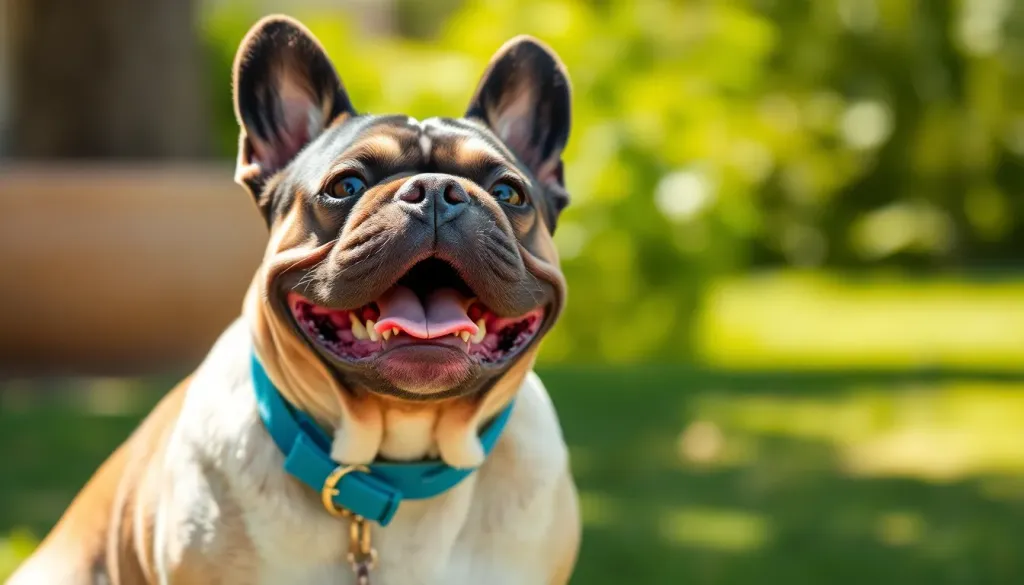
Comprehensive Guide to French Bulldog Heatstroke Prevention
French Bulldogs are among the most vulnerable canine breeds to heatstroke due to their brachycephalic (short-nosed) anatomy, which critically impairs their thermoregulatory capacity through panting. Without proactive prevention strategies and vigilant environmental management, these beloved companions face life-threatening hyperthermia even in moderately warm conditions, making owner education an urgent veterinary priority.
⚕️ Veterinary Disclaimer
This article provides evidence-based educational information on French Bulldog heatstroke prevention and should not replace professional veterinary consultation. If your French Bulldog displays symptoms of heatstroke—including excessive panting, disorientation, collapse, or elevated body temperature above 104°F—seek emergency veterinary care immediately. Heatstroke constitutes a veterinary emergency requiring rapid intervention to prevent irreversible organ damage and death. Always consult your veterinarian before implementing new health protocols, particularly for dogs with pre-existing cardiovascular or respiratory conditions.
Why French Bulldogs Face Exceptional Heat Vulnerability
The Brachycephalic Syndrome and Thermoregulation
French Bulldogs possess brachycephalic obstructive airway syndrome (BOAS), a constellation of anatomical abnormalities including stenotic nares (narrowed nostrils), elongated soft palate, hypoplastic trachea, and everted laryngeal saccules. According to veterinary research, these structural compromises reduce airflow capacity by up to 50% compared to mesocephalic (normal-nosed) breeds, directly impairing the evaporative cooling mechanism dogs rely upon for heat dissipation.
Canine thermoregulation depends primarily on respiratory evaporative heat loss through panting, unlike humans who utilize cutaneous sweating. When ambient temperatures approach or exceed body temperature (normal canine range: 100.5-102.5°F), the gradient for heat transfer diminishes, forcing dogs to increase respiratory frequency. French Bulldogs’ compromised airways cannot sustain the high-velocity airflow required for efficient evaporative cooling, leading to rapid core temperature elevation.

Comparative Risk Assessment: French Bulldogs vs. Other Breeds
| Breed Classification | Relative Heatstroke Risk | Thermoregulatory Efficiency | Anatomical Factors |
|---|---|---|---|
| French Bulldog | Extremely High | Severely compromised (40-50% reduction) | Stenotic nares, elongated soft palate, narrow trachea |
| Pug, English Bulldog | Extremely High | Severely compromised | Similar brachycephalic anatomy |
| Boston Terrier | High | Moderately compromised | Mild to moderate brachycephaly |
| Labrador Retriever | Moderate | Normal efficiency | Mesocephalic structure |
| Greyhound | Low-Moderate | Enhanced efficiency | Dolichocephalic (long nose) |
Clinical Signs and Pathophysiology of Canine Heatstroke
Recognizing French Bulldog Overheating Signs
Early detection is critical for survival. French Bulldog owners must recognize the progressive stages of heat stress:
Stage 1: Heat Stress (Body Temperature 103-104°F)
- Excessive panting with increased respiratory effort
- Increased salivation or thick, ropy drool
- Bright red or dark pink gums and tongue
- Restlessness or seeking cool surfaces
- Mild lethargy
Stage 2: Heat Exhaustion (Body Temperature 104-106°F)
- Labored breathing or respiratory distress
- Excessive drooling, potentially foaming at mouth
- Weakness, staggering gait, or ataxia
- Reddened mucous membranes progressing to pale, gray, or cyanotic (blue-tinged)
- Vomiting or diarrhea
- Rapid heart rate (tachycardia) above 140 beats/minute
Stage 3: Heatstroke (Body Temperature >106°F)
- Collapse or loss of consciousness
- Seizures or tremors
- Bloody vomit or diarrhea (indicating gastrointestinal hemorrhage)
- Purple, blue, or white gum coloration (shock, severe hypoxia)
- Confusion, disorientation, or stupor
- Irregular breathing or respiratory arrest
Organ-Level Pathophysiology
At core temperatures exceeding 106°F, cellular protein denaturation begins, triggering:
- Acute kidney injury (AKI): Renal tubular necrosis from hypoperfusion and direct thermal injury
- Disseminated intravascular coagulation (DIC): Widespread activation of clotting cascade leading to microthrombi formation and paradoxical hemorrhage
- Hepatocellular damage: Liver enzyme elevation and potential acute hepatic failure
- Neurological injury: Cerebral edema, neuronal death, and permanent cognitive impairment
- Gastrointestinal barrier breakdown: Increased intestinal permeability allowing endotoxin translocation and systemic inflammatory response syndrome (SIRS)
Mortality rates for dogs presenting with core temperatures above 109°F approach 50% even with aggressive treatment, emphasizing prevention as the only reliable strategy.
Evidence-Based French Bulldog Heatstroke Prevention Strategies
Environmental Temperature Management
Critical threshold awareness: French Bulldogs should have outdoor activity restricted when ambient temperatures exceed 75°F, particularly when humidity surpasses 60%. The Heat Index (combined temperature-humidity measurement) provides a more accurate risk assessment than temperature alone.
Hot Weather Care for French Bulldogs:
-
Never leave your French Bulldog in a parked vehicle, even briefly or with windows cracked. Studies demonstrate that interior vehicle temperatures can reach 125°F within 20 minutes when external temperature is 80°F, creating lethal conditions in under 10 minutes for brachycephalic breeds.
-
Schedule exercise during thermally neutral periods: Early morning (before 8 AM) or late evening (after 8 PM) when pavement temperatures drop below 90°F. Test asphalt temperature with the “5-second rule”—if you cannot comfortably hold your palm on the surface for 5 seconds, it will burn your Frenchie’s paw pads and contribute to heat absorption.
-
Provide climate-controlled indoor environments: Maintain household temperature at 68-72°F with air conditioning during summer months. Fans alone provide insufficient cooling for brachycephalic breeds as they primarily cool through air circulation on skin, which is minimally effective for dogs.
-
Create multiple shaded rest areas with adequate air circulation when outdoor access is necessary. Avoid direct sunlight exposure during peak UV hours (10 AM - 4 PM).
Hydration Protocols and Water Access
Hydration requirements increase 2-4 times during warm weather. French Bulldogs require continuous access to fresh, cool (not ice-cold) water:
- Minimum daily intake: 1 ounce of water per pound of body weight (e.g., 25-ounce Frenchie requires minimum 25 ounces)
- Active days: Increase to 1.5-2 ounces per pound
- Water temperature: 50-60°F (cool but not cold, which can cause gastrointestinal cramping)
- Multiple water stations: Place bowls in every room and outdoor area
- Portable hydration: Carry collapsible silicone bowls and bottled water during any outing
Electrolyte supplementation may benefit French Bulldogs during extended heat exposure. Consult your veterinarian regarding unflavored Pedialyte (diluted 50:50 with water) or veterinary-formulated electrolyte solutions to prevent hyponatremia from excessive water consumption.
Activity Modification and Exercise Restriction
French Bulldogs lack the physiological reserve for sustained physical exertion in warm conditions. Implement these protocols:
Brachycephalic Breed Heat Risk Activity Guidelines:
| Temperature Range | Exercise Duration | Intensity Level | Frequency | Monitoring Requirements |
|---|---|---|---|---|
| Below 65°F | Up to 30 minutes | Moderate | 2-3x daily | Standard supervision |
| 65-75°F | 15-20 minutes | Light to moderate | 2x daily | Close monitoring, water breaks every 5 minutes |
| 75-85°F | 10 minutes maximum | Light only (slow walk) | 1x daily (early morning) | Constant supervision, immediate cessation if panting increases |
| Above 85°F | No outdoor exercise | Indoor mental enrichment only | N/A | Indoor climate control mandatory |
Signs requiring immediate exercise cessation:
- Respiratory rate exceeding 40 breaths/minute at rest
- Open-mouth panting that doesn’t resolve within 5 minutes of rest
- Reluctance to continue walking
- Seeking shade or lying down frequently
- Gum color changes from normal pink
Cooling Aids and Thermal Management Products
Cooling vests for French Bulldogs and other thermal management tools provide supplementary heat dissipation:
Evidence-Based Cooling Products:
-
Evaporative cooling vests: Wet vest materials that require air circulation; effectiveness limited in humid conditions (>70% humidity). Recommend brands: Ruffwear Swamp Cooler, Hurtta Cooling Coat.
-
Gel-based cooling mats: Phase-change material or gel-filled pads requiring no refrigeration. Provide contact cooling for 3-4 hours. Avoid heated outdoor surfaces beneath mats.
-
Cooling bandanas and neck wraps: Target major blood vessels in cervical region for systemic temperature reduction. Soak in cool water and reapply every 20-30 minutes.
-
Elevated cooling beds: Mesh designs promoting airflow beneath the dog, reducing heat retention from ground contact.
Do NOT shave your French Bulldog’s coat. The double-layer coat system provides critical insulation against both heat and UV radiation. Removal increases solar heat absorption and sunburn risk while eliminating natural thermoregulatory mechanisms.
Emergency Response: French Bulldog Heatstroke First Aid
Immediate Action Protocol
Time is critical—every minute of delayed treatment increases mortality risk. Follow this emergency sequence:
Step 1: Rapid Assessment (0-30 seconds)
- Check gum color and capillary refill time (should be <2 seconds)
- Assess consciousness level
- Take rectal temperature if thermometer available (normal: 100.5-102.5°F; heatstroke: >104°F)
Step 2: Environmental Relocation (30-60 seconds)
- Move dog immediately to air-conditioned space or shaded area with fan
- Remove collar or harness to improve airflow
Step 3: Active Cooling Initiation (1-10 minutes)
Critical cooling technique—gradual temperature reduction to avoid shock:
- Apply cool (not cold) water (60-70°F) to ventral (underside) body surfaces: abdomen, groin, axillary (armpit) regions
- Use wet towels soaked in cool water, replacing every 2-3 minutes as they warm
- Apply fan directly over wetted areas to promote evaporative cooling
- Focus cooling on core body regions rather than head initially to avoid impeding breathing
- Monitor rectal temperature every 5 minutes, ceasing active cooling when temperature reaches 103°F to prevent hypothermic overcorrection
Step 4: Hydration (if conscious and alert)
- Offer small amounts of room-temperature water (not ice water)
- Do NOT force drinking or pour water into mouth of unconscious dog (aspiration pneumonia risk)
- Allow voluntary intake only
Step 5: Veterinary Transport
- Continue cooling measures during transport
- Call veterinary emergency clinic ahead to prepare for arrival
- All heatstroke cases require veterinary evaluation even if apparent recovery occurs, as delayed complications (renal failure, DIC) can manifest 24-72 hours post-incident
Veterinary Treatment Expectations
Professional treatment protocols include:
- Intravenous fluid therapy: Crystalloid administration for circulatory support and renal protection
- Oxygen supplementation: Via mask or flow-by for respiratory compromise
- Laboratory monitoring: Complete blood count, serum chemistry, coagulation profile, urinalysis
- Gastroprotectants: Famotidine or omeprazole for gastrointestinal hemorrhage prevention
- Hospitalization: 24-72 hours for severe cases requiring continuous monitoring
- Prognosis determination: Based on peak temperature, duration of hyperthermia, and organ system involvement
Survival rates correlate inversely with treatment delay: Dogs receiving cooling within 30 minutes of collapse have 90% survival rates; those with delays exceeding 90 minutes face 40-50% mortality.
Nutritional Considerations for Thermal Stress Management
Antioxidant Support During Heat Exposure
Oxidative stress increases during hyperthermia as reactive oxygen species (ROS) accumulate from cellular metabolism under thermal duress. While prevention remains paramount, nutritional support may enhance cellular resilience:
Beneficial Antioxidant Nutrients:
| Nutrient | Mechanism | Food Sources | Supplementation Note |
|---|---|---|---|
| Vitamin E (α-tocopherol) | Lipid peroxidation inhibitor, membrane protection | Sunflower seeds, almonds (safe amounts) | 100-400 IU daily (consult veterinarian) |
| Vitamin C (Ascorbic Acid) | Free radical scavenger, dogs synthesize endogenously but supplementation may help | Blueberries, strawberries (small amounts) | 100-500mg daily (veterinary guidance) |
| Selenium | Glutathione peroxidase cofactor | Brazil nuts (toxic in excess), fish | Included in quality commercial diets |
| Omega-3 Fatty Acids (EPA/DHA) | Anti-inflammatory, membrane fluidity | Salmon, sardines, fish oil | 20-50mg/kg body weight combined EPA/DHA |
| Coenzyme Q10 | Mitochondrial function support | Organ meats, fish | 1-2mg/kg body weight |
Dietary caution: Never implement supplementation without veterinary consultation. French Bulldogs’ compromised respiratory systems make them sensitive to rapid dietary changes, and excessive fat-soluble vitamins (A, D, E, K) can cause toxicosis.
Hydration Enhancement Through Diet
Moisture-rich whole foods can supplement water intake during summer:
- Watermelon (seedless, rind removed): 92% water content, provides lycopene
- Cucumber slices: 96% water content, low calorie
- Plain chicken or beef broth (low-sodium, no onion/garlic): Encourages fluid consumption
- Wet/canned food: Contains 75-80% moisture vs. 10% in dry kibble
Feeding schedule modification: Offer meals during cooler times (early morning/late evening) as digestion generates metabolic heat, potentially exacerbating thermal stress.
French Bulldog Summer Safety: Breed-Specific Considerations
Obesity and Heat Intolerance
Adipose tissue functions as thermal insulation, significantly impairing heat dissipation. French Bulldogs show breed predisposition to obesity, with studies indicating 40-50% exceeding ideal body weight.
Body Condition Score (BCS) Impact on Thermoregulation:
- Ideal BCS (4-5/9): Ribs palpable with slight fat covering, visible waist, abdominal tuck present
- Overweight BCS (6-7/9): Ribs difficult to palpate, waist barely visible—20-30% increased heat retention
- Obese BCS (8-9/9): Ribs non-palpable, no waist, abdominal distension—40-60% increased heat retention, severe exercise intolerance
Weight management protocol: Maintain French Bulldog body weight at 16-28 pounds depending on frame size. Consult veterinary nutritionist for therapeutic weight loss diets (typically 15-20% caloric restriction with high protein-to-calorie ratio).
Color Coat Considerations
Dark-colored French Bulldogs (brindle, dark fawn, black) absorb more solar radiation than lighter colors (cream, white), experiencing faster core temperature increases during sun exposure. While this effect is secondary to brachycephalic anatomy, protective measures include:
- Breathable, light-colored protective clothing for necessary outdoor exposure
- Pet-safe sunscreen (zinc oxide and PABA-free) on exposed pink skin areas
- Prioritizing shade over direct sun exposure at all times
Age-Related Vulnerability
Geriatric French Bulldogs (>8 years) and puppies (<6 months) demonstrate impaired thermoregulatory capacity:
Senior dogs experience:
- Decreased cardiac output reducing heat dissipation efficiency
- Chronic kidney disease prevalence (30% of geriatric dogs) limiting fluid balance
- Reduced mobility preventing active shade-seeking behavior
Puppies face:
- Immature thermoregulatory centers in hypothalamus
- Higher surface-area-to-volume ratio accelerating heat absorption
- Behavioral lack of heat awareness (continued play despite thermal stress)
Age-specific protocols: Senior and puppy French Bulldogs require temperature thresholds reduced by 5-10°F below adult guidelines.
Frequently Asked Questions About French Bulldog Heatstroke Prevention
How hot is too hot for a French Bulldog to be outside?
French Bulldogs should have outdoor access limited when temperatures exceed 75°F, with complete restriction above 85°F regardless of humidity levels. However, the Heat Index provides more accurate risk assessment—when combined temperature and humidity create a Heat Index above 80°F, brachycephalic breeds face elevated heatstroke risk. Use the “7-second paw test” for pavement temperature: if you cannot hold your palm on the surface for 7 seconds without discomfort, your Frenchie’s paws will burn and contribute to rapid body temperature elevation. During hot weather, limit outdoor bathroom breaks to 5-10 minutes maximum in shaded grass areas, scheduling these during early morning (before 8 AM) or late evening (after 8 PM) when ambient temperatures drop. Monitor your French Bulldog continuously for increased panting, reluctance to walk, or seeking to return indoors—all indicating thermal stress requiring immediate cessation of outdoor activity. Remember that even “moderate” temperatures (70-75°F) can prove dangerous if coupled with high humidity (>70%) or direct sun exposure, as the reduced evaporative gradient limits cooling capacity in brachycephalic breeds.
Can French Bulldogs recover from heatstroke?
Yes, French Bulldogs can recover from heatstroke with immediate intervention and appropriate veterinary care, but prognosis depends critically on severity, duration of hyperthermia, and treatment timing. Dogs receiving active cooling within 30 minutes of symptom onset and veterinary care within 90 minutes demonstrate survival rates approaching 90%, though potential for delayed organ complications remains. The most significant prognostic factors include peak core temperature achieved (temperatures exceeding 109°F carry poor prognosis with 50% mortality even with aggressive treatment), duration of hyperthermia (prolonged elevation >106°F for more than 60 minutes substantially increases permanent organ damage risk), and development of complications including acute kidney injury, disseminated intravascular coagulation (DIC), or neurological damage. Survivors may experience permanent sequelae such as chronic renal insufficiency (requiring lifelong dietary management), seizure disorders from neuronal damage, or persistent gastrointestinal sensitivity. Post-recovery monitoring protocols include serial bloodwork at 24 hours, 72 hours, and 7-14 days post-incident to assess kidney function (BUN, creatinine), liver enzymes (ALT, AST), and electrolyte balance. Even dogs appearing to recover fully require increased vigilance for future heat events, as some develop chronic heat intolerance from scarred temperature-regulation centers in the hypothalamus. Prevention remains far superior to treatment—no French Bulldog should face conditions risking heatstroke development.
What are the best cooling products for French Bulldogs in summer?
The most effective cooling products combine evaporative and conductive cooling mechanisms while prioritizing safety and French Bulldog anatomy compatibility. Evidence-based recommendations include: (1) Evaporative cooling vests such as the Ruffwear Swamp Cooler or Hurtta Cooling Coat, which require thorough soaking in cool water and function optimally in low-humidity environments (<60% humidity) where evaporation rates remain high—effectiveness diminishes significantly in humid conditions; (2) Gel-based cooling mats utilizing phase-change materials or pressure-activated gel cores that require no refrigeration and provide 3-4 hours of contact cooling (brands like Green Pet Shop Cool Pet Pad or Arf Pets Self-Cooling Mat), though these should never be placed on hot outdoor surfaces which negate cooling benefits; (3) Elevated mesh beds promoting airflow underneath the dog to prevent heat retention from ground contact, particularly effective for indoor use near air conditioning vents; (4) Cooling bandanas and neck wraps soaked in cool water and applied to the cervical region, targeting major blood vessels for systemic temperature reduction—reapplication every 20-30 minutes maintains effectiveness; (5) Frozen treats such as plain frozen chicken broth cubes or watermelon pieces providing both hydration and internal cooling, though portion control prevents gastrointestinal upset. Products to AVOID: Cooling vests requiring refrigeration or freezing (too cold against skin, risk of cold burns), ice packs applied directly to skin (vasoconstriction can paradoxically impair heat dissipation), and any restrictive garments limiting chest expansion in already respiratory-compromised brachycephalic breeds. Always combine cooling products with fundamental prevention strategies—climate-controlled environments, activity restriction during heat, and continuous water access—as supplementary tools cannot compensate for unsafe environmental exposure.
Conclusion: Proactive Prevention Saves French Bulldog Lives
French Bulldog heatstroke prevention demands unwavering vigilance, environmental control, and recognition that this breed’s anatomical constraints create vulnerability unmatched by most canine populations. The brachycephalic syndrome inherent to French Bulldogs transforms even modest temperature elevations into life-threatening scenarios, making owner education the primary defense against this preventable cause of mortality.
Core prevention principles bear repeating: never leave French Bulldogs in vehicles; restrict outdoor activity above 75°F; provide continuous access to cool water and climate-controlled environments; monitor for early heat stress symptoms including excessive panting and behavioral changes; and maintain ideal body weight to optimize thermoregulatory capacity. When thermal stress occurs despite precautions, immediate active cooling with cool water to core body regions and urgent veterinary consultation provide the only pathway to survival.
As responsible French Bulldog guardians, we must recognize that our breed’s endearing physical characteristics—the shortened muzzle, compact build, and expressive face—come with serious physiological limitations. Loving French Bulldogs means prioritizing their safety over our convenience, declining invitations to summer outdoor events, scheduling activities around temperature fluctuations, and accepting that warm-weather months require lifestyle modifications to protect these vulnerable companions.
The stakes remain absolute: heatstroke causes preventable suffering and death in French Bulldogs every summer. Armed with evidence-based prevention strategies and emergency response protocols, owners can ensure their Frenchies enjoy long, healthy lives despite their thermal vulnerability. When in doubt, keep your French Bulldog cool, hydrated, and indoors during warm weather—this simple principle prevents tragedy and honors our commitment to these remarkable dogs’ welfare.
About Dr. Emily Carter: Dr. Carter is a board-certified veterinary nutritionist specializing in brachycephalic breed health optimization. She maintains clinical practice while researching canine thermoregulation and environmental stress physiology.