How to Keep Dogs Cool Without AC

Yes, you absolutely can keep your dog cool without air conditioning by combining smart hydration strategies, environmental modifications, and safe cooling techniques that prevent dangerous overheating. When I first moved into my older home without central AC, I worried constantly about my Golden Retriever and rescue mix during those sweltering summer months—but after years of trial and error with my pack, I’ve discovered that AC-free cooling is not only possible but can be just as effective when done correctly.
Veterinary Disclaimer
Please Note: While I share my personal experiences and research-backed tips as a multi-dog parent, this article is for informational purposes only and does not substitute professional veterinary advice. According to Texas A&M Veterinary Medical Teaching Hospital, heatstroke is a life-threatening emergency requiring immediate veterinary attention. If your dog shows signs of severe overheating—excessive panting, drooling, disorientation, vomiting, collapse, or seizures—contact your veterinarian or emergency animal hospital immediately. Always consult your vet about your individual dog’s health needs, especially if they have pre-existing conditions or are at higher risk for heat-related illness.
Why Keeping Dogs Cool Without AC Matters More Than You Think
Let me tell you—the summer my AC broke for three weeks was one of the scariest experiences I’ve had as a dog parent. My Golden, Max, started panting heavily even while lying down, and I realized how quickly things could turn dangerous. Dogs don’t sweat like we do; they rely primarily on panting to regulate their body temperature, making them incredibly vulnerable to heat.
The life-saving benefits of proper cooling include:
- Prevention of heatstroke and heat exhaustion, which can cause irreversible organ damage or death within minutes
- Maintenance of stable internal body temperature essential for cardiovascular, digestive, and neurological function
- Proper hydration support, as dehydration compounds every heat-related risk
- Significant reduction in stress hormones, allowing your dog to remain calm, comfortable, and healthy even during extreme weather
According to the American Kennel Club (AKC), dogs begin experiencing heat stress at temperatures as low as 68°F (20°C) when humidity is high, and the danger zone starts around 80°F (27°C)—temperatures we regularly experience indoors without climate control.
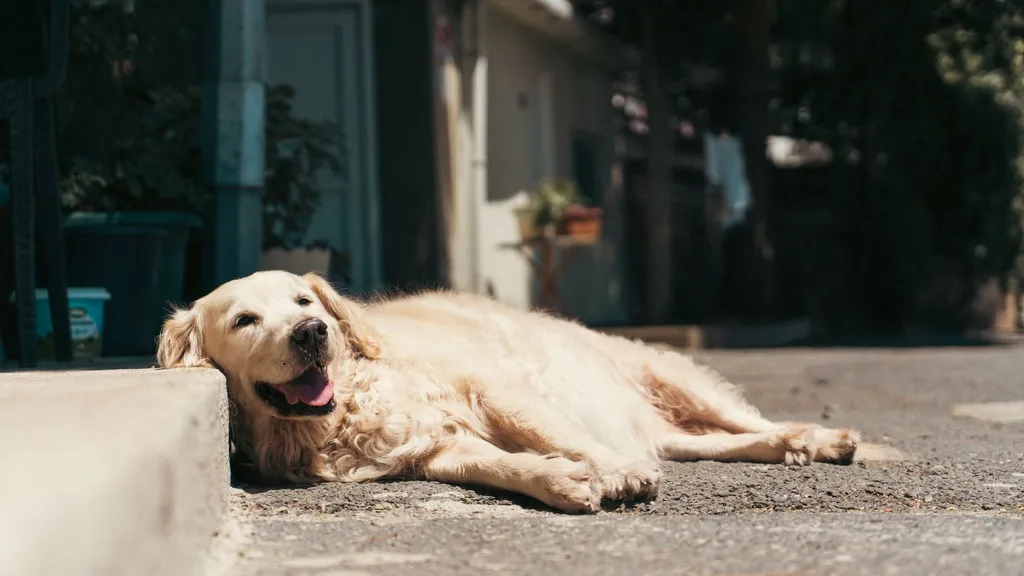
Understanding the Real Risks: What Can Go Wrong
Before we dive into solutions, you need to understand what we’re protecting against—and what cooling mistakes can actually make things worse. I learned some of these the hard way.
Primary Heat-Related Dangers
| Risk | Symptoms | Why It’s Dangerous |
|---|---|---|
| Heatstroke | Excessive panting, bright red tongue/gums, thick drooling, rapid heartbeat, weakness, vomiting, collapse | Body temperature exceeds 104°F; organs begin failing; can be fatal within 15-30 minutes |
| Heat Exhaustion | Heavy panting, excessive thirst, lethargy, loss of appetite, dark urine | Precursor to heatstroke; causes dehydration and electrolyte imbalance |
| Paw Pad Burns | Limping, licking/chewing paws, blistered or darkened pads, refusal to walk | Hot pavement (often 40-60°F hotter than air temp) causes second-degree burns |
| Sunburn | Red, inflamed skin (especially nose, ears, belly), hair loss, dry/cracked skin | More common in light-colored dogs; increases skin cancer risk |
Cooling Mistakes That Can Backfire
Here’s what I wish someone had told me earlier: not all cooling methods are safe. I once tried giving my dogs ice-cold water after a walk, thinking colder was better—my vet quickly corrected me.
Over-cooling dangers include:
- Ice baths or extremely cold water can cause blood vessels to constrict rapidly, trapping heat internally and potentially causing shock
- Covering dogs completely with wet towels without airflow actually insulates heat against their body
- Frozen treats that are too large pose choking hazards (I now break frozen treats into smaller pieces after a scary incident)
- Direct ice pack application to skin can cause frostbite or tissue damage
The Blue Cross UK emphasizes that gradual, controlled cooling is always safer than extreme temperature changes.
How to Keep Dog Cool Without AC: My Complete Arsenal of Strategies
After five summers without reliable AC and three dogs of varying sizes and coat types, I’ve built a comprehensive cooling system that works. Here’s everything that’s earned a permanent place in my summer routine.
The Foundation: Hydration Strategy
Water is your first and most important line of defense. I keep at least four water bowls distributed throughout my house—one in each room my dogs frequent. Here’s my exact hydration protocol:
My Daily Water Routine:
- Morning: Fill all bowls with fresh, cool water; add 3-4 ice cubes to each
- Midday (hottest hours): Refresh water completely; add new ice cubes
- Post-walk: Offer water immediately but in small amounts to prevent bloat
- Evening: Final refresh before overnight
Pro tip from experience: I invested in insulated water bowls for outdoor spaces, and they’ve been game-changers. The water stays cool for hours longer, and my dogs drink more consistently throughout the day.
I also make “pup-sicles” by freezing low-sodium chicken broth in ice cube trays. When my rescue mix, Bella, gets reluctant to drink during peak heat, these encourage hydration while providing cooling from the inside.
Environmental Modifications: Turning Your Home Into a Cooling Haven
Your home environment can make an enormous difference—sometimes a 5-10°F reduction in perceived temperature just from smart adjustments.
Strategic Airflow Management
Fans are your best friend, but positioning matters. According to PetMD, dogs benefit most from air movement when they can control their exposure. Here’s my setup:
- Living room: Box fan positioned 3-4 feet away from my dogs’ favorite lying spots, angled to circulate air without directly blowing in their faces
- Bedroom: Ceiling fan on medium speed with floor-level circulation fan for my senior dog who prefers staying low
- Hallway: Cross-ventilation fan pulling cooler air from shaded side of house
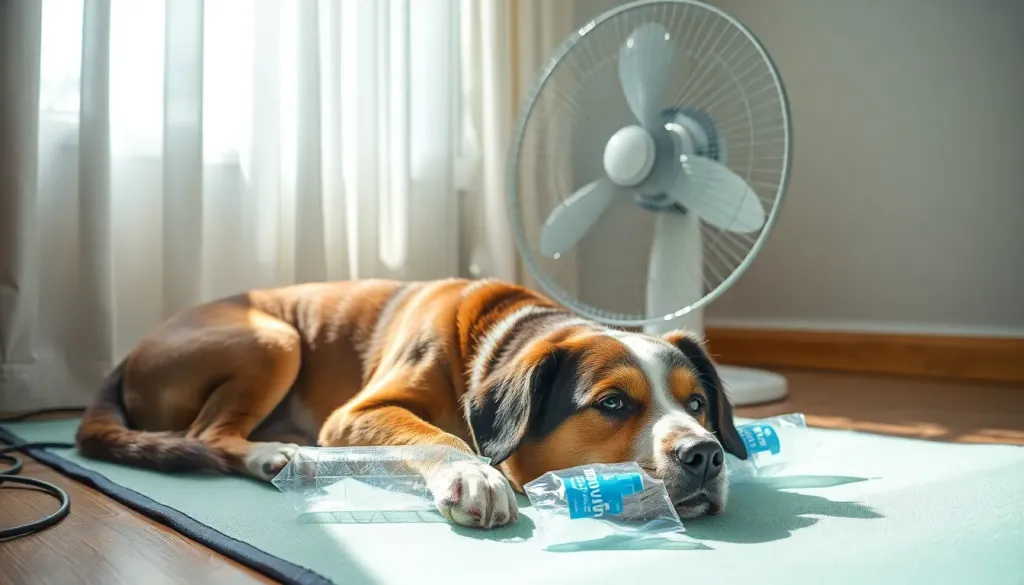
The frozen bottle trick: I place 2-3 frozen water bottles in a shallow pan in front of my box fans. As the air passes over the ice, it creates a makeshift air conditioning effect. This dropped our living room temperature by about 6°F during a particularly brutal heat wave.
Light and Heat Management
Window treatment strategy transformed my home’s heat retention:
- East-facing windows: Blackout curtains closed by 9 AM
- West-facing windows: Thermal curtains closed by noon (these are the worst for afternoon heat)
- South-facing windows: Reflective film installed permanently
- North-facing windows: Light curtains that still allow diffused light
I open all windows completely during the evening and early morning when outdoor temps drop below indoor temps—usually between 9 PM and 7 AM in my area. This natural ventilation can drop indoor temperatures by 8-12°F overnight.
Creating Cool Zones
Dogs naturally seek cool surfaces, and I’ve optimized my home to provide plenty of options:
Natural cooling surfaces in my home:
- Tile bathroom floors (Max’s favorite retreat)
- Hardwood flooring in shaded hallway
- Basement concrete (coolest spot in the house)
- Marble slab remnant I got from a countertop company for $20—my dogs fight over this one
Important: I removed all thick rugs from primary dog areas during summer. Carpet and rugs insulate heat, preventing dogs from accessing the naturally cooler floor beneath.
Active Cooling Methods: Hands-On Techniques That Work
Beyond environmental controls, these are the active cooling techniques I use regularly when temperatures spike.
Cooling Mats and DIY Alternatives
Commercial cooling mats use gel technology that activates with pressure—no freezing required. I own three different types:
- Pressure-activated gel mat ($30-50): Max loves this for overnight sleeping
- Water-filled mat ($25-40): Stays cool longer but requires more storage space
- Elevated cot with mesh ($35-60): Best airflow, perfect for outdoor shade
My DIY cooling solutions (because three large dogs = three times the expense):
- Frozen towel method: Dampen beach towels, fold into quarters, freeze for 2-3 hours, wrap in dry towel layer. Lasts 30-45 minutes.
- Rice cooling pack: Filled pillowcases with rice, froze them, wrapped in t-shirts. These conform to body shape beautifully.
- Water bottle stations: Froze 2-liter bottles, placed in dog beds with towel barriers. Cheap and effective for nap times.
The Right Way to Wet Your Dog
Water cooling is incredibly effective but must be done correctly. I learned this after making my dogs shiver—yes, you can actually make a dog too cold.
My safe water cooling protocol:
- Use lukewarm or cool water—never ice cold (around 70-75°F is ideal)
- Focus on key cooling zones: belly, armpits, paw pads, inner thighs—these areas have less fur and more blood vessels near the surface
- Avoid soaking the entire coat of double-coated breeds like my Golden, as this can trap heat against the skin
- Promote evaporation with a fan or by gently toweling excess water
Misting technique: I keep a spray bottle filled with cool water by each door. Before and after potty breaks, I mist my dogs’ bellies, chest, and paws. This light misting cools through evaporation without fully wetting their coats.
The alcohol trick: My vet showed me this emergency technique—dabbing rubbing alcohol on your dog’s paw pads, belly, or behind the ears. Alcohol evaporates much faster than water, providing rapid cooling. I keep a small bottle in my dog first-aid kit but use it sparingly and never near eyes, nose, or mouth.
Water Play and Paddling Pools
Not all my dogs are water lovers, which was surprising to me as a first-time Golden Retriever owner—I assumed all dogs would love swimming. Bella, my rescue, was terrified of water initially.
Paddling pool success strategies:
- Started with just 1-2 inches of water, letting Bella investigate at her own pace
- Placed favorite toys partially in the water to encourage exploration
- Never forced anyone in—my Terrier mix still prefers lying beside it with just his paws in
- Used a rigid kiddie pool (about $15) rather than inflatable (dog claws are sharp!)
- Positioned in shadiest part of yard between 10 AM and 4 PM
- Changed water daily to prevent bacteria growth
For reluctant swimmers: I wet my hands and apply water to their paw pads and belly rather than expecting them to get in. This alone can drop their body temperature significantly.
Cooling Vests and Collars
These wearable cooling aids have become staples in our summer gear:
My experience with cooling products:
- Evaporative cooling vest ($25-45): Soak in cool water, wring out, put on dog. Stays effective 2-4 hours. Best for walks or outdoor time.
- Cooling collar/bandana ($10-20): Smaller, less restrictive version. Great for dogs who dislike wearing things.
- Gel-pack vest ($40-70): More expensive but stays cold longer. I use for car trips to the vet.
Pro tip: I pre-soak cooling vests and store them in the refrigerator (not freezer) an hour before walks. This extends their effectiveness significantly.
Dog Heatstroke Prevention Through Activity Modification
Adjusting when and how we exercise has been the single most effective change in preventing overheating in my pack.
Strategic Walk Timing
My summer walk schedule (dramatically different from winter):
- 5:30-6:30 AM: Main walk of the day, 45-60 minutes while pavement is coolest
- 11 AM - 5 PM: NO outdoor exercise except emergency bathroom breaks (less than 5 minutes)
- 8:30-9:30 PM: Evening walk, 30-45 minutes after pavement has cooled
The pavement test: Before every walk, I place my bare hand on the pavement for 7 seconds. If I can’t comfortably keep it there, it’s too hot for my dogs’ paws. The “7-second rule” has prevented countless paw pad burns.
Exercise Intensity Adjustments
According to Texas A&M Veterinary Medical Teaching Hospital, strenuous activity when temperatures exceed 80°F poses serious risks. I’ve modified our summer routine completely:
Hot weather activity modifications:
- Replaced running with leisurely sniff-walks
- Shortened fetch sessions to 10 minutes maximum in early morning only
- Eliminated hiking during peak summer months
- Increased mental stimulation through indoor puzzle toys and training sessions
- Introduced nose work games in air-conditioned basements of dog-friendly friends
Indoor exercise alternatives:
- Hide-and-seek with treats throughout the house
- Indoor fetch with soft toys in longest hallway
- Treadmill training for my Golden (gradually introduced, never forced)
- Training new tricks in 10-minute sessions
The Car Safety Non-Negotiable
I never, ever leave my dogs in the car during warm months—not even “just for a minute.” Studies show that even with windows cracked, car interiors can reach 120°F within 20 minutes when it’s only 80°F outside.
My car trip cooling protocol:
- Travel only during coolest parts of day when possible
- Run AC for 10 minutes before loading dogs
- Use cooling mats on back seats
- Carry insulated water bottles and collapsible bowls
- Take water breaks every 30 minutes on longer trips
- Never park in direct sunlight—always find shade
Summer Dog Safety Tips: Recognizing and Responding to Overheating
Early recognition saved Max’s life during our first serious heat wave together. Knowing what to watch for is critical.
Signs of Dog Overheating (Progressive Stages)
Early warning signs (take action immediately):
- Excessive panting with tongue hanging far out
- Thick, ropy drool
- Increased heart rate (you can feel this by placing hand on chest)
- Seeking cool spots obsessively
- Reduced energy or reluctance to move
Moderate distress (veterinary assessment recommended):
- Bright red or very pale gums and tongue
- Weakness or stumbling
- Disorientation or confusion
- Vomiting or diarrhea
- Glazed eyes
Severe emergency (life-threatening—emergency vet NOW):
- Collapse or inability to stand
- Seizures or tremors
- Loss of consciousness
- Blue or purple gums (oxygen deprivation)
- Body temperature above 104°F if you can measure safely
My Emergency Cooling Response Plan
When I noticed Max showing early overheating signs, here’s exactly what I did (under phone consultation with my vet):
- Moved him immediately to coolest area (tile bathroom floor)
- Applied cool (not cold) water to belly, armpits, paw pads using wet cloths
- Positioned fan to blow air across his body
- Offered small amounts of cool water—he drank, which was good sign
- Placed cool (not frozen) water bottles wrapped in towels near, not against, his body
- Monitored continuously for 30 minutes while checking in with vet by phone
- Took rectal temperature (101-102.5°F is normal; Max was at 103.8°F)
Within 20 minutes, his panting decreased, and his temperature started dropping. We continued monitoring for two hours. My vet advised an examination if temperature exceeded 104°F or if symptoms worsened—thankfully, neither happened.
Critical lesson learned: I now keep an emergency cooling kit by the door with:
- Digital pet thermometer
- Spray bottles filled with cool water
- Towels designated for cooling
- Rubbing alcohol
- Vet emergency number saved in phone
- Portable fan
DIY Dog Cooling Mat and Frozen Dog Treats: Budget-Friendly Solutions
Budget reality: Quality cooling products for three large dogs adds up fast. These DIY solutions have saved me hundreds while working just as well.
DIY Cooling Mat Options
1. The Frozen Towel Mat (My Most-Used Method)
What I do:
- Take old beach towels (2-3 layers)
- Dampen thoroughly with cool water
- Fold into rectangular pad size
- Place in large freezer bags
- Freeze for 3-4 hours
- Wrap in dry towel layer before offering to dogs
Why it works: Provides 30-45 minutes of cooling; washable; costs nothing if you have old towels.
2. The Rice Pack Method
Materials:
- Old pillowcases or fabric remnants sewn into pouches
- Uncooked white rice (cheap bulk bags)
- Old t-shirts for covering
Process:
- Fill pouches 3/4 full with rice
- Sew or tie closed securely
- Freeze for 4+ hours
- Cover with t-shirt before use
Benefits: Conforms to dog’s body shape; stays cold 45-60 minutes; reusable indefinitely. I made four of these for about $12 total.
3. The Elevated Cot DIY
What I built:
- PVC pipe frame (approximately $15 in materials)
- Outdoor mesh fabric or old hammock material
- Corner connectors
This elevated design allows air circulation underneath and above—Max’s favorite summer sleeping spot. Total cost: under $25 for large-dog-sized cot.
Frozen Dog Treats That Actually Work
Store-bought frozen treats get expensive at $4-6 per package. I make large batches that last weeks.
My Go-To Frozen Treat Recipes:
1. Peanut Butter Banana Pops
- 2 ripe bananas, mashed
- 3/4 cup xylitol-free peanut butter
- 1.5 cups plain Greek yogurt
- 1/4 cup water
Mix thoroughly, pour into ice cube trays or small silicone molds, freeze overnight. Makes 24+ treats.
2. Chicken Broth Ice Cubes
- Low-sodium chicken broth (check no onions/garlic)
- Small pieces of cooked chicken (optional)
Pour into ice cube trays, add chicken pieces, freeze. Simple but my dogs go crazy for these.
3. Watermelon Mint Slushies
- 3 cups seedless watermelon, cubed
- 1/4 cup fresh mint leaves
- 1/2 cup coconut water
Blend until smooth, pour into molds, freeze. Watermelon is 92% water—incredible for hydration.
4. Frozen Kong Stuffing
- Mix kibble with plain yogurt or pumpkin puree
- Stuff Kongs loosely
- Freeze overnight
Provides 30-60 minutes of licking entertainment plus cooling benefits. I prep a week’s worth on Sunday evenings.
Safety notes from my experience:
- Always supervise frozen treat consumption
- Size appropriately—I break treats into quarters for my smallest dog
- Introduce slowly if your dog has a sensitive stomach
- Avoid anything with artificial sweeteners, especially xylitol (toxic to dogs)
Breed-Specific Considerations: Not All Dogs Cool the Same
My three dogs require different cooling strategies based on their individual characteristics. This was a learning curve for me.
High-Risk Breeds and Coat Types
Brachycephalic (short-nosed) breeds are at significantly higher risk:
- Bulldogs (English, French)
- Pugs
- Boston Terriers
- Shih Tzus
- Boxers
These breeds have restricted airways that make panting less effective. A friend’s French Bulldog requires cooling interventions at temperatures 10-15°F lower than my Golden.
Double-coated breeds (like my Max):
- Golden Retrievers
- German Shepherds
- Huskies
- Malamutes
- Collies
Common mistake: Shaving double-coated dogs. I almost made this error my first summer! Their undercoat actually provides insulation against heat as well as cold. Instead, I:
- Brush Max daily to remove dead undercoat
- Use a de-shedding tool weekly
- Never shave down to skin
- Focus on keeping him well-groomed rather than removing his protective coat
Senior dogs and puppies have less efficient temperature regulation. My older dog gets proactive cooling (mats, fans, limited outdoor time) even when temps are only moderately warm (75-80°F).
Coat Color and Sunburn Protection
Light-colored dogs and those with thin coats need sunscreen! I learned this when Bella, my white-and-tan rescue, got a mild sunburn on her belly and nose tip.
My sunburn prevention routine:
- Apply pet-safe sunscreen (zinc-free, fragrance-free) to nose, ear tips, belly
- Reapply every 2 hours during extended outdoor time
- Provide constant access to shade
- Use cooling vests that also provide UV protection
Dark-coated dogs absorb heat more rapidly. My friend’s black Labrador shows heat stress 20-30 minutes sooner than my Golden under identical conditions.
Creating Your Complete Summer Cooling System: My Integrated Approach
What I’ve learned through five summers is that no single method is enough. Success comes from combining multiple strategies into a comprehensive system.
My Daily Summer Routine (Temperature Above 80°F)
6:00 AM:
- Main walk during coolest time
- Return home, offer water immediately
- Wipe paws and bellies with damp cloth
7:00 AM - 8:00 PM:
- All fans running on rotation schedule
- Curtains closed on sun-facing windows
- Fresh water with ice cubes available in 4 locations
- Cooling mats positioned in favorite resting spots
- Frozen Kongs rotated every 2 hours for entertainment
12:00 PM - 4:00 PM (Hottest Hours):
- Dogs encouraged to rest in coolest rooms (tile bathroom, basement)
- Light misting every 60-90 minutes if they seem warm
- Frozen treats offered mid-afternoon
- No outdoor access except quick bathroom breaks on grass (never pavement)
8:30 PM:
- Evening walk after pavement test
- Post-walk cooling protocol
- Open windows for cross-ventilation
- Remove cooling mats to clean
10:00 PM:
- Final water refresh
- Check all dogs for any signs of distress
- Night cooling mats positioned
Investment Priority List (If Budget Is Limited)
If I had to start over with limited funds, this is the order I’d invest:
- Quality fan(s) ($20-50): Biggest impact for lowest cost
- Paddling pool or water source ($10-20): Water cooling is free and effective
- Insulated water bowls ($15-25): Keeps water cold longer
- DIY cooling mats (materials $10-20): Using methods I described above
- Pet-safe thermometer ($10-15): For monitoring body temperature
- One commercial cooling vest ($30-50): For highest-risk dog or emergencies
- Elevated cot or commercial cooling mat ($40-80): When budget allows
Free or nearly-free essentials:
- Strategic window covering (use existing sheets/blankets)
- Ice cube water additions
- DIY frozen treats using ingredients you have
- Natural cool surfaces (tile, hardwood)
- Basement or coolest room access
Frequently Asked Questions: Real Answers from Real Experience
Can I use ice-cold water to cool my overheating dog?
No—use cool or lukewarm water, never ice-cold. I learned this directly from my vet during Max’s overheating scare. Extremely cold water causes blood vessels in the skin to constrict rapidly, which actually traps heat inside the body rather than releasing it. This phenomenon, called peripheral vasoconstriction, prevents heat from escaping through the skin’s surface.
What happened when I used too-cold water: During my first summer with dogs, I hosed Max down with cold well water after a walk. He started shivering even though his core was still hot—his body was fighting to rewarm the skin while his internal temperature remained dangerously elevated.
The right temperature: Water should feel cool to neutral on your inner wrist—roughly 70-75°F. Think “refreshing” not “shocking.” Focus applications on the belly, armpits, inner thighs, and paw pads where blood vessels are closer to the surface.
My vet’s guideline: Aim to lower your dog’s body temperature gradually—about 1-2 degrees every 10 minutes, not all at once. If you’re dealing with suspected heatstroke, cool the dog while transporting to emergency vet, but don’t delay transport trying to achieve normal temperature first.
How do I know if my house is too hot for my dog?
If you’re uncomfortable, your dog is more uncomfortable. Dogs tolerate heat less well than humans because they can’t sweat effectively. I use both objective and observational measures:
Objective temperature guidelines:
- Below 75°F: Generally safe for most healthy dogs with water access
- 75-82°F: Moderate risk—cooling measures recommended, watch for early warning signs
- 82-90°F: High risk—multiple cooling strategies essential, limit activity severely
- Above 90°F: Extreme danger—emergency cooling protocols, possible evacuation to cooler location
However, humidity matters enormously. At 85°F with high humidity, my dogs show distress faster than at 95°F with low humidity. The combination prevents evaporative cooling from panting.
What I observe in my dogs:
- Panting intensity: Moderate, regular panting is normal. Heavy panting with tongue fully extended and curled at edges indicates distress.
- Behavior changes: If Max moves from room to room seeking cooler spots, that’s a clear signal.
- Resting position: When Bella sprawls completely flat, belly down on cool surfaces with limbs extended, she’s actively trying to cool herself.
- Water consumption: Dramatically increased water intake signals they’re working hard to regulate temperature.
My rule: If my dogs are persistently panting even while resting, not engaging in play, constantly seeking cool surfaces, or if I measure indoor temperature above 82°F, I implement full emergency cooling protocols or relocate to a friend’s air-conditioned home.
What’s the fastest way to cool an overheating dog in an emergency?
Time is critical in true emergencies—every minute counts when dealing with potential heatstroke. Based on veterinary guidance I received during Max’s scare and subsequent research, here’s the priority sequence:
Immediate actions (first 5 minutes):
- Remove from heat source immediately and move to coolest available location (tile floor, shade, basement)
- Apply cool (70-75°F) water to belly, armpits, inner thighs, and paw pads using soaked towels or gentle spray
- Position fan to blow air across wet fur, promoting evaporative cooling
- Offer small amounts of cool water to drink if dog is conscious and able
- Contact emergency vet immediately and begin transport if symptoms are severe
Continue during transport or while waiting for vet:
- Place cool water bottles wrapped in towels (never direct ice contact) near belly and neck
- Monitor continuously for changes in condition
- Take rectal temperature every 5-10 minutes if possible (stop cooling measures if temp drops below 103°F to prevent overcooling)
Advanced technique my vet taught me: If you have rubbing alcohol, dampen a cloth and wipe paw pads and armpits. The rapid evaporation creates faster cooling than water alone. However, never use on large body areas or near face/mouth.
What NOT to do:
- Don’t submerge in ice bath or ice water
- Don’t cover entire body with wet towels without airflow
- Don’t force water if dog is unconscious or having trouble swallowing
- Don’t assume dog is “fine” just because panting decreases—internal damage may still be occurring
The number one lesson from my experience: When in doubt, go to the vet. Even if your dog seems to recover, heatstroke can cause delayed organ damage that appears hours or days later. Max had a follow-up exam the next day to ensure no kidney or liver damage occurred.
Are cooling mats safe for dogs to use all day?
Yes, pressure-activated cooling mats are safe for extended use, but other types require more caution. I rotate different mat types throughout the day based on their mechanisms.
Pressure-activated gel mats (my primary choice):
- Safe for all-day use
- Automatically recharge when dog gets up
- No risk of over-cooling since they only activate with pressure
- Max often sleeps on his for 4-6 hours straight without issue
Water-filled mats:
- Safe for extended periods
- Can develop leaks over time (check regularly for punctures)
- May feel too firm for some dogs initially
- Need occasional refilling
Frozen gel pack mats:
- Limit use to 1-2 hours maximum
- Should never be in direct contact with skin—always use a towel barrier
- Risk of frostbite or skin irritation with prolonged contact
- Best for active cooling sessions, not all-day use
- Allow mat to return to neutral temperature before refreezing
My rotation system:
- Gel mats available 24/7 in favorite resting spots
- Water-filled mats for midday lounging
- Frozen DIY mats for 30-60 minute post-walk cooling sessions
Signs your dog might not like a cooling mat:
- Consistently avoiding it despite heat
- Attempts to dig or move it
- Preferring bare floor next to it
Bella initially disliked the sensation of cooling mats and preferred bare tile. I didn’t force it—dogs instinctively know what feels right. After a few weeks of seeing Max use his, she gradually accepted hers.
Maintenance matters: I wipe down gel mats weekly with pet-safe cleaner and check for damage. A punctured gel mat can leak toxic materials, so inspect regularly, especially if you have chewers.
Advanced Tips: What I Wish I’d Known From Day One
Five years of AC-free summers taught me lessons beyond the basics that made enormous differences in effectiveness and dog comfort.
Strategic Room Selection
Not all rooms cool equally. I measured temperatures in every room of my house and discovered a 12°F difference between my hottest and coolest spaces at peak heat.
Coolest rooms typically:
- Face north (no direct sunlight)
- Are on lower floors or basements
- Have tile or stone flooring
- Have multiple windows for cross-ventilation
My dogs now spend 10 AM - 5 PM primarily in our north-facing tile bathroom and basement family room—the two coolest zones. I moved their beds, water bowls, and favorite toys to these areas during summer months.
The Evaporative Cooling Power Move
Combining water and airflow creates the most effective cooling. This is how I maximize evaporative cooling:
- Lightly mist dog’s belly and chest with spray bottle
- Position fan 3-4 feet away
- Air movement accelerates water evaporation, which draws heat away from body
- Repeat misting every 20-30 minutes as water evaporates
This method can lower perceived body temperature by several degrees and uses minimal water.
Grooming Makes or Breaks Success
Proper summer grooming was transformative for my Golden Retriever’s heat tolerance. Working with a groomer who understands double coats:
What helped:
- Weekly thorough brushing to remove dead undercoat
- Monthly professional de-shedding treatments
- Trimming (not shaving) sanitary areas and belly where mats can trap heat
- Paw pad fur trimming to allow better contact with cool surfaces
What hurt:
- Previous groomer who shaved Max—removed his natural insulation
- Inconsistent brushing that allowed undercoat matting
- Neglecting paw maintenance
The difference in Max’s heat tolerance after proper grooming versus when he’s overgrown is dramatic—easily a 5°F difference in the temperature at which he starts showing stress.
Nighttime Is Your Reset Opportunity
Maximizing nighttime cooling helps your dog start each day with a lower baseline temperature. My evening routine:
- Open all windows by 8 PM when outdoor temperature drops below indoor
- Run fans to pull in cool night air
- Position dogs’ beds in direct line of cross-ventilation
- Use cooling mats that recharged during day
- Offer frozen treats before bed (helps lower core temperature overnight)
This “overnight reset” means my dogs start each hot day already cooler, buying precious time before afternoon heat peaks.
Building Your Emergency Plan: When Cooling Isn’t Enough
Despite your best efforts, extreme heat may exceed your home’s capacity to remain safe. I maintain backup plans