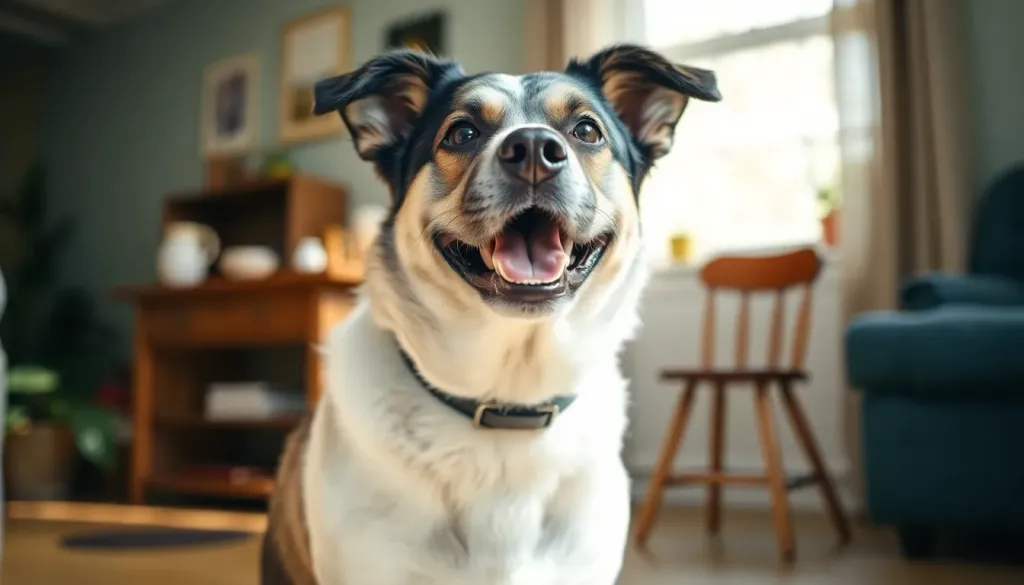
How to Mentally Stimulate Your Dog Indoors

The Complete Guide to Indoor Mental Enrichment for Dogs
Yes, mentally stimulating a dog indoors is not only possible but essential for their overall well-being. Indoor mental stimulation is as crucial as physical exercise, providing cognitive challenges that improve behavior, reduce anxiety, and enhance your dog’s quality of life regardless of weather conditions or space limitations.
Veterinary Disclaimer
Important Notice: The information provided in this article is for educational purposes only and does not constitute veterinary medical advice. While mental stimulation is beneficial for most dogs, individual needs vary based on age, health status, and behavioral history. Always consult with a licensed veterinarian or certified animal behaviorist before implementing new enrichment programs, especially if your dog has existing medical conditions, behavioral issues, or dietary restrictions. If your dog shows signs of distress, aggression, or unusual behavior during mental stimulation activities, discontinue immediately and seek professional guidance.
Why Mental Stimulation Matters: The Science Behind Canine Cognitive Health
According to research supported by the American Kennel Club (AKC), mental exercise activates different neural pathways than physical activity alone. Dogs are intelligent, problem-solving animals descended from working ancestors who spent their days hunting, herding, and performing complex tasks. Modern domestication has significantly reduced these natural outlets, creating a cognitive deficit that manifests as behavioral problems.
The neurological benefits of mental stimulation include:
- Enhanced synaptic connections in the brain
- Improved memory formation and retention
- Increased production of brain-derived neurotrophic factor (BDNF)
- Better emotional regulation through cortical development
- Maintained cognitive function in aging dogs
PetMD emphasizes that mental fatigue can be more satisfying for dogs than physical exhaustion alone. A 15-minute problem-solving session can tire a dog as effectively as a 30-minute walk, making indoor enrichment particularly valuable for high-energy breeds, dogs recovering from injury, or during inclement weather.

Comprehensive Benefits of Indoor Mental Stimulation
Behavioral and Psychological Advantages
The American Society for the Prevention of Cruelty to Animals (ASPCA) identifies mental enrichment as a primary tool for addressing behavioral concerns. The documented benefits extend across multiple domains:
| Benefit Category | Specific Outcomes |
|---|---|
| Behavioral Regulation | Reduces destructive behaviors (chewing furniture, excessive barking, digging), decreases hyperactivity, curbs counter-surfing |
| Cognitive Function | Enhances critical-thinking skills, improves focus and concentration, supports brain development in puppies, maintains neural health in senior dogs |
| Emotional Well-being | Reduces stress and anxiety, provides outlets for separation anxiety, builds confidence, satisfies natural curiosity |
| Physical Health | Slows eating pace (reducing bloat risk), channels energy productively, contributes to overall fitness |
| Relationship Enhancement | Strengthens human-animal bond, improves communication, increases trust and cooperation |
Life Stage-Specific Benefits
Puppies (8 weeks - 1 year): Mental stimulation during critical developmental periods establishes neural foundations for lifelong learning. Early cognitive challenges contribute to:
- Faster learning of commands and house training
- Better impulse control development
- Reduced fear responses to novel situations
- Enhanced socialization skills
Adult Dogs (1-7 years): Mature dogs require ongoing mental challenges to prevent boredom and maintain cognitive sharpness. Benefits include:
- Maintenance of learned behaviors
- Prevention of regression to destructive patterns
- Continued confidence building
- Sustained mental acuity
Senior Dogs (7+ years): According to veterinary research, senior dogs engaging in regular mental stimulation show significantly reduced rates of cognitive dysfunction syndrome (CDS), the canine equivalent of Alzheimer’s disease. Specific advantages include:
- Delayed onset of cognitive decline
- Maintained problem-solving abilities
- Improved quality of life
- Better adaptation to environmental changes
How to Mentally Stimulate a Dog Indoors: Proven Methods and Activities
Interactive Puzzle Toys and Food Dispensers
Treat-Puzzle Toys represent one of the most effective forms of indoor enrichment. These devices require dogs to manipulate compartments, slides, or levers to access hidden rewards.
Selection Guidelines:
- Beginner Level: Simple flip-lid or sliding compartments (ideal for first-time users)
- Intermediate Level: Multiple-step puzzles requiring sequential actions
- Advanced Level: Complex mechanisms involving memory and strategy
The AKC recommends starting with easier puzzles and gradually increasing difficulty to prevent frustration. Dogs should succeed within 5-10 minutes initially, building confidence before tackling harder challenges.
Kong Stuffing Strategies:
According to PetMD, frozen Kong toys provide extended engagement while soothing anxious dogs. Safe stuffing options include:
| Base Ingredient | Add-Ins | Freezing Time | Engagement Duration |
|---|---|---|---|
| Xylitol-free peanut butter | Kibble, small training treats | 2-4 hours | 20-45 minutes |
| Plain yogurt | Mashed banana, blueberries | 3-5 hours | 30-60 minutes |
| Pumpkin puree | Cooked sweet potato, carrots | 2-3 hours | 25-50 minutes |
| Wet dog food | Frozen peas, green beans | 2-4 hours | 20-40 minutes |
Critical Safety Note: Always verify ingredients are xylitol-free. Xylitol, commonly found in sugar-free products, causes dangerous insulin spikes and can be fatal to dogs.

Scent Work and Nose Games
Dogs possess approximately 300 million olfactory receptors compared to humans’ six million, making scent work exceptionally engaging and mentally taxing.
Hide-and-Seek Treat Games:
- Beginner Level: Place treats in obvious locations while your dog watches
- Intermediate Level: Hide treats while your dog waits in another room
- Advanced Level: Use scent-impregnated objects hidden in challenging locations
Progression Protocol:
- Week 1: 5 treats in plain sight
- Week 2: 5 treats partially hidden (under towels, behind furniture legs)
- Week 3: 8-10 treats in more creative spots
- Week 4+: Multiple rooms, elevated surfaces, containers
Snuffle Mat Utilization:
These fabric mats mimic grass and ground cover, engaging dogs’ natural foraging instincts. Scatter kibble or treats within the fabric strips, requiring dogs to use their noses to locate food. This activity:
- Slows eating pace naturally
- Provides 10-20 minutes of focused engagement
- Reduces mealtime anxiety
- Satisfies instinctive foraging behaviors
Training Sessions as Mental Exercise
The ASPCA emphasizes that training isn’t just about obedience—it’s intensive mental work. Short, focused sessions provide substantial cognitive stimulation.
Optimal Training Structure:
- Duration: 5-15 minutes per session
- Frequency: 2-3 sessions daily
- Focus: One new skill or reinforcement of 2-3 known commands
- Ending: Always conclude on a successful repetition
Commands and Tricks with High Cognitive Demand:
Basic Level:
- Sit, stay, down, come
- Touch (targeting hand or object)
- Leave it/drop it
Intermediate Level:
- Wait (extended duration stays)
- Place (go to designated spot)
- Spin/turn around
- Paw (shake)
Advanced Level:
- Play dead
- Roll over
- Find it (search for named toys)
- Back up
- Weave through legs
Progressive Complexity: Chain multiple commands together (sit-stay-come-down) to create sequences requiring memory and impulse control.
Mealtime Enrichment Strategies
Transform routine feeding into engaging mental exercises. According to veterinary nutritionists, dogs who work for their food show increased satisfaction and reduced food-related anxiety.
Scatter Feeding: Distribute kibble across a large area (tiled floor, shallow cardboard box, clean bathroom) forcing your dog to search for individual pieces. This:
- Extends eating time from 30 seconds to 10-15 minutes
- Engages natural foraging behaviors
- Provides gentle physical activity
- Reduces competitive eating in multi-dog households
Puzzle Feeder Options:
| Feeder Type | Difficulty | Best For | Eating Time Extension |
|---|---|---|---|
| Slow-feeder bowls | Easy | Fast eaters prone to bloat | 3-5x longer |
| Wobbler toys | Medium | Food-motivated dogs | 5-10x longer |
| Multi-chamber puzzles | Hard | Experienced problem-solvers | 10-15x longer |
| Snuffle mats | Easy-Medium | All dogs, especially seniors | 5-8x longer |
Important Consideration: PetMD notes that fast eaters face increased risk for gastric dilatation-volvulus (bloat), a life-threatening emergency. Slow-feeding methods provide critical health benefits beyond mental stimulation.
DIY Indoor Obstacle Courses
Create engaging physical and mental challenges using household items, particularly valuable for high-energy breeds confined indoors.
Course Components:
Jumping Elements:
- Broomstick balanced on stacked books (height-adjustable)
- Pool noodles secured between chair legs
- Hula hoops held vertically
Weaving Elements:
- Chairs placed in a row for weaving patterns
- Traffic cones or plastic bottles
- PVC pipe markers
Crawling Elements:
- Blanket draped over chairs creating a tunnel
- Large cardboard boxes with both ends open
- Coffee table to crawl under
Balance Elements:
- Firm cushions or pillows for stepping
- Folded towels for paw placement
- Yoga mat for textured surface
Training Protocol:
- Introduce each obstacle individually with treats
- Lure your dog through/over elements repeatedly
- Add verbal cues for each action
- Combine 3-4 elements into a sequence
- Practice the complete course 2-3 times
- Rearrange weekly to maintain novelty
Toy Rotation Systems
The novelty effect significantly impacts engagement levels. Dogs quickly habituate to constantly available toys, reducing their stimulating value.
Effective Rotation Strategy:
Week 1: Toys A, B, C available Week 2: Toys D, E, F available Week 3: Toys G, H, I available Week 4: Reintroduce Toys A, B, C (now “new” again)
Organization Tips:
- Maintain 3-4 toy “sets” stored separately
- Rotate every 4-7 days
- Keep one beloved comfort toy consistently available
- Reserve highest-value toys for training rewards
Interactive Play Sessions
Structured play provides mental engagement through decision-making and strategy.
Tug-of-War (Controlled): Contrary to outdated beliefs, tug games don’t create aggression when played with rules:
- Dog must wait for “take it” command before grabbing
- Dog must release on “drop it” command
- Game ends if teeth touch human skin
- Human controls game initiation and conclusion
Find Your Toy Game:
- Assign names to 2-3 specific toys
- Ask for a specific toy by name
- Reward correct selection enthusiastically
- Gradually increase toy options to 5-10
This activity combines memory, discrimination, and vocabulary comprehension.
Potential Risks and Safety Precautions
While indoor mental stimulation offers numerous benefits, the ASPCA and veterinary professionals identify several hazards requiring attention.
Toy-Related Dangers
Ingestion Hazards: Small toy parts, particularly from children’s toys, pose serious risks. Common items causing intestinal blockages include:
- LEGO pieces
- Rubber bands
- Small plastic components
- Squeakers removed from toys
- Fabric scraps from destroyed toys
Emergency indicators requiring immediate veterinary attention:
- Vomiting, especially repeated attempts
- Loss of appetite
- Lethargy
- Abdominal pain or distension
- Inability to defecate
Prevention Strategies:
- Supervise all play with new toys initially
- Remove toys showing significant wear
- Choose size-appropriate toys (too large to swallow)
- Avoid toys with easily detachable parts
- Invest in heavy-duty construction for power chewers
Household Environmental Hazards
Increased indoor activity and exploration create exposure to household dangers:
Kitchen Risks:
- Knife blocks pulled from counters
- Hot dishes accessed during counter-surfing
- Glassware knocked to floor
- Trash bins containing food wrappers or toxic items
Toxic Substances: According to PetMD, common household items posing toxicity risks include:
| Substance | Risk Level | Effects |
|---|---|---|
| Xylitol (gum, candy) | EXTREME | Insulin spikes, liver failure, death |
| Medications | HIGH | Varies by drug; organ failure possible |
| Cleaning products | HIGH | Chemical burns, respiratory distress |
| Laundry pods | HIGH | Chemical burns, breathing difficulty |
| Dishwasher tablets | HIGH | Caustic injuries |
| Certain houseplants | MODERATE-HIGH | Varies: vomiting, kidney failure |
Safeguarding Recommendations:
- Install childproof cabinet locks
- Store medications in high, secure cabinets
- Use covered trash bins
- Remove toxic plants or place out of reach
- Secure heavy furniture and electronics to walls
- Create designated “dog-safe” zones for activities
Frustration and Stress Management
Signs of Over-Challenge:
- Giving up quickly on puzzles
- Destructive attempts to access treats
- Avoidance of enrichment items
- Excessive panting or lip licking
- Aggressive behavior toward toys
Solution Protocol:
- Reduce difficulty immediately
- Provide guided assistance
- Ensure regular successful completions
- Build complexity very gradually
- Monitor body language continuously
Optimal Challenge Level: Your dog should succeed approximately 70-80% of the time, struggling just enough to remain engaged without becoming frustrated.
Step-by-Step Implementation Guide
Week 1: Foundation Building
Day 1-2:
- Introduce one simple puzzle toy with easily accessible treats
- Practice basic “find it” with visible treats
- Conduct 5-minute training session (review known commands)
Day 3-4:
- Add snuffle mat at one meal
- Hide toys in easy locations
- Introduce Kong with unfrozen filling
Day 5-7:
- Combine two activities in same session
- Freeze Kong for extended engagement
- Begin toy rotation (remove half, store for later)
Week 2: Complexity Increase
Day 8-10:
- Increase puzzle toy difficulty slightly
- Hide treats in new locations
- Add one new command/trick to training
Day 11-14:
- Scatter feed entire meal
- Create simple 3-element obstacle course
- Extend training sessions to 10 minutes
Week 3-4: Routine Establishment
Daily Schedule Example:
| Time | Activity | Duration |
|---|---|---|
| Morning | Scatter feeding or puzzle feeder | 15-20 min |
| Mid-morning | Training session | 10 min |
| Afternoon | Scent work/hide-and-seek | 15 min |
| Early evening | Obstacle course or interactive play | 10-15 min |
| Evening | Frozen Kong or chew toy | 30-45 min |
Adaptation Notes:
- Adjust frequency based on your dog’s age and energy
- Puppies need shorter, more frequent sessions
- Senior dogs benefit from gentler, lower-impact activities
- High-energy breeds may require additional sessions
Long-Term Maintenance
Monthly Evaluation:
- Rotate puzzle types
- Introduce new hiding spots
- Add novel trick training
- Refresh obstacle course layout
- Replace worn toys
Signs of Successful Program:
- Decreased destructive behaviors
- Calmer demeanor during downtimes
- Increased responsiveness to commands
- Better sleep quality
- Enthusiastic engagement with activities
Special Considerations for Different Dog Types
High-Energy Breeds
Breeds like Border Collies, Australian Shepherds, Belgian Malinois, and Jack Russell Terriers require exceptionally high mental stimulation.
Intensified Protocol:
- 3-4 daily training sessions
- Advanced puzzle toys exclusively
- Combination activities (scent work + obstacle course)
- Job-based enrichment (carrying items, fetching specific objects)
- Agility training indoors
Senior Dogs and Cognitive Support
Dogs over age 7 benefit immensely from continued mental challenges, but activities require modification.
Age-Appropriate Adjustments:
- Lower physical demands (no high jumping)
- Extended time allowances for puzzle completion
- Familiar command reinforcement over new learning
- Shorter sessions (5-10 minutes)
- Non-slip surfaces for safety
- Gentler toys appropriate for aging teeth
According to veterinary studies, senior dogs engaging in daily mental stimulation show:
- 40% slower cognitive decline rates
- Maintained spatial memory
- Better adaptation to household changes
- Reduced nighttime restlessness
Dogs with Behavioral Issues
Separation Anxiety:
- Frozen Kongs for departure times
- Self-rewarding puzzles
- Gradual independence training
- Calming scent work activities
Reactive or Fearful Dogs:
- Low-stress, confidence-building puzzles
- Predictable routines
- Success-focused training
- Safe space incorporation
Multi-Dog Households
Resource Management:
- Separate feeding puzzles to prevent competition
- Individual training sessions
- Supervised interactive toys
- Rotation schedules preventing rivalry
- Sufficient activities for all dogs simultaneously
Cost-Effective DIY Mental Enrichment Ideas
PetMD emphasizes that effective mental stimulation doesn’t require expensive purchases.
Homemade Puzzle Feeders
Muffin Tin Puzzle:
- Place treats in muffin cups
- Cover with tennis balls
- Dog must remove balls to access treats
- Cost: $0 (using items you own)
Cardboard Box Treasure Hunt:
- Nest various sized boxes within each other
- Hide treats in innermost box
- Dog must dismantle to find reward
- Cost: Free (recycled materials)
Towel Roll:
- Lay treats along flat towel
- Roll tightly
- Dog must unroll to access treats
- Cost: $0
Plastic Bottle Spinner:
- Clean plastic bottle with cap removed
- Thread onto dowel or broomstick
- Place between chairs
- Add kibble; dog must spin to dispense
- Cost: $0-5
Free Environmental Enrichment
Cardboard Tunnel System: Large appliance boxes create elaborate tunnel networks requiring problem-solving navigation.
Blanket Fort: Draped blankets over furniture create explorable spaces satisfying den instincts.
Ice Block Treats: Freeze toys, treats, or safe produce chunks in water-filled containers. As ice melts, dog works to access rewards.
Measuring Success and Adjusting Your Program
Behavioral Markers of Adequate Stimulation
Positive Indicators:
- Settles calmly after activity sessions
- Decreased demand for constant attention
- Minimal destructive behavior
- Good sleep patterns
- Healthy appetite
- Enthusiastic engagement with activities
Insufficient Stimulation Signs:
- Persistent destructive behaviors
- Excessive barking or whining
- Hyperactivity despite physical exercise
- Attention-seeking behaviors
- Poor sleep (restlessness)
- Depression or lethargy
Activity Logs
Maintain simple records tracking:
- Activities completed daily
- Duration of engagement
- Behavioral observations
- Difficulty adjustments needed
- New skills acquired
This documentation reveals patterns helping optimize your program.
Professional Consultation Indicators
Seek guidance from veterinary behaviorists if:
- Destructive behaviors persist despite consistent enrichment
- Dog shows aggression during activities
- Significant anxiety or fear responses occur
- Cognitive decline seems rapid in seniors
- You’re unsure about appropriate difficulty levels
Frequently Asked Questions
How much mental stimulation does my dog need daily?
The required amount varies significantly by breed, age, and individual temperament. According to the AKC, most dogs benefit from 30-60 minutes of dedicated mental stimulation daily, divided into multiple sessions. High-energy working breeds (Border Collies, Australian Shepherds, German Shepherds) may require 90-120 minutes, while lower-energy breeds and seniors might be satisfied with 20-30 minutes. The key indicator is your dog’s behavior—a properly stimulated dog settles calmly between activities, shows minimal destructive behaviors, and sleeps well. Start with 15-minute sessions 2-3 times daily and adjust based on your dog’s response. Mental stimulation should complement, not replace, physical exercise, with the ideal balance being approximately 60% physical and 40% mental activity for most dogs.
Can mental stimulation replace physical exercise for my dog?
Mental stimulation cannot completely replace physical exercise, though it serves as a valuable supplement, particularly during weather extremes, injury recovery, or for owners with mobility limitations. According to PetMD, while 15 minutes of intensive mental work can tire a dog similarly to a 30-minute walk, dogs still require physical movement for cardiovascular health, joint maintenance, and muscle tone. The optimal approach combines both: a 20-minute walk paired with 15 minutes of puzzle work provides more complete enrichment than 60 minutes of either activity alone. During periods when physical exercise is impossible, intensive mental stimulation can temporarily substitute, preventing behavioral issues from developing. Senior dogs and brachycephalic breeds (pugs, bulldogs) who cannot sustain vigorous physical activity particularly benefit from this balanced approach, maintaining quality of life through cognitive challenges when physical limitations exist.
What should I do if my dog shows no interest in puzzle toys or enrichment activities?
Lack of interest typically indicates either inappropriate difficulty level, insufficient motivation, or inadequate introduction rather than genuine disinterest. First, evaluate your reward system—the treats or kibble must be sufficiently valuable to motivate effort. Try upgrading to higher-value rewards like small pieces of chicken, cheese, or commercial training treats. Second, ensure the puzzle isn’t too difficult; start with the simplest version where treats are barely hidden, allowing immediate success. Some dogs require “toy training”—repeatedly showing them how puzzles work while enthusiastically praising any interaction. Third, consider timing; introduce activities when your dog is somewhat hungry, before meals rather than after. The ASPCA recommends starting with the dog’s regular food in simple scatter-feeding arrangements before progressing to toys. If your dog ignores food-based enrichment entirely, explore alternative motivators like favorite toys, play sessions, or praise-based activities. Occasionally, medical issues like dental pain or nausea reduce food motivation—consult your veterinarian if disinterest persists across all activities.
Are there specific mental stimulation activities better suited for puppies versus senior dogs?
Yes, age-appropriate modifications significantly impact effectiveness and safety. For puppies (8 weeks to 1 year), focus on foundation-building activities that support brain development during critical periods. Ideal activities include simple puzzle toys with immediate rewards, basic obedience training in short 5-minute sessions, supervised exploration of safe household items with varied textures, gentle hide-and-seek games building confidence, and socialization-focused activities. Puppies have short attention spans requiring frequent activity changes and abundant positive reinforcement. Avoid frustration by ensuring 90% success rates. For senior dogs (7+ years), prioritize cognitive maintenance while respecting physical limitations. Appropriate activities include familiar puzzle toys at moderate difficulty (too easy becomes boring, too hard causes frustration), gentle scent work at ground level eliminating jumping requirements, slow-paced training reviewing well-known commands, soft chew toys suitable for aging teeth, and calm interactive games. According to veterinary research, senior dogs experiencing regular mental challenges show significantly delayed cognitive dysfunction syndrome onset. Adjust activity duration to 5-10 minutes based on fatigue signs, and incorporate non-slip surfaces for safety. Both age groups benefit from consistency and routine, but seniors require more patience and physical accommodation.
How can I tell if I’m over-stimulating my dog mentally?
Over-stimulation manifests through specific behavioral and physical indicators requiring immediate adjustment. Signs of excessive mental stimulation include increased anxiety or hyperactivity rather than calm satisfaction after sessions, avoidance behaviors when you present enrichment items, excessive panting or drooling during activities, difficulty settling or sleeping despite completed exercises, obsessive focus on food or toys, aggressive or frustrated responses to challenges, and paradoxically, increased destructive behaviors. Some dogs become “overstimulated” by too many novel activities introduced simultaneously, creating stress rather than satisfaction. The goal is productive tiredness—your dog should appear contentedly fatigued, settling easily, not anxiously exhausted. To correct over-stimulation, reduce session frequency and duration by 25-50%, simplify puzzle difficulty ensuring easy successes, allow 2-3 days of minimal enrichment focusing only on routine care, incorporate more calming activities like gentle massage or slow-paced training, and ensure your dog has quiet, uninterrupted rest periods between activities. Monitor for improvement over 3-5 days; if signs persist, consult a veterinary behaviorist. Balance is essential—mental enrichment should enhance your dog’s life quality, not create additional stress. Most dogs thrive on moderate, consistent stimulation rather than intensive, irregular sessions.
Conclusion: Building a Comprehensive Indoor Enrichment Program
Mental stimulation represents a fundamental component of responsible dog ownership, equally important as nutrition, veterinary care, and physical exercise. The research is unequivocal: dogs receiving regular cognitive challenges demonstrate superior behavior, maintained cognitive function into senior years, reduced anxiety, and strengthened bonds with their owners.
The most successful programs incorporate variety, appropriate challenge levels, and consistency. Begin with simple activities matching your dog’s current abilities, gradually increasing complexity as confidence builds. Remember that mental enrichment isn’t optional luxury—it’s biological necessity. Dogs evolved to solve problems, hunt, and work; modern domestic life often provides insufficient outlets for these drives.
By implementing the strategies outlined—puzzle toys, scent work, training sessions, mealtime enrichment, DIY activities, and environmental modifications—you create a cognitively rich environment supporting your dog’s mental health throughout their life. Start small, remain consistent, monitor your dog’s responses, and adjust as needed. The investment of 30-60 minutes daily yields immeasurable returns in behavioral improvements, cognitive health, and relationship quality.
Whether dealing with destructive puppy behaviors, maintaining adult dog wellness, or supporting senior cognitive function, indoor mental stimulation offers accessible, effective solutions regardless of weather, physical limitations, or space constraints. Your dog’s brain requires exercise just as their body does—provide both, and watch them thrive.