How to Soothe Dog Upset Stomach at Home
When my Golden Retriever, Bailey, had her first bout of stomach upset at 2 a.m., I felt completely helpless watching her pace uncomfortably around the house. Yes, you can absolutely soothe your dog’s upset stomach at home using a bland diet and careful monitoring, but it’s crucial to consult a veterinarian if symptoms are severe, involve blood, or persist beyond 24-48 hours.
⚠️ VETERINARY DISCLAIMER
I’m a dog parent sharing my personal experiences and research, not a licensed veterinarian. This article provides general guidance based on expert veterinary sources including PetMD and the American Kennel Club (AKC), but should never replace professional medical advice. Always consult your veterinarian before treating your dog’s health issues, especially if symptoms are severe or your dog has pre-existing conditions.
Understanding Your Dog’s Upset Stomach: What I’ve Learned
Living with three dogs—Bailey (Golden Retriever), Max (Beagle mix), and Luna (Australian Shepherd)—I’ve become intimately familiar with the signs of digestive distress. That anxious look, the grass-eating binges in the backyard, the gurgling tummy sounds at 3 a.m., and yes, the unfortunate surprises on the carpet.
According to PetMD, stomach upset in dogs is incredibly common and can stem from various causes: dietary indiscretion (my Max is notorious for trash can raids), sudden food changes, stress, infections, parasites, or more serious underlying conditions. The key is knowing when you can manage it at home and when you need professional help.
Common symptoms I watch for:
- Vomiting (occasional to frequent)
- Diarrhea or loose stools
- Loss of appetite
- Excessive drooling
- Lip licking or swallowing
- Lethargy or restlessness
- Audible stomach gurgling
- Gas or bloating
- Eating grass obsessively
When to Rush to the Vet Immediately (Don’t Wait!)
I cannot stress this enough: some situations require immediate veterinary care, not home remedies. I learned this the hard way when Luna ate something toxic at the dog park, and waiting even an hour could have been catastrophic.
Seek emergency veterinary care if you notice:
| Emergency Symptom | Why It’s Serious |
|---|---|
| Blood in vomit or stool (including black, tarry stool) | Could indicate internal bleeding, ulcers, or severe infection |
| Repeated non-productive vomiting or dry heaving | May signal bloat (gastric dilatation-volvulus)—a life-threatening emergency |
| Swollen, distended, or painful abdomen | Potential bloat, obstruction, or organ damage |
| Inability to keep water down | Rapid dehydration risk, especially dangerous for puppies and small dogs |
| Extreme lethargy or collapse | Sign of severe dehydration, toxicity, or systemic illness |
| Known ingestion of toxic substances | Chocolate, grapes, raisins, xylitol, medication, household chemicals |
| Suspected foreign object ingestion | Toys, bones, fabric—can cause obstruction requiring surgery |
| Symptoms lasting more than 24-48 hours | Indicates the issue isn’t resolving on its own |
Special populations at higher risk:
- Puppies and senior dogs: Dehydrate quickly and have weaker immune systems
- Small breeds: Less body mass means faster dehydration
- Dogs with chronic conditions: Diabetes, kidney disease, pancreatitis history
When Max ate an entire bag of dark chocolate chips I’d left on the counter (my fault entirely), I called the emergency vet within 10 minutes. They induced vomiting, and he was fine—but the vet told me that even a 30-minute delay could have resulted in seizures.
How to Soothe Dog Upset Stomach at Home: My Step-by-Step Protocol
For mild cases where my dogs are still drinking water, acting relatively normal, and showing no emergency symptoms, I follow this home care protocol that’s been validated by both my veterinarian and sources like the American Kennel Club.
Step 1: The Initial Fasting Period
For adult dogs: I withhold food for 12-24 hours to let their digestive system rest and recover. This was counterintuitive to me at first—my instinct was to feed them something immediately—but according to PetMD, fasting gives the gastrointestinal tract time to heal.
Critical exception: I never fast puppies, senior dogs, or small breeds without veterinary guidance. Bailey can handle a 24-hour fast, but when Luna was a puppy, my vet advised no more than 6-8 hours.
During the fasting period, I ensure constant access to fresh, clean water. If they vomit after drinking (which Bailey does sometimes), I ration the water: an egg cup every 30 minutes for small dogs, half a teacup for larger dogs like Bailey.
Step 2: Preparing the Bland Diet
Once the fasting period ends and water stays down, I transition to a bland diet. This has become my go-to home remedy, and I always keep the ingredients stocked in my freezer.
My tried-and-true bland diet recipe:
| Ingredient Category | Options | Why It Works |
|---|---|---|
| Protein | Boiled boneless, skinless chicken breast, turkey, lean ground beef (fat drained), white fish | Provides easily digestible protein with essential amino acids for recovery. The AKC notes that shredded chicken offers vitamins, minerals, and fats without stomach irritation. |
| Carbohydrate | Plain white rice, boiled peeled potatoes, plain pasta, plain oatmeal | Supplies easily digestible carbs for energy and helps bulk up loose stools. White rice is particularly binding. |
| Digestive Support | Plain canned pumpkin (pure, NOT pie filling), bone broth, low-fat cottage cheese, plain low-fat yogurt | Pumpkin is high in fiber (regulates digestion), provides Vitamin E, iron, and potassium. Bone broth encourages eating and adds moisture. Yogurt/cottage cheese introduce beneficial probiotics. |
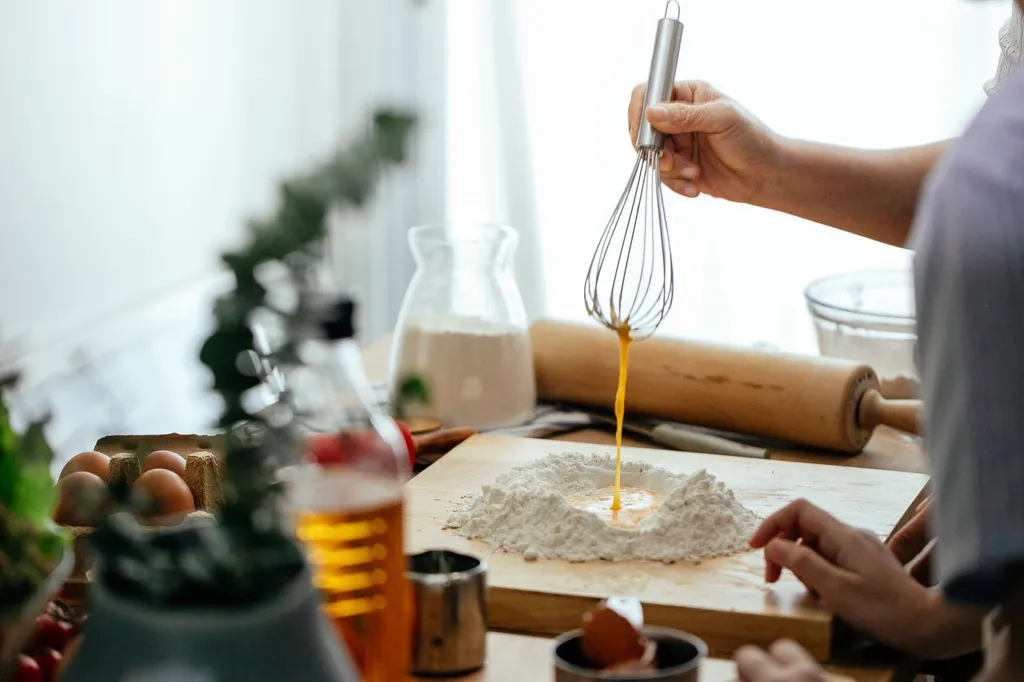
How I prepare it (crucial details):
For protein:
- I use boneless, skinless chicken breasts or lean ground turkey
- Boil thoroughly until completely cooked through (no pink!)
- For chicken: shred into small, bite-sized pieces
- For ground meat: drain ALL excess fat (this is critical—fat can trigger pancreatitis)
- Let it cool to room temperature
- Never add: oils, butter, salt, seasonings, garlic, onion, or spices
For carbohydrates:
- Cook plain white rice according to package directions (I slightly overcook it so it’s mushier)
- For potatoes: peel, boil until soft, mash without any butter or milk
- For pasta: plain boiled noodles, well-drained
The ratio: I typically use a 1:1 ratio—one cup of protein to one cup of carbs. For dogs with diarrhea, I sometimes do 2:1 (more rice) since the extra starch helps firm things up.
Adding pumpkin: I mix in 1-2 tablespoons of plain canned pumpkin per cup of the bland diet mixture. According to PetMD, pumpkin’s fiber content is amazing for both diarrhea and constipation.
Step 3: Feeding Schedule and Portions
This is where I see many dog parents make mistakes—they prepare the bland diet correctly but feed too much at once.
My feeding approach:
- Small, frequent meals: 4-6 times per day instead of 2 large meals
- Start conservatively and increase gradually
Portion sizes I use per meal:
| Dog Size | Weight Range | Portion Per Meal | My Dogs’ Examples |
|---|---|---|---|
| Small | Under 15 lbs | 1/2 to 3/4 cup | (None in my pack, but friends with small dogs) |
| Medium | 15-50 lbs | 1 to 2 cups | Max (Beagle mix, 30 lbs): 1-1.5 cups |
| Large | 51-80 lbs | 2 to 3 cups | Bailey (Golden, 65 lbs): 2-2.5 cups |
| Extra Large | 80+ lbs | 3 to 5 cups | (My neighbor’s Great Dane) |
I start on the lower end and observe how they respond. If Bailey keeps everything down and seems hungry, I increase slightly at the next feeding.
Step 4: Hydration Monitoring
Dehydration is my biggest concern during stomach upset. I check my dogs’ hydration status by:
- Gently lifting the skin between their shoulder blades—it should snap back immediately
- Checking their gums—they should be moist and pink, not dry or tacky
- Monitoring energy levels and urination frequency
If they won’t drink plain water, I sometimes offer:
- Ice cubes to lick (Luna loves these)
- Diluted low-sodium bone broth
- Pedialyte for dogs (unflavored, in small amounts—I always ask my vet first about this)
Step 5: Gradual Transition Back to Regular Food
Here’s where patience is absolutely essential. When Bailey’s stomach upset resolved, I made the rookie mistake of immediately going back to her regular kibble—and we were back to square one.
My current transition protocol (learned through experience):
Day 1-2: 100% bland diet (assuming symptoms have resolved)
Day 3: 75% bland diet + 25% regular food
Day 4: 50% bland diet + 50% regular food
Day 5: 25% bland diet + 75% regular food
Day 6: 100% regular food
According to the AKC, this gradual transition prevents re-irritating the digestive system. I monitor their stools throughout—they should be firm and well-formed before I complete the transition.
Natural Remedies for Dog Diarrhea and Digestive Support
Beyond the basic bland diet, I’ve incorporated additional natural remedies that have been game-changers for my pack.
Probiotics: My Secret Weapon
After Luna’s third bout of stress-induced diarrhea (she’s sensitive to changes), my vet recommended a veterinary-grade probiotic. The difference was remarkable. PetMD notes that probiotics support gut health by introducing beneficial bacteria.
What I use:
- Veterinary-specific probiotic powders (sprinkled on food)
- Plain, unsweetened, low-fat yogurt (small amounts—Max gets about 1 tablespoon)
- Probiotic treats formulated for dogs
Important note: I never use human probiotic supplements without vet approval—the bacterial strains and dosages differ.
Bone Broth: Comfort in a Bowl
When Bailey won’t eat solid food, bone broth has saved the day multiple times. It’s gentle, hydrating, and encourages eating when appetite is low.
My homemade bone broth recipe:
- Simmer beef or chicken bones (no onions, garlic, or seasonings!) for 12-24 hours
- Strain thoroughly and remove all fat that solidifies on top
- Freeze in ice cube trays for easy portioning
- Warm slightly before serving
I offer it plain or pour a little over the bland diet to make it more enticing.
Pumpkin: The Fiber Miracle
I cannot overstate how effective plain canned pumpkin has been. According to veterinary sources, its soluble fiber absorbs excess water in the digestive tract (helping with diarrhea) while adding bulk (helping with constipation).
My pumpkin protocol:
- Small dogs: 1-2 teaspoons per meal
- Medium dogs (like Max): 1-2 tablespoons per meal
- Large dogs (like Bailey): 2-4 tablespoons per meal
Critical warning: Only use plain, pure pumpkin puree—NEVER pumpkin pie filling, which contains sugar and spices that can worsen upset stomach.
Causes of Dog Stomach Issues: What I’ve Learned to Avoid
Understanding why my dogs get upset stomachs has been crucial in prevention. Here are the most common culprits I’ve identified:
Dietary Indiscretion (Max’s Specialty)
Max will eat literally anything: discarded pizza crust, mysterious items on walks, the cat’s food, Luna’s food, garbage… you name it. This “dietary indiscretion” is the #1 cause of stomach upset in my household.
My prevention strategies:
- Secured trash cans with locking lids
- Training “leave it” commands diligently
- Supervision during walks
- Feeding dogs separately to prevent food stealing
Abrupt Food Changes
I learned this lesson when I switched Bailey’s food brand overnight because it was on sale. She had diarrhea for three days. The AKC recommends transitioning foods gradually over 7-10 days to avoid gastrointestinal upset.
Stress and Anxiety
Luna’s sensitive stomach flares up during thunderstorms, when we travel, or when our routine changes. Stress-induced stomach issues are real—I’ve learned to anticipate them and sometimes start probiotics preventatively during stressful periods.
Food Sensitivities
Max developed a sensitivity to chicken (ironically, my go-to bland diet protein). We discovered this after repeated episodes and switched to turkey or white fish for his bland diet.
Parasites and Infections
Regular deworming and fecal exams have caught several parasite issues before they became serious stomach problems. My vet recommends fecal tests at least annually, more frequently for puppies.
Toxin Exposure
Beyond food toxins, I’ve had scares with:
- Xylitol (artificial sweetener—extremely dangerous)
- Household cleaning products
- Garden chemicals
- Certain plants (lilies, azaleas, sago palms)
I keep the ASPCA Poison Control number (888-426-4435) saved in my phone.
What NOT to Do: Critical Mistakes I’ve Made (So You Don’t Have To)
Never Give Human Medications Without Vet Approval
I once considered giving Bailey Pepto-Bismol because my neighbor suggested it. Thank goodness I called my vet first—she explained that medications like Pepto-Bismol, Imodium, and antacids can be dangerous without proper dosing and can mask serious underlying conditions.
The risk: These medications might temporarily improve symptoms while a serious issue (parasites, infection, obstruction) worsens untreated.
Don’t Add Oils, Butter, or Seasonings
In my early days of making bland diets, I added a tiny bit of olive oil thinking it would make the food more appealing. Wrong move. According to PetMD, added fats can irritate the stomach further and potentially trigger pancreatitis, especially in breeds prone to it.
Avoid Roasting or Frying Meats
Always boil proteins for bland diets. Roasting or frying adds fat that defeats the entire purpose of a bland, easily digestible meal.
Never Feed Chicken Skin or Bones
Cooked bones can splinter and cause serious internal damage. Chicken skin is pure fat—exactly what an upset stomach doesn’t need.
Don’t Continue Bland Diet Long-Term
Homemade bland diets aren’t nutritionally complete. I use them for 2-5 days maximum. For chronic gastrointestinal issues, my vet prescribed commercial prescription diets that are both gentle and nutritionally balanced.
Signs Your Dog Is Recovering (What I Look For)
Knowing when my dogs are improving helps me decide whether to continue home care or seek veterinary attention.
Positive signs I watch for:
- Reduced or stopped vomiting (no episodes for 12+ hours)
- Firmer, more formed stools
- Increased energy and alertness
- Returning appetite
- Willingness to drink water normally
- Comfortable, relaxed posture (no hunching)
- Normal gum color (pink and moist)
- Playfulness returning
Red flags that mean continued concern:
- Vomiting/diarrhea persisting beyond 24-48 hours
- Worsening lethargy
- Refusal to drink water
- Weight loss
- Continued pain signs (whimpering, restlessness, guarding abdomen)
Special Considerations for Different Life Stages
Puppies
Puppies dehydrate incredibly quickly—when Bailey had her first litter, I learned that even minor stomach upset in puppies requires closer monitoring than in adult dogs.
My puppy-specific approach:
- Shorter or no fasting period (4-6 hours maximum, often with vet guidance)
- Smaller, more frequent meals (every 2-3 hours)
- Veterinary consultation earlier in the process
- Close hydration monitoring
Senior Dogs
My senior patients (Bailey is now 9) need gentler handling. Their immune systems aren’t as robust, and they may have underlying conditions that complicate stomach issues.
Adjustments I make:
- Earlier veterinary consultation
- More gradual food transitions
- Consideration of arthritis when they’re uncomfortable
- Monitoring for medication side effects (some of Bailey’s arthritis medications can cause stomach upset)
Small Breeds
My friend’s Chihuahua requires different portioning and faster veterinary intervention than my larger dogs due to his tiny body mass and limited reserves.
Creating a Dog Upset Stomach Emergency Kit
After enough 2 a.m. panic moments, I assembled an emergency kit that lives in my kitchen. Here’s what’s in it:
My kit contents:
- Plain canned pumpkin (multiple cans)
- White rice (always stocked)
- Frozen boiled chicken (pre-cooked in portions)
- Low-sodium chicken broth
- Probiotic powder
- Veterinary-grade electrolyte solution
- Plastic syringes (for administering small amounts of water)
- My vet’s emergency contact information
- ASPCA Poison Control number
- Medical records for each dog
- List of current medications and allergies
Frequently Asked Questions (From My Experience and Fellow Dog Parents)
Can I give my dog Pedialyte for upset stomach?
I’ve used unflavored Pedialyte in small amounts for my dogs, but only after consulting my vet about appropriate dosing. The general guidance I received was 1-2 teaspoons per 10 pounds of body weight, offered in small amounts throughout the day. However, this should never replace veterinary care for severe dehydration—it’s a supplemental measure for mild cases only. Always use unflavored Pedialyte, as artificial sweeteners like xylitol in flavored versions are extremely toxic to dogs.
How long should I keep my dog on a bland diet?
Based on my experience and veterinary guidance, I typically keep my dogs on a bland diet for 2-3 days after symptoms resolve, then gradually transition back to regular food over 3-5 days. If stomach issues persist beyond 2-3 days total, I contact my vet rather than continuing the bland diet, as it’s not nutritionally complete for long-term feeding. For chronic digestive issues, my vet has recommended prescription gastrointestinal diets instead.
What are the best foods to soothe a dog’s upset stomach naturally?
From my research and personal experience, the most effective natural remedies are: boiled boneless, skinless chicken or turkey with plain white rice (1:1 or 2:1 ratio), plain canned pumpkin (1-4 tablespoons depending on size), low-sodium bone broth, and plain low-fat yogurt with live cultures (small amounts for probiotics). According to the AKC, these foods are gentle, easily digestible, and provide essential nutrients without irritating the stomach. I avoid anything with added oils, seasonings, or high fat content.
When should I take my dog to the vet for vomiting?
This is the question I ask myself most frequently. Based on guidance from PetMD and my own veterinary experiences, I seek immediate care if: vomiting is accompanied by blood (or vomit looks like coffee grounds), there’s repeated non-productive retching (could be bloat), my dog can’t keep water down, there’s a swollen or painful abdomen, lethargy is severe, or I suspect toxin ingestion. For mild vomiting without these emergency signs, I monitor for 24 hours with home care, but if it persists beyond that or worsens, I call my vet. Puppies, seniors, and small breeds need veterinary attention sooner.
Can stress cause upset stomach in dogs?
Absolutely—Luna is living proof of this. According to veterinary sources, stress and anxiety can trigger gastrointestinal symptoms including vomiting, diarrhea, loss of appetite, and stomach pain. I’ve noticed Luna’s stomach issues correlate with: boarding, thunderstorms, changes in routine, traveling, moving homes, and even changes in our household dynamic. Managing her stress with consistent routines, calming supplements (vet-approved), and sometimes preventative probiotics has significantly reduced her stress-related stomach episodes.
Is white rice or brown rice better for dog upset stomach?
I always use white rice for upset stomachs, never brown. Here’s why: white rice is more easily digestible and acts as a binding agent for loose stools. Brown rice, while more nutritious for regular feeding, contains more fiber and is harder to digest—exactly what you don’t want during digestive upset. My vet explained that the goal during stomach issues is easy digestion and minimal work for the GI tract, which white rice provides. I slightly overcook it to make it even mushier and easier to digest.
My Final Thoughts: Trust Your Instincts, But Verify with Your Vet
After years of managing stomach upsets in my three-dog household, I’ve become much more confident in my ability to recognize what can be handled at home versus what requires professional care. That said, I never hesitate to pick up the phone and call my vet—even if it’s just for reassurance.
The bland diet protocol I’ve outlined here has been a lifesaver for minor stomach issues, but it’s just one tool in the toolkit. Prevention through proper diet management, parasite control, stress reduction, and avoiding dietary indiscretion has probably been even more important than my treatment protocols.
Remember: you know your dog better than anyone. If something feels off, if your gut is telling you this isn’t a simple upset stomach, trust that instinct. Bailey, Max, and Luna are counting on us to be their advocates and protectors, and sometimes that means making the 2 a.m. emergency vet run instead of waiting until morning.
The relationship I’ve built with my veterinarian—including asking “dumb” questions, calling for advice, and bringing my dogs in when I’m unsure—has been invaluable. Your vet wants to be your partner in your dog’s health, and there’s no such thing as being too cautious when it comes to our furry family members.
Stay prepared, stay informed, and most importantly, stay connected with your veterinary team. Our dogs depend on us to make the right calls, and with the right knowledge and professional support, we can keep them healthy, comfortable, and thriving through the occasional stomach upset.