How to Stop Your Dog From Eating Poop Fast
Yes, you can stop your dog from eating poop by addressing underlying nutritional deficiencies, implementing behavior modification techniques, and maintaining a clean environment. Most cases of coprophagia (poop-eating) can be resolved through a combination of dietary improvements, consistent training, and environmental management strategies.
⚠️ Veterinary Disclaimer
This article provides general educational information about canine coprophagia and behavior modification techniques. While the strategies discussed are based on established dog training principles and veterinary guidance, every dog is unique. If your dog suddenly develops coprophagia or shows other concerning symptoms (vomiting, diarrhea, weight loss, or behavior changes), consult your veterinarian immediately to rule out underlying medical conditions such as parasites, malabsorption disorders, or pancreatic insufficiency.
Why Do Dogs Eat Their Own Poop? Understanding Coprophagia
Before we dive into solutions, let’s understand why this behavior happens. According to the American Kennel Club (AKC), coprophagia is surprisingly common—studies suggest up to 16% of dogs are classified as “serious” stool eaters. The behavior can stem from multiple causes:
Medical Reasons for Poop-Eating
| Medical Cause | Why It Triggers Coprophagia |
|---|---|
| Enzyme Deficiency | Poor digestion means nutrients remain in stool, making it smell “food-like” to dogs |
| Parasites | Intestinal worms can cause nutrient malabsorption and increased hunger |
| Malabsorption Disorders | Conditions like EPI (Exocrine Pancreatic Insufficiency) prevent proper nutrient absorption |
| Diabetes or Thyroid Issues | Metabolic disorders can increase appetite dramatically |
| Medications | Steroids like prednisone can increase hunger and scavenging behavior |
Behavioral and Environmental Triggers
Attention-seeking behavior: If your dog learned that eating poop gets an immediate reaction from you (even negative attention), they may repeat it.
Boredom and under-stimulation: Dogs left alone for long periods without mental enrichment may develop coprophagia as a self-soothing activity.
Puppyhood exploration: Young puppies explore the world with their mouths. According to PetMD, this is often a temporary developmental phase, especially in puppies under 6 months old.
Learned from mother: Mother dogs naturally clean their puppies by consuming their waste during the first few weeks of life. Some puppies mimic this behavior.
Anxiety and stress: Dogs experiencing separation anxiety, punishment-based training, or environmental stressors may eat feces as a coping mechanism.
Dietary deficiencies: Low-quality food lacking essential nutrients, enzymes, or digestive support can trigger scavenging behaviors.
How to Stop a Dog from Eating Poop? The Complete Action Plan
You can do this! Stopping coprophagia requires patience, consistency, and a multi-layered approach. Here’s your step-by-step game plan:
Step 1: Rule Out Medical Issues First
Action: Schedule a veterinary exam before starting behavior modification.
Your vet should:
- Perform a fecal test to check for parasites
- Assess your dog’s diet and digestive health
- Run bloodwork if malabsorption is suspected
- Review all current medications
Why this matters: If the root cause is medical, no amount of training will fully resolve the behavior. Treat the underlying condition first!
Step 2: Optimize Your Dog’s Diet
Nutrition is foundational! Many cases of dog coprophagia improve dramatically with diet changes.
High-Quality Food Selection
Switch to a premium dog food with:
- High digestibility rating (85% or higher)
- Named meat protein as the first ingredient (chicken, beef, salmon—not “meat by-products”)
- Digestive enzymes (look for added protease, amylase, lipase)
- Probiotics for gut health (Lactobacillus, Bifidobacterium strains)
Best Coprophagia Supplements for Dogs
| Supplement Type | How It Helps | Example Products |
|---|---|---|
| Digestive Enzymes | Improves nutrient absorption, making stool less “appealing” | NaturVet Coprophagia Stool Eating Deterrent |
| Probiotics | Balances gut bacteria, improves digestion | Purina FortiFlora |
| Vitamin B Complex | Addresses potential B-vitamin deficiency linked to coprophagia | Pet Naturals VitaPet |
| Meat Tenderizer | Contains papain enzyme that makes stool taste unpleasant when passed | Adolph’s Meat Tenderizer (unseasoned) |
| Pineapple/Pumpkin | Natural enzymes that alter stool taste | Fresh pineapple chunks or pure pumpkin |
Feeding Schedule: Feed 2-3 smaller meals daily rather than one large meal. This keeps digestion steady and reduces scavenging behavior driven by hunger.
Step 3: Immediate Environmental Management
Clean up immediately! This is your most powerful tool.
The “2-Minute Rule”: Pick up all feces within 2 minutes of your dog eliminating. No opportunity = no behavior reinforcement.
Outdoor strategy:
- Supervise ALL bathroom breaks
- Keep your dog on a leash during potty time initially
- Scan your yard daily and remove any waste
Indoor strategy (for puppies or dogs in training):
- Use puppy pads in a designated area
- Remove soiled pads immediately
- Consider a dog litter box system for small breeds
Step 4: Master the “Leave It” Command
This is your secret weapon! A solid “Leave It” command can interrupt the behavior before it happens.
Training Protocol (10-Minute Daily Sessions)
Week 1: Foundation
- Hold a low-value treat in your closed fist
- Let your dog sniff and lick your hand
- The moment they pull away, say “YES!” and reward with a high-value treat from your other hand
- Repeat 10-15 times per session
Week 2: Add the Verbal Cue
- Place a treat on the floor, covering it with your hand
- Say “Leave it” in a calm, firm voice
- Wait for your dog to look away from the treat
- Mark with “YES!” and reward from your hand (not the floor treat)
- Practice until your dog can resist for 5+ seconds
Week 3: Real-World Application
- Practice “Leave it” on walks with leaves, sticks, and other temptations
- Gradually introduce training near (clean) feces from another dog
- Heavily reward compliance with high-value treats (chicken, cheese, hot dogs)
Pro tip: The reward for “Leave it” should ALWAYS be better than what they’re leaving. Make it worth their while!
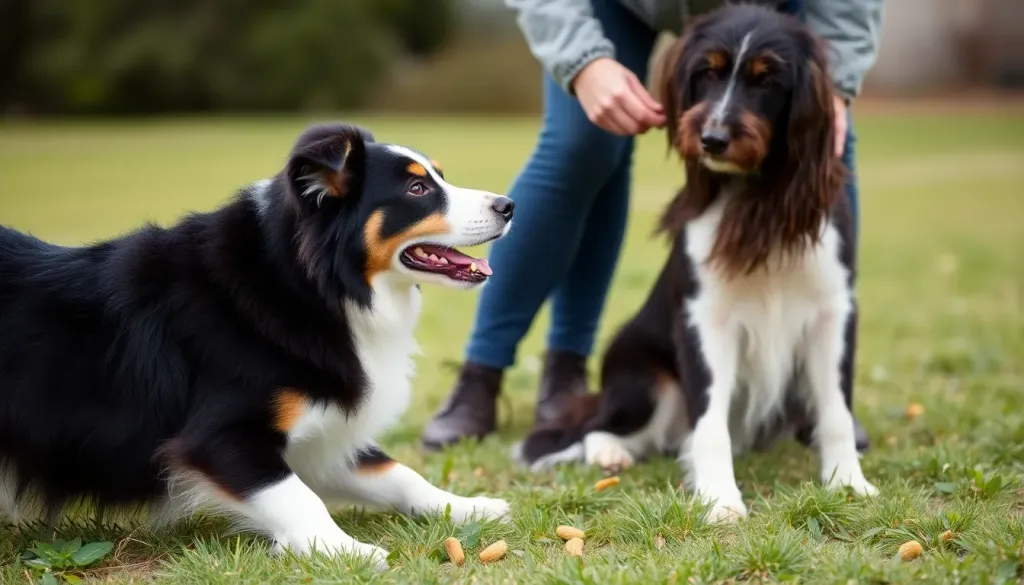
Step 5: Positive Reinforcement After Elimination
Redirect the behavior chain. Create a new, positive association with bathroom time.
The “Potty Party” Method:
- Observe closely: Watch for signs your dog needs to eliminate (sniffing, circling, squatting)
- Escort immediately: Take them to the designated potty area on leash
- Use a potty cue: Say “Go potty” or “Do your business” consistently
- The moment they finish: Throw a mini celebration! High-value treats, enthusiastic praise, brief play session
- Immediate cleanup: While they’re distracted by treats/play, quickly remove the waste
Patience is key! This teaches your dog that eliminating gets them amazing things—but only when they move AWAY from the waste, not toward it.
Step 6: Increase Physical and Mental Stimulation
A tired dog is a well-behaved dog. Boredom is a major contributor to coprophagia.
Daily Exercise Goals:
- Small breeds: 30-60 minutes (split into 2-3 walks)
- Medium breeds: 60-90 minutes
- Large/high-energy breeds: 90-120+ minutes
Mental Enrichment Activities:
- Puzzle feeders: Make meals last 20-30 minutes instead of 2 minutes
- Snuffle mats: Hide treats in fabric for natural foraging behavior
- Training sessions: 10-15 minutes of trick training daily
- Frozen Kong toys: Stuff with peanut butter, yogurt, or wet food and freeze
- Scent work games: Hide treats around the house for your dog to find
Step 7: Taste-Aversion Products
If behavioral methods alone aren’t working, taste-aversion additives can help.
How They Work: You add a supplement to your dog’s food that makes their stool taste bitter or unpleasant when passed.
Effective Products:
- For-Bid (most popular, contains MSG and other taste deterrents)
- Deter (contains capsicum and yucca)
- CoproBan (all-natural formula)
Important note: These work best when combined with training, not as a standalone solution. Results typically appear within 2-3 days but require consistent use for 4-6 weeks.
How to Stop Puppy from Eating Poop: Special Considerations
Puppies under 6 months deserve special mention because coprophagia is extremely common during this developmental stage.
Why Puppies Eat Poop More Often
Developmental exploration: Everything goes in the mouth—sticks, rocks, grass, and yes, poop. This is normal curiosity, not a behavioral disorder.
Enzyme immaturity: Puppy digestive systems are still developing. They may not absorb all nutrients efficiently, making stool smell appealing.
Mimicking mom: If puppies witnessed their mother cleaning them, they may imitate this behavior.
Puppy-Specific Training Approach
1. Never punish: Yelling or physical punishment will create anxiety and may worsen the behavior. If you catch them in the act, calmly interrupt with “Uh-uh” and redirect.
2. Hyper-vigilant supervision: Puppies need constant monitoring during potty breaks. Use a leash even in your own yard.
3. Immediate redirection: The second they eliminate, redirect with toys, treats, or brief play. Create a powerful positive association.
4. Frequent feeding: Puppies eat 3-4 times daily. More frequent meals = better digestion = less appealing stool.
5. Enzymatic support: Talk to your vet about puppy-safe digestive enzyme supplements.
The good news? According to the AKC, most puppies outgrow coprophagia by 9-12 months with consistent management and training.
Diet Changes to Stop Dog Eating Poop: Advanced Nutritional Strategies
Let’s go deeper into the nutritional science.
The Enzyme Connection
Research suggests that some dogs eating poop may have pancreatic enzyme insufficiency or simply poor digestive enzyme production. When food isn’t fully broken down:
- Undigested proteins and fats remain in stool
- The stool retains a “food-like” smell
- Your dog’s instinct is to “finish the job”
Solution: Add digestive enzymes to every meal for 6-8 weeks.
Dosage example: Follow product instructions, but typical dosing is 1 teaspoon per cup of food for enzyme powder supplements.
The Probiotic Protocol
Gut health affects behavior more than most people realize. An imbalanced microbiome can:
- Reduce nutrient absorption
- Increase food-seeking behaviors
- Affect stress response and anxiety levels
Action plan:
- Choose a canine-specific probiotic with at least 1 billion CFUs (Colony Forming Units)
- Administer daily for a minimum of 30 days
- Look for strains like Lactobacillus acidophilus, Bifidobacterium animalis, and Enterococcus faecium
The B-Vitamin Factor
Some veterinary behaviorists link coprophagia to thiamine (B1) deficiency. B-vitamins are crucial for:
- Neurological function and stress response
- Proper metabolism of proteins and fats
- Energy production
Natural B-vitamin sources to add to meals:
- Nutritional yeast (1/2 teaspoon per 20 lbs body weight)
- Liver treats (high in B12, fed 2-3 times weekly)
- Eggs (cooked, 1-2 per week for medium dogs)
- Leafy greens (kale, spinach—lightly steamed, small amounts)
The Meat Tenderizer Hack
This old-school remedy actually works for many dogs!
How to use:
- Get unseasoned meat tenderizer (contains papain from papaya)
- Sprinkle a small amount (1/4 teaspoon per cup of food) over meals
- Continue for 2-3 weeks minimum
Why it works: Papain enzyme alters the taste and smell of stool, making it extremely unappealing. It’s safe, inexpensive, and surprisingly effective.
Warning: Don’t use seasoned tenderizers—they contain onion and garlic powder, which are toxic to dogs!
Dog Coprophagia Treatment: When to Seek Professional Help
Sometimes you need backup—and that’s perfectly okay!
Red Flags Requiring Veterinary Intervention
Seek immediate vet care if:
- Coprophagia appears suddenly in an adult dog
- Your dog shows weight loss despite normal eating
- Diarrhea, vomiting, or lethargy accompany the behavior
- Your dog is eating other animals’ feces and shows symptoms of illness
- The behavior intensifies despite consistent training
When to Hire a Professional Dog Trainer or Behaviorist
Consider professional help if:
- You’ve implemented all strategies for 6+ weeks with no improvement
- Your dog shows other concerning behaviors (aggression, severe anxiety)
- You’re struggling with consistency in training
- Your dog has a complex behavioral history (rescue with unknown past, previous trauma)
Look for credentials:
- CPDT-KA (Certified Professional Dog Trainer - Knowledge Assessed)
- CBCC-KA (Certified Behavior Consultant Canine - Knowledge Assessed)
- Veterinary Behaviorist (DVM with specialized behavior certification) for complex cases
Creating a Comprehensive Coprophagia Prevention Plan
Let’s put it all together into your personalized action plan!
Your 30-Day Transformation Timeline
Days 1-7: Assessment and Preparation
- ✅ Schedule vet appointment for health screening
- ✅ Evaluate current diet and purchase high-quality food/supplements
- ✅ Commit to immediate cleanup protocols
- ✅ Begin “Leave It” foundation training
- ✅ Establish exercise and enrichment routine
Days 8-14: Active Training Phase
- ✅ Continue “Leave It” training, adding difficulty
- ✅ Implement “Potty Party” reward system consistently
- ✅ Start taste-aversion product if needed
- ✅ Increase mental stimulation activities
- ✅ Keep detailed behavior journal (track incidents, times, triggers)
Days 15-21: Pattern Interruption
- ✅ Practice “Leave It” near real-world distractions
- ✅ Add digestive enzymes to every meal
- ✅ Introduce probiotic supplementation
- ✅ Review and adjust exercise routine if needed
- ✅ Evaluate progress and troubleshoot challenges
Days 22-30: Solidify New Habits
- ✅ Continue all protocols with decreasing supervision
- ✅ Begin phasing out taste-aversion products (if used)
- ✅ Maintain high-value rewards but reduce frequency gradually
- ✅ Schedule follow-up vet visit if concerns remain
- ✅ Celebrate progress—you’ve got this!
Environmental Management Checklist
Your Yard:
- □ Pick up waste immediately (the 2-minute rule!)
- □ Walk your dog on leash during potty breaks for supervision
- □ Consider motion-activated sprinklers to deter outdoor eating
- □ Remove access to areas where other animals defecate
Your Home:
- □ Clean litter boxes immediately if you have cats (or use covered boxes dogs can’t access)
- □ Use baby gates to restrict access to areas where accidents might occur
- □ Keep puppies in supervised areas or crates when unsupervised
On Walks:
- □ Stay vigilant and use “Leave It” proactively
- □ Cross the street or change direction to avoid waste piles
- □ Keep high-value treats readily accessible for training moments
- □ Consider using a basket muzzle temporarily for safety (allows panting/drinking but prevents eating)
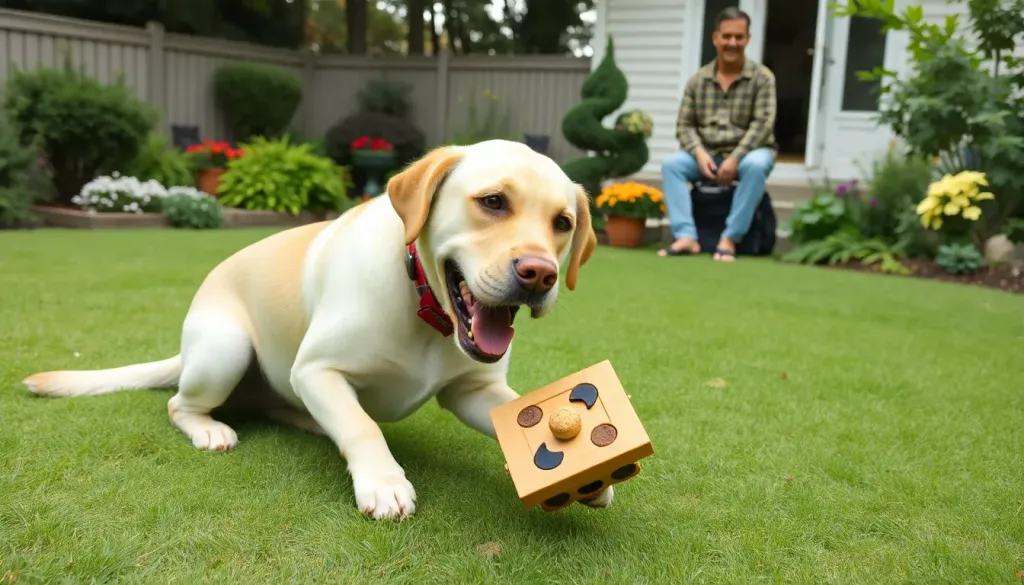
Understanding Classical Conditioning and Positive Reinforcement
Let’s talk dog psychology! Understanding how your dog learns will make you a more effective trainer.
Classical Conditioning in Action
What it is: Creating automatic associations between stimuli and responses (think Pavlov’s dogs drooling at the bell).
How it applies to coprophagia:
If your dog has learned: Bathroom time → Owner disappears → Poop is interesting
We want to create: Bathroom time → Owner is present → Amazing rewards happen → Poop is irrelevant
Practical application:
- Be present for every bathroom break during training
- Immediately reward the act of eliminating (not 30 seconds later)
- Consistent cues: Use the same potty command every single time
- Repetition: 50-100 repetitions create strong neural pathways
Positive Reinforcement Principles
The golden rule: Behaviors that are rewarded increase in frequency.
Why punishment doesn’t work for coprophagia:
- Creates anxiety around bathroom behaviors
- May cause your dog to eat poop faster when you’re not looking
- Damages your training relationship
- Doesn’t address the underlying cause
Effective positive reinforcement strategy:
DO:
- Reward heavily when your dog ignores feces
- Celebrate bathroom breaks with enthusiasm
- Use variable reward schedules once behavior improves (intermittent rewards create stronger habits)
- Stay patient and consistent
DON’T:
- Yell, hit, or punish after the fact (your dog won’t connect punishment to an action 30 seconds ago)
- Rub your dog’s nose in feces (this is abusive and ineffective)
- Chase your dog when they have feces in their mouth (creates a fun “keep away” game)
- Give up after a few days (behavior change takes weeks, not days)
You can do this! Every successful repetition builds new neural pathways in your dog’s brain.
Managing Separation Anxiety and Stress-Related Coprophagia
If your dog primarily eats poop when left alone, anxiety may be the root cause.
Signs Your Dog Has Separation Anxiety
- Destructive behavior only when alone
- Excessive barking, howling, or whining upon departure
- House soiling despite being housetrained
- Pacing, panting, or drooling before you leave
- Coprophagia that occurs only during your absence
Addressing Anxiety-Driven Coprophagia
Gradual Desensitization Protocol:
Week 1: Practice departure cues without actually leaving
- Put on shoes, pick up keys, then sit back down
- Open and close the door without leaving
- Reward calm behavior throughout
Week 2: Very brief absences (30 seconds to 2 minutes)
- Leave the room, return immediately
- No dramatic greetings upon return (stay calm and neutral)
- Gradually increase duration
Week 3: Longer absences with enrichment
- Provide frozen Kong toys or puzzle feeders
- Leave calming music or TV on
- Use calming supplements (L-theanine, chamomile) if vet-approved
Week 4+: Build independence
- Practice random departure times
- Don’t make leaving/arriving a big deal
- Consider crate training if your dog finds it comforting
Professional help: For severe separation anxiety, consult a veterinary behaviorist. Medication combined with behavior modification may be necessary.
Addressing Multi-Dog Household Challenges
Do you have multiple dogs and one is teaching the others bad habits? Patience is key!
Preventing Behavior Spread
Separate during potty time: Take dogs out individually during the training phase. This prevents:
- Competitive eating behaviors
- One dog learning from another’s coprophagia
- Distraction that prevents proper training
Individual feeding: Feed dogs in separate areas to:
- Ensure each dog gets proper supplements
- Reduce resource-related anxiety
- Monitor individual digestion and stool quality
Targeted training: Work with the coprophagic dog intensively using all the strategies outlined, while maintaining the other dogs’ good habits through continued reinforcement.
FAQ: Your Top Questions Answered
Q1: Is it dangerous for my dog to eat poop?
Yes, it can be. While eating their own feces is generally not immediately life-threatening, it poses several health risks:
Health hazards:
- Parasites: Roundworms, hookworms, giardia, and coccidia can be transmitted through feces
- Bacterial infections: E. coli, Salmonella, and Campylobacter can cause severe gastrointestinal illness
- Viral transmission: Parvovirus can survive in feces for months and is deadly to unvaccinated dogs
- Intestinal blockages: If your dog consumes cat litter along with cat feces, it can cause dangerous blockages
- Toxin exposure: If the feces came from an animal taking medication or exposed to toxins, your dog ingests those substances
Eating other animals’ feces is riskier than eating their own. According to PetMD, cat feces is particularly appealing to dogs due to high protein content in cat food, but also carries higher health risks.
Prevention: Keep your dog’s vaccinations current, maintain regular deworming schedules, and implement the environmental management strategies discussed above.
Q2: How long does it take to stop a dog from eating poop?
Realistic timeline: 4-12 weeks for significant improvement, but every dog is different.
Factors affecting timeline:
Faster results (4-6 weeks):
- Puppies under 12 months (developmental behavior)
- Recently developed behavior (less than 3 months)
- Clear medical cause that’s treatable
- Highly food-motivated dogs (respond well to treat training)
- Consistent household management
Longer timeline (8-12 weeks or more):
- Adult dogs with long-standing habits (years of behavior)
- Complex anxiety or behavioral issues
- Inconsistent training application
- Multi-dog households with behavior modeling
- Medical causes requiring extended treatment
The key to success: Consistency, patience, and addressing all contributing factors simultaneously (diet, training, environment, and potential medical issues).
You can do this! Even if progress is slow, every successful interruption is building new habits. Don’t get discouraged—behavior change is a marathon, not a sprint.
Q3: Why does my dog only eat cat poop and not dog poop?
Great question! This is actually extremely common, and there’s a scientific reason.
Why cat poop is so appealing:
1. Protein content: Cat food contains 30-40% protein compared to dog food’s 18-25%. This high protein content remains partially undigested in cat feces, making it smell like “concentrated cat food” to your dog.
2. Fat content: Cats are obligate carnivores requiring high fat diets. These fats create a rich, appealing smell that dogs find irresistible.
3. Litter box accessibility: Litter boxes are like “buffet stations”—easily accessible, contained in one location, and protected from weather.
4. Texture difference: Cats bury their waste in litter, which may create an interesting texture combination that appeals to dogs.
Solutions for cat-poop-specific coprophagia:
Immediate environmental changes:
- Top-entry litter boxes: Dogs can’t access them, but cats can jump in from above
- Baby gates with cat doors: Create a cat-only bathroom zone
- Litter box furniture: Covered boxes that look like furniture with small cat-sized entrances
- Elevate litter boxes: Place on platforms or furniture cats can jump to but dogs cannot reach
Training approach: Use the “Leave It” command specifically around the litter box area, heavily rewarding your dog for staying away.
Deterrent sprays: Apply pet-safe bitter spray around (not in) the litter box to create an aversive association.
Final Thoughts: You’ve Got This!
Stopping your dog from eating poop requires dedication, but you absolutely can succeed! Remember these key principles:
✅ Address medical causes first – Rule out health issues with your vet
✅ Optimize nutrition – High-quality food, enzymes, and probiotics make a huge difference
✅ Master “Leave It” – This is your most powerful training tool
✅ Clean immediately – No opportunity means no behavior reinforcement
✅ Stay consistent – Every family member must follow the same protocols
✅ Be patient – Behavior change takes time; celebrate small victories
✅ Use positive reinforcement – Punishment doesn’t work; rewards do
Patience is key! Some days will be frustrating. You might feel like you’re taking two steps forward and one step back. That’s completely normal and part of the process. Every time you successfully interrupt the behavior or your dog chooses to ignore feces, you’re building new neural pathways and creating better habits.
You can do this! Thousands of dog owners have successfully resolved coprophagia using these exact techniques. With commitment, consistency, and the comprehensive strategies outlined in this guide, your dog will learn that there are far better things in life than eating poop—like your enthusiastic praise, delicious treats, and the joy of being your well-trained companion.
Action step for today: Choose just ONE strategy from this guide to implement immediately. Maybe it’s scheduling that vet appointment, ordering digestive enzymes, or committing to the 2-minute cleanup rule. Small actions create big changes over time.
Now get out there and start your training journey—your poop-free future awaits! 🎉
Sources:
- American Kennel Club (AKC): https://www.akc.org/dog-care/
- PetMD: https://www.petmd.com/