Less Stressful Vet Visits for Dogs: Top Tips
Reducing Stress During Veterinary Visits: A Comprehensive Editorial Guide
Yes, it is entirely possible to significantly reduce stress for dogs during veterinary visits through strategic preparation, positive reinforcement training, and collaboration with veterinary teams trained in low-stress handling techniques. By implementing proactive measures both at home and within the clinical setting, pet owners can transform veterinary appointments from anxiety-inducing ordeals into manageable, even positive, experiences that promote better health outcomes and strengthen the human-animal bond.
Veterinary Disclaimer
Important Medical Notice: This article provides general educational information about reducing stress during veterinary visits and does not constitute professional veterinary advice. Always consult with a licensed veterinarian regarding your dog’s specific behavioral needs, anxiety management strategies, and any medications or supplements. Dogs with severe anxiety, aggression, or trauma-related responses require individualized assessment and treatment plans developed by qualified veterinary behaviorists or veterinarians trained in behavioral medicine.
Understanding the Impact of Veterinary Visit Stress on Canine Health
Stress during veterinary appointments represents far more than temporary discomfort for dogs. According to veterinary behavioral research, the physiological and psychological consequences of repeated stressful veterinary experiences can create cascading effects that compromise both immediate care quality and long-term health outcomes.
The Physiological Consequences of Fear and Anxiety
When dogs experience fear or anxiety in veterinary settings, their bodies activate the sympathetic nervous system’s fight-or-flight response. This biological reaction triggers measurable changes including:
- Elevated heart rate and blood pressure that can obscure accurate diagnostic readings
- Increased blood glucose levels that may lead to misdiagnosis of diabetes or other metabolic conditions
- Suppressed immune function that reduces disease resistance and slows recovery
- Altered breathing patterns that complicate respiratory assessments
- Muscle tension and trembling that interfere with physical examinations and procedures
Long-Term Behavioral and Health Implications
The American Veterinary Medical Association (AVMA) recognizes that repeated negative veterinary experiences can create learned fear responses that intensify over time. Dogs develop conditioned associations between veterinary clinics and distress, leading to:
Progressive anxiety escalation where each subsequent visit becomes more challenging than the previous one
Generalized fear responses that extend beyond the clinic to car rides, handling at home, and interactions with unfamiliar people
Defensive aggression as a self-protective mechanism when dogs perceive no escape from threatening situations
Avoidance behaviors that make owners reluctant to seek necessary preventive and emergency care

The Benefits of Low-Stress Veterinary Care Approaches
Implementing stress-reduction protocols benefits all stakeholders in veterinary care: the patient, the owner, and the medical team. The Fear Free® initiative, developed by veterinary behaviorist Dr. Marty Becker, has documented substantial improvements when clinics adopt anxiety-minimizing practices.
Advantages for Canine Patients
| Benefit Category | Specific Outcomes |
|---|---|
| Medical Accuracy | More reliable vital signs, blood work, and physical examination findings |
| Treatment Compliance | Reduced need for sedation and restraint, allowing for gentler procedures |
| Psychological Well-being | Decreased cortisol levels and faster return to baseline stress markers |
| Behavioral Health | Prevention of trauma-based fear responses and aggression development |
| Recovery Rates | Enhanced healing capacity due to reduced chronic stress impact |
Improved Safety and Efficiency for Veterinary Teams
Veterinary professionals face significant occupational hazards from fearful or aggressive patients. The Centers for Disease Control and Prevention (CDC) reports that veterinary workers experience higher rates of work-related injuries than many other healthcare professions. Low-stress handling techniques substantially reduce these risks by:
- Minimizing defensive biting, scratching, and struggling during examinations
- Enabling more thorough physical assessments without forceful restraint
- Reducing staff burnout and compassion fatigue from witnessing patient distress
- Improving appointment efficiency when patients cooperate willingly
- Decreasing liability concerns related to patient or staff injuries
Enhanced Owner Compliance and Preventive Care
When dogs tolerate veterinary visits with minimal stress, owners demonstrate significantly higher rates of compliance with recommended preventive care schedules. This translates to:
- More consistent annual wellness examinations
- Better vaccination coverage
- Earlier detection of health problems
- Improved management of chronic conditions
- Reduced emergency visits due to delayed care
How to Make Vet Visits Less Stressful for Dogs: Evidence-Based Strategies
Comprehensive stress reduction requires a multi-faceted approach that addresses the dog’s experiences before, during, and after veterinary appointments. The following strategies synthesize recommendations from veterinary behaviorists, Fear Free certified professionals, and academic research in animal behavior.
Early Socialization and Desensitization During Critical Periods
The American Kennel Club (AKC) emphasizes that puppies between 3 and 14 weeks of age experience a critical socialization window during which positive exposures create lasting behavioral foundations. For puppy first vet visit tips, behavioral experts recommend:
Scheduling “happy visits” where puppies visit the clinic solely for positive experiences—receiving treats from staff, gentle petting, and exploration without medical procedures
Systematic desensitization to clinic environments through brief, stress-free exposures that gradually build positive associations
Counter-conditioning protocols that pair potentially frightening stimuli (examination tables, scales, medical equipment) with high-value food rewards
Gentle handling exercises that familiarize puppies with physical manipulations similar to veterinary examinations
Home-Based Preparation and Training Protocols
Preparation for veterinary visits should occur daily in the home environment, transforming potentially stressful procedures into routine, unremarkable activities.
Body Handling Desensitization Program
Veterinary behaviorists recommend implementing a structured handling protocol that gradually acclimates dogs to examination-style touch:
- Paw handling: Touch each paw briefly, immediately delivering a treat, then gradually extend duration and manipulate toes, nails, and pads
- Ear examination simulation: Gently lift ear flaps, look inside, and touch the ear canal opening while providing continuous food rewards
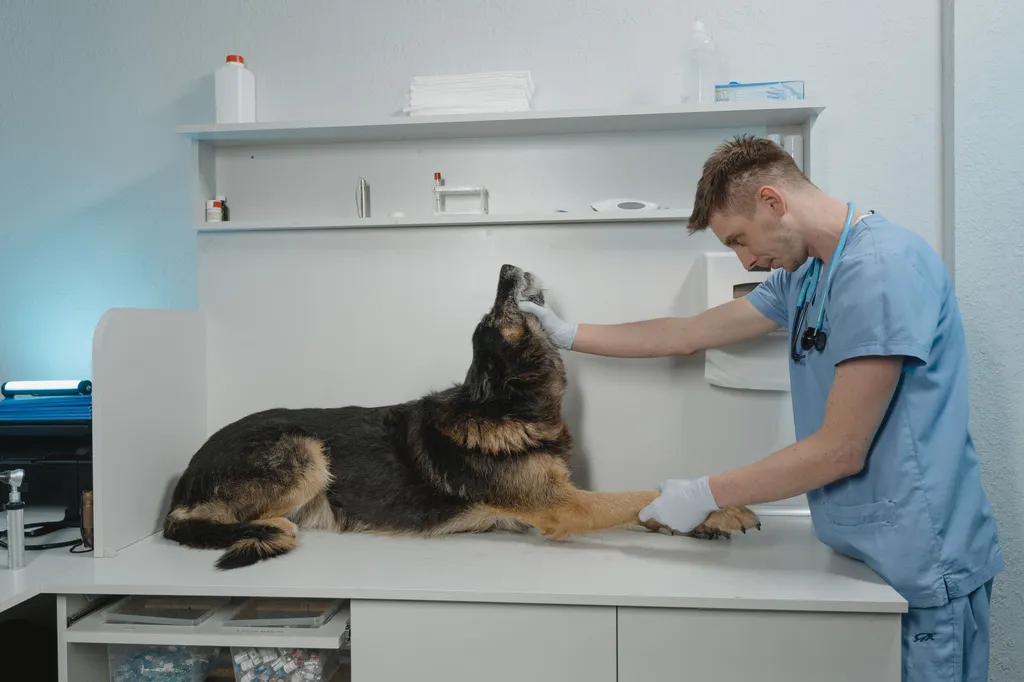
- Oral inspection practice: Lift lips to expose teeth and gums, progressing to brief mouth opening when the dog remains relaxed
- Body palpation exercises: Run hands along the dog’s body, applying gentle pressure to simulate examination techniques
- Temperature-taking preparation: For dogs requiring rectal temperature monitoring, desensitize to tail lifting and brief anal area touching
Critical principle: Never force compliance. If the dog shows stress signals (lip licking, yawning, turning away, tension), reduce intensity and rebuild positive associations at a slower pace.
Carrier and Transportation Training
For dogs transported in carriers or crates, Fear Free protocols recommend:
- Making carriers accessible and appealing: Place carriers in living areas with comfortable bedding, feeding meals inside carriers, and providing treats for voluntary entry
- Creating positive car ride associations: Take dogs on short trips to enjoyable destinations (parks, friend’s homes) rather than exclusively to veterinary clinics
- Utilizing calming music: Studies published in the Journal of Veterinary Behavior demonstrate that classical music and specially designed canine relaxation audio reduce stress indicators during transport
- Securing dogs safely: Use crash-tested restraints, carriers, or vehicle barriers that prevent injury while allowing comfortable positioning

Selecting a Fear-Free or Low-Stress Veterinary Practice
Not all veterinary clinics employ identical approaches to patient care. The veterinary profession has increasingly recognized that traditional restraint-heavy methods often create more problems than they solve, leading to the development of specialized certifications in anxiety-reducing techniques.
Identifying Fear Free Certified Professionals
The Fear Free® certification program trains veterinary teams in specific protocols designed to minimize patient stress. When researching veterinary practices, owners should inquire about:
Staff certification levels in Fear Free or Low Stress Handling® methodologies
Facility design features such as:
- Separate waiting areas for dogs and cats
- Non-slip examination surfaces
- Pheromone diffusers throughout the clinic
- Calming music systems
- Minimal bright lighting and loud noises
- Floor-level examination options for dogs uncomfortable on tables
Protocol modifications including:
- Offering treats continuously throughout examinations
- Allowing owners to remain present during procedures when safe
- Using minimal restraint techniques
- Providing breaks when dogs show stress signals
- Scheduling longer appointment times to avoid rushing
Questions to Ask Potential Veterinary Providers
Before establishing care with a new practice, the American Animal Hospital Association (AAHA) suggests asking:
- “What specific training has your team received in low-stress handling techniques?”
- “Can we schedule a pre-appointment facility tour and meet the staff?”
- “Do you accommodate requests for appointments during quieter hours?”
- “What options exist for dogs who become extremely anxious despite preparation?”
- “Are examination room floors or outdoor spaces available for dogs stressed by examination tables?”
Strategic Appointment Planning and Day-of-Visit Protocols
Even with extensive preparation, the veterinary visit itself requires careful management to minimize stress triggers and maintain the dog’s emotional comfort.
Optimal Scheduling Considerations
According to veterinary practice management research, appointment timing significantly affects patient stress levels:
Early morning appointments often occur before clinic chaos escalates, providing quieter environments with fewer competing stimuli
End-of-day slots allow tired dogs to rest afterward rather than returning to stimulating activities
Mid-week scheduling typically involves lower client volume than Mondays (when weekend emergencies create backlog) or Fridays (when owners rush to address concerns before weekends)
Pre-visit phone consultation with veterinary staff about your dog’s specific anxieties allows teams to prepare appropriate accommodations
Minimizing Waiting Room Stress Exposure
Waiting rooms concentrate multiple stressed animals in confined spaces, creating anxiety contagion effects where one dog’s distress escalates others’ fear responses. Strategies to mitigate waiting room stress include:
- Requesting text/call notification to remain in your vehicle until the examination room is ready
- Using separate cat and dog waiting areas when available
- Maintaining distance from other animals and avoiding forced social interactions
- Providing continuous low-value treats to create positive associations with the environment
- Recognizing and respecting canine body language signals that indicate mounting stress
Key stress indicators to monitor:
- Excessive panting despite comfortable temperature
- Drooling or hypersalivation
- Trembling or muscle tension
- Whale eye (visible sclera)
- Pinned ears or tucked tail
- Attempting to hide behind owner or under furniture
- Refusal of normally irresistible treats
Essential Items to Bring
A well-prepared visit kit should include:
| Item Category | Specific Recommendations |
|---|---|
| High-Value Treats | Soft, pea-sized pieces of cheese, cooked chicken, hot dogs, or commercial training treats that can be consumed quickly |
| Food Delivery Tools | LickiMat or similar textured surface spread with peanut butter, cream cheese, or squeeze tube treats for distraction during procedures |
| Comfort Objects | Familiar blanket or towel carrying home scents; favorite toy (if toy-motivated) |
| Calming Aids | Pheromone spray applied to bandana or carrier 15 minutes before departure; anxiety wrap properly fitted before leaving home |
| Medical Information | Written list of current medications, supplements, and recent health changes; previous medical records if visiting new practice |
Pharmacological and Natural Calming Interventions
For dogs whose anxiety exceeds what behavioral management alone can address, veterinary professionals may recommend supplemental calming strategies ranging from natural products to prescription medications.
Evidence-Based Natural Calming Products
PetMD and veterinary pharmacology research identify several non-prescription options with varying levels of scientific support:
Dog Appeasing Pheromone (DAP) products synthesize calming pheromones similar to those nursing mother dogs produce. Clinical studies demonstrate modest anxiety reduction in some dogs when applied 15-30 minutes before stressful events.
L-theanine and alpha-casozepine supplements show promise in veterinary anxiety research, though individual responses vary considerably.
Melatonin may provide mild sedation, though veterinarians emphasize proper dosing based on body weight and timing relative to appointments.
Anxiety wraps and compression garments apply gentle, constant pressure that some dogs find calming, similar to swaddling effects in human infants.
Important limitation: Natural products demonstrate inconsistent efficacy across individual dogs. Veterinary consultation ensures appropriate selection and identifies potential interactions with medical conditions or medications.
Prescription Anti-Anxiety Medications
For dogs with severe fear responses, veterinarians may prescribe medications administered before appointments:
Trazodone represents the most commonly prescribed pre-visit anxiolytic, typically given 1-2 hours before appointments at doses calculated for the individual dog’s weight and anxiety severity.
Gabapentin provides both anti-anxiety and mild pain-relieving effects, particularly valuable for dogs with concurrent pain conditions that amplify fear responses.
Alprazolam and other benzodiazepines offer rapid-onset anxiety relief but require careful dosing and monitoring.
Critical considerations: Pre-visit medications require trial runs at home before relying on them for appointments, as individual responses vary and some dogs experience paradoxical excitement. Never administer human medications without explicit veterinary guidance regarding dosing and safety.
During-Visit Communication and Cooperation with Veterinary Teams
Effective partnership between owners and veterinary staff substantially improves visit outcomes. The veterinary team possesses medical expertise, while owners contribute irreplaceable knowledge about their individual dog’s behavioral patterns and triggers.
Proactive Communication Strategies
Before examinations begin, inform veterinary staff about:
- Specific fear triggers: Previous negative experiences, particular procedures that cause distress, or handling sensitivities
- Effective calming techniques: What works at home to reduce your dog’s anxiety
- Warning signs of escalating stress: How your dog communicates fear before reaching threshold points
- Medical history relevant to behavior: Pain conditions, sensory deficits, or cognitive dysfunction affecting responses
Owner Emotional Regulation
Research in veterinary behavior demonstrates that dogs perceive and respond to their owners’ emotional states through multiple sensory channels. When owners exhibit anxiety, dogs’ stress responses intensify through emotional contagion.
Strategies for maintaining calm presence:
- Practice deep, slow breathing to regulate your own nervous system activation
- Use confident, matter-of-fact tone rather than excessive soothing (which dogs may interpret as confirmation that danger exists)
- Avoid restraining or hovering unless specifically requested by veterinary staff
- Trust professional handling techniques even when they differ from your home approach
Collaborative Decision-Making About Restraint and Procedures
Modern low-stress veterinary care embraces shared decision-making between owners and medical teams. Appropriate questions include:
“Can we take a brief break if my dog becomes overwhelmed?”
“Are there alternative positions for this examination that might feel less threatening?”
“Which procedures are essential today versus optional elements we could defer to a less stressful future visit?”
“Would my presence help or potentially increase my dog’s anxiety during this particular procedure?”
Post-Visit Recovery and Positive Association Building
The veterinary visit experience extends beyond the clinic door. How owners manage the immediate aftermath and subsequent hours significantly influences the dog’s long-term associations with veterinary care.
Immediate Post-Appointment Protocol
After leaving the clinic, implement recovery strategies that rebuild positive emotional states:
Provide decompression time in a quiet environment rather than immediately returning to stimulating activities
Engage in favorite low-stress activities such as gentle walks in familiar areas, calm playtime with preferred toys, or relaxation exercises
Avoid overwhelming social demands from children or other pets until the dog returns to baseline behavior
Monitor for delayed stress responses including changes in appetite, sleep patterns, house-training reliability, or social behavior over the following 24-48 hours
Building Long-Term Positive Associations
Veterinary behaviorists recommend implementing ongoing practices between appointments to maintain and strengthen positive veterinary associations:
Schedule periodic happy visits (every 4-6 weeks) where dogs receive treats and attention from staff without medical procedures
Practice vet visit desensitization by occasionally driving to the clinic parking lot, delivering treats, and leaving without entering
Continue daily handling exercises at home to maintain comfort with examination-style touch
Photograph or video record successful moments during veterinary visits to help staff recognize progress and adjust approaches
Addressing Special Populations and Challenging Cases
Certain dogs require modified approaches due to age, previous trauma, or severe anxiety disorders that exceed typical stress responses.
Senior Dogs and Those with Cognitive Decline
Older dogs experiencing canine cognitive dysfunction (similar to human dementia) may show increased confusion and anxiety in unfamiliar environments. Accommodations include:
- Maintaining consistent veterinary team members when possible
- Providing extra time for orientation to examination rooms
- Using minimal environmental changes between visits
- Considering mobile veterinary services that provide care in the familiar home environment
- Assessing for pain conditions that may amplify fear responses
Dogs with Veterinary PTSD or Severe Phobias
Dogs exhibiting severe anxiety or trauma responses (freezing, panic, aggressive defense) require intervention from veterinary behaviorists or veterinarians with advanced behavioral training. Management approaches may include:
Behavior modification protocols designed specifically for the individual dog’s triggers and learning history
Anti-anxiety medications prescribed for ongoing daily use rather than only before appointments
Sedation or general anesthesia for essential medical procedures until behavioral intervention creates sufficient improvement
Gradual systematic desensitization potentially requiring months of structured training before tolerating full examinations
Alternative care delivery such as mobile veterinary units or house call services that eliminate transportation and clinic environment triggers
Rescue Dogs with Unknown Histories
Dogs from shelters or rescue organizations may carry unidentified negative experiences with veterinary care. Conservative approaches include:
- Assuming previous trauma until proven otherwise
- Progressing slowly through desensitization hierarchies
- Allowing extended acclimation periods before handling
- Working closely with rescue organizations familiar with the individual dog’s behavioral patterns
Measuring Progress and Adjusting Strategies
Effective stress reduction requires ongoing assessment and willingness to modify approaches based on the individual dog’s responses. Veterinary teams and owners should collaboratively evaluate:
Quantifiable behavioral indicators such as:
- Willingness to enter clinic buildings and examination rooms
- Acceptance of handling during physical examinations
- Treat consumption during appointments
- Recovery time to baseline behavior after visits
- Reduction in physical stress markers (panting, trembling, drooling)
Subjective quality assessments including:
- Owner perception of visit difficulty
- Veterinary staff observations about handling ease
- Dog’s general demeanor and body language throughout appointment
Physiological measurements when relevant:
- Heart rate and blood pressure readings
- Time required for vital signs to normalize
- Stress-related hormone levels in research contexts
When progress stalls or regresses, reassessment should examine:
- Whether desensitization protocols are advancing too quickly
- Potential unidentified medical pain contributing to fear responses
- Need for medication adjustments or additional behavioral intervention
- Environmental or procedural elements in the veterinary setting that could be modified
Frequently Asked Questions About Reducing Veterinary Visit Stress
How long does it take to see improvement in a dog’s veterinary anxiety?
The timeline for reducing dog anxiety vet visits varies substantially based on several factors including the dog’s age, severity of existing fear responses, consistency of training implementation, and previous experiences. Dogs without established negative associations may show improvement within 2-4 weeks of implementing systematic desensitization protocols. However, dogs with moderate to severe anxiety or trauma-based fear responses typically require 2-6 months of consistent behavior modification before demonstrating significant progress.
Puppies exposed to positive veterinary experiences during critical socialization periods often develop comfortable associations within just a few visits. In contrast, adult dogs with years of reinforced fear responses need patient, gradual rehabilitation that may extend 6-12 months for substantial transformation. The key success factor remains consistency—daily brief training sessions prove far more effective than occasional intensive efforts. Owners should celebrate small improvements rather than expecting immediate dramatic changes, as sustainable progress occurs incrementally.
Can I give my dog Benadryl or other over-the-counter medications before vet visits?
Pet owners should never administer any medication, including over-the-counter antihistamines like Benadryl (diphenhydramine), without explicit veterinary approval and dosing guidance. While diphenhydramine does produce sedation in some dogs, several critical concerns make self-medicating inappropriate and potentially dangerous.
First, diphenhydramine’s sedative effects vary unpredictably between individual dogs—some experience drowsiness while others show paradoxical excitement and increased anxiety. Second, improper dosing poses serious health risks including overdose toxicity, particularly in small dogs where calculation errors prove especially dangerous. Third, Benadryl may interact negatively with other medications the dog receives or with undiagnosed medical conditions. Fourth, sedation without addressing underlying anxiety fails to solve the problem and may actually worsen fear conditioning by creating unpleasant drug side effects the dog associates with veterinary visits.
Veterinarians prescribe appropriate anti-anxiety medications specifically formulated for pre-visit administration at doses calculated for the individual dog’s weight, health status, and anxiety severity. These prescription options prove safer and more effective than over-the-counter alternatives while forming part of comprehensive behavior modification strategies rather than merely masking symptoms.
Should I stay with my dog during examinations or does my presence make anxiety worse?
The question of owner presence during veterinary examinations lacks a universal answer—the optimal choice depends entirely on the individual dog’s behavioral patterns and the owner’s emotional regulation capacity. Research in veterinary behavior demonstrates that some dogs experience reduced anxiety when owners remain present, while others actually become more stressed trying to seek owner protection or responding to owner anxiety.
Indicators that owner presence benefits the dog include: the dog seeking proximity to the owner during stress, showing calmer behavior when the owner provides treats or gentle touch, and demonstrating separation anxiety in other contexts. These dogs typically benefit from owner presence provided the owner maintains calm, confident demeanor without interfering with veterinary procedures.
Conversely, signs that absence may prove better include: the dog showing more stress when looking to the owner for rescue, the owner experiencing significant anxiety that the dog perceives, or the dog demonstrating handler-focused aggression (attempting to defend the owner from veterinary staff). In these cases, brief owner departures often allow dogs to settle and cooperate more readily with veterinary professionals.
The most effective approach involves honest assessment with veterinary staff about both the dog’s response patterns and the owner’s comfort level. Many Fear Free practices conduct brief trial separations during examinations—if the dog’s stress indicators decrease, separation proves beneficial; if anxiety escalates, the owner returns. This empirical testing determines the best arrangement for each unique patient rather than applying blanket rules.
What if my dog refuses all treats at the veterinary clinic?
Treat refusal during veterinary visits represents a significant stress indicator, as dogs typically abandon food consumption only when fear responses override hunger and food motivation drives. However, complete treat rejection doesn’t necessarily mean all positive reinforcement strategies fail—several alternative approaches can provide calming before vet appointments and during examinations.
First, experiment with extraordinary high-value foods the dog encounters rarely or never at home—options like squeeze cheese, liverwurst, or baby food (ensuring no toxic ingredients like onions or garlic). The novelty and extraordinary palatability sometimes overcome moderate anxiety. Second, try different delivery methods such as LickiMats or squeeze tubes that allow passive licking rather than active eating, as licking often produces calming effects even when dogs refuse discrete treats. Third, consider that the dog may accept treats from veterinary staff when the owner cannot successfully deliver them, or vice versa—test both options.
For dogs whose anxiety completely eliminates food interest, temporarily shift focus to other calming strategies while implementing longer-term behavior modification. This includes utilizing prescribed anti-anxiety medications, employing pressure wraps, scheduling appointments during less busy clinic hours, or conducting examinations in alternative locations like outdoor spaces or the dog’s vehicle where anxiety may be reduced. Simultaneously, dedicate several months to systematic desensitization and counter-conditioning training specifically designed to gradually reduce anxiety to levels where food acceptance becomes possible.
The ultimate goal involves creating sufficient emotional comfort that treats become relevant again. This requires addressing root anxiety through proper behavior modification rather than simply attempting to overcome fear with food rewards. Working with veterinary behaviorists or certified applied animal behaviorists provides professional guidance for severe cases where treat refusal indicates anxiety exceeding what general strategies can manage.
Conclusion: The Cumulative Impact of Low-Stress Veterinary Care
Transforming veterinary visits from traumatic ordeals into manageable or even positive experiences represents one of the most impactful investments owners can make in their dogs’ lifelong health and well-being. The strategies outlined throughout this comprehensive guide—from early socialization and daily desensitization training to collaborative partnerships with Fear Free certified practices—collectively create a supportive framework that honors dogs’ emotional needs while ensuring they receive essential medical care.
The veterinary profession’s evolution toward anxiety-reducing protocols reflects growing recognition that patient welfare encompasses both physical and psychological dimensions. When dogs approach veterinary care without debilitating fear, the benefits extend far beyond individual appointments to encompass improved diagnostic accuracy, enhanced treatment compliance, and most fundamentally, preservation of the trusting relationship between dogs and their caregivers that forms the foundation of responsible pet ownership.
For owners beginning this journey, remember that sustainable progress emerges from consistent small efforts rather than dramatic single interventions. Each positive interaction, whether a brief happy visit to the clinic or a successful handling exercise at home, contributes to the cumulative conditioning that shapes your dog’s long-term associations with veterinary care. Patience, persistence, and partnership with veterinary professionals committed to fear-free practices create the conditions under which even anxious dogs can learn that veterinary visits, while perhaps never their favorite activity, need not represent sources of overwhelming distress.