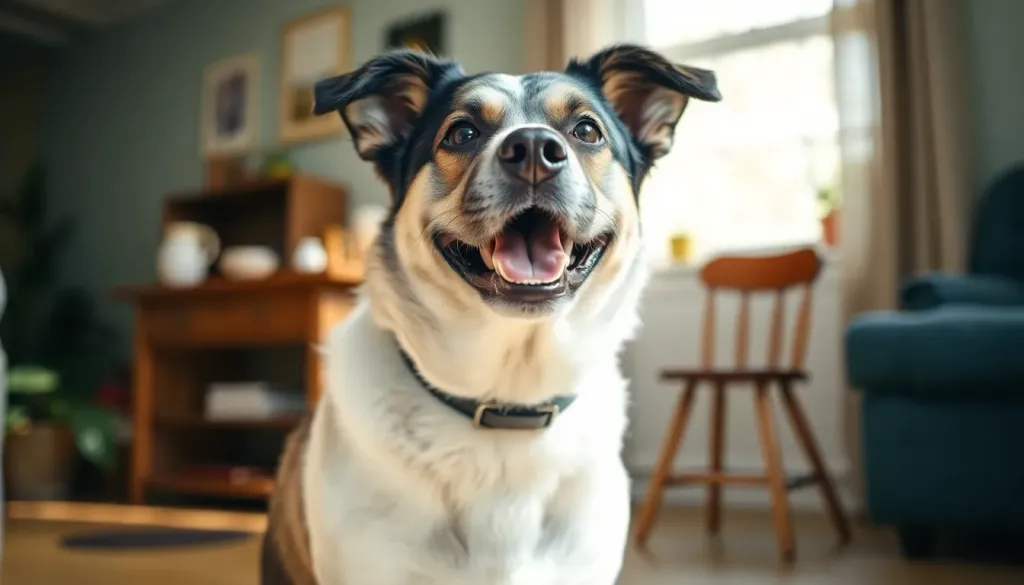
Prepare Your Dog for Baby: Smooth Intro Tips

Preparing a dog for the arrival of a new baby is essential and should begin several weeks to months in advance by gradually introducing new routines, sounds, scents, and boundaries to help the dog adjust to significant changes in the household. According to the American Kennel Club (AKC) and PetMD, proper preparation reduces stress for both the dog and family while establishing safe interactions between the pet and infant.
Veterinary and Behavioral Disclaimer
Important Notice: The information provided in this article is for educational purposes and should not replace professional guidance from a certified dog trainer, veterinary behaviorist, or licensed veterinarian. Every dog has a unique temperament and history. Families expecting a new baby should consult with qualified professionals to assess their specific situation, especially if their dog has shown previous signs of anxiety, aggression, or resource guarding. The ASPCA and AKC both emphasize individualized preparation plans based on the dog’s personality and the family’s circumstances.
Why Early Preparation Is Critical
The transition from a quiet household to one with a newborn represents one of the most significant environmental changes a dog will experience. Dogs thrive on routine and predictability, and the sudden introduction of a crying infant, new furniture, restricted access to certain rooms, and altered attention from their primary caregivers can trigger stress, anxiety, and behavioral issues if not properly managed.
Key statistics and expert observations:
- The ASPCA reports that many dogs surrendered to shelters cite “new baby in the home” as a contributing factor
- PetMD notes that dogs require 3-6 months to fully adjust to major household changes
- Veterinary behaviorists observe that gradual desensitization is significantly more effective than abrupt transitions
Timeline: How to Prepare Dog for New Baby
Preparation should ideally begin during the second trimester of pregnancy, giving families 4-6 months to implement changes gradually. The AKC recommends the following phased approach:
| Timeframe | Preparation Activities | Goal |
|---|---|---|
| 6 Months Before | Begin obedience training refresher; establish new boundaries | Reinforce basic commands and household rules |
| 4-5 Months Before | Introduce baby equipment; adjust walking/feeding schedules | Normalize new objects and routine changes |
| 3 Months Before | Play baby sound recordings; introduce baby care products | Desensitize to new sounds and scents |
| 1-2 Months Before | Practice with baby dolls; reduce attention gradually | Simulate baby presence and new attention patterns |
| Final Weeks | Arrange dog care for hospital stay; prepare introduction space | Ensure smooth transition during birth and homecoming |

Foundational Obedience Training
Before introducing any baby-specific preparations, dogs must respond reliably to basic commands. According to PetMD, the following commands are non-negotiable for households expecting infants:
Essential Commands
Sit and Stay: These commands allow parents to control the dog’s position and prevent jumping or unwanted proximity during diaper changes, feeding, or when visitors arrive. Practice extended “stay” durations of 5-10 minutes while you simulate baby care tasks.
Down: A “down” position is less threatening and more controlled than standing or sitting. Train the dog to lie down on command and remain calm in that position, particularly near the baby’s sleeping or changing areas.
Leave It: This critical command prevents the dog from investigating, mouthing, or taking baby items such as pacifiers, toys, bottles, or soiled diapers. Practice with increasingly tempting objects.
Go to Your Place: Designate a specific bed, crate, or mat as the dog’s “place” and train them to go there on command and remain until released. This provides a positive alternative to following you constantly or being underfoot during baby care.
Gentle/Easy: Teach the dog to take treats or interact with extreme gentleness, using a soft mouth. This becomes crucial when the baby begins offering food or touching the dog.
According to the American Kennel Club, dogs should demonstrate 90% reliability with these commands in various environments and with distractions before the baby arrives. Consider working with a certified professional dog trainer (CPDT-KA) for personalized guidance.
Gradual Routine Adjustments
Babies dramatically alter household schedules, often in unpredictable ways. The ASPCA recommends implementing routine changes months in advance to avoid associating the baby’s arrival with negative experiences.
Walking Schedule Modifications
If morning walks currently occur at 8:00 AM but will need to shift to 6:30 AM or 10:00 AM after the baby arrives, begin implementing the new schedule immediately. Vary walking times occasionally to help the dog adapt to scheduling unpredictability.
Feeding Time Changes
Adjust feeding times if necessary to accommodate anticipated baby care schedules. If feeding currently happens when you arrive home from work but will need to occur earlier or later, make this transition gradually over several weeks.
Attention and Interaction Patterns
Critical preparation step: Many dog owners unknowingly prepare their dogs for disappointment by maintaining current attention levels until the baby arrives, then drastically reducing interaction. PetMD advises the following:
- Gradually reduce the duration of play sessions by 20-30% over several months
- Practice ignoring the dog for short periods while attending to a baby doll
- Schedule specific, predictable interaction times the dog can anticipate
- Enrich the dog’s environment with puzzle toys and independent activities
Positive reinforcement strategy: When you do interact with your dog after these planned periods of reduced attention, make those moments high-quality with treats, favorite toys, and enthusiastic praise. This teaches the dog that less frequent attention doesn’t mean less valued attention.
Environmental Preparations and Boundary Setting
Establishing new household rules and physical boundaries before the baby arrives prevents the dog from associating restrictions with the infant’s presence.
Furniture and Room Access
If the dog will no longer be allowed:
- On certain furniture (beds, sofas)
- In the nursery without supervision
- In specific rooms during baby care
Begin enforcing these restrictions immediately using positive reinforcement for compliance. Never physically punish or scold; instead, redirect to appropriate areas and reward heavily.
Baby Equipment Introduction
Introduce nursery furniture, strollers, changing tables, and other equipment weeks before use. According to veterinary behaviorists:
- Allow the dog to investigate new items through sniffing (supervised)
- Reward calm, disinterested behavior around baby equipment
- Never allow the dog to claim baby items as toys or resting spots
- Use the equipment regularly before the baby arrives (push an empty stroller on walks, sit in the nursing chair)
Creating the Dog’s Safe Space
Designate a quiet area where the dog can retreat when overwhelmed. This space should include:
- Comfortable bedding
- Favorite toys
- Access to water
- Distance from high-traffic baby care areas
Train family members, especially future visitors, to never disturb the dog in this sanctuary space.

Desensitization to Baby Sounds and Smells
Babies produce unfamiliar and sometimes startling sounds that can trigger anxiety or arousal in unprepared dogs. The AKC recommends systematic desensitization protocols.
Sound Desensitization Protocol
Phase 1 (Weeks 1-2): Play recordings of baby sounds (crying, cooing, laughing) at very low volume for 5-10 minutes daily while the dog engages in positive activities (eating meals, playing with favorite toys). Reward calm behavior.
Phase 2 (Weeks 3-4): Gradually increase volume to moderate levels. Extend duration to 15-30 minutes. Practice having the dog maintain “place” command while sounds play.
Phase 3 (Weeks 5-6): Play sounds at realistic volumes during various activities (while you cook, watch television, or work). Vary the types of baby sounds and combine multiple sounds.
Phase 4 (Final weeks): Play sounds unpredictably and at high volumes briefly, mimicking real infant behavior. Always pair with positive experiences.
Free sound recordings are available through apps like “Sound Proof Puppy Training” or YouTube channels dedicated to dog desensitization.
Scent Introduction
Introduce baby care product scents months in advance:
- Baby lotions and powders: Apply small amounts to your own skin, allowing the dog to become familiar with these scents on trusted humans
- Baby laundry detergent: Wash dog bedding and your clothing with baby-safe detergent
- Diaper scents: While this may seem unusual, the smell of diapers will be omnipresent after birth
PetMD specifically recommends bringing home a blanket or clothing item with the baby’s scent from the hospital before the actual homecoming, allowing the dog to investigate this new smell without the added stimulation of the baby’s presence.
Practice Sessions with Baby Dolls
Many professional trainers recommend realistic practice sessions using weighted baby dolls. According to certified animal behaviorists, this technique allows families to:
Simulate Daily Care Routines:
- Carry the doll around the house while giving the dog commands
- Sit in the nursing chair with the doll while the dog practices “place”
- Change the doll’s “diaper” on the changing table while the dog remains in a down-stay
- Walk with the doll in a stroller while the dog heels properly
Practice Barrier Training: Place the doll in the crib or bassinet and prevent the dog from investigating unsupervised. Reward the dog for showing interest from an appropriate distance or for disengagement.
Test Attention Division: Practice giving the dog commands and treats while holding the doll. This prepares both you and the dog for divided attention scenarios.
Important note: Some dogs may show no interest in dolls, as they lack authentic baby sounds and movements. However, the practice benefits the human family members in developing muscle memory for managing both dog and infant simultaneously.
Physical Exercise and Mental Enrichment
A well-exercised, mentally stimulated dog is significantly better equipped to handle the stress of a new baby. The ASPCA emphasizes that physical and mental exercise should actually increase during pregnancy preparation.
Exercise Requirements by Dog Size and Age
| Dog Category | Daily Exercise Minimum | Recommended Activities |
|---|---|---|
| Small Breeds (Adult) | 30-45 minutes | Walks, indoor play, training games |
| Medium Breeds (Adult) | 45-90 minutes | Longer walks, fetch, agility training |
| Large/Giant Breeds (Adult) | 60-120 minutes | Extended walks, swimming, structured play |
| High-Energy Breeds | 90-180 minutes | Running, hiking, advanced training, dog sports |
| Senior Dogs | 20-45 minutes | Gentle walks, swimming, mental puzzles |
Mental Enrichment Strategies
Puzzle feeders and interactive toys: Replace some regular meals with food-dispensing toys that require problem-solving. This provides mental stimulation that tires dogs more effectively than physical exercise alone.
Scent work: Hide treats around the house and encourage the dog to use their nose to locate them. This taps into natural instincts and provides excellent mental exercise.
Training sessions: Daily 10-15 minute training sessions teaching new tricks or refining commands provide mental challenges and strengthen the human-dog bond.
Socialization opportunities: If appropriate for your dog’s temperament, arrange playdates with other dogs or visits to dog-friendly locations to maintain social skills and burn energy.
According to veterinary behaviorists, a tired dog is a calm dog. Ensuring adequate exercise becomes even more critical after the baby arrives, when finding time for dog activities becomes more challenging.
Managing Resources and Preventing Resource Guarding
Resource guarding—protective behavior over food, toys, spaces, or people—poses serious safety risks in homes with infants. PetMD identifies this as a critical area requiring professional assessment.
Identifying Resource Guarding Behaviors
Warning signs include:
- Stiffening or freezing when approached while eating or playing
- Growling, lip curling, or showing teeth when someone nears valued items
- Rapid eating or “gulping” food when people approach
- Positioning body over toys or food bowls
- Following specific family members constantly or blocking access to them
If your dog exhibits any resource guarding behaviors, consult a veterinary behaviorist or certified animal behavior consultant (CAAB) immediately. These issues require professional intervention and must be resolved before bringing a baby home.
Prevention and Management
For dogs without existing guarding issues, implement these preventive measures:
Trade-up training: Practice exchanging items the dog has for something better. When the dog has a toy, offer a high-value treat in exchange. This teaches that human approach means good things, not loss.
Hand-feeding exercises: Periodically hand-feed meals, adding treats to the bowl while the dog eats, or having family members approach and add food rather than take it away.
Relationship building: Strengthen the dog’s positive associations with all family members through training, play, and care activities. A dog that trusts all household members is less likely to guard resources.
Baby item management: Keep all baby items (toys, bottles, pacifiers, clothing) completely inaccessible to the dog. Never allow the dog to play with or chew baby belongings, as this creates confusion about ownership.
Preparing for the Birth and Hospital Stay
The days surrounding the birth require specific planning to ensure the dog’s care and smooth reintegration of parents.
Arranging Dog Care
Identify a trusted caregiver who can maintain the dog’s routine during the hospital stay:
- Preferred option: Someone who can stay at your home, maintaining the dog’s familiar environment
- Alternative: A trusted friend, family member, or professional pet sitter the dog knows well
- Last resort: A boarding facility the dog has visited previously and feels comfortable in
Provide detailed written instructions including:
- Feeding schedule and portion sizes
- Medication requirements
- Exercise routines and favorite walking routes
- Emergency veterinary contact information
- Behavioral quirks or management strategies
Maintaining Routine During Absence
The AKC emphasizes that the dog’s routine should remain as consistent as possible during parental hospitalization. Sudden routine changes during this period can create anxiety that becomes associated with the baby’s arrival.
Scent Introduction Before Homecoming
As mentioned previously, have a family member bring home a blanket, hat, or onesie with the baby’s scent 24-48 hours before bringing the baby home. Allow the dog to sniff this item under supervision, rewarding calm, gentle investigation. Do not allow the dog to take the item or treat it as a toy.
This advance scent introduction, recommended by both the ASPCA and PetMD, allows the dog to process the new scent without the added stimulation of a moving, sound-making baby.
The Critical Homecoming Introduction
The first meeting between dog and baby sets the tone for their future relationship. Veterinary behaviorists recommend a structured, calm approach.
Pre-Introduction Parent Greeting
Before bringing the baby inside:
-
Parent greets dog first: The parent who has been absent should greet the dog enthusiastically (outside if possible) without the baby present. This allows the dog to release excitement at their return without the baby in the immediate picture.
-
Calm the dog: After the initial excitement, allow the dog to settle. Consider a brief walk or bathroom break if the greeting occurred indoors.
-
Arrange the introduction space: Choose a quiet area where the dog has had positive experiences. Have treats readily available.
Structured Introduction Protocol
According to the American Kennel Club’s expert advice:
Step 1: Have one parent hold the calm baby while sitting or standing securely. The dog should be on leash, held by another adult or family member who can maintain control.
Step 2: Allow the dog to observe the baby from several feet away. Reward any calm, quiet behavior with high-value treats and praise. Do not force interaction.
Step 3: If the dog remains calm, gradually decrease distance over several minutes. Watch for stress signals: excessive panting, yawning, lip licking, whale eye (showing whites of eyes), or attempting to retreat.
Step 4: If all signs indicate comfort, allow the dog to briefly sniff the baby’s feet (not face) while still on leash and under complete control. Keep this interaction very brief—3-5 seconds.
Step 5: End the interaction positively while things are going well. Do not wait for signs of stress or overexcitement.
Critical safety rule: Never allow the dog unsupervised access to the baby, never allow the dog to lick the baby’s face, and never leave the baby at the dog’s level on floors, sofas, or beds.
Signs of Positive Adjustment
Positive indicators include:
- Relaxed body posture around the baby
- Brief interest followed by disengagement
- Normal eating and sleeping patterns
- Responding to commands while the baby is present
- Seeking attention appropriately rather than demanding excessively
Warning Signs Requiring Professional Help
Contact a veterinary behaviorist immediately if the dog shows:
- Intense fixation on the baby
- Stalking, herding, or “shadowing” behavior
- Growling, lip curling, or any aggressive displays
- Extreme anxiety (hiding, refusing to eat, excessive panting)
- Attempts to mouth or put mouth on the baby
- Obsessive barking or whining directed at the baby
Long-Term Management and Safety
Preparation doesn’t end with the homecoming. Ongoing management ensures safety as both the baby and the dog’s relationship evolves.
Supervision Requirements
The ASPCA is unequivocal: Never leave a baby and dog together unsupervised, regardless of the dog’s temperament or history. This rule applies even to the most trusted family dogs. Accidents can happen in seconds, and prevention is the only acceptable strategy.
Supervision means:
- Active visual attention, not background awareness
- Physical proximity allowing immediate intervention
- Understanding of both dog and baby body language
- Ability to redirect the dog or remove the baby instantly
As the Baby Grows
Different developmental stages present new challenges:
Newborn to 3 months: Primary concerns include the dog’s adjustment to sounds, schedule changes, and decreased attention. Maintain positive associations by giving treats when the baby cries or during baby care routines.
3-6 months: Babies become more interactive, making sounds and movements that may trigger prey drive or play behavior in dogs. Reinforce “gentle” commands and maintain physical barriers.
6-12 months (crawling/mobility): This represents a critical period. Babies may pull, grab, or chase dogs. Teach the baby gentle touching through modeling, and always provide the dog an escape route and access to their safe space.
Toddler years: Active teaching of both child and dog becomes essential. Enroll in programs that teach children appropriate dog interaction. Continue reinforcing the dog’s training and never allow the child to tease, hurt, or corner the dog.
Maintaining the Dog’s Quality of Life
PetMD emphasizes that maintaining some aspects of the dog’s previous quality of life prevents resentment and behavioral decline:
Daily individual attention: Even 10-15 minutes of dedicated dog-only time (training, play, or quiet cuddling) reinforces the bond and provides necessary mental stimulation.
Preserve favorite activities: If the dog previously accompanied you on errands, continued some of these outings (safely, never leaving baby unattended in vehicles). If weekend hiking was routine, arrange for dog-sitting occasionally to maintain this enrichment.
Positive baby associations: Whenever possible, pair the baby’s presence with positive experiences for the dog. Feed meals or provide special treats when holding the baby, give attention when the baby is nearby, and engage in play sessions while the baby observes safely from a bouncer or crib.
Recognize stress signs: Ongoing monitoring for stress indicators ensures early intervention. Signs include changes in appetite, sleep patterns, house training regression, excessive shedding, or new anxiety-related behaviors.
Special Considerations for Different Dog Personalities
Not all dogs respond identically to babies. Understanding your specific dog’s temperament informs preparation strategies.
High-Energy and Excitable Dogs
These dogs may struggle with the impulse control required around fragile infants. Additional preparation includes:
- Extended obedience training with distractions
- Increased exercise before baby care times
- Management tools (baby gates, tethering systems)
- Professional training to address impulse control
Anxious or Fearful Dogs
Anxious dogs may find the household changes overwhelming. These dogs benefit from:
- Earlier, more gradual preparation timelines (6+ months)
- Consultation with veterinary behaviorists about possible anxiety medication
- Extra emphasis on safe space creation
- Potentially reduced exposure to baby initially, with very gradual increase
Senior or Low-Energy Dogs
Older dogs may be more tolerant of babies but require different considerations:
- Protection from baby pulling, climbing, or rough handling as mobility develops
- Maintained access to quiet rest areas
- Monitoring for pain or discomfort that could affect temperament
- Recognition that reduced hearing or vision may cause startle responses
Dogs with Previous Trauma or Behavioral History
Dogs with bite histories, severe anxiety, or unknown backgrounds require professional assessment. In some cases, veterinary behaviorists may recommend:
- Intensive behavior modification protocols before baby arrival
- Management strategies that prevent all baby-dog interaction
- Honest evaluation of whether rehoming may be safest for all parties
Working with Professional Support
While many families successfully prepare their dogs independently using resources from the AKC, ASPCA, and PetMD, professional support often proves invaluable.
When to Seek Professional Help
Consider consulting professionals if:
- Your dog has any history of aggression toward people or other animals
- The dog shows resource guarding over objects, food, or people
- You’re unsure how to implement recommended strategies
- Your dog shows high anxiety or fear responses to changes
- This is your first experience preparing a dog for a baby
- Your dog is a large or powerful breed requiring exceptional control
Types of Professional Support
Certified Professional Dog Trainers (CPDT-KA): Focus on obedience training, behavior modification, and practical preparation strategies. Can provide in-home sessions tailored to your specific situation.
Veterinary Behaviorists (DACVB): Board-certified specialists in animal behavior who can diagnose behavioral disorders, prescribe medication if needed, and create comprehensive behavior modification plans.
Certified Applied Animal Behaviorists (CAAB): Hold advanced degrees in animal behavior and provide expertise in complex behavioral issues.
Consult your veterinarian: Your regular veterinarian can assess your dog’s overall health, discuss whether any physical issues might affect behavior, and provide referrals to behavior specialists.
Common Mistakes to Avoid
Understanding frequent errors helps families avoid pitfalls that can undermine preparation efforts.
Waiting Until the Last Minute
Beginning preparation only weeks before the due date doesn’t allow sufficient time for gradual adjustment. Dogs need months to internalize new routines and rules.
Dramatic Sudden Changes
Abruptly restricting access to previously allowed areas, suddenly reducing attention, or introducing all baby equipment simultaneously creates negative associations with the impending arrival.
Forcing Interaction
Never force a dog to interact with the baby or baby-related items. This can create fear or resentment. Always allow the dog to investigate at their own pace and reward disengagement as much as appropriate interest.
Neglecting the Dog After Baby Arrives
While time constraints are real, completely ignoring the dog or relegating them to outdoor-only status damages the relationship and creates behavioral problems. Even brief, positive daily interactions maintain bonds.
Assuming “My Dog Would Never…”
Even the gentlest, most tolerant dog can have unexpected reactions to stress, pain, or fear. Supervision is non-negotiable regardless of trust level or history.
Punishing Fear or Anxiety
If a dog shows fear or anxiety about baby sounds, equipment, or the baby themselves, punishment intensifies these negative emotions. Instead, increase distance, slow the introduction process, and use positive reinforcement for any calm behavior.
FAQ: Preparing Dogs for New Babies
How long before my due date should I start preparing my dog for the baby?
Ideally, preparation should begin 4-6 months before the baby’s expected arrival, though the ASPCA notes that earlier is always better than later. This timeline allows for gradual implementation of routine changes, thorough obedience training reinforcement, systematic desensitization to new sights and sounds, and introduction of household rule changes without rushing. Dogs require time to internalize new patterns and expectations, and rushed preparation often results in stress and behavioral issues. For dogs with existing behavioral concerns, anxiety issues, or difficult temperaments, veterinary behaviorists recommend beginning preparation even earlier—potentially 6-9 months in advance—to allow time for behavior modification protocols and professional intervention if needed.
Can I let my dog lick the baby?
No, the American Kennel Club and veterinary professionals strongly recommend against allowing dogs to lick babies, particularly newborns and young infants. Dog mouths contain bacteria that, while typically harmless to healthy adults, can pose infection risks to infants with developing immune systems. Additionally, allowing licking establishes an interaction pattern that becomes increasingly problematic as it continues—a behavior that seems harmless with a newborn becomes dangerous when a large dog enthusiastically licks a mobile toddler, potentially knocking them over. PetMD specifically notes that dog saliva can cause skin irritation in some infants and that licking behavior, particularly of the face, increases risks if the dog’s temperament changes or stress triggers unexpected reactions. Instead of licking, encourage calm proximity, gentle sniffing from appropriate distances, and reward the dog for disengaged, relaxed behavior around the baby.
What should I do if my dog shows signs of jealousy or aggression toward the baby?
Any signs of aggression—including growling, lip curling, stiff body posture, hard staring, lunging, snapping, or biting—require immediate professional intervention from a veterinary behaviorist or certified animal behavior consultant. Do not attempt to resolve these issues independently, as improper handling can intensify dangerous behaviors. In the interim, immediately establish complete physical separation between the dog and baby using baby gates, closed doors, or crate training, ensuring the dog cannot access the baby under any circumstances. Jealousy behaviors such as attention-seeking, whining, or mild anxiety can be addressed by maintaining positive associations with the baby’s presence (offering treats and attention when the baby is nearby), ensuring the dog receives individual attention daily, and never punishing the dog for emotional responses. According to the ASPCA, punishment for jealousy or anxiety intensifies negative associations with the baby, while positive reinforcement for calm behavior creates better emotional connections. However, if jealousy manifests as any form of aggression or resource guarding of family members, professional assessment becomes essential for safety.
Should I let my dog in the nursery?
This depends on your household rules and management capabilities, but the general recommendation from both PetMD and the AKC is to allow supervised access while maintaining clear boundaries. Completely forbidding the nursery can create increased interest in the “forbidden” space, while unmanaged free access creates opportunities for inappropriate behaviors. The ideal approach involves teaching the dog that they may enter the nursery only with permission, must maintain a calm demeanor while inside, and must respond immediately to the “out” or “place” command. During supervised nursery time, reward the dog for calm behavior, disinterest in baby items, and appropriate proximity to the crib or changing table. Never allow the dog to jump on nursery furniture, chew baby items, or remain in the nursery unsupervised. Some families find baby gates with small pet doors useful—they allow the dog to see into the room and not feel completely excluded while preventing full access. The critical principle is establishing that nursery access is a privilege granted by humans, not a right, and can be revoked if the dog doesn’t maintain appropriate behavior.
What if my dog seems afraid of the baby?
Fear responses to babies are relatively common and, while concerning, are typically more manageable than aggression if addressed properly. Fear manifests as avoidance, hiding, excessive yawning, lip licking, trembling, or attempts to retreat when the baby is nearby. The ASPCA recommends a systematic desensitization and counter-conditioning approach: First, increase the distance between the dog and baby to a point where the dog shows no fear response. From this safe distance, pair the baby’s presence with extremely high-value rewards (special treats the dog only receives during baby time). Very gradually, over days or weeks, decrease the distance while maintaining positive associations. Never force the fearful dog to approach or interact with the baby. Ensure the dog always has escape routes to their safe space and never corner or trap them with the baby. If fear is severe or doesn’t improve with this approach, consult a veterinary behaviorist, as intense fear can potentially escalate to fear-based aggression. Some fearful dogs benefit from calming supplements or anti-anxiety medication prescribed by veterinarians to facilitate the desensitization process.
Creating a Positive Long-Term Relationship
The ultimate goal of preparation extends beyond safe coexistence to fostering a positive, enriching relationship between the dog and child as both grow together.
Teaching Children Appropriate Dog Interaction
As the baby develops into a toddler and beyond, parental responsibility includes teaching appropriate animal interaction:
Never allow children to:
- Pull ears, tails, or fur
- Poke, hit, or kick the dog
- Disturb the dog while eating or sleeping
- Corner or trap the dog
- Ride or climb on the dog
- Take the dog’s toys or food
- Scream at or chase the dog
Teach children to:
- Pet gently on the dog’s side or back (not head or face)
- Recognize when the dog wants space and respect it
- Ask permission before petting
- Move slowly and calmly around the dog
- Speak in quiet, gentle voices
- Help with age-appropriate dog care tasks (filling water bowl, gentle brushing)
Benefits of Dog-Child Relationships
According to research cited by the AKC, children who grow up with dogs show:
- Increased empathy and emotional intelligence
- Better immune system development
- Reduced anxiety and stress levels
- Enhanced social skills and responsibility
- Greater physical activity levels
Ongoing Training and Socialization
Both the dog and child require ongoing education as they grow:
For dogs: Continue obedience training, socialization opportunities, and mental enrichment throughout their life. Dogs that remain well-trained and stimulated make better family companions.
For children: Age-appropriate education about dog body language, safe interaction, and animal care creates responsible pet owners and safer households.
Celebrating the Partnership
Many families find that thoughtful preparation creates beautiful, lasting bonds between their dogs and children. Social media and family stories abound with dogs who become gentle protectors, playful companions, and beloved family members to the children who grew up alongside them.
The investment of time, effort, and resources in proper preparation pays dividends in safety, reduced stress, and the incomparable joy of watching a child and dog develop mutual love and respect.
Evidence-Based Resources and Continued Learning
Families preparing dogs for babies should consult authoritative, evidence-based resources:
American Kennel Club (AKC): Provides comprehensive training guides, expert articles, and professional trainer directories at akc.org
ASPCA: Offers detailed behavior resources, preparation timelines, and safety information at aspca.org
PetMD: Features veterinary-reviewed articles on behavior, training, and health considerations at petmd.com
Certified Applied Animal Behaviorists: Find board-certified professionals through the Animal Behavior Society
Veterinary Behaviorists: Locate specialists through the American College of Veterinary Behaviorists
Books and Publications:
- “Tell Your Dog You’re Pregnant” by Lewis Kirkham
- “Preparing Fido” by Dr. Jocelyn Jacobs
- “Living with Kids and Dogs… Without Losing Your Mind” by Colleen Pelar
Conclusion: The Path to Safe Integration
Preparing a dog for a new baby represents a significant commitment requiring months of dedicated effort, but the investment creates a foundation for safe coexistence and potentially beautiful lifelong relationships. By beginning early, implementing gradual changes, reinforcing training, and maintaining realistic expectations, families create environments where both children and dogs thrive together.
The key principles—gradual desensitization, positive reinforcement, professional support when needed, and unwavering supervision—ensure that the transition from a child-free household to a family with both a baby and a dog proceeds as smoothly as possible. Remember that every dog and every family is unique; what works perfectly for one household may require adjustment for another.
Above all, prioritize safety. No interaction is worth risking injury to a child or creating a situation where a beloved family dog must be rehomed or euthanized due to preventable incidents. With proper preparation, professional guidance when needed, and ongoing management, dogs and babies can successfully share homes, creating enriching experiences for all family members.
The journey from pregnancy to bringing home a baby with a dog in the household is complex, but countless families successfully navigate this transition every year. Armed with information from trusted sources like the AKC, ASPCA, and PetMD, along with appropriate professional support, families can confidently prepare their dogs for one of life’s most significant changes—the arrival of a new baby.