Rewild Your Dog: Boost Natural Instincts At Home

Rewilding your dog means reconnecting them with their natural instincts through environmental enrichment, scent-driven activities, and foraging games—but it does not mean adopting a raw meat diet, which veterinary organizations strongly warn against due to serious bacterial, parasitic, and nutritional risks. While enhancing your dog’s environment with natural behaviors can boost mental stimulation and physical health, any dietary changes should prioritize scientifically-backed, complete nutrition over trends that pose documented dangers to both pets and families.
🩺 Veterinary Disclaimer
Always consult your veterinarian before making significant changes to your dog’s lifestyle or diet. This article provides general information based on current veterinary research and should not replace professional medical advice. If your dog shows any signs of illness—vomiting, diarrhea, lethargy, or behavioral changes—seek immediate veterinary care.
What Does “Rewilding Your Dog” Really Mean?
When I first heard the term “rewilding,” I pictured my Golden Retriever Luna running through the woods like a wolf, hunting her own dinner. But after years of managing a multi-dog household and researching canine wellness, I’ve learned that true rewilding is about enrichment, not extremism.
The concept has two popular interpretations:
- Environmental Enrichment (Recommended): Providing opportunities for dogs to engage their natural instincts—sniffing, foraging, exploring, and problem-solving in safe, controlled ways.
- Raw Feeding Movement (Not Recommended): Adopting raw meat-based diets under the assumption that dogs should eat “like wolves,” despite substantial evidence against this practice.
According to PetMD and the American Veterinary Medical Association (AVMA), the environmental enrichment approach offers real benefits, while raw feeding carries documented risks that far outweigh any unproven advantages.
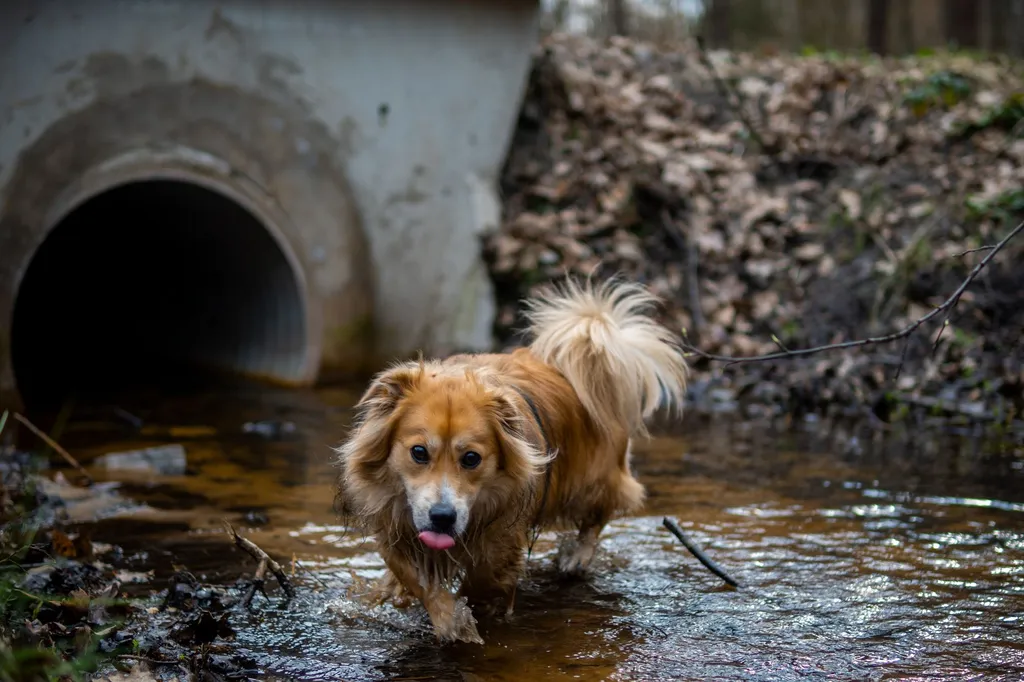
The Science-Backed Benefits of Canine Enrichment Activities
Mental Stimulation Through Natural Behaviors
My dogs—Luna (Golden Retriever), Max (Border Collie mix), and Bella (Beagle)—are completely different personalities, but they all light up during what I call our “rewilding sessions.” These aren’t wilderness survival courses; they’re structured activities that tap into instinctual dog behaviors.
Research-supported benefits include:
- Enhanced cognitive function: Novel scents and environments challenge the brain, potentially slowing cognitive decline in senior dogs
- Reduced anxiety and destructive behaviors: Dogs who engage in natural foraging and scent work show decreased stress markers
- Improved physical fitness: Exploration and tracking activities provide low-impact exercise that builds stamina
- Strengthened bond with owners: Cooperative scent games and outdoor adventures enhance the human-canine relationship
Proper Nutrition: What Dogs Actually Need
Let’s address the elephant in the room: diet. The “rewilding” movement often promotes raw meat feeding, but veterinary science tells a different story.
Essential nutrients every dog needs (regardless of diet type):
| Nutrient | Function | Sources in Balanced Diets |
|---|---|---|
| Protein | Builds/repairs muscles, tissues, organs; supports immune function | Chicken, beef, fish, eggs (cooked), legumes |
| Healthy Fats | Provides energy, supports brain function, maintains coat/skin health | Fish oil, flaxseed, chicken fat |
| Carbohydrates | Quick energy source, digestive fiber | Sweet potatoes, brown rice, oats |
| Vitamins | Immune support, bone health, metabolic function | Vegetables, fruits (safe varieties), fortified foods |
| Minerals | Bone/teeth strength, nerve conduction, muscle function | Calcium, phosphorus, zinc in balanced formulations |
According to the Association of American Feed Control Officials (AAFCO), any complete dog food should carry a “nutritional adequacy statement” confirming it meets these requirements through feeding trials or formulation standards.
The Real Risks of Raw Meat-Based “Rewilding” Diets
I’ll be honest: three years ago, I almost switched Luna to a raw diet after reading influencer posts about “ancestral nutrition.” Thank goodness I consulted our veterinarian first, who showed me the peer-reviewed research that changed my mind completely.
Bacterial Contamination: The Hidden Danger
Salmonella, E. coli, and Listeria don’t just threaten your dog—they threaten your entire household. When Max was a puppy, our neighbor’s dog contracted Salmonella from raw chicken. The whole family ended up sick because the bacteria spread through the dog’s saliva, feces, and even paw prints on kitchen floors.
According to the FDA and AVMA:
- Raw meat carries significantly higher bacterial loads than cooked meat
- Dogs can become asymptomatic carriers, shedding dangerous bacteria without showing illness
- Children, elderly family members, and immunocompromised individuals face the highest risk
- Standard cleaning methods often fail to eliminate these pathogens from surfaces
Parasites and Nutritional Imbalances
| Risk Factor | Potential Consequences | Source Documentation |
|---|---|---|
| Parasites | Toxoplasma, Trichinella, tapeworms from raw meat (especially wild game, pork, certain fish) | CDC, AVMA |
| Nutritional Deficiencies | Bone/teeth problems, skin issues, organ dysfunction from unbalanced homemade diets | Clinical Nutrition Service at Tufts University |
| Excess Nutrients | Hypervitaminosis, mineral toxicity, thyroid problems from excessive organ meat | PetMD, AVMA |
| Bone Hazards | Choking, esophageal obstruction, intestinal perforation, tooth fractures | American Animal Hospital Association |
The Avidin Problem and Other Lesser-Known Risks
Raw eggs—often featured in “natural” diets—contain avidin, an enzyme that blocks biotin (vitamin B7) absorption. When I learned this, I immediately stopped giving Bella raw egg treats. Now she gets cooked eggs, which are perfectly safe and protein-rich.
Additional documented risks:
- Antibiotic-resistant bacteria: Raw pet foods can harbor MRSA and other resistant strains
- Diet-induced hyperthyroidism: Excessive raw thyroid tissue (from neck meat) causes hormonal imbalances
- Cross-contamination: Raw feeding increases household contamination risks by 23x according to some studies
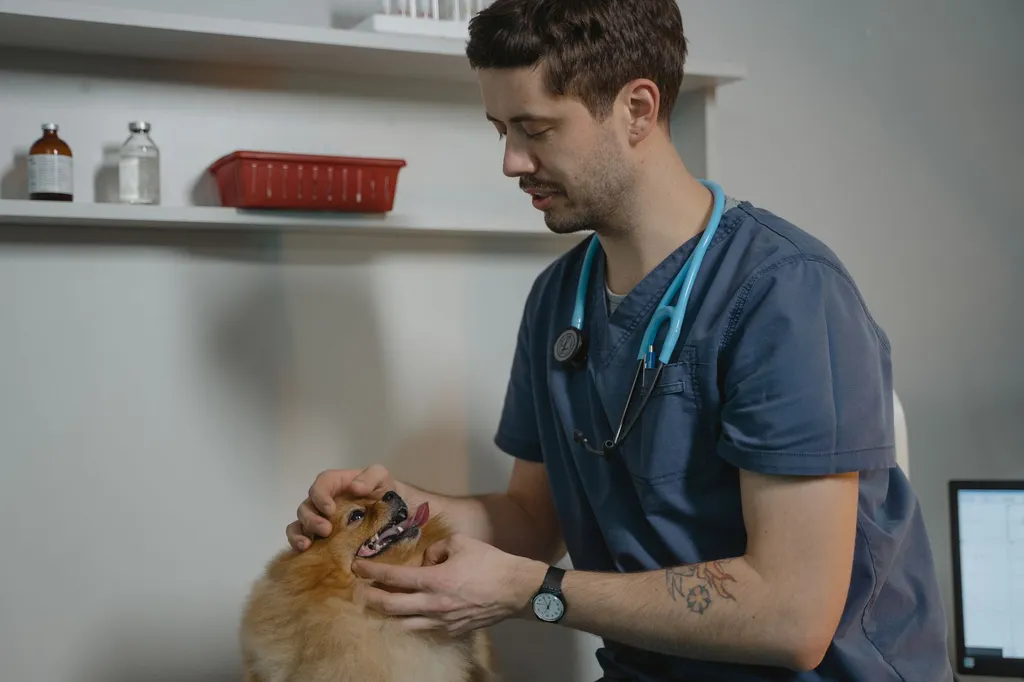
How to Safely Rewild Your Dog: The Enrichment Approach
Here’s where the magic happens—and it’s where I’ve seen the biggest positive changes in my pack’s behavior and happiness.
Step 1: Create Outdoor Scent Exploration Opportunities
Scent work is the single most rewarding activity I’ve introduced. Dogs experience the world primarily through their noses (they have up to 300 million olfactory receptors compared to our 6 million!).
Safe scent games:
- Trail walks with sniff breaks: Instead of power-walking, I let each dog spend 5-10 minutes investigating specific areas
- Scent treasure hunts: I hide treats in cardboard boxes, under leaves, or in crumpled paper around our yard
- Rotating walking routes: New paths = new scent stories that mentally tire dogs faster than physical exercise alone
Step 2: Introduce Foraging Activities for Dogs
In the wild, canines spend 60-80% of their waking hours searching for food. We can simulate this safely:
My favorite foraging setups:
- Snuffle mats: Hide kibble in fabric strips (Bella can occupy herself for 30 minutes with this)
- Puzzle feeders: Start simple and gradually increase difficulty
- Frozen enrichment: I freeze dog-safe broth, vegetables, and treats in Kongs for hot days
- Garden foraging: I planted a small “dog garden” with safe herbs (parsley, basil) that the dogs can investigate and occasionally nibble
Step 3: Allow Natural Dog Play Patterns
Instinctual behaviors I encourage safely:
- Digging zones: I designated one corner of our yard as a “dig pit” filled with sand
- Tug games: These satisfy predatory play instincts when done with rules (release on command)
- Chase activities: Flirt poles and fetch satisfy pursuit drives without reinforcing unwanted chasing behaviors
- Shredding sessions: I give the dogs empty cardboard boxes to tear apart (supervised to prevent ingestion)
Step 4: Social Enrichment with Other Dogs
Bella is my social butterfly, while Max is more selective. I’ve learned that controlled socialization matters more than quantity:
- Pack walks with trusted dog friends
- Parallel play at a distance for dogs still building confidence
- Sniff-and-greet sessions (not forced face-to-face interactions)
What About Natural, Minimally Processed Dog Foods?
This is where I’ve found the sweet spot for my pack. “Natural” dog food (different from raw feeding) uses whole, minimally processed ingredients in nutritionally complete formulations.
What to look for:
- AAFCO nutritional adequacy statement (non-negotiable)
- Named protein sources (e.g., “chicken” not “poultry by-product”)
- Minimal fillers (limited corn, wheat, soy)
- Added whole foods (blueberries, sweet potatoes, pumpkin)
- Appropriate fat content for your dog’s activity level
I transitioned my dogs to a high-quality kibble with dehydrated raw toppings (which undergo HPP—high-pressure pasteurization—to eliminate pathogens while preserving nutrients). Their coats are shinier, energy is stable, and I sleep soundly knowing they’re not shedding Salmonella in our home.
Dangerous Foods and Outdoor Hazards to Avoid
Even in “enriched” environments, certain substances pose serious risks. I learned this the hard way when Luna found wild mushrooms on a hike.
Toxic Foods Your Dog Should Never Eat
| Toxic Substance | Why It’s Dangerous | Symptoms to Watch For |
|---|---|---|
| Chocolate/Coffee | Methylxanthines cause cardiac and nervous system toxicity | Vomiting, hyperactivity, tremors, abnormal heart rhythm, seizures |
| Xylitol | Causes rapid insulin release and liver failure | Sudden weakness, vomiting, loss of coordination, seizures |
| Grapes/Raisins | Unknown toxin causes acute kidney failure | Vomiting, lethargy, decreased urination, abdominal pain |
| Onions/Garlic | Damage red blood cells, causing anemia | Weakness, pale gums, dark urine, lethargy |
| Macadamia Nuts | Neurotoxic effects | Weakness in hind legs, tremors, fever, vomiting |
| Avocado | Persin toxicity (plus choking hazard from pit) | Vomiting, diarrhea, abdominal discomfort |
| Alcohol | Extreme CNS depression | Disorientation, vomiting, breathing difficulties, coma |
Outdoor Rewilding Hazards
During our forest adventures, I stay vigilant for:
- Wild mushrooms (many species are deadly to dogs)
- Toxic plants (foxglove, oleander, sago palm, azaleas)
- Wildlife encounters (porcupines, skunks, snakes)
- Standing water (can harbor Giardia and Leptospirosis)
- Discarded human food (especially in picnic areas)
My safety protocol:
- All dogs wear GPS collars on wilderness hikes
- I carry a pet first-aid kit with emergency vet contact info
- We stick to trails where I can monitor what they’re investigating
- Regular vaccination updates (especially Leptospirosis for dogs who swim/drink from streams)
Creating a “Rewilding” Schedule That Works for Busy Families
One of my biggest challenges was finding time for enrichment with three dogs and a full-time remote job. Here’s the realistic schedule I developed:
Daily Enrichment (30-45 minutes total)
Morning (15 minutes):
- Scatter feeding breakfast in the yard (foraging activity)
- Quick scent walk around the block with minimal directional guidance
Afternoon (10 minutes):
- One puzzle feeder or snuffle mat session
- Indoor nose work game (find hidden treats)
Evening (15-20 minutes):
- Longer exploratory walk with designated sniff zones
- Rotating enrichment toys (new ones weekly)
Weekly Deep Enrichment (2-3 hours)
Weekend Adventure:
- Trail hike in a new location (novel scents = major mental stimulation)
- Social dog meetup at a local park
- DIY enrichment project (building cardboard box mazes, setting up backyard agility obstacles)
Monthly Experiences
- Visit to a dog-friendly beach or lake
- Professional nose work class or agility session
- New enrichment toys or rotation of “forgotten” toys from storage
FAQ: Common Questions About Rewilding Your Dog
Can rewilding help with my dog’s anxiety and destructive behaviors?
Absolutely—but through enrichment, not diet changes. When Max first joined our family, he had severe separation anxiety that manifested in destroyed furniture and constant barking. Within three weeks of implementing daily scent work and foraging games, his destructive behaviors decreased by about 70%.
According to animal behaviorists, mental stimulation tires dogs more effectively than physical exercise alone. A 20-minute nose work session can equal an hour-long run in terms of mental fatigue. The key is consistency: dogs need daily opportunities to use their natural instincts, not occasional “rewilding” experiences.
What worked for Max:
- Frozen Kong puzzles before I left for work
- Snuffle mat feeding (slows eating and provides mental challenge)
- Rotating interactive toys to maintain novelty
- Doggy daycare twice weekly for social enrichment
The critical point: none of these improvements came from changing his food. They came from honoring his instinctual needs in safe, controlled ways.
Is a raw food diet really dangerous, or are veterinarians just protecting the commercial pet food industry?
I understand this skepticism—I had it too when I first researched raw feeding. But after reviewing dozens of peer-reviewed studies and witnessing a neighbor’s Salmonella outbreak, the evidence is overwhelming and concerning.
Here are the facts from independent research:
- A 2019 study published in Vet Record found that 60% of raw dog food samples tested positive for harmful bacteria
- The CDC has documented multiple human illness outbreaks directly linked to raw pet food
- The American College of Veterinary Nutrition (an independent, non-profit organization) opposes raw feeding based on scientific evidence, not industry lobbying
- Even advocates for raw feeding acknowledge the bacterial risks but argue the benefits outweigh them—yet no large-scale studies prove these benefits exist
What about wolves eating raw meat? Wild wolves have significantly shorter lifespans (6-8 years) compared to domestic dogs (10-13+ years). They also frequently suffer from parasites, malnutrition, and foodborne illnesses—hardly a model for optimal health.
The veterinary consensus isn’t about protecting kibble companies; it’s about documented cases of sick dogs, hospitalized children, and preventable deaths.
What are the best natural enrichment activities for senior dogs or dogs with mobility issues?
This question hits close to home—Luna is 11 now, and her rewilding activities look very different than they did five years ago. Age-appropriate enrichment focuses on mental stimulation over physical demands.
Senior-friendly natural activities:
Low-Impact Scent Work:
- Short (5-10 minute) sniff walks at their pace
- Indoor scent trails using treats or essential oils (dog-safe only: anise, fennel)
- Sitting in the yard to observe birds, squirrels, and other wildlife (passive observation is enriching!)
Gentle Foraging:
- Snuffle mats and slow-feeder bowls (easier on joints than puzzle toys requiring manipulation)
- Hidden treats at ground level (no jumping or climbing required)
- Lick mats with dog-safe spreads (peanut butter, pumpkin puree, plain yogurt)
Sensory Enrichment:
- Bringing interesting outdoor items inside (leaves, sticks, pine cones) for supervised investigation
- Playing nature sounds or dog-specific relaxation music
- Gentle massage sessions that stimulate touch receptors
Social Connection:
- Parallel walks with calm dog friends
- Supervised visits with younger, gentle dogs (can reinvigorate interest in play)
- More human interaction time (senior dogs often prefer people companionship)
Luna can’t hike for miles anymore, but she still perks up during her morning scent routine and evening “sniff-about” in our neighborhood. Quality matters more than quantity for senior enrichment.
Can I combine commercial dog food with some natural “rewilding” principles?
Yes—this is actually the safest and most effective approach! This is exactly what I do for my pack, and it’s what most progressive veterinarians recommend.
My hybrid approach:
Base Nutrition (90%):
- High-quality, AAFCO-compliant commercial food (I use a grain-inclusive formula with named protein sources)
- Ensures complete and balanced nutrition with consistent quality control
Natural Additions (10%):
- Cooked proteins: Boiled chicken, turkey, or fish (no bones, skin, or seasoning)
- Safe vegetables: Steamed carrots, green beans, sweet potatoes
- Fruits: Blueberries, sliced apples (no seeds), watermelon
- Healthy extras: Plain pumpkin puree, plain yogurt, sardines in water
Feeding enrichment:
- Scatter feeding outdoors (kibble mixed with a few natural treats)
- Frozen broth cubes with embedded vegetables
- Rotational toppers to provide variety while maintaining nutritional balance
The 90/10 rule is crucial: Too many additions can unbalance carefully formulated commercial diets. I learned this when Max developed soft stools after I got too generous with vegetable toppers (oops!).
Always check with your vet before adding new foods, especially if your dog has allergies, sensitivities, or health conditions requiring prescription diets.
Final Thoughts: Rewilding With Wisdom, Not Trends
After three years of “rewilding” my pack through enrichment—not extreme dietary changes—I’ve watched my dogs become more confident, calmer, and genuinely happier. Luna’s tail wags harder during our scent walks than it ever did on our old power-walk routes. Max’s anxiety has diminished dramatically. Even food-obsessed Bella has learned to “work” for meals through foraging games, which has improved her impulse control.
The real secret to rewilding isn’t about making your dog “wild”—it’s about honoring their natural instincts within the safe, loving structure of modern life. You don’t need to feed raw meat to achieve this connection. You need time, creativity, and commitment to understanding what your individual dog truly needs.
When influencers tell you that commercial dog food is “unnatural” or that raw feeding is the only way to honor your dog’s ancestry, remember: wolves aren’t our pets, and our pets aren’t wolves. Thousands of years of domestication have created dogs with unique nutritional and social needs that differ significantly from their wild ancestors.
The best “rewilding” you can do for your dog:
- Provide daily opportunities for natural behaviors (sniffing, foraging, exploring)
- Feed a complete, balanced diet recommended by your veterinarian
- Prioritize safety over trends
- Build enrichment into your daily routine, not just special occasions
- Observe your individual dog’s preferences and adjust accordingly
Our dogs don’t need us to turn them into wolves. They need us to be informed, caring guardians who make decisions based on science, safety, and their individual wellbeing—not Instagram trends or marketing hype.
Start small. Try one new enrichment activity this week. Your dog (and your veterinarian) will thank you.