Senior Dog Incontinence: Causes & Care
Understanding and Managing Senior Dog Incontinence: A Comprehensive Guide
Senior dog incontinence can often be helped and managed effectively through appropriate veterinary care, medications, supplements, and thoughtful home interventions, significantly improving your dog’s comfort and quality of life. With the right combination of medical treatment and environmental modifications, most dogs experience substantial improvement in bladder control and overall well-being.
⚕️ VETERINARY DISCLAIMER
This article provides general educational information about canine incontinence and is not a substitute for professional veterinary advice, diagnosis, or treatment. Incontinence can indicate serious underlying health conditions including urinary tract infections, kidney disease, diabetes, neurological disorders, or tumors. Always consult your veterinarian before starting any treatment protocol, medication, or supplement regimen. Never restrict your dog’s water intake as an incontinence management strategy, as this can lead to life-threatening dehydration and kidney damage.
What Is Senior Dog Incontinence and Why Does It Happen?
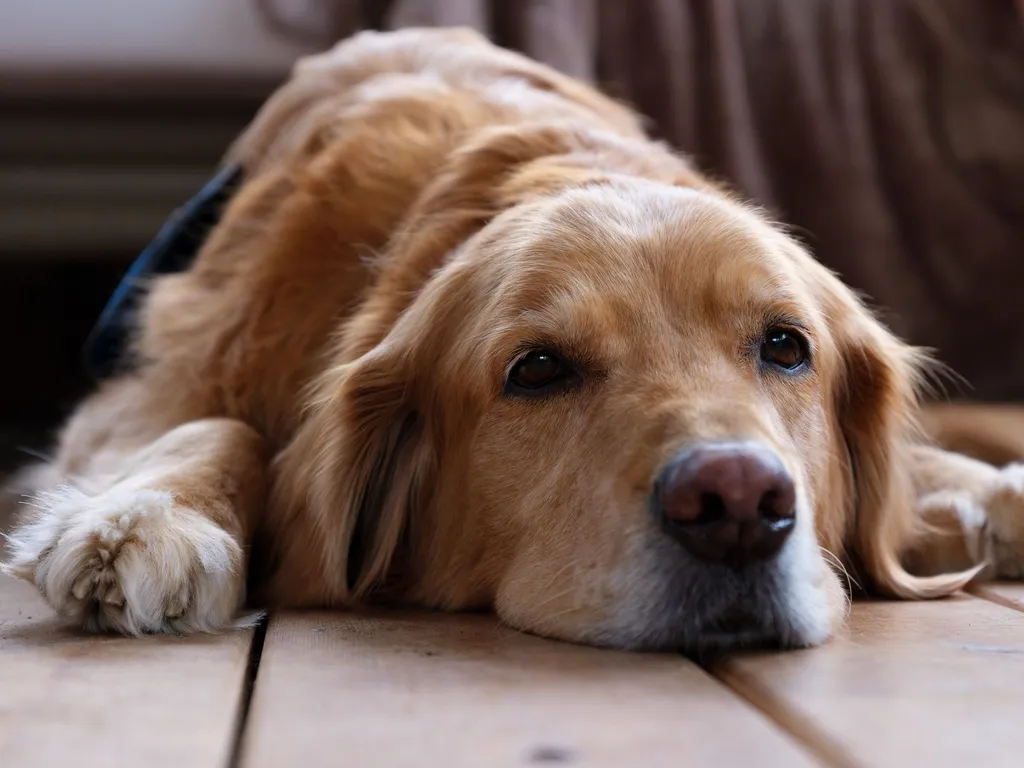
Urinary incontinence in senior dogs refers to the involuntary leakage of urine, typically occurring when a dog is resting or sleeping and completely unaware that urination is happening. This condition differs significantly from behavioral urination issues or housetraining lapses.
Common Causes of Dog Incontinence
According to PetMD, several factors contribute to incontinence in aging dogs:
Physiological Changes:
- Urethral Sphincter Mechanism Incompetence (USMI): The most common cause, particularly in spayed female dogs, where weakened sphincter muscles fail to maintain proper bladder closure
- Hormonal imbalances: Decreased estrogen in spayed females or testosterone in neutered males affects muscle tone in the urinary tract
- Age-related muscle weakness: Natural deterioration of pelvic floor muscles and urinary sphincter control
Medical Conditions:
- Urinary tract infections (UTIs)
- Bladder stones or crystals
- Kidney disease or kidney failure
- Diabetes mellitus
- Cushing’s disease (hyperadrenocorticism)
- Cognitive dysfunction syndrome (canine dementia)
- Neurological disorders affecting nerve signals to the bladder
- Spinal injuries or degenerative conditions
- Tumors or masses in the urinary tract
Anatomical Issues:
- Congenital abnormalities
- Ectopic ureters (more common in certain breeds)
How to Help Senior Dog with Incontinence: Essential First Steps
The foundation of effective incontinence management begins with proper diagnosis and veterinary guidance. Home remedies for dog incontinence should always complement, not replace, professional medical evaluation.
Step 1: Veterinary Consultation and Diagnosis
Schedule a comprehensive veterinary examination that typically includes:
- Complete physical examination to assess overall health and identify obvious abnormalities
- Urinalysis to detect infections, crystals, blood, or abnormal protein levels
- Urine culture to identify specific bacterial infections requiring targeted antibiotic therapy
- Blood work (complete blood count and chemistry panel) to evaluate kidney function, liver health, blood sugar levels, and hormone imbalances
- Imaging studies such as X-rays or ultrasound to visualize the bladder, kidneys, and urinary tract structures
- Neurological assessment if spinal or nerve issues are suspected
Your veterinarian will determine whether the incontinence stems from a treatable condition like a UTI or represents a chronic management situation requiring long-term intervention.
Step 2: Understanding Treatment Options
Once diagnosed, several evidence-based treatment approaches can significantly improve bladder control:
Medical Treatments and Medication for Dog Incontinence
Veterinary pharmaceuticals form the cornerstone of incontinence management for many senior dogs, with proven efficacy when properly administered under professional supervision.
Phenylpropanolamine (PPA/Proin)
Phenylpropanolamine represents the most commonly prescribed medication for urethral sphincter mechanism incompetence. This alpha-adrenergic agonist works by increasing muscle tone in the urinary sphincter, improving its ability to maintain closure.
Effectiveness: According to Pawlicy research, PPA demonstrates success rates of 75-90% in managing incontinence caused by sphincter weakness.
Administration Considerations:
- Typically given twice daily with or without food
- Dosage adjusted based on dog’s weight and response
- Available in immediate-release and extended-release formulations
Potential Side Effects:
- Common: Hyperactivity, restlessness, irritation, vomiting, diarrhea, increased thirst, decreased appetite
- Cardiovascular: Hypertension (high blood pressure), pale gums, abnormal heart rhythms
- Serious (rare): Seizures, sudden collapse, congestive heart failure, enlarged heart ventricles
Contraindications: Use with extreme caution or avoid in dogs with:
- Pre-existing heart disease
- Glaucoma
- Enlarged prostate
- Hyperthyroidism
- Diabetes mellitus
- Cushing’s disease
- Liver or kidney disease
Hormone Replacement Therapy
Hormonal treatments address incontinence stemming from hormone deficiency following spaying or neutering.
Estrogen Therapy (for female dogs):
| Medication | Mechanism | Typical Dosing | Key Considerations |
|---|---|---|---|
| Diethylstilbestrol (DES) | Synthetic estrogen increases urethral tone | Initially daily, then maintenance doses 1-2x weekly | Risk of bone marrow suppression; requires blood monitoring |
| Estriol (Incurin) | Natural estrogen with lower systemic effects | Daily administration | Generally safer profile than DES |
Potential Adverse Effects of Estrogen Therapy:
- Life-threatening: Bone marrow suppression leading to aplastic anemia (requires immediate discontinuation)
- Common: Anorexia, vomiting, increased thirst, anxiety, aggression, lethargy
- Reproductive system: Swollen vulva, estrus-like behavior, sexual attractiveness to male dogs, cystic ovarian changes
- Other: Hair loss (alopecia), hypersalivation, cystic endometrial hyperplasia
Most estrogenic side effects resolve with dosage reduction under veterinary guidance.
Testosterone Therapy (for male dogs):
- Less commonly used
- May benefit neutered male dogs with hormone-responsive incontinence
- Requires careful monitoring for behavioral changes and prostatic effects
Other Pharmaceutical Options
Imipramine: A tricyclic antidepressant with anticholinergic properties that can increase bladder capacity and improve sphincter tone in select cases.
Duloxetine: A serotonin-norepinephrine reuptake inhibitor showing promise in recent veterinary studies for USMI.
Natural Support and Supplements for Urinary Health
While not standalone cures, specific supplements can support urinary tract health and complement medical treatments when managing senior dog accidents.
Bladder and Urinary Tract Support Supplements
Formulations containing the following ingredients have demonstrated supportive benefits:
Key Botanical Ingredients:
- Cranberry Extract: Contains proanthocyanidins that prevent bacterial adhesion to bladder walls, potentially reducing UTI frequency
- Pumpkin Seed: Supports healthy bladder muscle tone and may improve urinary control
- Rehmannia: Traditional Chinese medicine herb supporting kidney and urinary function
- Wild Yam: Contains compounds supporting smooth muscle function
- Bee Pollen: Provides nutritional support with anti-inflammatory properties
Essential Nutrients:
- Vitamin C: Acidifies urine (within healthy parameters) and supports immune function, potentially reducing infection risk
Important Supplement Guidelines:
- Always consult your veterinarian before introducing any supplement
- Supplements should complement, not replace, prescribed medications
- Quality varies significantly between manufacturers; choose veterinary-recommended brands
- Monitor for any adverse reactions or interactions with medications
- Results typically require 4-6 weeks of consistent use
Alternative Therapies
Acupuncture: Multiple veterinary studies suggest acupuncture can improve bladder control by stimulating specific points associated with urinary function and pelvic nerve health. Regular sessions (typically weekly initially, then maintenance) may benefit dogs, particularly those with neurological components to their incontinence.
Herbal Medicine: Traditional Chinese veterinary medicine and Western herbal approaches offer additional options under guidance from a veterinarian certified in these modalities. Herbal formulas are individualized based on the specific pattern of imbalance identified.
Environmental Management: Creating an Incontinence-Friendly Home
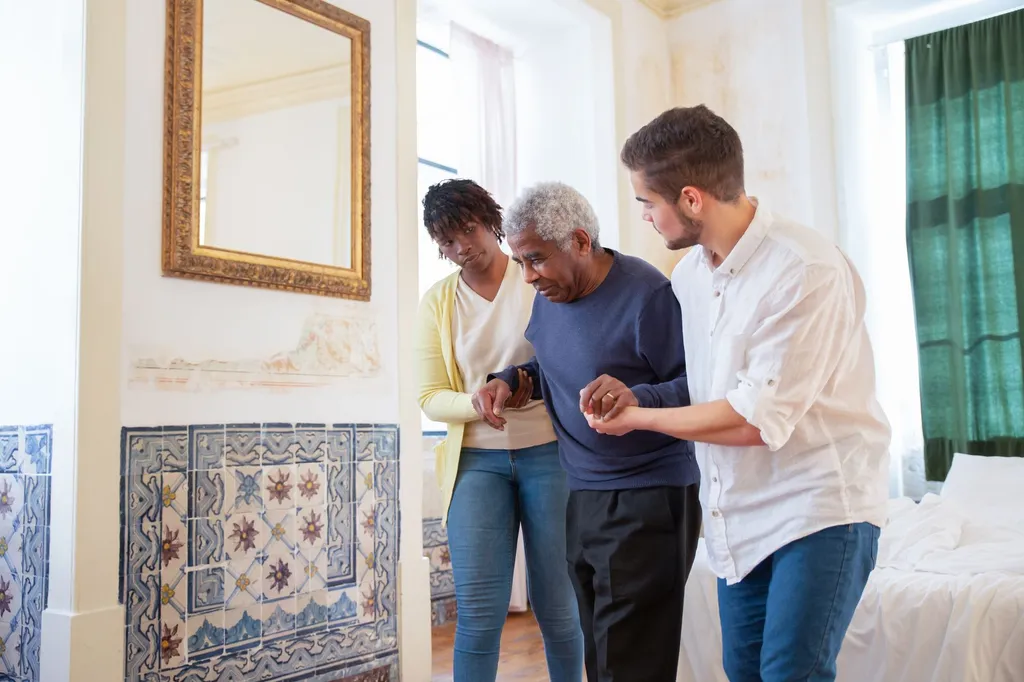
Practical home modifications significantly improve quality of life for both incontinent dogs and their caregivers, reducing stress and maintaining the human-animal bond.
Establishing Frequent Potty Break Schedules
Optimal Bathroom Schedule:
- First thing in morning: Immediately upon waking, before breakfast
- After meals: Within 15-30 minutes of eating (utilize gastrocolic reflex)
- Regular intervals: Every 2-4 hours during daytime, adjusted based on individual needs
- Before bedtime: Final opportunity right before sleep
- Overnight considerations: Senior dogs may need one nighttime break; consider installing doggy door or using indoor potty area
Positive Reinforcement: Always reward successful outdoor urination with praise and treats, reinforcing desired behavior and reducing your dog’s anxiety about accidents.
Dog Diapers for Incontinence and Protective Products
Containment products serve as essential management tools, protecting home surfaces while maintaining your dog’s dignity.
Product Options:
| Product Type | Best For | Key Features | Considerations |
|---|---|---|---|
| Disposable Diapers | Convenience, travel, heavy leakage | Absorbent core, leak-proof backing, tail hole | Ongoing cost, environmental impact |
| Washable/Reusable Diapers | Cost-effectiveness, sustainability | Multiple layers, adjustable fit, various absorbency levels | Requires regular laundering, upfront investment |
| Belly Bands (Male Dogs) | Male dogs with minor leakage | Wraps around midsection, covers prepuce | Simpler than full diaper, less coverage |
| Absorbent Pads | Indoor use, bedding protection | Waterproof backing, disposable or washable | Stationary protection for rest areas |
Proper Diaper Use:
- Size correctly: Measure your dog according to manufacturer guidelines; improper fit causes leaks and discomfort
- Change frequently: Replace diapers every 3-4 hours minimum, or immediately when wet, to prevent urine scalding
- Check skin regularly: Inspect for redness, irritation, or infection signs during each change
- Apply barrier creams: Use veterinary-approved moisture barrier products to protect skin
- Allow diaper-free time: Provide periods without diapers when supervised to allow skin to breathe
- Never use as substitute: Diapers supplement, rather than replace, regular potty breaks
Protecting Your Home Environment
Bedding Solutions:
- Waterproof mattress covers: Protect dog beds and any furniture where your dog rests
- Washable absorbent pads: Layer multiple pads for easy removal and cleaning
- Elevated cots with easy-clean surfaces: Mesh or plastic surfaces dry quickly and resist odor absorption
- Multiple bed locations: Provide several comfortable, protected rest areas throughout your home
Flooring Considerations:
- Waterproof mats or runners: Place in high-traffic areas and near sleeping spots
- Easy-clean flooring: Tile, vinyl, or sealed hardwood simplify accident cleanup compared to carpet
- Area rugs (washable): Use machine-washable rugs that can be cleaned regularly
- Enzymatic cleaners: Keep specialized pet urine neutralizers on hand for immediate accident treatment
Hygiene and Skin Care
Maintaining cleanliness prevents secondary health complications that can arise from urine exposure.
Daily Hygiene Routine:
-
Gentle cleaning: After each significant leakage episode, clean hindquarters and belly with:
- Warm water and mild, pH-balanced pet shampoo
- Unscented pet-safe wipes (avoiding harsh chemicals)
- Waterless shampoo for quick spot-cleaning between baths
-
Thorough drying: Pat completely dry with absorbent towels, as moisture exacerbates skin problems
-
Sanitary trimming: Consider trimming hair around genitals and inner thighs to reduce urine retention and simplify cleaning
-
Barrier protection: Apply veterinary-recommended moisture barrier creams or ointments to vulnerable skin areas
Warning Signs Requiring Veterinary Attention:
- Red, inflamed, or painful skin (urine scalding)
- Open sores or ulcerations
- Foul odor suggesting bacterial infection
- Excessive licking or biting at affected areas
- Crusting, scaling, or oozing lesions
Supporting Mobility to Improve Bathroom Access
Physical limitations often compound incontinence issues when senior dogs cannot reach outdoor potty areas quickly enough.
Mobility Aids and Modifications
Indoor Environment:
- Non-slip flooring: Apply adhesive grips, runner carpets, or yoga mats to slippery surfaces
- Ramps: Install gentle-incline ramps to eliminate stairs between indoor spaces and yard access
- Raised food and water bowls: Reduce strain on arthritic joints during drinking (but never restrict water access)
- Night lights: Illuminate pathways for nighttime bathroom trips, especially for dogs with declining vision
Outdoor Access:
- Close-proximity potty area: Designate a bathroom spot very near the door for emergencies
- Indoor potty alternatives: Provide pee pads or artificial grass patches for dogs unable to navigate stairs or with severe mobility limitations
- Assistance harnesses: Use rear-support harnesses or slings to help dogs stand and walk to bathroom areas
Physical Support:
- Pain management: Ensure arthritis and joint pain receive adequate veterinary treatment (NSAIDs, adequan, gabapentin, etc.)
- Physical therapy: Professional canine rehabilitation may improve strength and mobility
- Moderate exercise: Maintain appropriate activity levels to preserve muscle tone supporting bladder control
The Risks of Unmanaged Incontinence
Failing to address incontinence properly creates serious health consequences extending beyond the initial problem.
Health Complications
Skin and Infection Risks:
- Urine scalding: Prolonged urine contact burns skin, creating painful lesions that are slow to heal in senior dogs
- Secondary bacterial infections: Damaged skin becomes portal for bacterial invasion, requiring antibiotic treatment
- Urinary tract infections (UTIs): Bacteria from skin can ascend the urethra, especially in dogs sitting in urine-soaked bedding
- Yeast infections: Warm, moist environments favor fungal overgrowth in skin folds
Quality of Life Impact:
- Chronic discomfort: Wet fur, irritated skin, and urinary burning cause persistent distress
- Anxiety and stress: Dogs may develop anxiety about accidents, damaging the human-animal bond
- Social isolation: Owners may limit dog’s access to living spaces or avoid interactions due to accidents
- Sleep disruption: Both dogs and owners experience interrupted sleep from nighttime leakage
Dangers of Misdiagnosis
Assuming incontinence represents normal aging without veterinary investigation risks missing serious underlying conditions:
Potentially Missed Diagnoses:
- Urinary tract infections: Untreated UTIs can progress to kidney infections (pyelonephritis)
- Bladder stones: May cause urethral obstruction, a life-threatening emergency
- Kidney disease: Early intervention slows progression and improves outcomes
- Diabetes mellitus: Requires specific management to prevent diabetic ketoacidosis
- Cushing’s disease: Progressive condition affecting multiple body systems
- Tumors: Early cancer detection significantly improves treatment success
- Neurological disorders: May indicate intervertebral disc disease or other spinal conditions requiring immediate intervention
Never attempt to manage incontinence by restricting water intake. This dangerous practice leads to dehydration, kidney damage, urinary tract infections, and potentially life-threatening complications. Dogs must always have free access to fresh water.
Comprehensive Benefits of Proper Incontinence Management
Implementing appropriate treatment protocols and environmental modifications creates multiple positive outcomes:
Physical Health Benefits
Direct Urinary System Improvements:
- Improved bladder control with reduced involuntary leakage frequency and volume
- Strengthened urinary sphincter muscle tone
- Normalized bladder capacity and emptying efficiency
- Reduced occurrence of urinary tract infections through better hygiene and possible cranberry supplementation
- Prevention of bladder distension and secondary complications
Skin and Comfort Benefits:
- Enhanced hygiene preventing urine scalding and painful skin irritation
- Elimination of bacterial and fungal skin infections
- Improved comfort during rest and sleep
- Reduced itching and inflammation
Psychological and Behavioral Benefits
For Your Dog:
- Restored confidence and reduction in anxiety related to uncontrollable accidents
- Improved sleep quality without waking in wet bedding
- Maintained dignity and normal household integration
- Reduced stress hormones associated with chronic discomfort
For Pet Parents:
- Strengthened human-animal bond through compassionate care rather than frustration
- Reduced anxiety about home damage or odor issues
- Improved household harmony and reduced cleaning burden
- Peace of mind knowing underlying health issues are addressed
- Greater enjoyment of senior years with beloved companion
Long-term Quality of Life
Properly managed incontinence allows senior dogs to maintain their place as valued family members, enjoying comfortable golden years rather than experiencing declining quality of life or premature euthanasia considerations based solely on a manageable condition.
Frequently Asked Questions About Senior Dog Incontinence
Can senior dog incontinence be cured completely?
The outcome depends entirely on the underlying cause. Incontinence caused by treatable conditions like urinary tract infections, bladder stones, or certain medications can often be completely resolved once the root problem is addressed. However, incontinence resulting from age-related muscle weakness, hormonal deficiency following spaying/neutering, or chronic conditions like cognitive dysfunction typically requires ongoing management rather than outright cure.
That said, “management” doesn’t mean accepting constant accidents. With appropriate medication (phenylpropanolamine achieving 75-90% improvement rates), hormone therapy where indicated, environmental modifications, and consistent care routines, the vast majority of dogs experience dramatic improvement in bladder control. Many dogs regain nearly normal function, with only occasional minor leakage, while others require continued support through diapers and frequent potty breaks but maintain excellent quality of life. The key is working closely with your veterinarian to find the right combination of interventions for your individual dog’s situation.
How long does it take for incontinence medications to work in dogs?
Timeline varies by medication type and individual response. Phenylpropanolamine (PPA/Proin) typically demonstrates noticeable improvement within 3-7 days of starting treatment, with some dogs showing benefits within 24-48 hours. Your veterinarian may adjust the dosage if initial improvement is insufficient, with full therapeutic effect sometimes requiring 2-3 weeks of optimization.
Hormone replacement therapy generally requires a longer timeframe. Estrogen medications like diethylstilbestrol (DES) or estriol often need 2-4 weeks before showing significant improvement, as hormones must gradually rebuild tissue responsiveness and muscle tone in the urinary tract. Initial dosing is typically daily for the first 1-2 weeks, then transitioned to maintenance schedules once control improves.
Supplements supporting urinary tract health work even more gradually, typically requiring 4-6 weeks of consistent use before measurable benefits appear. These products support rather than directly treat incontinence and work best as complementary therapies alongside primary medical treatments. If you notice no improvement after appropriate timeframes, contact your veterinarian to reassess the treatment plan rather than assuming the condition is unmanageable.
Should I use human diapers or dog-specific products for my incontinent dog?
While human diapers may seem like a cost-effective alternative, dog-specific incontinence products are strongly recommended for several important reasons. Dogs have fundamentally different anatomy than human infants, including tail placement requiring a cutout, different body proportions, and varying leg shapes that human diapers don’t accommodate. Modified human diapers (cutting tail holes) compromise the waterproof barrier, leading to leaks that defeat the product’s purpose.
Dog diapers for incontinence are specifically engineered with strategically placed absorbent zones corresponding to canine anatomy—centered differently for males versus females. They feature secure tail holes that maintain leak protection, adjustable fasteners accommodating varying body shapes, and materials designed to withstand a dog’s movement patterns and potential chewing. Many include wetness indicators and fur-friendly fasteners that don’t pull hair.
Additionally, properly fitted dog diapers are less likely to cause chafing or restrict movement compared to adapted human products. While quality dog-specific diapers represent a higher upfront investment, they provide superior leak protection, better fit reducing the frequency of changes, and greater durability (particularly washable/reusable options), ultimately offering better value and significantly improved comfort for your dog. Consider this an essential care product rather than an optional luxury—your senior dog’s comfort and skin health depend on appropriate protective products.
Is incontinence a reason to consider euthanasia for a senior dog?
Incontinence alone, when properly managed, is absolutely not a justification for euthanasia in an otherwise healthy, happy senior dog. This condition, while requiring dedication and lifestyle adjustments, is highly manageable with modern veterinary medicine, appropriate medications, environmental modifications, and committed care. Thousands of dogs live comfortable, joyful years with well-controlled incontinence.
However, incontinence should prompt serious quality-of-life considerations when it occurs alongside other factors: unmanageable pain despite maximum medical intervention, complete loss of interest in previously enjoyed activities, inability to stand or move without severe distress, refusal to eat or drink, significant cognitive decline creating constant confusion and anxiety, or multiple organ system failures. In these complex situations, incontinence becomes one component of a broader decline rather than the sole consideration.
If you’re feeling overwhelmed by incontinence management, first exhaust all management options including consultation with veterinary specialists, adjusting medication protocols, improving environmental modifications, and seeking support from pet care professionals who can assist with daily care routines. Many owners who initially felt hopeless about incontinence discover that with proper resources and support, management becomes routine and their dog enjoys many more quality months or years.
The question shouldn’t be “Can I manage incontinence?” but rather “Does my dog still have good quality of life overall?” A dog who greets you happily, enjoys meals, shows interest in activities (even if modified for age), and experiences more good days than bad days is clearly finding value in life despite incontinence. When that balance shifts—when suffering outweighs joy despite maximum medical support—then compassionate end-of-life discussions become appropriate, but incontinence management itself rarely reaches that threshold.
Conclusion: Embracing the Golden Years With Compassionate Care
Senior dog incontinence, while initially overwhelming for many pet parents, represents a manageable condition rather than an insurmountable crisis. The combination of veterinary diagnosis identifying underlying causes, appropriate medical treatments ranging from medications to supplements, thoughtful environmental modifications protecting both dog and home, and consistent compassionate care routines allows the vast majority of incontinent senior dogs to maintain excellent quality of life.
The key to successful management lies in prompt veterinary consultation rather than assuming incontinence is simply “normal aging,” commitment to recommended treatment protocols even when requiring trial-and-error adjustments, investment in appropriate containment and protective products, establishment of consistent routines providing frequent bathroom opportunities, and most importantly, maintaining patience and compassion as your loyal companion navigates these challenges.
Your senior dog has spent years providing unconditional love, comfort, and companionship. Managing incontinence represents an opportunity to return that devotion during their golden years, ensuring they remain comfortable, dignified, and secure in their place as a cherished family member. With proper support, both medical and emotional, these years can still be filled with joy, connection, and precious moments together.