Spot Dog Dementia: Symptoms & Care Tips

Dogs can develop dementia, medically known as Canine Cognitive Dysfunction Syndrome (CCDS), a progressive neurodegenerative disorder similar to Alzheimer’s disease in humans that affects their behavior, memory, and cognitive abilities. Recognizing the symptoms early and implementing appropriate interventions—including specialized diets, supplements, environmental modifications, and veterinary-prescribed medications—can significantly improve quality of life and slow cognitive decline in affected dogs.
Veterinary Disclaimer: This article provides educational information about canine cognitive dysfunction and is not a substitute for professional veterinary advice, diagnosis, or treatment. Always consult with a licensed veterinarian before making changes to your dog’s diet, starting supplements, or administering medications. Each dog’s health status is unique, and treatments must be tailored to individual needs under veterinary supervision.
Understanding Canine Cognitive Dysfunction Syndrome
Canine Cognitive Dysfunction Syndrome (CCDS), commonly referred to as dog dementia, represents a significant health concern for aging dogs. According to the American Kennel Club (AKC), this neurodegenerative disorder mirrors many characteristics of Alzheimer’s disease in humans, affecting approximately 14-35% of senior dogs, with prevalence increasing dramatically in dogs over 11 years of age.
The condition involves progressive deterioration of brain function caused by accumulated oxidative damage, decreased neurotransmitter levels (particularly dopamine), protein buildup (beta-amyloid plaques), and reduced blood flow to brain tissue. Unlike normal aging, which may involve some slowing down, CCDS causes marked behavioral changes that interfere with daily life and the human-animal bond.
The Progressive Nature of Dog Dementia
CCDS typically develops gradually over months to years, making early detection challenging but crucial. The brain changes associated with this condition are irreversible, though interventions can slow progression and manage symptoms effectively. PetMD notes that while there is no cure for canine cognitive dysfunction, comprehensive management strategies can maintain quality of life for extended periods.

Symptoms of Dog Dementia and How to Help: Recognizing the Warning Signs
The clinical presentation of canine cognitive dysfunction follows a pattern veterinarians remember using the acronym DISHAA:
Disorientation and Confusion
Senior dog confusion manifests in various ways that differ markedly from normal aging:
- Getting lost in familiar environments: Dogs may wander into corners, get stuck behind furniture, or fail to recognize their own home or yard
- Staring blankly at walls or into space: Prolonged periods of apparent vacancy or confusion
- Difficulty navigating: Struggling with stairs, doorways, or obstacles they previously managed easily
- Failing to recognize family members: Not responding to familiar people or seeming uncertain about who they are
- Going to the wrong side of doors: Standing at the hinge side rather than the opening side
Interactions (Social Behavior Changes)
Changes in how dogs relate to their human family and other pets often signal cognitive decline:
- Decreased interest in petting or affection: Previously affectionate dogs may withdraw or seem indifferent
- Reduced greeting behavior: Less enthusiasm when owners return home
- Increased irritability or aggression: Unusual snapping, growling, or defensive behavior
- Withdrawal from family activities: Avoiding interaction or seeking isolation
- Changed responses to other pets: Either increased conflict or complete disinterest
Sleep-Wake Cycle Disturbances
Dog sundowning syndrome represents one of the most challenging aspects of canine dementia:
- Nighttime restlessness and wandering: Pacing, whining, or barking during hours they previously slept
- Reversed day-night schedule: Sleeping excessively during daylight hours but remaining active at night
- Increased vocalization at night: Barking, howling, or whimpering without apparent cause
- Old dog anxiety at night: Signs of agitation, confusion, or distress when darkness falls
House Soiling (Elimination Changes)
Previously house-trained dogs may experience:
- Indoor accidents: Urinating or defecating in inappropriate locations without medical cause
- Forgetting to signal: No longer asking to go outside
- Eliminating in unusual places: Such as their sleeping area or food bowls
- Loss of awareness: Seeming not to notice they’ve eliminated
Activity Level Changes
Alterations in normal behavioral patterns include:
- Decreased exploration and curiosity: Less interest in surroundings, toys, or novel experiences
- Aimless wandering or pacing: Repetitive movements without clear purpose
- Reduced response to stimuli: Failing to react to doorbells, visitors, or previously exciting events
- Changes in appetite: Either decreased interest in food or forgetting they’ve already eaten
Anxiety and Learning/Memory Deficits
Cognitive impairment manifests through:
- Increased anxiety or fearfulness: Especially in new situations or without explanation
- Failure to recognize previously learned commands: Not responding to basic obedience cues
- Inability to learn new tasks: Even simple behaviors become difficult to acquire
- Confusion about routines: Forgetting feeding times, walk schedules, or household patterns
| Symptom Category | Mild Stage | Moderate Stage | Severe Stage |
|---|---|---|---|
| Disorientation | Occasional confusion | Frequent wandering, getting lost | Complete spatial confusion, unable to navigate |
| Sleep Cycle | Minor nighttime restlessness | Reversed day-night pattern | Severe sundowning, constant nighttime activity |
| House Training | Rare accidents | Regular indoor elimination | Complete loss of house training |
| Recognition | Slight delay recognizing people | Inconsistent recognition of family | No recognition of household members |
| Activity | Reduced playfulness | Aimless wandering | Minimal purposeful movement |
Comprehensive Diagnostic Approach
Veterinary Evaluation Process
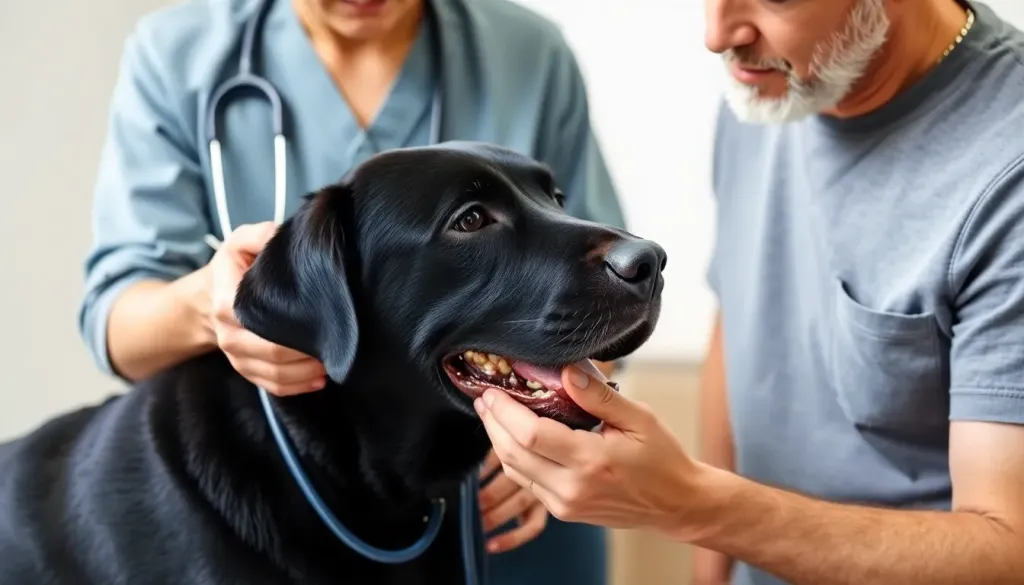
Diagnosis of canine cognitive dysfunction requires ruling out other medical conditions that can mimic dementia symptoms. According to the AKC Canine Health Foundation, a thorough diagnostic workup should include:
Physical and Neurological Examination: Complete assessment to identify pain, sensory deficits (vision/hearing loss), or mobility issues that might explain behavioral changes.
Laboratory Testing:
- Complete blood count (CBC)
- Blood chemistry panel
- Thyroid function tests
- Urinalysis
- Additional testing as indicated (blood pressure, specialized hormone panels)
Advanced Imaging (when indicated):
- Brain MRI or CT scan to rule out tumors, strokes, or structural abnormalities
- Assessment for conditions like brain tumors, inflammatory diseases, or vascular events
Behavioral History: Detailed documentation of symptom onset, progression, and specific behavior changes helps differentiate CCDS from other conditions.
Differential Diagnoses to Exclude
Before confirming canine cognitive dysfunction, veterinarians must rule out:
- Pain conditions (arthritis, dental disease, cancer)
- Sensory loss (blindness, deafness)
- Endocrine disorders (hypothyroidism, Cushing’s disease, diabetes)
- Kidney or liver disease
- Urinary tract infections or incontinence
- Brain tumors or strokes
- Medication side effects
Evidence-Based Treatment Strategies
Pharmaceutical Interventions
Selegiline (Anipryl®): The only FDA-approved medication specifically for canine cognitive dysfunction in the United States.
- Mechanism: Selective MAO-B inhibitor that increases dopamine levels in the brain by preventing its breakdown
- Benefits: According to PetMD, selegiline can improve awareness, activity levels, and reduce some dementia-related behaviors
- Administration: Typically given once daily in the morning
- Important contraindications: Cannot be combined with certain medications including trazodone, Proin (phenylpropanolamine), fluoxetine, or tramadol due to potentially dangerous interactions
- Effectiveness: Studies show approximately 60-70% of dogs show some improvement, though response varies individually
Other Medications for Symptom Management:
- Melatonin: Helps regulate sleep-wake cycles and reduce nighttime anxiety
- Anti-anxiety medications: Prescribed for severe anxiety or agitation
- Pain management: Addressing underlying discomfort that may worsen symptoms
Specialized Therapeutic Diets
Veterinary prescription diets formulated specifically for cognitive health offer comprehensive nutritional support:
Hill’s Prescription Diet® b/d® and Cognitive + Mobility Brain Care j/d®:
- Enriched with antioxidants (Vitamins E and C, selenium) to combat oxidative stress
- Contains medium-chain triglycerides (MCTs) that provide ketones as alternative brain fuel
- Includes omega-3 fatty acids (DHA and EPA) for brain health
- Formulated with L-carnitine and alpha-lipoic acid as mitochondrial cofactors
Purina Pro Plan® Veterinary Diets NC NeuroCare®:
- High levels of MCTs (6.5%) for enhanced brain energy metabolism
- Antioxidant blend including Vitamins E and C
- DHA from fish oil for neurological support
- B vitamins supporting neurological function
These diets should be introduced gradually and used under veterinary guidance, as they’re specifically formulated based on research demonstrating improved cognitive function, learning ability, and memory in dogs with CCDS.
Supplement Protocols
Omega-3 Fatty Acids (DHA and EPA):
- Benefits: Support brain cell membrane integrity, reduce neuroinflammation, improve cognitive function
- Sources: High-quality fish oil supplements formulated for dogs
- Dosing considerations: Must be veterinarian-guided; higher doses can increase bleeding tendency and may interact with anticoagulants or NSAIDs
- Quality matters: Use products verified for purity and appropriate EPA/DHA ratios
Medium-Chain Triglycerides (MCTs):
- Mechanism: Converted to ketones that provide alternative energy for aging brains experiencing glucose metabolism impairment
- Benefits: According to the AKC, MCTs improve cognitive function, memory, and overall brain health
- Introduction: Must be added slowly to diet to prevent gastrointestinal upset
- Available forms: Coconut oil, MCT oil supplements, or incorporated in therapeutic diets
S-Adenosylmethionine (SAMe):
- Function: Powerful free radical scavenger and methylation supporter
- Benefits: Improves awareness, activity levels, and may reduce cognitive decline
- Precaution: The AKC Canine Health Foundation notes SAMe should be used cautiously with drugs that increase serotonin levels
- Administration: Best absorbed on an empty stomach
Phosphatidylserine:
- Role: Essential component of neuronal membranes; promotes neurotransmitter release
- Additional benefits: May reduce cortisol levels, improving stress response
- Research support: Studies demonstrate improvements in learning and spatial attention
Antioxidant Combinations:
| Supplement | Primary Function | Key Benefits for CCDS |
|---|---|---|
| Vitamin E | Lipid-soluble antioxidant | Clears oxidants, improves cognitive function |
| Vitamin C | Water-soluble antioxidant | Clears oxidants, supports immune function |
| Alpha-lipoic acid | Mitochondrial cofactor | Reduces oxidants, supports energy production |
| L-carnitine | Mitochondrial cofactor | Supports mitochondrial health, antioxidant properties |
| Selenium | Mineral cofactor | Component of antioxidant enzyme systems |
| Ginkgo biloba | Herbal antioxidant | Improves blood flow, antioxidant properties |
Emerging Supplements:
- Apoaequorin: May reduce dementia-related signs (found in some commercial supplements)
- Coenzyme Q10: Supports mitochondrial function and may reduce cognitive decline symptoms
Critical Supplement Safety Information
Multivitamin Precautions: Some cognitive health supplements contain added calcium, phosphorus, and potassium that may not be appropriate for dogs with kidney disease, heart conditions, or other medical issues. Always veterinary approval is essential before starting any supplement regimen.
Medication Interactions: The AKC emphasizes that omega-3 fatty acids, SAMe, and other supplements can interact with prescription medications. Complete disclosure of all supplements to your veterinarian ensures safe, effective treatment.
Quality and Sourcing: Use veterinary-grade supplements from reputable manufacturers that provide certificates of analysis and are specifically formulated for canine use.
Environmental Modifications and Behavioral Support
Creating a Dementia-Friendly Home Environment
Physical Space Adaptations:
- Minimize obstacles: Remove unnecessary furniture or items that could confuse or trap a disoriented dog
- Block off hazardous areas: Use baby gates to prevent access to stairs, pools, or other dangerous spaces
- Increase lighting: Particularly important for evening hours to reduce sundowning symptoms
- Non-slip surfaces: Rugs or mats provide secure footing for dogs with mobility or spatial awareness issues
- Accessible resources: Place food, water, and comfortable bedding in easily found locations
Routine and Predictability:
- Maintain consistent schedules: Feed, walk, and sleep at the same times daily
- Minimize household changes: Avoid moving furniture or changing layouts that might confuse your dog
- Gentle reorientation: If your dog seems lost, calmly guide them back to familiar areas
- Patience with accidents: Clean soiled areas thoroughly without punishment, which only increases anxiety
Cognitive Enrichment and Mental Stimulation
Age-Appropriate Activities:
- Gentle play sessions: Short, frequent interactions rather than extended periods
- Novel experiences in safe contexts: Brief, controlled exposure to new smells or environments
- Puzzle toys and food dispensers: Choose simple designs appropriate for cognitive abilities to avoid frustration
- Scent work: Natural foraging activities that engage remaining cognitive function
- Short training sessions: Practice known commands with high-value rewards to maintain neural pathways
Physical Exercise Guidelines:
- Regular, gentle walks: Maintain physical health and provide sensory stimulation
- Swimming or hydrotherapy: Low-impact exercise that supports joint health while providing activity
- Adapt intensity: Reduce duration and difficulty as needed based on energy levels and physical condition
Managing Nighttime Anxiety and Sundowning
Evening Routine Strategies:
- Increase evening activity: A walk or play session before bedtime may promote better sleep
- Nightlights throughout home: Reduces confusion and anxiety in darkness
- White noise or calming music: Masks environmental sounds that might trigger anxiety
- Comfortable sleeping area: Orthopedic bedding in a quiet, secure location
- Consider sleeping arrangements: Some dogs benefit from sleeping near their owners for security
Reducing Nighttime Distress:
- Melatonin supplementation: Under veterinary guidance to regulate sleep cycles
- Calming aids: Pheromone diffusers (Adaptil®), anxiety wraps, or calming supplements
- Consistent bedtime: Regular sleep schedule helps entrain circadian rhythms
- Minimize stimulation before bed: Quiet, calm activities in the evening hours
Comprehensive Nutritional Support Strategy
Implementing Dietary Changes
Transition Protocol:
When introducing therapeutic diets or MCT supplementation:
- Week 1: Mix 25% new diet with 75% current diet
- Week 2: Mix 50% new diet with 50% current diet
- Week 3: Mix 75% new diet with 25% current diet
- Week 4: Feed 100% new therapeutic diet
Monitoring Response:
- Track behavioral changes in a journal
- Note improvements or worsening of specific symptoms
- Report gastrointestinal changes to veterinarian
- Allow 4-8 weeks for full dietary effects to manifest
Hydration and Feeding Considerations
- Fresh water availability: Multiple water stations throughout home
- Elevated feeders: May help dogs with mobility or spatial awareness issues
- Smaller, frequent meals: Easier for dogs who forget they’ve eaten or have decreased appetite
- Palatability: Warm food slightly or add low-sodium broth to increase appeal
Monitoring Disease Progression and Quality of Life
Tracking Symptom Changes
Behavioral Diary Components:
Document daily observations including:
- Sleep patterns and nighttime behaviors
- Elimination habits and accidents
- Interaction quality with family members
- Appetite and eating behaviors
- Confusion episodes or disorientation incidents
- Anxiety or agitation levels
- Response to medications or supplements
Quality of Life Assessment:
Regular evaluation using established frameworks helps guide treatment decisions:
- Good days vs. bad days ratio: Overall trend matters more than individual difficult days
- Engagement with life: Interest in food, walks, family interaction
- Pain or distress levels: Frequent anxiety, confusion, or fear indicates poor quality of life
- Basic function: Ability to eat, drink, and eliminate with dignity
- Bond maintenance: Recognizing and responding to family members
Veterinary Follow-Up Schedule
Regular monitoring intervals:
- Initial treatment phase: Recheck every 2-4 weeks to assess response and adjust protocols
- Stable maintenance: Evaluate every 3-6 months or as symptoms change
- Progressive disease: More frequent assessments as decline accelerates
- Medication monitoring: Blood work as indicated for dogs on long-term medications
Understanding Prognosis and Long-Term Management
Disease Progression Timeline
Canine cognitive dysfunction is progressive and irreversible, though the rate of decline varies significantly between individuals. PetMD notes that with comprehensive management:
- Early intervention: Can maintain quality of life for months to several years
- Slowed progression: Combined therapies appear more effective than single interventions
- Symptom management: Focus shifts from cure to comfort and function preservation
- Individual variation: Some dogs plateau for extended periods, while others decline more rapidly
When to Consider Palliative Care
As CCDS advances, focus shifts to comfort and quality of life:
Signs quality of life is significantly compromised:
- Persistent distress, anxiety, or fear that doesn’t respond to treatment
- Complete loss of house training causing skin issues or infections
- Inability to recognize family members causing constant confusion
- Severe sleep disturbances affecting both dog and household
- Loss of interest in all previously enjoyed activities
- Inability to navigate home safely despite environmental modifications
End-of-life considerations: Open, honest communication with your veterinarian about your dog’s quality of life helps ensure decisions prioritize their comfort and dignity.
Frequently Asked Questions About Canine Cognitive Dysfunction
What is the difference between normal aging and dog dementia?
Normal aging in dogs involves gradual slowing down, slightly reduced activity levels, and minor sensory decline (vision, hearing), but cognitive function remains largely intact. Senior dogs with normal aging still recognize family members, maintain house training, follow routines, and engage with their environment appropriately.
Dog dementia (CCDS), by contrast, involves significant behavioral changes that interfere with daily life. According to the American Kennel Club, dementia causes disorientation in familiar environments, disrupted sleep-wake cycles, house soiling despite previous training, failure to recognize family members, and marked personality changes. These symptoms represent pathological brain changes rather than normal aging processes.
Key differentiators: Normal aging dogs still know who and where they are, maintain learned behaviors, and show purposeful interaction. Demented dogs exhibit confusion, anxiety, and loss of previously reliable behaviors. If behavioral changes seem more than just “slowing down,” veterinary evaluation is warranted.
Can dog dementia be prevented or reversed?
Canine cognitive dysfunction cannot currently be prevented with certainty or reversed once brain changes occur. The neurodegenerative processes—including beta-amyloid plaque accumulation, oxidative damage, and reduced neurotransmitter function—cause permanent alterations to brain tissue that cannot be undone.
However, the AKC Canine Health Foundation emphasizes that early intervention and comprehensive management can significantly slow progression and maintain quality of life. Strategies that may reduce risk or delay onset include:
- Lifelong mental stimulation: Regular training, puzzle toys, and novel experiences throughout life
- Consistent physical exercise: Maintaining cardiovascular and overall health
- High-quality nutrition: Diets rich in antioxidants and omega-3 fatty acids from middle age onward
- Social engagement: Regular interaction with people and other dogs
- Preventive veterinary care: Managing other health conditions that might affect brain health
Natural remedies for dog dementia including supplements (omega-3s, SAMe, phosphatidylserine), therapeutic diets, and dog dementia supplements have demonstrated effectiveness in clinical studies for managing symptoms and slowing decline, though they don’t cure the condition.
How long can a dog live with dementia while maintaining good quality of life?
Lifespan with canine cognitive dysfunction varies dramatically based on severity at diagnosis, response to treatment, presence of other health conditions, and individual progression rate. PetMD indicates that with comprehensive management, many dogs maintain acceptable quality of life for months to several years after diagnosis.
Factors influencing prognosis:
- Early detection and intervention: Dogs diagnosed in mild stages who receive multimodal treatment (diet, supplements, medication, environmental modifications) typically have the longest period of maintained quality
- Treatment compliance: Consistent administration of medications, supplements, and dietary changes improves outcomes
- Concurrent health issues: Dogs with other age-related conditions may have shorter overall lifespan, though dementia symptoms can still be managed
- Owner dedication: Families committed to environmental modifications and patient care significantly enhance quality of life
Realistic expectations: While CCDS is progressive, aggressive symptom management can preserve the human-animal bond and your dog’s dignity for substantial periods. Regular veterinary monitoring helps adjust treatment as needed and guides decisions about when quality of life has diminished to the point where humane euthanasia should be considered.
The goal is not necessarily extending lifespan but maximizing quality time—days where your dog experiences more comfort than distress, maintains some engagement with life, and preserves the loving relationship you share.
Conclusion: Empowering Caregivers of Dogs with Cognitive Dysfunction
Canine cognitive dysfunction presents significant challenges for both dogs and their devoted families, but understanding the symptoms and implementing evidence-based interventions can meaningfully impact quality of life. Recognizing early warning signs—disorientation, altered sleep patterns, house soiling, behavioral changes, and reduced engagement—enables prompt veterinary evaluation and early treatment initiation.
Comprehensive management combining specialized therapeutic diets, targeted supplementation (omega-3 fatty acids, MCTs, antioxidants, phosphatidylserine), veterinary-prescribed medications when appropriate, environmental modifications, and compassionate behavioral support offers the best outcomes for dogs affected by this progressive condition.
The research-backed interventions discussed—from the FDA-approved medication selegiline to prescription diets enriched with brain-supporting nutrients to environmental adaptations that reduce confusion and anxiety—represent the current standard of care for canine dementia. While no cure exists, these strategies can slow disease progression, enhance cognitive function, and preserve the precious bond between dogs and their families.
Working closely with a veterinarian to tailor treatment to your individual dog’s needs, monitoring response to interventions, and adjusting protocols as the disease progresses ensures your senior companion receives optimal support throughout their journey with cognitive dysfunction. The commitment to understanding, patience, and evidence-based care makes a profound difference in the lives of dogs experiencing the confusion and anxiety of dementia, allowing them to live their remaining time with dignity, comfort, and love.