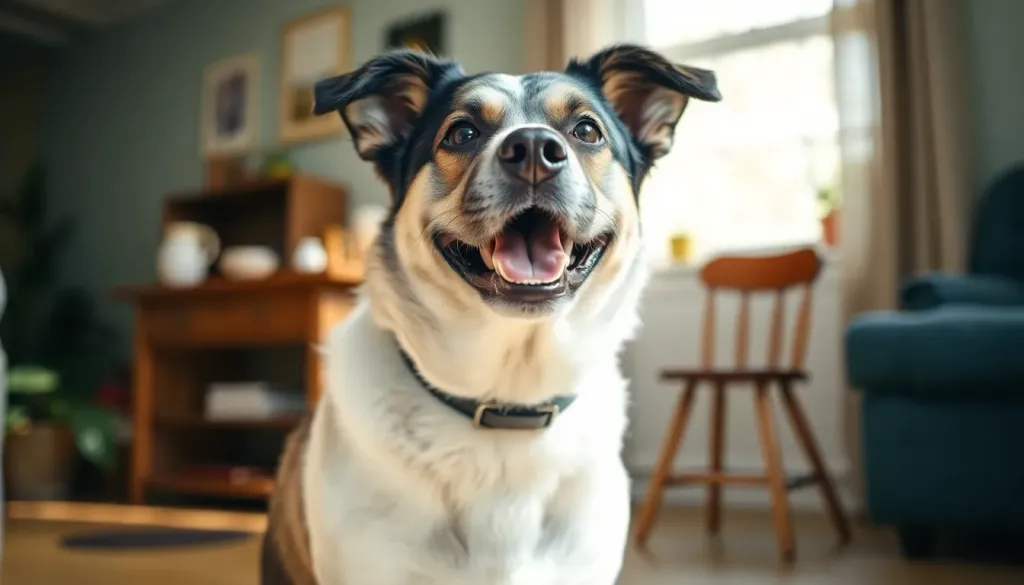
Puppy's First Outings: When Is It Safe?
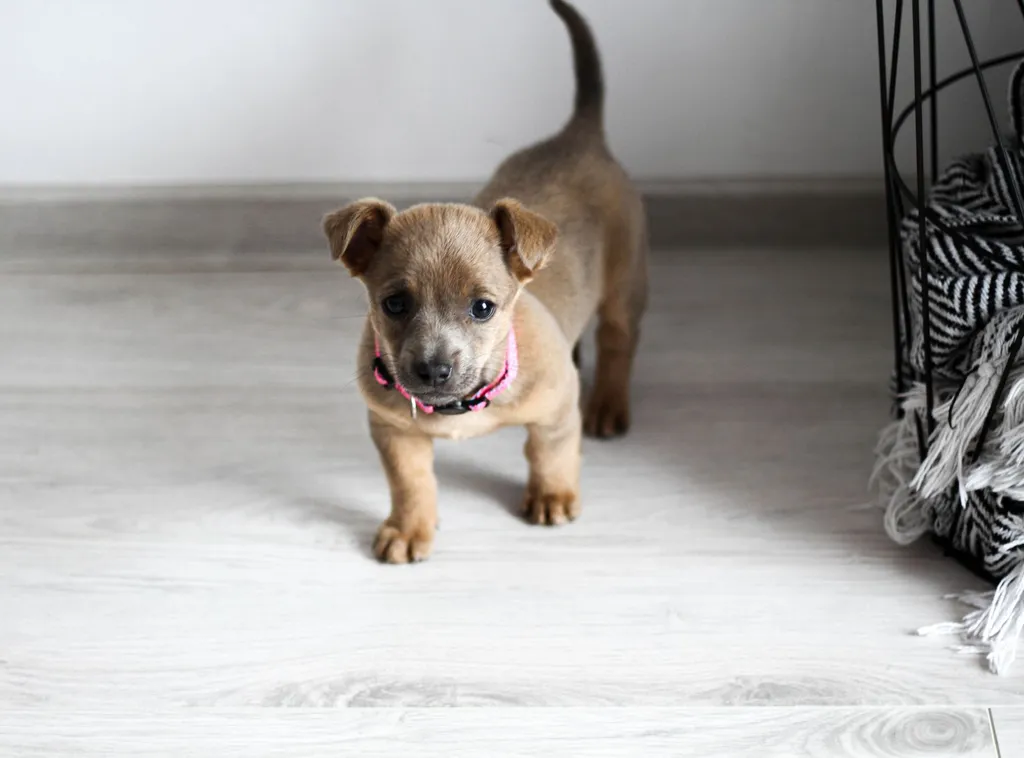
Puppies can have controlled outdoor exposure in private, clean yards and carried in public spaces before full vaccination, but unrestricted public access is generally safe only two weeks after completing their final core vaccinations—typically around 16-22 weeks of age. The exact timeline depends on your puppy’s vaccination schedule, local disease prevalence, and your veterinarian’s personalized recommendations.
Veterinary Disclaimer
Important Notice: This article is based on extensive research and personal experience as a multi-dog parent, but I’m not a licensed veterinarian. Always consult your vet before making decisions about your puppy’s outdoor access, vaccination schedule, and health care. Every puppy is unique, and local disease risks vary significantly by region.
My Journey with Outdoor Puppy Safety
When I first brought my Golden Retriever puppy, Bailey, home at eight weeks old, I was overwhelmed with conflicting advice about when she could safely venture outside. My neighbor insisted I should keep her indoors until she was fully vaccinated, while my friend with a Labrador said her puppy was exploring the dog park at 10 weeks. I spent countless hours researching and consulting with my veterinarian, and what I learned completely transformed how I approached those critical early weeks.
The truth is, the answer to “when can puppies go outside safely?” isn’t black and white—it’s a carefully balanced equation between disease protection and critical socialization windows. According to the American Veterinary Society of Animal Behavior, the primary socialization period for puppies occurs between 3-14 weeks of age, which directly overlaps with their vaccination schedule. This creates a dilemma that every new puppy parent must navigate thoughtfully.
Understanding Your Puppy’s Vaccination Timeline
Before we dive into outdoor safety guidelines, let’s establish a clear understanding of the typical puppy vaccination schedule, as this directly determines when different types of outdoor access become safe.
Standard Core Vaccination Schedule
| Age | Vaccines Administered | Outdoor Restrictions |
|---|---|---|
| 6-8 weeks | First DHPP (Distemper, Hepatitis, Parvovirus, Parainfluenza) | Private yard only; carry in public |
| 10-12 weeks | Second DHPP | Private yard only; limited pavement walks |
| 14-16 weeks | Third DHPP + Rabies (varies by location) | Still restricted from high-risk public areas |
| 16-18 weeks | Final DHPP (if needed) | Wait period begins |
| 18-22 weeks | Two-week immunity development period complete | Full public access safe |
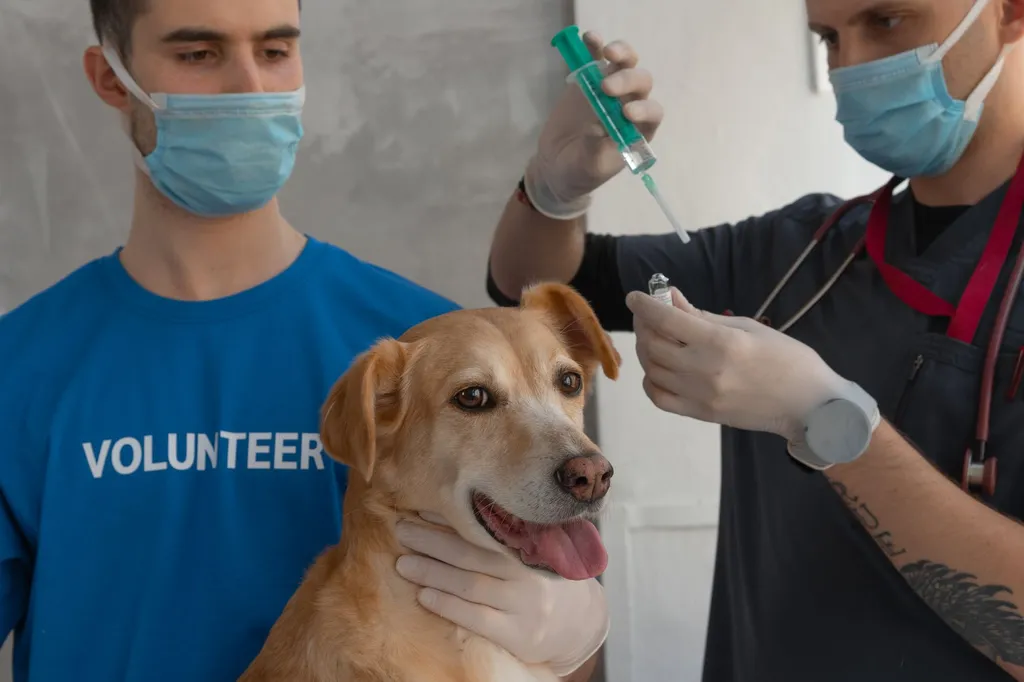
Important: According to PetMD, puppies aren’t considered fully protected until approximately two weeks after their final vaccination, when their immune system has had time to build adequate antibody levels. This waiting period is crucial and non-negotiable.
When Bailey received her final vaccination at 16 weeks, I marked my calendar for two weeks later and planned a special “freedom day” outing to a local hiking trail. Those two weeks felt eternal, but knowing I was protecting her from potentially fatal diseases made the wait worthwhile.
When Can Puppies Go Outside Safely? Breaking Down the Timeline
The answer varies significantly based on where you’re taking your puppy and what type of outdoor exposure you’re providing. Let me break down the specific scenarios I navigated with my own dogs.
Before Full Vaccination (Birth to 16-18 Weeks)
✅ SAFE: Private, Clean Backyard
Your own fenced backyard is generally the safest outdoor space for young puppies, provided certain conditions are met:
Requirements for safe backyard access:
- The yard hasn’t been frequented by unvaccinated or sick dogs in recent months
- You regularly clean up feces and maintain general cleanliness
- No wildlife with disease risks (like raccoons or foxes) regularly visit
- The area is secure and escape-proof
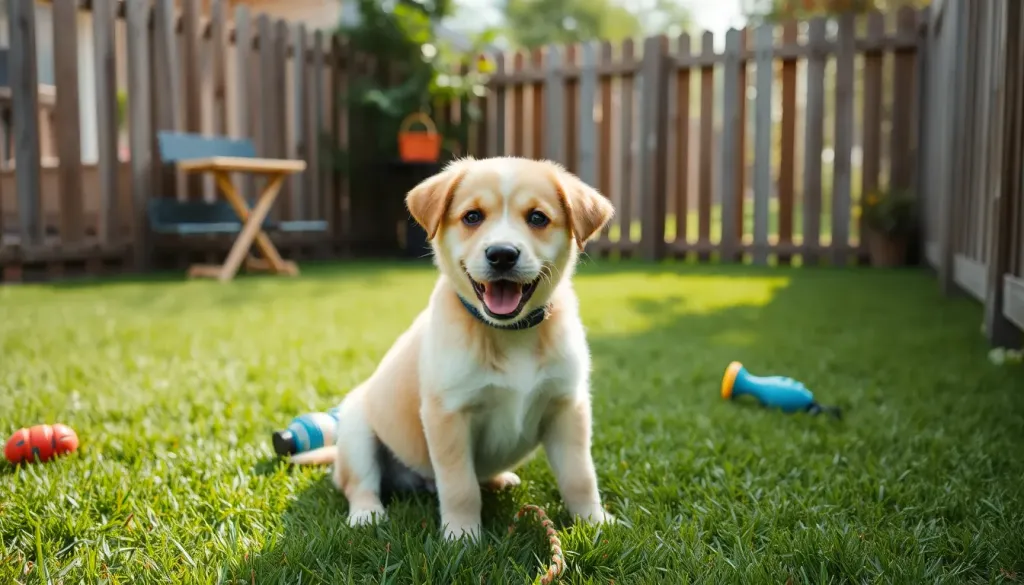
I started taking Bailey into our backyard at 8 weeks old for short 10-15 minute sessions, always under close supervision. This became our primary potty training ground and her first introduction to grass, sunshine, and fresh air. The key was ensuring our yard was a controlled environment—I knew exactly which dogs (my neighbor’s fully vaccinated Beagle) had visited, and I kept the space clean.
✅ SAFE: Carried Outings for Socialization
One of the best pieces of advice my veterinarian gave me was to carry Bailey in public places for early socialization exposure. This brilliant compromise allowed her to experience new environments, sounds, people, and sights without ground contact that could expose her to diseases.
Carried outing ideas I used successfully:
- Pet store shopping trips (Bailey in a carrier or my arms)
- Outdoor café patios where I held her on my lap
- Friends’ homes where she never touched the ground outside
- Car rides to busy parking lots for sound exposure
- Walking through my neighborhood while carrying her
According to Purina’s puppy care experts, this type of safe socialization during the critical window prevents behavioral issues later in life while minimizing disease risk. I’ll never forget Bailey’s wide-eyed wonder during her first carried trip to the pet store—the experience was invaluable for her confidence development.
⚠️ PROCEED WITH CAUTION: Clean Pavement Walks
Short walks on clean, dry pavement present moderate risk and can be acceptable in low-disease-prevalence areas. The key word here is clean—I avoided any areas where dogs frequently eliminate.
My pavement walking guidelines:
- Only on sidewalks I knew were regularly cleaned
- Never during or after rain (when Parvovirus can survive in puddles)
- Avoiding grass strips or areas where dogs typically eliminate
- Keeping walks under 10 minutes to minimize exposure
- Carrying hand sanitizer and cleaning Bailey’s paws afterward
I started very short pavement walks with Bailey at around 10 weeks, primarily for leash training practice. We’d walk 2-3 houses down our quiet residential street and back—nothing more.
❌ AVOID: Public Dog Areas and High-Traffic Locations
Until full vaccination plus the two-week waiting period, absolutely avoid:
- Dog parks
- Popular hiking trails
- Areas around veterinary clinics (ironically, high disease concentration)
- Public beaches designated for dogs
- Pet daycare or boarding facilities
- Any grassy area where unvaccinated dogs frequent
- Stagnant water sources (ponds, lakes, puddles)
The Parvovirus risk in these areas is simply too high. According to research cited by PetMD, Parvovirus can survive in soil for years, making contaminated areas extremely dangerous for unvaccinated puppies. This virus causes severe, often fatal, gastrointestinal disease and is heartbreakingly common.
After Full Vaccination: Freedom with Responsibility
Once Bailey hit 18 weeks (two weeks after her final vaccination), our world expanded dramatically. However, even with full immunity, I maintained certain safety protocols that every responsible dog parent should follow.
Unrestricted Public Access Guidelines
What becomes safe after full vaccination:
- Dog parks and off-leash areas (with proper supervision)
- Hiking trails and nature walks
- Public beaches and swimming areas
- Doggy daycare and boarding facilities
- Group training classes
- Playdates with dogs of unknown vaccination status
- Camping and outdoor adventures
Essential safety measures I maintain:
- Always leash in public unless in designated off-leash areas
- Microchip and ID tags on at all times (Bailey got lost once at 6 months—thank goodness for her chip!)
- Ongoing parasite prevention (more on this below)
- Fresh water access during outdoor activities
- Weather-appropriate gear (cooling vests in summer, jackets in winter)
- First aid kit in my car for outdoor adventures
The Incredible Health Benefits of Outdoor Exposure
Now that we’ve covered the “when,” let me share why those outdoor adventures are so crucial for your puppy’s development. The benefits extend far beyond simple exercise.
Physical Health Benefits
Weight Management and Muscle Development
Regular outdoor activity is essential for maintaining a healthy weight and building strong muscles. According to veterinary research, puppies who receive adequate outdoor exercise are significantly less likely to develop obesity-related health issues later in life.
My dogs’ daily outdoor routine includes:
- Morning backyard exploration (15-20 minutes)
- Midday walk (20-30 minutes)
- Evening play session (15-20 minutes)
- Weekend hiking or swimming adventures (1-2 hours)
Bailey, now three years old, has maintained an ideal weight throughout her life, which I directly attribute to consistent outdoor activity from puppyhood.
Bone and Joint Health
The natural terrain variations puppies encounter outdoors—grass, dirt, gravel, sand—provide crucial developmental benefits for growing bones and joints. Walking on different surfaces strengthens muscles around joints and improves proprioception (body awareness).
Vitamin D Production
Direct sunlight exposure helps puppies produce Vitamin D, which is essential for:
- Calcium absorption and bone formation
- Muscle function and nerve control
- Immune system regulation
- Overall cellular health
I make sure my dogs get at least 15-20 minutes of direct sunlight daily, even in winter months.
Mental Stimulation and Cognitive Development
Sensory Enrichment
The outdoor environment is an absolute sensory wonderland for puppies. Every outing provides:
- Visual stimulation: Moving objects, varying light, different colors
- Auditory experiences: Birds, traffic, other dogs, wind, water
- Olfactory exploration: Literally thousands of scent messages
- Tactile sensations: Different ground textures, temperatures, moisture levels
When Bailey first experienced grass, she spent ten minutes just pawing at it, clearly fascinated by the texture. These sensory experiences literally shape brain development during the critical puppy months.
Problem-Solving and Environmental Navigation
Outdoor exploration encourages puppies to:
- Navigate obstacles and terrain changes
- Make decisions about their environment
- Develop confidence through successful challenges
- Learn spatial awareness and memory
Sleep Quality and Mood Regulation
According to animal behavior research, outdoor exposure directly impacts:
- Circadian rhythm regulation through natural light exposure
- Serotonin production from sunlight and physical activity
- Stress hormone reduction through sensory engagement
- Overall mood stability and contentment
I’ve noticed that on days when my dogs get robust outdoor time, they sleep more soundly and exhibit calmer behavior indoors. The correlation is undeniable.
Health Benefit Summary Table
| Benefit Category | Specific Impacts | Long-Term Advantages |
|---|---|---|
| Physical Health | Healthy weight, strong muscles, flexible joints, Vitamin D production | Reduced obesity risk, delayed mobility problems, stronger bones |
| Mental Stimulation | Sensory engagement, problem-solving, environmental interaction | Reduced behavioral issues, improved confidence, better adaptability |
| Immune System | Exposure to diverse microorganisms | Stronger, more resilient immune function |
| Digestive Health | Access to natural roughage, varied movement | Improved digestion, regular elimination |
| Emotional Well-being | Stress reduction, anxiety management, mood boost | Calmer temperament, reduced destructive behaviors |
Understanding the Risks: What Makes Outdoor Exposure Dangerous?
While I’m a huge advocate for outdoor puppy time, I’ve also witnessed the devastating consequences when proper precautions aren’t taken. My neighbor’s puppy contracted Parvovirus at 12 weeks after visiting a dog park before full vaccination—the puppy survived, but only after intensive veterinary care costing thousands of dollars and weeks of recovery. Let me share the risks you absolutely must understand.
Infectious Disease Threats
Parvovirus (Parvo): The Most Dangerous Threat
This is the disease that keeps me up at night when I see people bringing unvaccinated puppies to public areas. Here’s why it’s so terrifying:
- Survival: Can persist in soil for 5+ years, even through extreme temperatures
- Transmission: Through contact with infected feces, contaminated soil, or even on shoes and clothing
- Symptoms: Severe vomiting, bloody diarrhea, lethargy, rapid deterioration
- Fatality rate: 70-90% in untreated puppies
- Treatment cost: $1,500-$4,000 for hospitalization and intensive care
According to PetMD, even a tiny amount of Parvovirus can infect a puppy—we’re talking microscopic quantities. This is why I’m so adamant about avoiding high-traffic dog areas before full vaccination.
Other Critical Disease Risks
| Disease | Transmission | Symptoms | Prevention Timeline |
|---|---|---|---|
| Distemper | Airborne, direct contact | Fever, coughing, neurological issues | Protected after complete DHPP series |
| Leptospirosis | Contaminated water, wildlife urine | Kidney/liver failure, flu-like symptoms | Optional vaccine, typically given at 12-16 weeks |
| Rabies | Bite from infected animal | Neurological deterioration, always fatal | Protected after rabies vaccine (typically 12-16 weeks) |
| Kennel Cough | Airborne in dog-dense areas | Persistent coughing, respiratory issues | Bordetella vaccine recommended for social dogs |
Parasite Dangers
Parasites were something I initially underestimated until my veterinarian explained just how common and dangerous they are.
External Parasites:
- Fleas: Can cause anemia in small puppies, transmit tapeworms, trigger allergic reactions
- Ticks: Carry Lyme disease, Ehrlichiosis, Rocky Mountain Spotted Fever, Anaplasmosis
- Mites: Cause mange, intense itching, skin infections
Internal Parasites:
- Heartworms: Transmitted by mosquitoes, potentially fatal, expensive to treat
- Roundworms: Common in puppies, cause vomiting, diarrhea, potbelly appearance
- Hookworms: Feed on blood, cause anemia, especially dangerous for young puppies
- Giardia: Found in contaminated water, causes persistent diarrhea
My parasite prevention protocol (as recommended by my vet):
- Monthly combination preventative starting at 8 weeks (covers heartworms, fleas, ticks, intestinal worms)
- Regular fecal examinations (at each puppy vet visit)
- Avoiding stagnant water sources during walks
- Checking for ticks after every outdoor adventure
- Year-round prevention (parasites don’t respect seasons anymore)
Environmental Hazards
Temperature Extremes: The Hidden Danger
Puppies cannot regulate their body temperature as efficiently as adult dogs, making them highly vulnerable to weather extremes. I learned this the hard way during Bailey’s first summer when she overheated after just 15 minutes of outdoor play on a 85°F day.
Heat-Related Risks:
- Heatstroke can develop within minutes
- Pavement can burn paw pads when above 85°F (test with the back of your hand—if you can’t hold it for 5 seconds, it’s too hot)
- Dehydration happens rapidly in puppies
- Brachycephalic breeds (flat-faced dogs) are especially vulnerable
Cold-Related Risks:
- Hypothermia can set in quickly, especially in small or short-haired breeds
- Frostbite affects paws, ears, and tail tips
- Snow/ice can cut paw pads
- De-icing chemicals are toxic if licked off paws
My weather safety rules:
- Hot weather (above 80°F): Early morning or evening outings only, always with water, limit to 15-minute sessions, provide shade breaks
- Cold weather (below 40°F): Doggy coat for short-haired breeds, limit time outdoors, check paws regularly, wipe paws after walks to remove de-icing chemicals
- Extreme weather: Indoor activities only
Toxic Plants and Substances
Our backyards and hiking trails are unfortunately full of dangers for curious puppies who explore the world through their mouths.
Common toxic plants I’ve removed from my yard:
- Azaleas and Rhododendrons (cause vomiting, diarrhea, potential coma)
- Tulips and Daffodils (bulbs especially toxic)
- Lilies (extremely toxic, cause kidney failure)
- Sago Palm (highly toxic, often fatal)
- Oleander (affects heart, often fatal)
- Hydrangea (causes vomiting, depression)
Other outdoor toxins:
- Lawn pesticides and herbicides
- Rodenticides (rat poison)
- Fertilizers
- Antifreeze (sweet taste attracts dogs, highly toxic)
- Certain toads and frogs (secrete toxins)
- Venomous snakes and spiders
My Step-by-Step Safe Outdoor Introduction Guide
Based on years of experience raising multiple puppies and learning from both successes and mistakes, here’s my comprehensive approach to introducing puppies to the outdoor world safely.
Phase 1: Private Yard Exploration (8-12 Weeks)
Week 1-2 Goals:
- Introduce backyard in 5-10 minute supervised sessions
- Focus on potty training association with outdoor space
- Allow free sniffing and exploration
- Build positive associations with being outside
My routine:
- Carry puppy outside immediately after waking, eating, and playing
- Place puppy on grass in designated potty area
- Use consistent verbal cue (“Go potty”)
- Reward immediately with high-value treat and enthusiastic praise
- Allow 5 minutes of supervised exploration
- Return inside before puppy gets overstimulated
Week 3-4 Goals:
- Extend sessions to 15-20 minutes
- Introduce new textures (different grass areas, dirt, mulch)
- Begin basic recall training
- Start leash introduction (wear harness/collar without tension)
Phase 2: Carried Socialization Outings (8-16 Weeks)
This phase was absolutely crucial for Bailey’s confidence development. According to the American Veterinary Society of Animal Behavior, proper socialization during the critical 3-14 week window is more important for preventing future behavioral problems than avoiding potential disease risks (when done thoughtfully).
Weekly Socialization Checklist I Used:
- ☐ 2-3 carried trips to pet-friendly stores
- ☐ 1 visit to a friend’s home (with vaccinated, friendly dog)
- ☐ 2-3 car rides to different locations
- ☐ Interaction with 5-7 new people (varying ages, genders, appearances)
- ☐ Exposure to 3-5 novel sounds (vacuum, traffic, lawn mower, etc.)
- ☐ Experience with 2-3 different surfaces (while carried: concrete, gravel, metal)
Critical rules I followed:
- Never forced interactions—let Bailey approach at her own pace
- Brought high-value treats for positive associations
- Kept sessions short (15-30 minutes) to prevent overwhelm
- Watched for stress signals (yawning, lip licking, avoiding eye contact, tucked tail)
- Ended on a positive note before stress levels escalated
Phase 3: Limited Ground Contact (12-16 Weeks)
After Bailey’s second vaccination, I cautiously introduced limited ground contact in low-risk areas.
Acceptable locations I used:
- Clean sidewalks in my quiet residential neighborhood
- Friend’s private yards (with confirmed no sick dogs)
- Puppy socialization classes (all puppies at similar vaccination stages)
- My driveway and front porch area
Walk protocol:
- 5-10 minute maximum duration
- Avoided grassy areas where dogs eliminate
- Stayed on sun-exposed, dry pavement (UV helps kill pathogens)
- Practiced loose-leash walking
- Brought cleaning supplies for paw cleaning after
- Never allowed puppy to sniff or eat anything from ground
Phase 4: Full Freedom with Ongoing Vigilance (18+ Weeks)
The day Bailey turned 18 weeks (two weeks post-final vaccination), we celebrated with a trip to a local nature trail. But even with full vaccination protection, I maintain careful safety protocols.
My current outdoor routine with fully vaccinated dogs:
Daily:
- Morning yard time: 15-20 minutes
- Midday walk: 20-30 minutes (varied routes)
- Evening play session: 15-20 minutes
- Multiple potty breaks throughout day
Weekly:
- 2-3 trips to different locations (parks, trails, pet stores)
- 1-2 socialization opportunities with other dogs
- Training session in public environment
- Novel experience or adventure
Monthly:
- Longer hiking adventure (1-2 hours)
- Dog-friendly restaurant patio visit
- Swimming outing (weather permitting)
- Grooming or veterinary wellness visit
Essential Safety Equipment Every Puppy Needs
Here’s the gear I never leave home without:
For Every Outdoor Outing:
- Well-fitted harness (I prefer front-clip for training)
- 6-foot leash (never retractable for puppies)
- Collar with ID tags (name, phone number, “microchipped”)
- Poop bags and dispenser
- Portable water bowl and fresh water
- High-value training treats
- Phone (for emergencies and photos!)
For Extended Outdoor Adventures:
- Pet first aid kit (I made my own with vet guidance)
- Tick removal tool
- Emergency contact card with vet info
- Cooling bandana or vest for hot weather
- Waterproof jacket or sweater for cold weather
- Long training lead (15-30 feet) for recall practice
- Small towel for paw cleaning/drying
Seasonal Additions:
- Summer: Cooling mat, paw protectant balm, dog-safe sunscreen for exposed areas
- Winter: Dog boots for icy conditions, paw protection balm for dry pads
- Spring/Fall: Reflective gear for early morning/evening walks, tick prevention spray
Real-Life Scenarios: Learning from My Experiences
Success Story: Gradual Trail Introduction
When Bailey was 19 weeks old, I wanted to introduce her to hiking—one of our planned regular activities. Instead of diving into a challenging trail, I started with a short, easy loop at a local park. We walked for just 20 minutes, took frequent breaks, practiced recall training, and let her sniff and explore at her pace. Over the following weeks, I gradually increased duration and difficulty. Now at three years old, she’s an enthusiastic hiking companion who can handle 5-mile adventures with ease.
Key lesson: Gradual exposure builds confidence and prevents negative associations.
Mistake I Made: Overambitious Dog Park Visit
At 18 weeks, eager to let Bailey play with other dogs, I took her to a busy dog park during peak hours. She was immediately overwhelmed by a group of exuberant adult dogs who rushed to greet her. She hid behind my legs, trembling, and refused to explore. It took several weeks and many positive experiences to rebuild her confidence around multiple dogs.
Key lesson: Start socialization in controlled environments with calm, appropriate playmates before tackling chaotic group settings.
Close Call: Toxic Plant Incident
During a backyard session when Bailey was 10 weeks old, I turned my attention away for literally 30 seconds. When I looked back, she was chewing on a plant leaf. My heart stopped—I didn’t know if it was toxic. I immediately removed the plant material from her mouth, took a photo of the plant, and called my vet. Fortunately, it was a non-toxic variety of fern, but I learned a critical lesson.
Key lesson: Puppy-proof outdoor spaces before allowing access, and never assume a plant is safe. I spent that evening researching every plant in my yard and removing anything potentially toxic.
Frequently Asked Questions: When Can Puppies Go Outside Safely?
Can I take my 8-week-old puppy for a walk in the neighborhood?
This depends on your local disease prevalence and the specific conditions of your neighborhood. In my experience, short walks on clean, dry pavement in low-traffic residential areas carry moderate risk, while walks through popular dog areas are high-risk.
Before Bailey’s full vaccination, I did take her on very brief (5-minute) pavement walks in our quiet cul-de-sac where I personally knew all the dogs were healthy and vaccinated. However, I avoided any grassy areas, kept her from sniffing ground objects, and cleaned her paws afterward with pet-safe wipes. I also consulted my veterinarian first and made sure she had received at least her first round of vaccinations.
The safest option is to carry your puppy during these early weeks for socialization exposure without ground contact. I would carry Bailey down the street to meet neighbors, let her observe the environment, and hear traffic sounds—all invaluable socialization without disease risk.
Critical factors to consider:
- Local Parvovirus prevalence (your vet can advise)
- Neighborhood dog vaccination rates
- Weather conditions (wet conditions increase pathogen survival)
- Your specific route (avoid areas where dogs eliminate)
- Your puppy’s vaccination status
Should puppies avoid grass until fully vaccinated?
Not necessarily all grass, but you should absolutely avoid grassy areas where unvaccinated or unknown dogs have eliminated. According to PetMD research, Parvovirus is commonly transmitted through contaminated grass and soil where infected dogs have defecated—and the virus can survive for years in the environment.
My approach to grass exposure:
- ✅ Safe: Private backyard grass that hasn’t been exposed to unvaccinated or sick dogs
- ✅ Safe: Friend’s private yard where you know the dog history
- ⚠️ Risky: Grass strips along public sidewalks (common elimination spots)
- ❌ Avoid: Public park grass, especially in dog-heavy areas
- ❌ Avoid: Grass around apartment complexes or veterinary offices
With Bailey, I let her explore our backyard grass starting at 8 weeks, but I avoided all public grass areas until two weeks after her final vaccination. The risk-reward calculation simply didn’t make sense to me—why expose her to potential fatal disease for a slightly expanded potty training area?
What are the first signs my puppy has contracted Parvovirus or another disease after outdoor exposure?
This question is so important because early detection and treatment dramatically improve survival rates. After any questionable exposure, I monitor my dogs obsessively for 3-14 days (the typical incubation period for most puppy diseases).
Parvovirus warning signs (typically appear 3-7 days after exposure):
- Severe lethargy and depression
- Loss of appetite or complete refusal to eat
- Vomiting (often repetitive)
- Diarrhea, often bloody and with a distinctively foul odor
- Fever
- Rapid weight loss and dehydration
Distemper warning signs:
- Fever, followed by coughing and nasal discharge
- Eye discharge (sticky, yellow-green)
- Loss of appetite and lethargy
- Later stages: seizures, paralysis, neurological symptoms
General illness red flags:
- Sudden behavior changes
- Refusing treats or favorite foods
- Excessive sleeping or inability to wake fully
- Vomiting or diarrhea (more than once)
- Pale gums
- Difficulty breathing
- Collapse or severe weakness
My emergency protocol: If I notice ANY of these symptoms, I contact my veterinarian immediately. With diseases like Parvo, every hour matters. I don’t wait overnight or “see if it gets better”—I call right away. Keep your vet’s emergency contact info and the nearest emergency animal hospital phone number saved in your phone.
One of my friends waited 24 hours after her puppy started showing symptoms, thinking it was just an upset stomach. By the time she sought treatment, the puppy required intensive hospitalization. Early intervention could have reduced both the severity and the cost significantly.
Can my puppy play with my neighbor’s fully vaccinated adult dog before completing all vaccinations?
This is actually a nuanced question that I discussed extensively with my veterinarian. The answer is: cautiously yes, with specific conditions met.
Requirements for safe pre-vaccination socialization with other dogs:
- The adult dog must be confirmed fully vaccinated and current on all boosters
- The adult dog must be healthy, with no current illness
- The adult dog must have an appropriate, gentle play style with puppies
- Interaction should occur in a private, controlled environment (not public spaces)
- Your puppy should have received at least their first vaccination
- The interaction should be brief (10-15 minutes) and carefully supervised
How I handled this with Bailey: My neighbor’s Beagle, Charlie, became one of Bailey’s most important early socialization influences. Charlie was a calm, gentle dog, fully vaccinated, and patient with puppies. Starting when Bailey was 9 weeks old (after her first vaccination), I allowed supervised play sessions in my fenced backyard for 10-15 minutes, 2-3 times per week.
These controlled interactions were invaluable for teaching Bailey:
- Appropriate dog communication and body language
- Bite inhibition
- Play manners
- Confidence around other dogs
Red flags that would have stopped interactions:
- Any sign of illness in either dog
- Rough play that frightened Bailey
- Charlie’s vaccinations lapsing
- Any indication of disease outbreak in our area
The key is quality over quantity. One or two safe, appropriate playmates during the pre-vaccination period provide crucial socialization without the disease risks of public dog parks or multiple unknown dogs.
How do I know if my area has high Parvovirus risk?
This is something I wish I’d known to ask when I first got Bailey. Your local disease prevalence should directly influence how conservative or relaxed you are about early outdoor exposure.
How to assess your local Parvovirus risk:
-
Ask your veterinarian directly: They see disease patterns in your community and can tell you if they’re treating Parvo cases regularly. My vet told me that our specific neighborhood had very low Parvo incidence, which gave me more confidence in limited outdoor exposure.
-
Research recent local cases: Search online for “[your city] Parvovirus outbreak” or check local animal shelter reports. Many shelters publish disease outbreak information.
-
Consider these high-risk indicators:
- High stray dog population
- Low community vaccination rates
- Urban areas with dense dog populations
- Areas with recent natural disasters (displaced, unvaccinated dogs)
- Neighborhoods with many apartment complexes (shared grass areas)
-
Check with local dog trainers and daycares: They’re often very aware of current disease threats since they work with multiple dogs.
Risk levels I use to guide decisions:
| Risk Level | Indicators | My Approach |
|---|---|---|
| Low Risk | No recent cases, high vaccination rates, suburban area | Comfortable with private yard at 8 weeks, limited pavement walks at 10 weeks, cautious public access at 16 weeks (post-final vaccination) |
| Moderate Risk | Occasional cases, mixed vaccination rates, mixed area type | Very conservative—private yard only until 16 weeks, extremely limited pavement contact, public access only after full vaccination + 2 weeks |
| High Risk | Active outbreak, low vaccination rates, high stray population | Maximum restriction—might even limit private yard if neighboring yards have stray dog traffic, absolutely no public access until fully vaccinated + 2 weeks |
In our area, I was fortunate to have low risk, which allowed me to be slightly less restrictive than I would have been in a high-risk environment. But even in low-risk areas, I never visited dog parks or high-traffic dog areas until Bailey’s immunity was complete.
The Bottom Line: Balancing Safety and Socialization
After raising multiple puppies and learning from both veterinary advice and personal experience, I’ve come to understand that the question “when can puppies go outside safely?” doesn’t have a single answer—it requires thoughtful risk assessment based on your specific situation.
My core principles:
-
Vaccination status is the primary determinant: Full public access should wait until two weeks after the final vaccination (typically 18-22 weeks), but controlled exposure can and should begin much earlier.
-
Private spaces are your ally: Your clean backyard is typically safe from day one and provides crucial early outdoor experiences.
-
Creative socialization protects both health and behavior: Carrying your puppy in public spaces offers socialization benefits without disease risks.
-
Risk assessment is individualized: Your veterinarian’s guidance, considering local disease prevalence, should override general timelines.
-
The socialization window is real: While disease prevention is critical, completely isolating puppies indoors until 16-20 weeks can create behavioral issues that last a lifetime.
When I look back at Bailey’s puppyhood, I’m grateful I took a measured, thoughtful approach to outdoor exposure. She experienced adequate early socialization that shaped her into a confident, well-adjusted adult dog, but I didn’t expose her to unnecessary disease risks. That balance is what every puppy parent should strive for.
The outdoor world is full of incredible experiences that will shape your puppy’s entire life—adventure, joy, confidence, and health. With proper timing, preparation, and precautions, you can safely introduce your puppy to all these wonders while protecting them from preventable diseases.
Start with your private yard, progress to carried outings, and eventually embrace full outdoor freedom once vaccination protection is complete. Your puppy’s health and happiness depend on getting this balance right, and now you have the knowledge to make informed decisions every step of the way.
Remember: When in doubt, consult your veterinarian. Your puppy’s specific health status, your local disease environment, and your lifestyle factors all influence the ideal timeline for