Why Do Dogs Hump? Understanding Dog Behavior

Direct Answer: Understanding Your Dog’s Humping Behavior
Dogs hump for a variety of normal, non-sexual reasons including excitement, play, stress relief, attention-seeking, and as part of social interaction—making it one of the most common yet misunderstood canine behaviors. While humping can sometimes indicate underlying medical issues like urinary tract infections or hormonal imbalances, it’s typically a behavioral response to environmental stimuli, emotions, or learned habits rather than purely sexual motivation.
🩺 Veterinary Disclaimer
Important: While this article provides comprehensive behavioral guidance based on expert veterinary and behavioral science sources, it does not replace professional veterinary advice. If your dog’s humping behavior is sudden, excessive, accompanied by physical symptoms (genital licking, straining to urinate, swelling, or discharge), or causing injury, consult your veterinarian immediately to rule out medical conditions.
Why Do Dogs Hump? The Complete Behavioral Breakdown
Understanding the root causes of dog humping is essential for addressing this behavior effectively. According to the American Kennel Club (AKC) and ASPCA, humping serves multiple functions in canine communication and stress management.
The Primary Reasons Behind Humping Behavior
1. Excitement and Overstimulation
When dogs become overwhelmed with excitement—whether from playtime, greeting visitors, or anticipating a walk—humping acts as a displacement behavior to release pent-up energy. Think of it as your dog’s internal energy gauge hitting maximum capacity with no proper outlet.
Example in action: Your dog may hump your leg when you arrive home because the excitement of seeing you creates such intense arousal (not sexual—just emotional intensity) that they need a physical outlet.
2. Play Behavior and Social Interaction
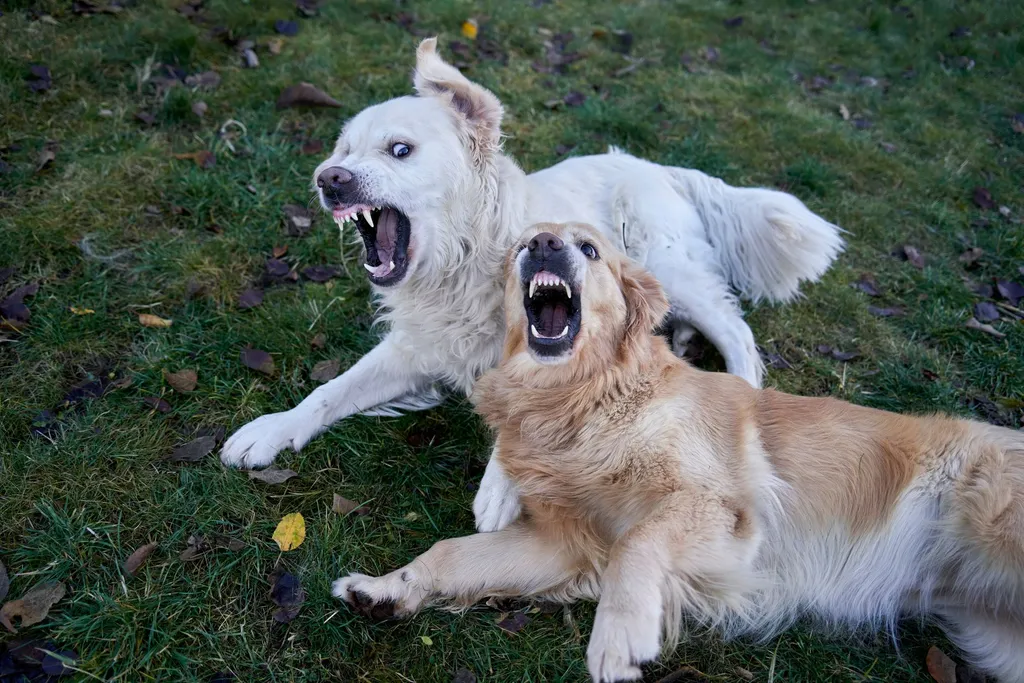
During dog play sessions, humping often appears as part of normal rough-and-tumble interaction. According to PetMD, this behavior frequently emerges when dogs don’t know how else to engage with playmates or when play escalates beyond their comfort zone.
3. Stress, Anxiety, and Self-Soothing
Humping serves as a self-comforting mechanism similar to humans biting their nails or tapping their feet. Dogs experiencing:
- Separation anxiety
- New environments
- Loud noises (thunderstorms, fireworks)
- Conflict with other dogs
…may resort to humping as a coping strategy.
4. Attention-Seeking Behavior
Smart dogs quickly learn: humping = instant human reaction. Even negative attention (yelling, pushing away) reinforces the behavior because it achieves the goal—getting you to engage.
5. Medical and Hormonal Triggers
While less common, underlying health conditions can drive humping behavior:
| Medical Condition | Associated Symptoms | Why It Causes Humping |
|---|---|---|
| Urinary Tract Infections (UTIs) | Frequent urination, straining, blood in urine | Genital discomfort leads to excessive licking and humping for relief |
| Skin Allergies/Irritation | Redness, swelling, constant licking | Itching in genital region prompts friction-seeking behavior |
| Priapism | Persistent, painful erections | Attempting to relieve discomfort through mounting |
| Prostate Problems (intact males) | Difficulty urinating, stiff gait | Pelvic discomfort manifests as humping |
| Urinary Incontinence | Leaking urine, wetness | Genital irritation from moisture |
6. Sexual Maturity and Hormones
Intact (non-neutered) dogs experience hormonal surges that can trigger mounting behavior, particularly around female dogs in heat. However, neutered dogs also hump frequently, proving sexual motivation is only one piece of the puzzle.

The Psychology Behind Humping: What Science Tells Us
Understanding canine behavioral psychology helps us recognize humping as communication rather than misbehavior.
Classical Conditioning and Learned Behavior
Once a dog discovers humping produces a result (relief from stress, attention from owners, or cessation of overwhelming stimulation), classical conditioning creates a behavioral loop:
Trigger → Humping → Outcome → Reinforcement
Example:
- Trigger: Guests arrive (excitement)
- Humping: Dog mounts visitor’s leg
- Outcome: Everyone laughs and pays attention
- Reinforcement: Dog learns humping = social engagement
This learned pattern becomes self-reinforcing, making it harder to eliminate without proper intervention.
Displacement Behavior Theory
Renowned animal behaviorists classify humping as a displacement behavior—actions dogs perform when experiencing conflicting emotions or when they cannot perform their desired behavior.
Real-world scenario: Your dog desperately wants to chase a squirrel but is on a leash. The frustration and excitement with nowhere to go results in humping your leg or a nearby pillow.
The Role of Arousal (Non-Sexual)
The term “arousal” in behavioral science means heightened state of alertness and energy—not sexual excitement. According to ASPCA behavior experts, general arousal from any stimulus can trigger humping:
- Arrival of another dog
- Mealtime anticipation
- Pre-walk excitement
- Introduction to new environments
- High-energy play sessions
Female Dog Humping: Breaking the Gender Myth
Female dogs hump just as frequently as males, yet this surprises many dog owners who mistakenly believe humping is exclusively male behavior.
Why Female Dogs Hump
1. Dominance and Social Hierarchy
Despite outdated “alpha dog” theories being debunked, resource control and social positioning still matter in multi-dog households. Female dogs may hump to:
- Claim preferred toys
- Establish access to favorite resting spots
- Communicate boundaries to other dogs
2. Hormonal Fluctuations
Intact females experience estrus cycles (heat) that create hormonal surges triggering mounting behavior, even toward other female dogs or objects.
3. All Non-Sexual Reasons Apply
Female dogs experience excitement, stress, anxiety, and attention-seeking motivations identically to males.
| Common Myth | Scientific Reality |
|---|---|
| ”Only male dogs hump” | Both sexes exhibit humping with similar frequency |
| ”Female humping means dominance issues” | Usually indicates excitement, play, or stress—not dominance |
| ”Spayed females never hump” | Spaying reduces hormonal motivation but doesn’t eliminate learned behavior |
Health Risks and When to Worry About Excessive Humping
While humping itself is normal, certain patterns and frequencies signal problems requiring intervention.
Behavioral and Social Risks
Embarrassment and Social Complications
Guests, strangers, and other dog owners may feel uncomfortable when your dog humps:
- Other people’s legs
- Children (especially concerning for liability)
- Other dogs who don’t appreciate the attention
- Objects in public settings
Escalation to Conflict
Not all dogs tolerate being humped. The behavior can provoke:
- Defensive aggression from the recipient dog
- Resource guarding if humping occurs near valued items
- Social isolation as other dogs avoid your dog during play
Compulsive Behavior Development
When humping becomes obsessive-compulsive, it interferes with normal functioning:
- Constant humping of specific objects (pillows, toys, furniture)
- Inability to engage in other activities
- Agitation when prevented from humping
- Self-injury from excessive friction
Physical Health Risks
According to PetMD, excessive humping can cause:
For Male Dogs:
- Penile trauma: Lesions, abrasions, or lacerations from repeated friction
- Paraphimosis: Penis becomes trapped outside the sheath
- Infection risk: Open wounds provide bacterial entry points
- Scarring: Chronic injuries lead to permanent tissue changes
Warning Signs Requiring Veterinary Attention:
✅ Seek immediate vet care if you observe:
- Excessive licking or chewing of genitals
- Visible redness, swelling, or discharge
- Blood on the penis or vulva
- Straining to urinate or frequent squatting
- Persistent erection lasting more than 30 minutes
- Painful vocalizations during humping
- Sudden increase in humping frequency (especially in previously calm dogs)
- Humping combined with lethargy or appetite loss
Dog Humping Behavior Solutions: Your Step-by-Step Training Plan
You can do this! With consistency and patience, you can successfully redirect and reduce humping behavior. Let’s break down proven strategies from certified dog behaviorists.
Step 1: Identify Your Dog’s Triggers
Action: Keep a “Humping Journal” for one week.
Document:
- When humping occurs (time of day)
- Where it happens (location)
- What triggered it (visitors, play, feeding time)
- Who/What is being humped (people, dogs, objects)
- Your reaction and the result
Example Entry:
Monday 6:15 PM - Kitchen
Trigger: Started preparing dinner
Target: Kitchen pillow
My reaction: Said "No!" and removed pillow
Result: Dog followed me and humped my leg
This pattern recognition reveals whether your dog’s humping stems from excitement, attention-seeking, anxiety, or specific environmental cues.
Step 2: Implement the Redirect and Reward Protocol
The Gold Standard Technique:
When you observe humping beginning:
-
Interrupt calmly (don’t yell or show frustration)
- Use a neutral interruption sound: “Ah-ah” or a clap
- NOT “No!”—which dogs often interpret as attention
-
Immediately redirect to an incompatible behavior
- Command “Sit” or “Down”
- Ask for “Touch” (nose to hand target)
- Initiate “Find it” (scatter treats for scent work)
-
Mark and reward the alternative behavior
- The instant your dog complies: “Yes!” + high-value treat
- This creates positive reinforcement for appropriate behavior
Why this works: You’re teaching that appropriate responses earn rewards while humping results in nothing (not even negative attention).
Step 3: Increase Physical Exercise and Mental Stimulation
Tired dogs hump less. Period.
Daily Exercise Targets:
| Dog Size/Energy | Minimum Exercise | Mental Stimulation |
|---|---|---|
| Small/Low Energy | 30-45 minutes walking | 10-15 min training sessions |
| Medium/Moderate | 60-90 minutes walking + play | 15-20 min puzzle toys daily |
| Large/High Energy | 2+ hours varied activity | 20-30 min training + enrichment |
| Working Breeds | 2-3 hours structured work | 30+ min complex problem-solving |
Mental Enrichment Ideas:
- Puzzle feeders (make meals last 20+ minutes)
- Scent work games (hide treats throughout house)
- Training new tricks (engages mind and builds connection)
- Frozen Kong stuffing (licking soothes anxiety)
- Flirt pole exercise (controlled prey drive outlet)
Patience is key! Increasing exercise won’t eliminate humping overnight, but after 2-3 weeks, you’ll notice significant reduction in excitement-based humping.
Step 4: Manage the Environment
Set your dog up for success by removing opportunities for humping.
For Object Humpers:
- Remove favorite humping targets (specific pillows, toys, blankets)
- Block access to furniture or areas where humping occurs
- Provide appropriate alternatives (durable chew toys, tug ropes)
For Social Humpers:
- Supervise dog-dog interactions closely
- Interrupt before humping starts (watch for mounting posture)
- Create separation if your dog repeatedly targets specific dogs
- Teach “Leave it” command for people’s legs
Step 5: The “Leave It” vs “No” Distinction
Critical training concept: “No” is vague. “Leave it” is specific.
Teaching “Leave It” for Humping Prevention:
-
Foundation Training:
- Hold treat in closed fist
- Dog will sniff/paw your hand
- Wait for dog to back away
- Say “Leave it” → open hand → reward from other hand
-
Progression to Humping:
- Watch for humping body language (stiffening, mounting position)
- Before contact occurs, say “Leave it”
- Redirect to alternate behavior
- Massive reward for compliance
Why “Leave it” beats “No”:
- Provides clear action instruction (disengage from target)
- Creates positive association through reward
- Doesn’t become background noise like repeated “No” commands
Step 6: Address Attention-Seeking Humping
If humping = attention in your dog’s mind, you must break this connection.
The Extinction Burst Protocol:
-
When humping occurs for attention:
- Immediately turn away (no eye contact)
- Leave the room if necessary
- Wait 30 seconds in complete silence
- Return and ignore until dog is calm
-
Expect the “extinction burst”:
- Behavior will initially get worse (dog tries harder)
- Typically lasts 3-7 days
- Consistency is EVERYTHING—one attention reward resets progress
-
Proactively provide attention:
- Schedule quality interaction times unrelated to humping
- Reward calm, polite behaviors throughout the day
- This fills the attention bucket before it overflows into humping
Step 7: Consider Professional Help
When to call in the experts:
✅ Seek a certified dog behaviorist if:
- Humping has become compulsive (multiple times daily)
- Your dog injures themselves or others
- Behavior doesn’t improve after 4-6 weeks of consistent training
- Humping accompanies aggression
- You suspect anxiety or stress disorders
Finding qualified professionals:
- IAABC (International Association of Animal Behavior Consultants)
- CCPDT (Certification Council for Professional Dog Trainers)
- KPA (Karen Pryor Academy Certified Training Partners)
Ask about: Force-free, positive reinforcement methods. Avoid trainers recommending physical corrections for humping.
The Neutering Question: Will It Stop Humping?
The honest answer: Sometimes yes, sometimes no—it’s complicated.
What Research Shows
According to AKC behavioral studies:
Neutering’s Impact on Humping:
- Reduces hormonally-driven mounting by 50-60% in intact males
- Most effective when performed before sexual maturity (6-12 months)
- Does NOT eliminate learned humping behaviors
- Has minimal effect on stress, excitement, or attention-seeking humping
Timeline Expectations:
- Immediate effects (1-2 weeks): Hormone levels begin declining
- Short-term (4-6 weeks): Noticeable reduction in sexual mounting
- Long-term (3+ months): Established behavioral patterns may persist
The Learning Factor
Key concept: Once humping becomes a learned behavior pattern (habit), it operates independently of hormones.
Example: A dog neutered at age 3 who has been humping pillows for two years has created neural pathways connecting excitement → pillow humping → relief. Neutering removes hormonal motivation but not the learned association.
Bottom line: Combine neutering with behavioral modification training for best results. You can do this!
Stress Humping Dogs: Recognizing and Addressing Anxiety
Stress-induced humping requires different intervention than excitement-based behavior.
Identifying Stress Humping
Body Language Clues:
| Stress Signals | Excitement Signals |
|---|---|
| Whale eye (showing whites) | Bright, forward-focused eyes |
| Tucked tail or low tail position | High, wagging tail |
| Pinned ears or pulled back | Forward or relaxed ears |
| Lip licking, yawning | Open, relaxed mouth |
| Tense, stiff body | Loose, bouncy movement |
| Humping during stressful events | Humping during play/greeting |
Stress Reduction Strategies
1. Create a Safe Space
- Designated calm zone with comfortable bedding
- Use calming aids: ThunderShirt, calming pheromone diffusers (Adaptil)
- White noise to mask anxiety triggers
- Covered crate for den-like security
2. Desensitization and Counter-Conditioning
For specific stress triggers (visitors, other dogs, thunderstorms):
Week 1-2: Desensitization
- Expose dog to very low intensity version of trigger
- Example: Recording of doorbell at low volume
- Maintain distance where dog notices but doesn’t react
- Gradually increase intensity over weeks
Week 3+: Counter-Conditioning
- Pair trigger exposure with high-value rewards
- Trigger appears → amazing treats rain down
- Trigger disappears → treats stop
- Builds positive association: trigger = good things
3. Calming Supplements and Aids
Consult your vet about:
- L-theanine supplements (natural anxiety reducer)
- CBD oil for dogs (emerging research shows promise)
- Prescription anti-anxiety medications for severe cases
How to Stop Dog Humping: Quick Reference Guide
Your at-a-glance action plan:
✅ DO:
- Stay calm and patient—frustration increases stress
- Redirect to incompatible behaviors immediately
- Reward alternative actions generously
- Increase exercise and mental enrichment
- Manage environment to reduce opportunities
- Track patterns to identify triggers
- Consult professionals for persistent issues
- Rule out medical causes with vet check
❌ DON’T:
- Yell, hit, or physically punish—increases anxiety and can worsen behavior
- Laugh or give attention—reinforces the behavior
- Allow humping “just sometimes”—inconsistency confuses training
- Ignore medical symptoms—delay can worsen health issues
- Expect overnight results—behavioral change takes 4-8 weeks minimum
- Use dominance-based corrections—outdated and counterproductive
- Give up—you can do this with consistency!
Frequently Asked Questions About Dog Humping
Is it normal for my puppy to hump at 8 weeks old?
Yes, absolutely. Puppies begin experimenting with humping as early as 6-8 weeks, long before sexual maturity. According to the ASPCA, puppy humping serves primarily as:
- Play behavior exploration (learning how bodies work)
- Excitement release during intense play sessions
- Self-soothing when overstimulated
What to do: Use gentle redirection to appropriate toys. Avoid harsh corrections that can create anxiety. This behavior typically isn’t concerning unless it becomes obsessive or targets inappropriate subjects (children, faces, aggressive contexts).
Training tip: Teach “Off” command early:
- When puppy mounts, calmly say “Off”
- Lure away with treat toward you
- Reward heavily when four paws are on ground
- Practice during non-humping times so it’s well-learned
Why does my dog only hump certain people?
Dogs are incredibly observant and often target specific people based on:
1. Reaction Patterns
- People who laugh, squeal, or push the dog create excitement = reward
- Those who give attention (even negative) reinforce targeting
2. Energy and Body Language
- High-energy, animated people trigger excitement humping
- Nervous, uncertain people may trigger stress/anxiety responses
3. Scent Associations
- Hormonal changes (menstruation, pregnancy) can attract attention
- Specific perfumes or lotions may trigger interest
- Fear pheromones from nervous guests
Solution strategy:
- Ask targeted individuals to completely ignore your dog initially
- Have them practice the “redirect and reward” protocol
- Pre-emptively put dog in a sit-stay before that person arrives
- Reward calm behavior around the specific person lavishly
Should I let dogs hump each other during play?
This depends entirely on both dogs’ comfort levels and play styles.
When dog-to-dog humping is acceptable: ✅ Both dogs appear relaxed and willing (play bows, loose bodies) ✅ They take turns humping each other (reciprocal play) ✅ The recipient dog doesn’t try to escape or show stress signals ✅ Humping is brief (a few seconds) then transitions to other play ✅ Neither dog becomes aroused, aggressive, or obsessive
When to interrupt: ❌ One dog constantly tries to escape or hide ❌ Recipient shows stress signals (whale eye, tucked tail, freezing) ❌ Humping becomes prolonged or intense (over 10 seconds) ❌ Aggression emerges (snapping, hard stares, stiff posturing) ❌ One dog becomes fixated and won’t engage in other play
Best practice: Interrupt humping during dog play every 5-10 seconds with a calm recall, have both dogs sit for a treat, then release back to play. This prevents escalation while allowing normal social behavior.
Can medical issues cause sudden humping behavior?
Absolutely yes—and this requires immediate veterinary attention.
Medical red flags:
🚨 Seek emergency vet care if humping appears suddenly alongside:
- Urinary symptoms: Straining, blood in urine, frequent squatting, accidents in house
- Genital changes: Swelling, redness, discharge, persistent licking
- Pain indicators: Yelping when touched near rear, reluctance to sit, stiff gait
- Behavioral changes: Lethargy, appetite loss, aggression when approached
- Persistent erection (priapism): Lasting 30+ minutes, appears painful
Common medical causes:
| Condition | Additional Symptoms | Urgency Level |
|---|---|---|
| Urinary Tract Infection | Frequent urination, straining, bloody urine | Moderate—vet within 24-48 hours |
| Skin allergies/dermatitis | Red, inflamed genitals, constant licking | Moderate—schedule vet appointment |
| Prostate issues (intact males) | Difficulty defecating, blood in urine/stool | High—vet within 24 hours |
| Priapism | Painful, persistent erection | EMERGENCY—immediate vet |
| Compulsive disorder | Humping 20+ times daily, self-injury | Moderate—behavioral vet consult |
Your action plan: If humping behavior changes suddenly in an adult dog who previously didn’t exhibit this behavior, schedule a comprehensive veterinary exam before starting behavioral training. Medical issues must be ruled out first.
Does humping mean my dog is dominant or trying to be “alpha”?
No—the dominance/alpha theory has been thoroughly debunked by modern canine behavioral science.
What the research actually shows:
According to Dr. L. David Mech (who originally popularized the alpha wolf concept and later retracted it) and the American Veterinary Society of Animal Behavior (AVSAB):
- Dogs do NOT operate in rigid hierarchies requiring “alpha” status
- Humping is NOT a dominance display in the vast majority of cases
- The behavior stems from excitement, stress, play, or learned habits
Real-world context:
- Submissive dogs hump confident dogs
- Puppies hump adult dogs
- Small dogs hump large dogs
- Dogs hump inanimate objects (clearly not about dominance)
What’s actually happening: Humping may sometimes relate to resource control (access to toys, food, resting spots), but this is about immediate context, not establishing pack hierarchy.
Training implication: Dominance-based corrections (alpha rolls, harsh punishment) are ineffective and can increase anxiety, potentially worsening humping behavior. Focus instead on positive reinforcement and environmental management.
Final Thoughts: Patience Is Key!
Understanding why dogs hump empowers you to address the behavior with compassion and science-backed strategies rather than embarrassment or frustration. Remember:
🎯 Key Takeaways:
- Humping is normal canine behavior with multiple non-sexual causes
- Both male and female dogs hump for excitement, stress, play, and attention
- Medical issues can trigger humping—rule these out first
- Consistent redirection and environmental management are most effective
- Neutering helps with hormonal humping but doesn’t eliminate learned behavior
- Punishment increases anxiety and often worsens the behavior
- Professional help exists—certified behaviorists can create custom plans
You can do this! Behavioral modification requires consistency and patience, but thousands of dog owners have successfully reduced or eliminated problem humping using these evidence-based techniques.
Action steps starting today:
- Start your trigger journal
- Increase daily exercise by 30 minutes
- Teach or reinforce “Leave it” command
- Remove favorite humping objects temporarily
- Schedule vet check if any medical symptoms present
With understanding, consistency, and positive reinforcement, you’ll help your dog develop more appropriate ways to express excitement, relieve stress, and engage with their world. Patience is key—and you’ve got this! 🐾
Sources:
- American Society for the Prevention of Cruelty to Animals (ASPCA). “Mounting and Masturbation.” Retrieved from https://www.aspca.org/pet-care/dog-care/common-dog-behavior-issues/mounting-and-masturbation
- PetMD. “Why Do Dogs Hump?” Retrieved from https://www.petmd.com/dog/behavior/why-do-dogs-hump
- American Kennel Club (AKC). “Why Do Dogs Hump?” Retrieved from https://www.akc.org/expert-advice/training/why-do-dogs-hump/