Goldendoodle vs. Labradoodle: Which Mix is Right for You?

Choosing between a Goldendoodle and a Labradoodle fundamentally depends on your lifestyle, activity level, and grooming commitment—both are intelligent, friendly, and affectionate Poodle mixes, but Labradoodles typically exhibit higher energy levels requiring more vigorous daily exercise (often 1-2 hours), while Goldendoodles tend toward a slightly gentler temperament with moderate exercise needs (30-60 minutes). Neither breed is truly hypoallergenic, though both inherit low-shedding coats from their Poodle lineage, making them popular choices for allergy-sensitive households when proper grooming protocols are maintained.
Veterinary Disclaimer
Important Medical Notice:
The information provided in this article is for educational purposes only and does not constitute veterinary medical advice. Dr. Emily Carter’s recommendations are based on current canine nutritional and behavioral science, but individual dogs may have unique health conditions, genetic predispositions, or dietary sensitivities. Always consult with a licensed veterinarian or board-certified veterinary nutritionist before making significant changes to your dog’s diet, exercise regimen, or healthcare protocol. Emergency situations, signs of toxicosis, or sudden behavioral changes require immediate veterinary intervention.
Understanding the Fundamental Genetic Architecture of Doodle Breeds
Both Goldendoodles and Labradoodles represent first-generation (F1) or multigenerational hybrid crosses combining Poodle genetics with either Golden Retrievers or Labrador Retrievers respectively. According to PetMD’s breed profiles, these intentional crosses were originally developed in the 1980s-1990s to create service dogs combining the Poodle’s intelligence and low-shedding coat with the gentle, trainable temperament of retriever breeds.
Genetic Inheritance Patterns and Coat Variability
The Poodle parent contributes genes encoding for:
- Furnishings gene (RSPO2): Responsible for facial hair and the characteristic “doodle” appearance
- Curl gene (KRT71): Determines coat texture from straight to tightly curled
- Low-shedding phenotype: Reduction in hair follicle shedding cycles
However, genetic expression varies significantly even within the same litter. Some puppies may inherit more Golden Retriever or Labrador Retriever traits (higher shedding, straighter coats), while others express predominantly Poodle characteristics (tighter curls, minimal shedding). This genetic variability makes it essential to evaluate individual dogs rather than assuming breed-wide consistency.
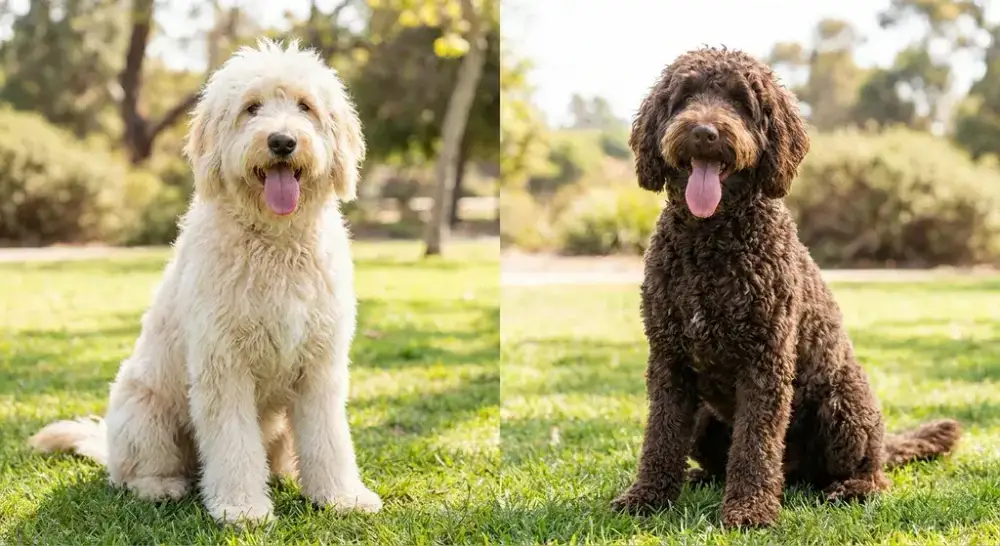
Comprehensive Temperament Analysis: Goldendoodle vs Labradoodle
Goldendoodle Behavioral Profile
The Golden Retriever influence typically manifests as:
- Gentle, people-pleasing disposition: Goldendoodles generally exhibit lower arousal thresholds and calmer demeanors
- High emotional sensitivity: Excellent at reading human emotional states, making them superior therapy dog candidates
- Moderate energy levels: Satisfied with 30-60 minutes of daily structured exercise combined with mental enrichment
- Lower prey drive: Generally less reactive to small animals and moving stimuli
- Separation sensitivity: Higher predisposition to separation anxiety due to extreme bonding tendencies
According to ASPCA Pet Insurance research, Goldendoodles score consistently higher on trainability indices for first-time dog owners, as their eagerness to please and emotional attunement facilitate rapid learning through positive reinforcement protocols.
Labradoodle Behavioral Profile
The Labrador Retriever genetic contribution produces:
- Athletic, outgoing personality: Higher baseline energy requiring 1-2 hours of vigorous physical activity
- Enthusiastic, sometimes boisterous behavior: Particularly in younger dogs (under 3 years), may exhibit hyperactive tendencies without adequate exercise
- Strong retrieval instinct: Excellent candidates for fetch-based exercise and water activities (swimming)
- Moderate to high prey drive: May chase small animals, squirrels, or other moving objects
- Social exuberance: Can be overwhelming for very young children or elderly individuals due to over-excitement during greetings
PetMD’s breed analysis notes that Labradoodles excel in high-intensity canine sports including agility, dock diving, and advanced obedience competitions due to their athletic drive and stamina.
Comparative Temperament Table
| Behavioral Characteristic | Goldendoodle | Labradoodle |
|---|---|---|
| Energy Level | Moderate (30-60 min/day) | High (60-120 min/day) |
| Separation Tolerance | Lower (prone to anxiety) | Moderate |
| Child Compatibility | Excellent (gentle) | Good (may be too exuberant for toddlers) |
| Trainability | Excellent (highly intuitive) | Excellent (eager but easily distracted) |
| Exercise Requirements | Moderate walks, mental games | Vigorous running, swimming, agility |
| Arousal Threshold | Lower (calmer) | Higher (more excitable) |
| Therapy Dog Suitability | Superior | Good |
| Service Dog Applications | Excellent | Excellent |
Nutritional Requirements and Metabolic Considerations
Macronutrient Profiles for Active Doodle Breeds
Both Goldendoodles and Labradoodles require high-quality, complete and balanced diets meeting AAFCO (Association of American Feed Control Officials) standards for adult maintenance or growth, depending on life stage.
Protein Requirements
Target: 22-28% crude protein (dry matter basis) for adult maintenance
- Animal-source proteins (chicken, lamb, fish, beef) provide complete amino acid profiles including essential amino acids (leucine, lysine, methionine)
- Biological value (BV): Prioritize proteins with BV >80 for optimal nitrogen retention
- Active Labradoodles: May require upper range (26-28%) to support high metabolic demands and muscle maintenance
Lipid (Fat) Requirements
Target: 12-18% crude fat (dry matter basis)
- Essential fatty acids: Omega-3 (EPA/DHA from fish oil) and Omega-6 (linoleic acid) support skin barrier function, coat quality, and inflammatory modulation
- Goldendoodles with skin allergies: Supplementation with 30-50 mg/kg EPA+DHA daily may reduce pruritus (itching) and skin inflammation
- Energy density: Fat provides 2.25x more metabolizable energy per gram than protein or carbohydrates, critical for high-energy Labradoodles
Micronutrient Considerations
Critical vitamins and minerals for joint health:
| Nutrient | Function | Recommended Source |
|---|---|---|
| Glucosamine | Cartilage matrix synthesis | Shellfish derivatives, supplementation |
| Chondroitin | Cartilage hydration, elasticity | Bovine trachea, shark cartilage |
| Vitamin E | Antioxidant, reduces oxidative stress | Sunflower oil, almonds (safe quantities) |
| Vitamin C | Collagen synthesis (though dogs synthesize endogenously) | Supplemental ascorbic acid |
| Calcium:Phosphorus | Bone mineralization (1.2:1 to 1.8:1 ratio) | Calcium carbonate, bone meal |
Portion Control and Obesity Prevention
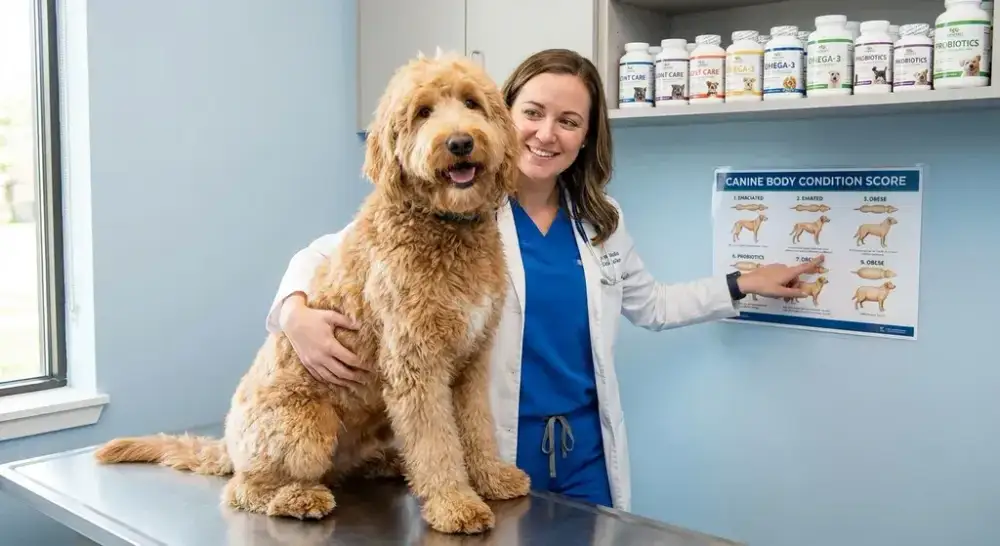
Body Condition Score (BCS) monitoring is essential, as both breeds exhibit predisposition to obesity when caloric intake exceeds expenditure. According to veterinary nutritional guidelines:
- Adult Goldendoodle (50-70 lbs): 1,200-1,600 kcal/day (moderate activity)
- Adult Labradoodle (50-65 lbs, high activity): 1,400-1,800 kcal/day
- Weight management: Reduce portions by 10-15% if BCS exceeds 6/9 on canine body condition charts
Feeding frequency: Twice-daily meals reduce risk of gastric dilatation-volvulus (GDV or bloat), particularly in larger standard-sized doodles with deep chest conformations.
Comprehensive Health Risk Assessment: Inherited Genetic Conditions
Orthopedic Disorders: Hip and Elbow Dysplasia
Both Goldendoodles and Labradoodles inherit predisposition to developmental orthopedic diseases from their large-breed parent lines.
Pathophysiology
Hip dysplasia represents malformation of the coxofemoral (hip) joint where the femoral head fails to properly seat within the acetabulum, leading to:
- Degenerative joint disease (DJD): Progressive cartilage erosion and osteophyte formation
- Chronic pain: Inflammatory mediators (prostaglandins, cytokines) stimulate nociceptors
- Reduced mobility: Particularly after rest periods (morning stiffness)
Prevalence data:
- Goldendoodles: Approximately 8-12% of evaluated dogs (OFA database)
- Labradoodles: Approximately 10-15% of evaluated dogs
Prevention and Management
Genetic screening: Ensure breeding dogs have OFA (Orthopedic Foundation for Animals) certifications with “Good” or “Excellent” hip scores.
Nutritional intervention:
- Large-breed puppy formulas: Controlled calcium (0.7-1.2%) and phosphorus (0.6-1.0%) levels prevent accelerated growth
- Maintain lean body condition: Obesity increases biomechanical stress on dysplastic joints by 15-20%
- Supplementation: Glucosamine (20 mg/kg), chondroitin (15 mg/kg), and omega-3 fatty acids (EPA/DHA 30-50 mg/kg)
Ocular Abnormalities: Progressive Retinal Atrophy (PRA)
Progressive retinal atrophy represents a group of inherited photoreceptor degenerations leading to bilateral blindness.
Clinical Presentation
- Early signs: Night blindness (nyctalopia), dilated pupils, increased tapetal reflection
- Disease progression: 6 months to 5 years depending on genetic variant
- Terminal stage: Complete blindness, though dogs adapt well to familiar environments
Genetic testing: prcd-PRA (progressive rod-cone degeneration) testing available through OptiGen or similar laboratories. Responsible breeders should provide CERF (Canine Eye Registration Foundation) clearances or OFA eye certifications.
Dermatological Conditions: Atopic Dermatitis and Allergic Skin Disease
Both breeds exhibit high prevalence of allergic dermatological conditions, manifesting as:
- Pruritus (itching): Particularly affecting paws, ears, ventral abdomen, and axillary regions
- Secondary infections: Malassezia (yeast) overgrowth, Staphylococcus pseudintermedius (bacterial pyoderma)
- Chronic inflammation: Lichenification (skin thickening) and hyperpigmentation
Immunological Mechanisms
Type I hypersensitivity reactions: Environmental allergens (pollen, dust mites, molds) bind to IgE antibodies on mast cells, triggering histamine release and inflammatory cascade.
Management Protocol
- Allergen identification: Intradermal skin testing or serum IgE testing
- Allergen-specific immunotherapy (ASIT): Desensitization injections improving 60-70% of cases
- Topical therapy: Medicated shampoos containing chlorhexidine (antimicrobial) or ketoconazole (antifungal)
- Systemic medications: Oclacitinib (Apoquel), lokivetmab (Cytopoint), or cyclosporine for severe cases
- Dietary management: Limited-ingredient or hydrolyzed protein diets for suspected food allergies
Otitis Externa: Chronic Ear Infections
The pendulous ear conformation combined with hair growth within the ear canal creates ideal conditions for microbial overgrowth.
Risk Factors
- Reduced air circulation: Floppy ears trap heat and moisture
- Ceruminous gland hyperplasia: Increased earwax production
- Hair obstruction: Dense hair growth blocks ear canal
Prevalence: Labradoodles show particularly high susceptibility, with some studies indicating 40-50% experiencing recurrent otitis externa.
Prevention Protocol
Weekly ear maintenance:
- Visual inspection: Check for redness, odor, or discharge
- Gentle cleaning: Use veterinary-approved ear cleaner (avoid alcohol-based products)
- Hair plucking or trimming: Remove excess hair from ear canal (performed by groomer or veterinarian)
- Post-swimming protocol: Thorough drying with absorbent cloth and application of drying agent (acetic acid-based solutions)
Grooming Requirements: Coat Maintenance and Dermatological Health
Goldendoodle Coat Characteristics
Coat types (genetic variability):
- Straight coat: 10-15% of puppies, more Golden Retriever-like, moderate shedding
- Wavy coat: 60-70% of puppies, loose curls, low to moderate shedding
- Curly coat: 20-25% of puppies, tight Poodle-like curls, minimal shedding
Daily Grooming Protocol
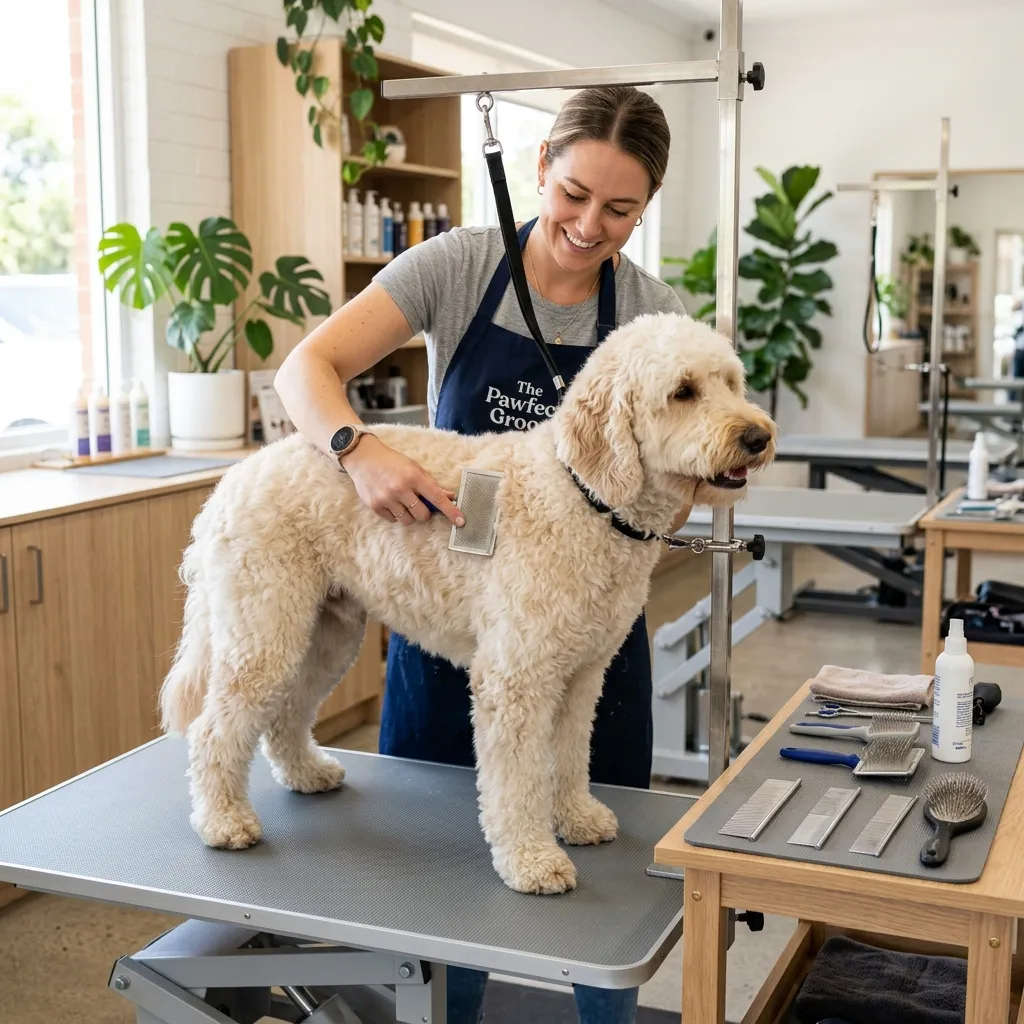
Required frequency: Daily brushing (5-10 minutes minimum)
Tools required:
- Slicker brush: Essential for removing loose undercoat and detangling wavy or curly coats.
- Stainless steel greyhound comb: Crucial for checking for mats down to the skin level.
- Dematting rake: Used to gently break up small mats before they become severe.
Technique: Use the “line brushing” method, starting at the bottom of the legs and working upward. Ensure the comb reaches all the way to the skin where friction mats typically form.
Labradoodle Coat Characteristics
Labradoodle coat types are similarly diverse but are generally categorized into three main textures:
- Hair coat: Closest to the Labrador Retriever parent. It is straight, prone to shedding, and carries a more traditional “doggy odor.”
- Fleece coat: Soft, silky texture with loose waves. This is highly desirable, low-shedding, and requires moderate maintenance.
- Wool coat: Dense and curly, resembling the Poodle. It is virtually non-shedding but is highly prone to matting and requires daily attention.
Daily Grooming Protocol
Required frequency: Daily to every-other-day brushing (10-15 minutes).
Tools required:
- High-quality slicker brush (with long pins for dense coats)
- Stainless steel grooming comb
- Detangling spray (water-based, silicone-free)
Technique: Mist the coat lightly with detangling spray, then brush in sections. Pay extra attention to high-friction areas: behind the ears, under the armpits, and where the collar or harness sits.
Professional Grooming Schedules and Clip Styles
Both Goldendoodles and Labradoodles require professional grooming every 6 to 8 weeks to manage coat length and prevent severe matting. Common clip styles include:
- Puppy Cut: A uniform clip (usually 1-2 inches) all over the body, keeping the coat easy to manage.
- Teddy Bear Cut: Features a rounded face with longer facial hair and a slightly shorter body clip, accentuating the “stuffed animal” appearance.
- Kennel Cut: A very short shave (typically under 0.5 inches) recommended for high-activity dogs during warm summer months.
Ear Hygiene during Grooming: Due to their predisposition to otitis externa, professional groomers should check, clean, and pluck/trim excessive hair from the ear canals.
Bathing Guidelines: Avoid bathing more than once every 4-6 weeks unless the dog has rolled in debris. Excessive bathing strips the coat of natural oils, leading to skin dryness, itching, and secondary atopic dermatitis. Always use a mild, oatmeal-based or hypoallergenic dog shampoo.
Lifestyle Suitability and Family Integration
Family Dynamics and Temperament Alignment
Choosing between a Goldendoodle and a Labradoodle often comes down to matching the dog’s personality with your family’s lifestyle:
- Goldendoodles (The Gentle Companion): Their higher emotional sensitivity and gentle disposition make them ideal for families with young children, seniors, or first-time dog owners. They excel as emotional support animals and therapy dogs due to their calm, intuitive nature.
- Labradoodles (The Active Adventurer): Their boisterous energy and athletic nature are perfect for highly active families, runners, hikers, and outdoor enthusiasts. They thrive in households with older children who can participate in high-energy games of fetch and training exercises.
Space and Living Environment
- Apartment and Urban Living: Goldendoodles are slightly more adaptable to apartment living, provided they receive 30-60 minutes of daily exercise. Their lower arousal thresholds make them calmer indoor companions.
- Suburban/Rural Living with a Yard: Labradoodles benefit significantly from a fenced yard where they can run freely and chase balls to burn off their high baseline energy. Without this outlet, they are more prone to boredom-induced destructive behaviors (chewing, digging).
Allergy Considerations: Are They Truly Hypoallergenic?
The Science of Pet Allergies
There is no such thing as a 100% hypoallergenic dog. Human allergic reactions are triggered by proteins (primarily the Can f 1 protein) found in a dog’s dander (dead skin cells), saliva, and urine—not their hair.
However, low-shedding breeds like Goldendoodles and Labradoodles are considered allergy-friendly because:
- Their curly or wavy coats trap dander and loose hair, preventing them from floating in the air.
- Less shedding means fewer allergens are deposited on furniture, carpets, and clothing.
Genetic Generations and Allergy Safety
The generation of your doodle hybrid plays a critical role in how allergy-friendly their coat will be:
| Generation | Genetic Mix | Shedding Level | Allergy Friendliness |
|---|---|---|---|
| F1 | 50% Retriever / 50% Poodle | Variable (low to moderate) | Fair (may trigger mild allergies) |
| F1B | 75% Poodle / 25% Retriever | Minimal to none | Excellent (best for moderate/severe allergies) |
| F2 / Multigen | Two Doodle parents crossed | Highly selective | Variable (requires individual assessment) |
[!TIP] If a family member has moderate-to-severe dog allergies, seek out an F1B or multigenerational cross backcrossed to a Poodle, and perform a “dander test” with the specific puppy before finalizing adoption.
Frequently Asked Questions
Which is smarter: a Goldendoodle or a Labradoodle?
Both breeds rank in the top tier of canine intelligence. The Poodle, Golden Retriever, and Labrador Retriever are all in the top five smartest dog breeds. Labradoodles tend to be more analytical, independent problem-solvers, while Goldendoodles have high social intelligence, making them extremely intuitive to human emotions and body language.
Which breed barks more?
Both breeds are considered moderate barkers and are not typically nuisance barkers. However, Goldendoodles may bark when suffering from separation anxiety, while Labradoodles are more likely to bark out of boredom or over-excitation if their high physical exercise needs are not met.
What is the average lifespan of these mixes?
Both Goldendoodles and Labradoodles have an average lifespan of 10 to 15 years. Standard sizes typically live 10-13 years, while miniature and medium sizes can live up to 14-16 years due to the biological advantages of smaller canine body sizes.
Conclusion: Which Mix is Right for You?
Ultimately, the choice between these two exceptional hybrid breeds depends on your physical activity budget and household environment.
- Choose a Goldendoodle if: You want a gentle, emotionally intuitive companion who thrives on close family bonds, is highly suitable for young kids, and has moderate, manageable exercise requirements.
- Choose a Labradoodle if: You lead an active, outdoorsy lifestyle, want an athletic companion for running, swimming, or dog sports, and have the time to dedicate to 1-2 hours of physical activity and structured mental enrichment daily.
Whichever breed you select, purchasing from a responsible breeder who performs comprehensive OFA orthopedic and CERF genetic clearances will ensure your doodle companion starts their life with the best health foundation possible.